
It is easy to become numb. If crossing your legs restricts your blood circulation, this may cause thrombosis or varicose veins. Those with heart disease, diabetes and high blood pressure, should avoid crossing their legs as it can worsen the impact of these diseases.
Many people sit in chairs and like to cross their legs. We feel comfortable sitting like that, but many of us don't know that crossing your legs are very harmful to the body.
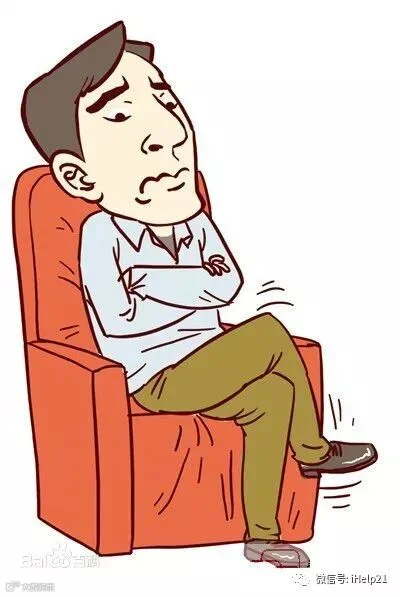
Affect male reproductive health
When the legs are crossed, the legs tend to be very tightly clamped together. This causes the temperature of the male reproductive organs and the surrounding areas to rise. This high temperature is not conducive to the growth of sperm. Over time, it will affect reproductive functions. Therefore, for your own health, the time spent crossing your legs should be restricted within 10 minutes; and your legs should not be too tight. If you feel sweaty on the inside of your thighs, you should go to the ventilated area to cool down for a while.
Evolved into an O-leg
The legs cross and the picked-up feet will contract inward, which may cause the ligaments of the legs to become thick and even inflamed, causing severe swelling and pain. Over time, it will evolve into an O-shaped curvature. This is because only the ankles are touching, which creates a shape that resembles the letter ‘o'.
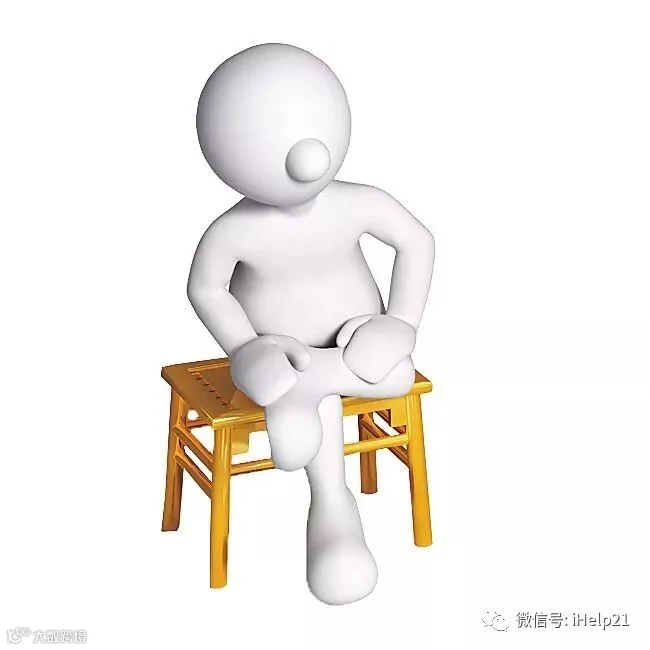
Osteoarthritis appears in advance
The pressed foot is subjected to the pressure of the other foot for a long time. This abnormal external force will aggravate the wear and deterioration of the knee, leading to the emergence of arthritis. Many people prematurely die from conditions related to arthritis. Degeneration may begin once we reach our forties. A large part of arthritis is for this reason. What is even more frightening is that the disease cannot be reversed at all. Once it appears, it can only be delayed. Therefore, middle-aged men with pain in their knees should avoid crossing their legs.
Spinal deformation, painful back
Normal people's spine should be an "S" shape, but if you have long-term crossed legs, it will lead to hunch back. Over time, the spine will become a terrible "C" shape, resulting in an uneven distribution of thoracic and lumbar pressure. Moreover, this sitting posture also causes compression on the spinal nerves and painful back. This is because people who sit with their legs crossed are more likely to lean forward and to round their shoulders.
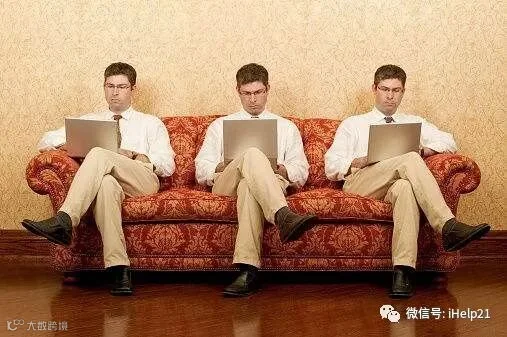
Those who are sitting for a long time with lack of activity should maintain a correct sitting position and don't raise your legs. If it is difficult to correct for a while, you should gradually shorten the time of sitting still, change your posture after a period of time, or get up and move your body every so often whilst you’re sitting for long periods of time. Typically your body should do this for you as we tend to move as soon as we feel uncomfortable.
Influence vertebrae
Besides the risk of varicose veins, leg swelling, there’s also the risk of developing spine abnormalities associated with a poor posture. It’s far more difficult to treat this chronic disease than acute diseases.
This bad habit of crossing legs not only makes the position of your hip joint unbalanced, but also causes the pelvic position to deviate from its correct position, and the angle of the spine and lumbar vertebrae changes. Long-term squatting legs, spine, lumbar vertebrae and pelvis bias will not only cause painful legs but also cause slight variations in your leg lengths. The pressure on either side of knees is different, the knee with the larger pressure will "retire" in advance. So, all kinds of bone diseases will happen, and there will be problems all over your body.
Follow our account to read articles as soon as they are published.

Talk with us.