藏在街巷的文物遗存
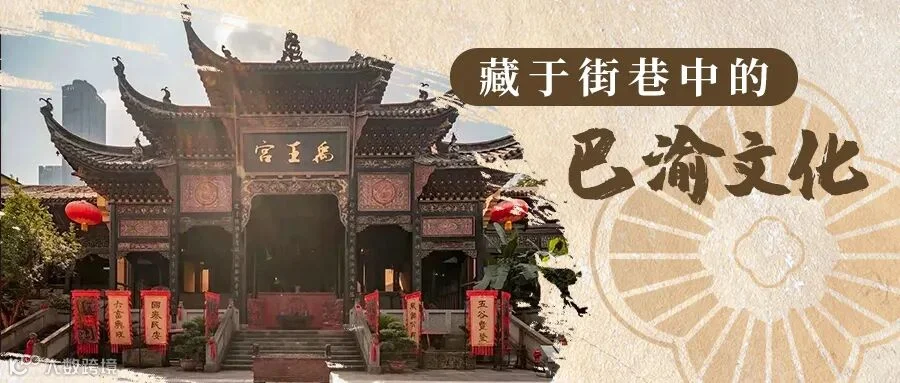
渝中是重庆母城,从公元前316年战国秦时张仪在渝中半岛筑“江州”,到1189年宋光宗改“恭州”为“重庆府”,再到1997年重庆直辖,清晰保留了巴渝古都、二战名城的历史脉络。岁月流转,不少事物早已随风而去。但在渝中的街巷之中,依然能听到有来自遥远过去的呼唤。它们的存在,彰显着渝中独特的人文精神特质,也为世界更好地了解巴渝文化独一无二的理念、智慧、气度、神韵打开了大门。就请随我一起,走进渝中的街巷之中,探寻那些隐藏其中的巴渝遗韵吧……

Yu Zhong
巴国英雄-巴蔓子
Ba Manzi,an ancient hero of Chongqing

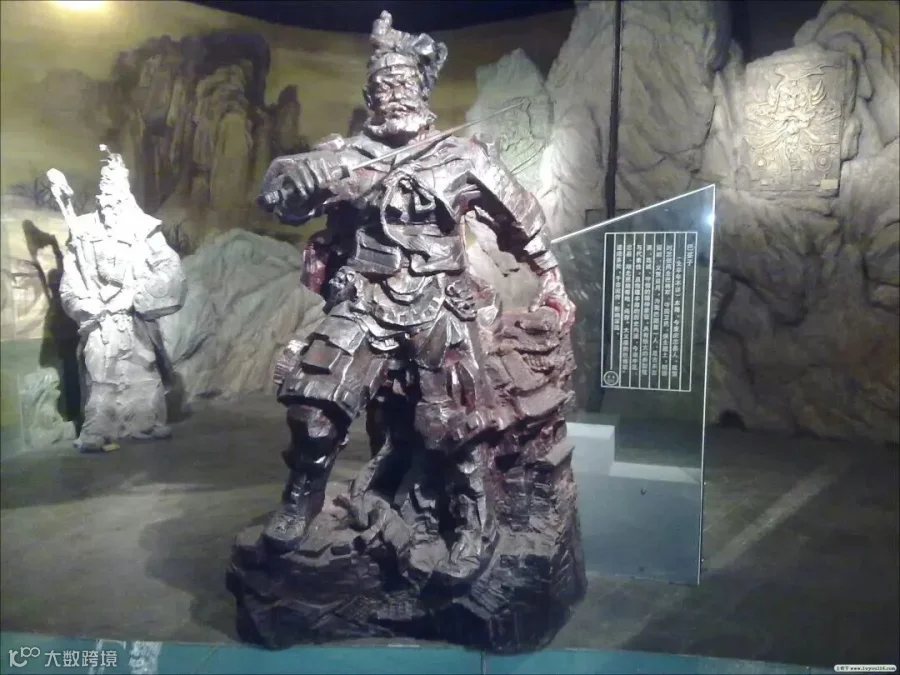
据《华阳国志·巴志》记载,战国时期,巴国内乱但又无力平息,巴蔓子将军向楚国求救,希望楚国派兵协助平息内乱,并允诺事成之后以出让三城作为酬谢。在楚军帮助下,巴国内乱平息。楚国索取城池,巴蔓子将军不忍国土丢失,却又不能食言,于是拔剑自刎,割头谢楚。楚王知得此事,遂以上卿之礼厚葬巴蔓子将军头;巴国葬其身,亦以上卿礼。
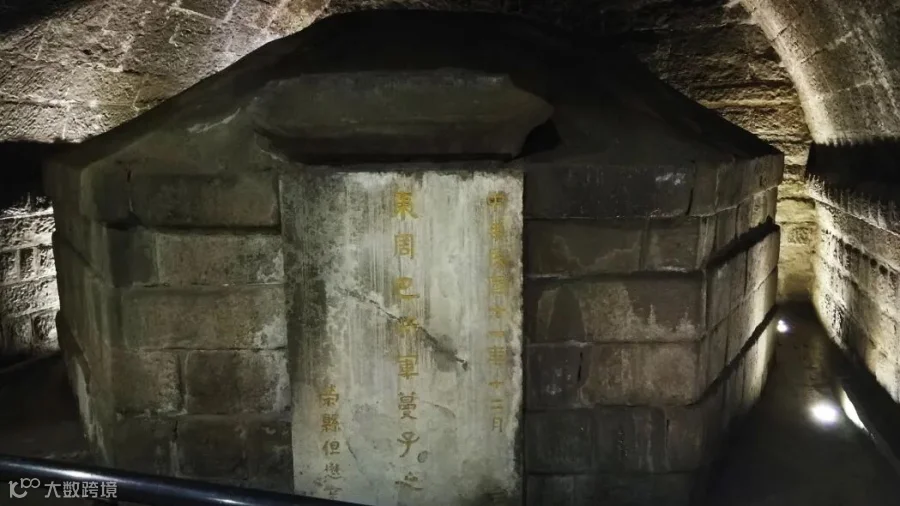
巴蔓子墓位于渝中区七星岗莲花池。该墓俗称“将军坟”,此处为东周时期保卫巴国城池不受损失而自刎于楚的巴蔓子将军之墓。
Yu Zhong
重庆古城墙
Ancient City Wall of Chongqing

渝中是重庆的母城,曾拥有“九开八闭”,十七座城门拱卫。时光荏苒,有的城门随着岁月消逝,有的依旧留存。于是我们便有了知晓这座城市曾经故事的机会……
1►
东水门段城门及城墙
Dongshuimen Section of the City Gate and Wall
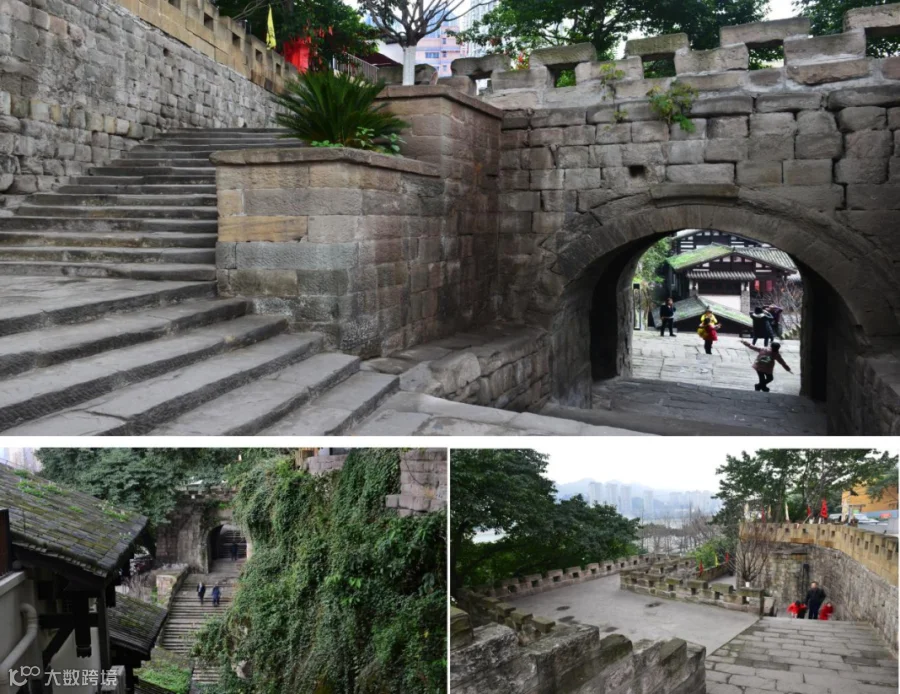
东水门段城门及城墙位于渝中区湖广会馆旁,连接长滨路,由城门和城墙组成。东水门为重庆城九个开门之一,始建于明洪武初年,清代、民国、现代多次修补。
东水门紧邻长江,位于交通要道,旧时都是人们进出重庆城的主要城门。数百年来,这里商客云集、交易兴盛,从事水运及相关行业的船夫、纤夫、挑夫等人群比重较大,因此也被民俗学家认为是重庆火锅的发源地之一。
2►
通远门段城门及城墙
Tongyuanmen Section of the City Gate and Wall
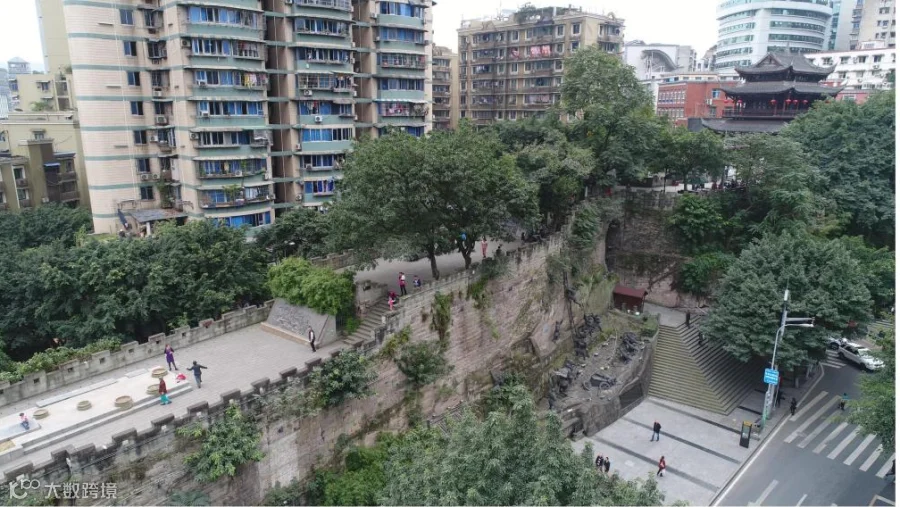
通远门段城门及城墙位于渝中区七星岗街道中山一路、和平路、金汤街交会处,是明清时期重庆府城的西大门。重庆城九座开门中,只有通远门不靠江只通陆。古时,通远门是成渝古道“东大道”的出城起点,故名通远。
时过境迁,属于通远门的激荡岁月早已难觅踪影,但城墙依旧静静伫立,并建成了通远门城墙遗址公园对公众开放,诉说着过往的岁月,供游客怀古、游览。
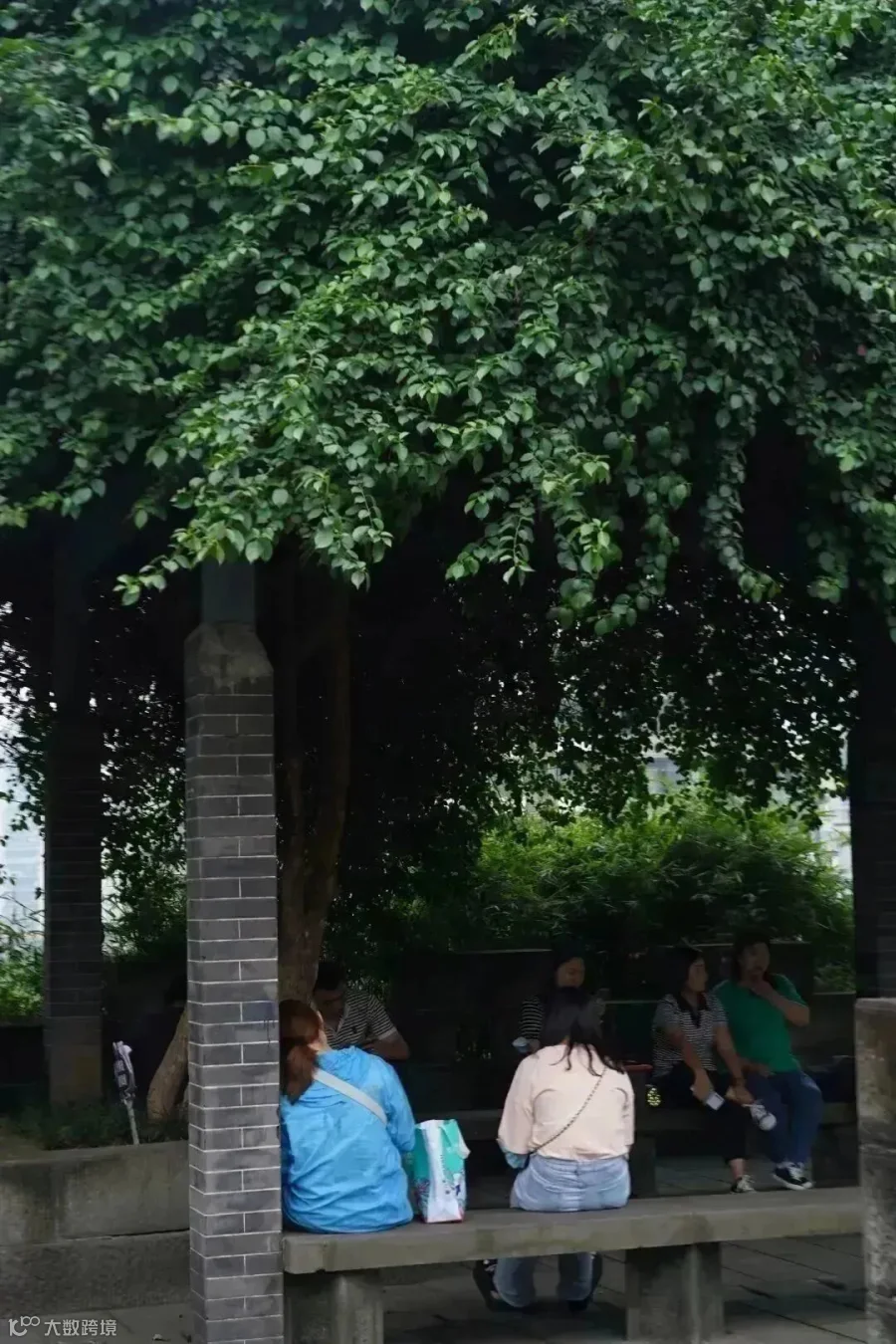
行走在这古老的城墙之间,昔日的烽烟已经烟消云散,唯有参天的黄桷树浓荫匝地,依旧荫庇着前来游玩的人们。周围的车水马龙打扰不到这方安逸,岁月不改,亦是经年。
3►
太平门至人和门段城垣
Taipingmen-Renhemen Section of the City Wall
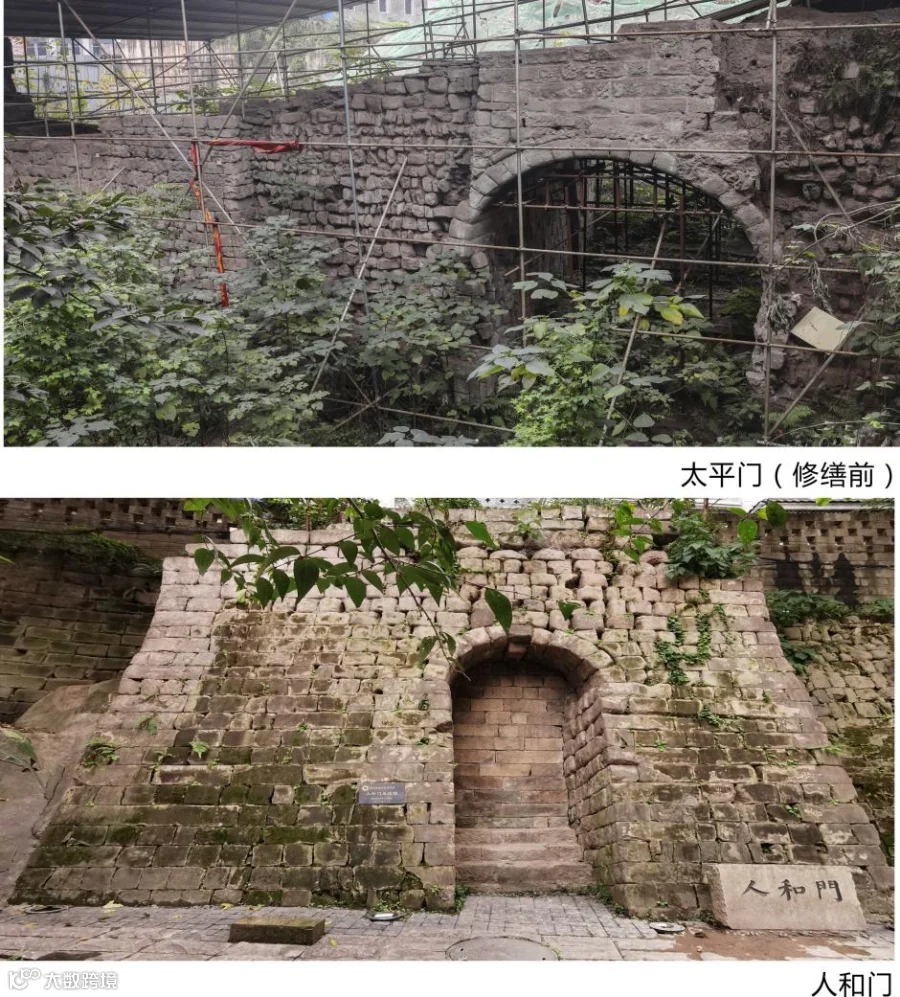
太平门至人和门段城垣位于渝中区白象街、解放东路、长滨路交会处一带,为重庆古城墙重要组成部分。由太平门、人和门两座城门及相连城墙组成,城墙残长约545米。
调查发现遗址留存有较好的瓮城;清理揭露太平门主城门、城墙及附属道路、水沟等遗迹33处,确认城门建于明代,城墙在南宋、明、清多次得到修补。出土器物标本300余件,涵盖汉至六朝、宋、元、明、清各个时期,主要有几何陶纹砖、“太平”铭文砖、瓦当、板瓦、青瓷碗、黑釉瓷碗、黑釉瓷盏、青花瓷碗、青花瓷杯等遗物。
该城垣遗址是重庆古城墙的核心组成部分,太平门、人和门分别是重庆古城墙“九开八闭”中开门和闭门两种不同类型的城门。
Yu Zhong
老鼓楼衙署
Site of Laogulou Government Office

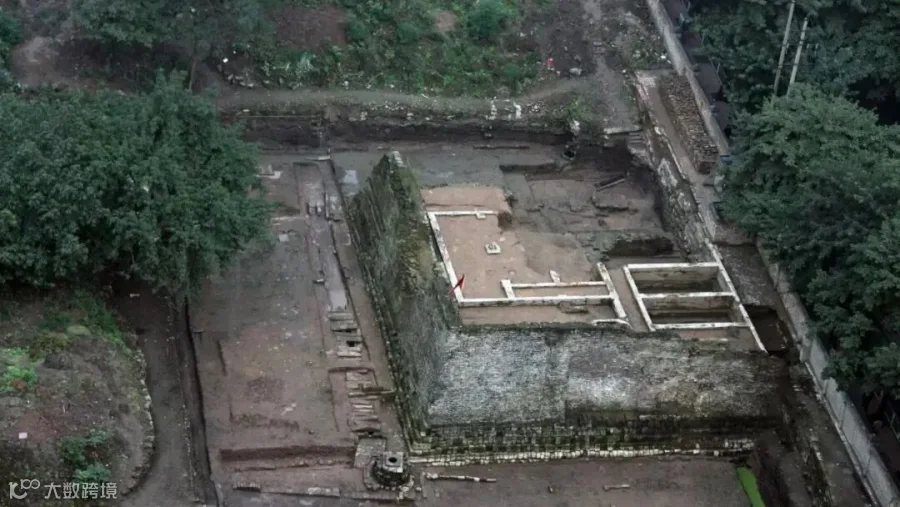
▲2010年11月 老鼓楼衙署遗址发掘现场
老鼓楼衙署遗址位于渝中区解放东路巴县衙门二巷,背山面江,地处金碧山(今人民公园)下。
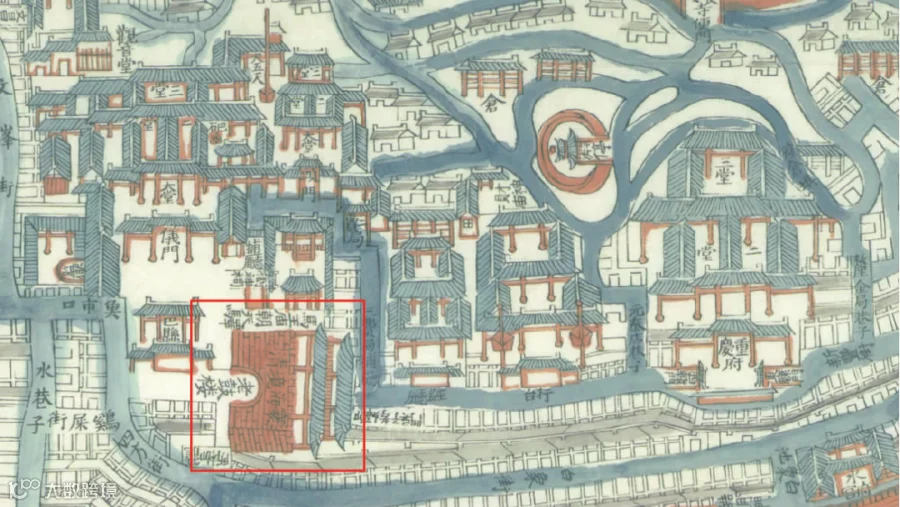
▲张云轩绘《重庆府治全图》——老鼓楼
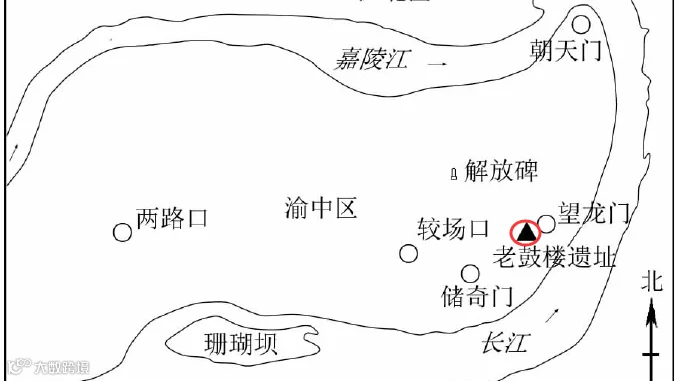
▲老鼓楼衙署遗址地理位置图
该遗址为重庆宋代以来的衙署区,分布面积逾8万平方米。兴建于宋蒙(元)战争的历史背景之下,是南宋川渝地区的军政中心——四川制置司及重庆府治所。著名的川渝山城防御体系即在此筹建经营,在一定程度上影响了世界文明的发展进程。
The site is a government office area in Chongqing since the Song Dynasty, with a coverage of over 80,000 square meters. Built under the historical background of the Song-Mongolian (Yuan) War, it was the military and political epicenter of the Sichuan-Chongqing region in the Southern Song Dynasty - the seat for Sichuan Military Commission and Chongqing Prefecture. The famous Sichuan-Chongqing mountain city defense system was prepared and operated here, which to some extent shaped the course of the world civilization.
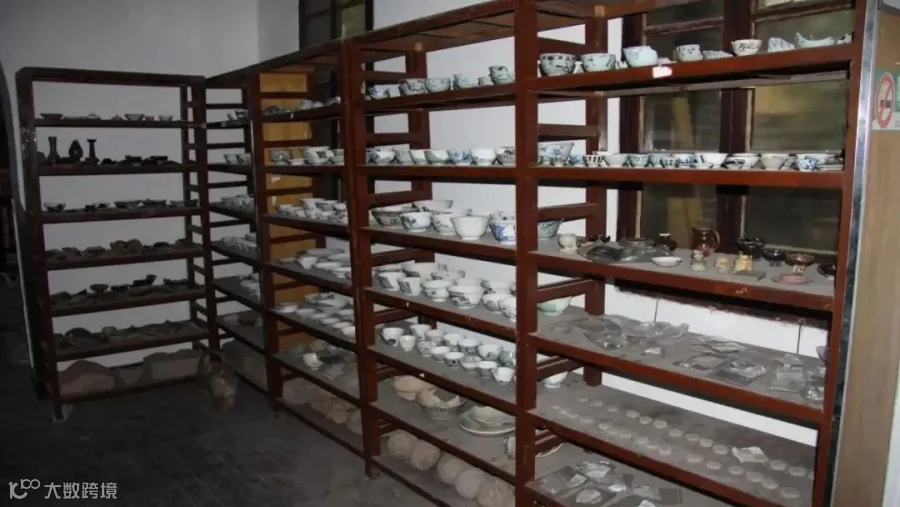
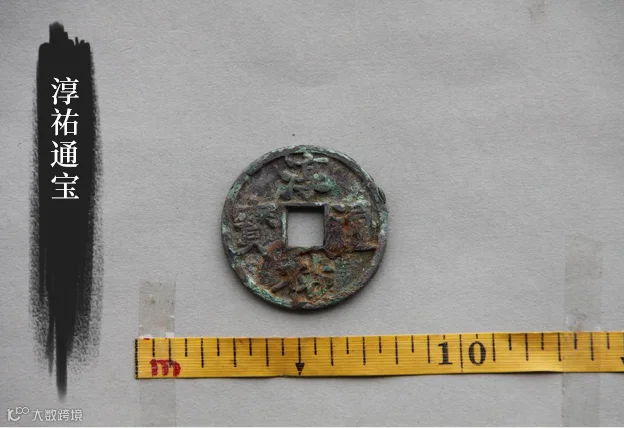
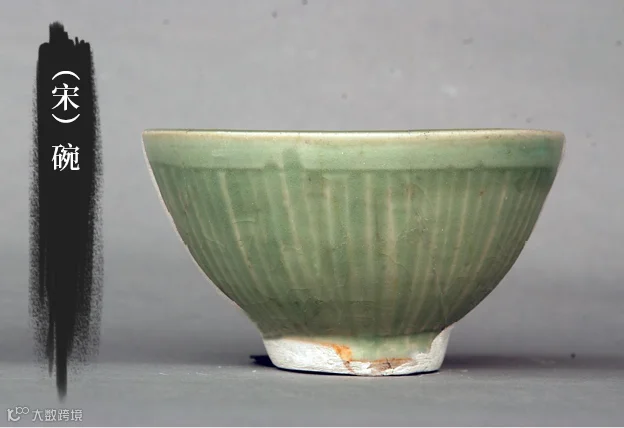
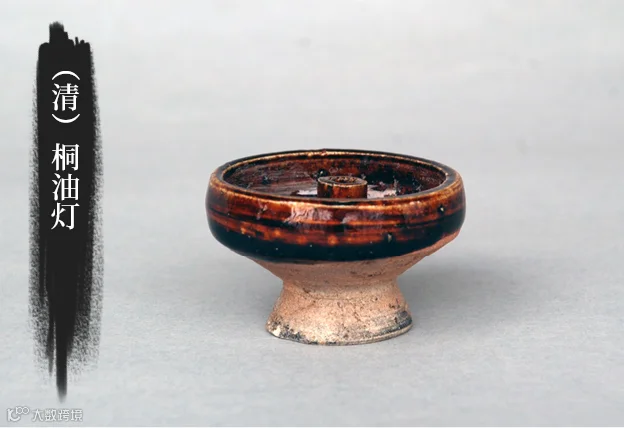
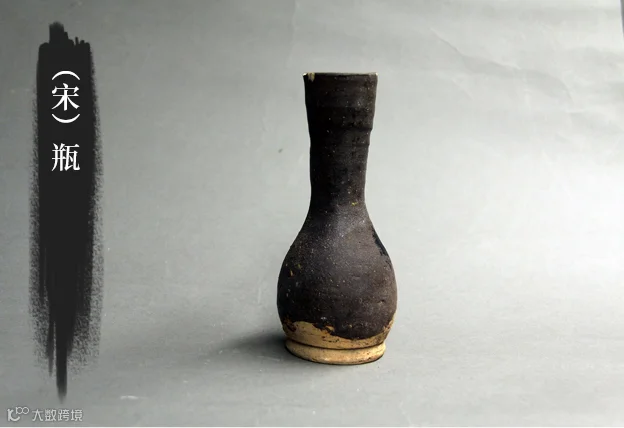
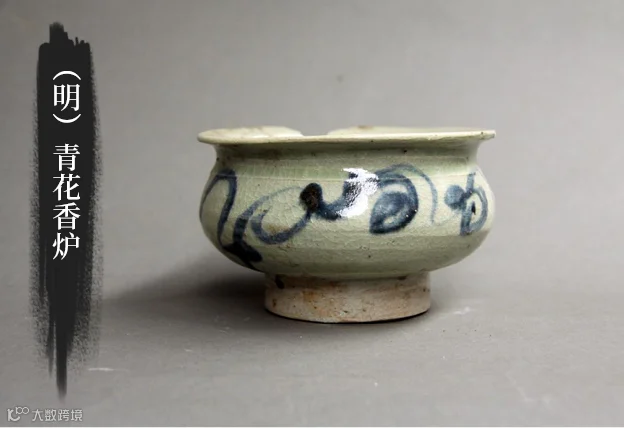
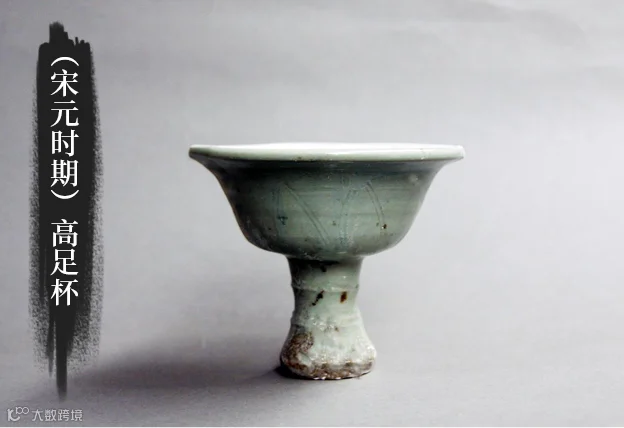
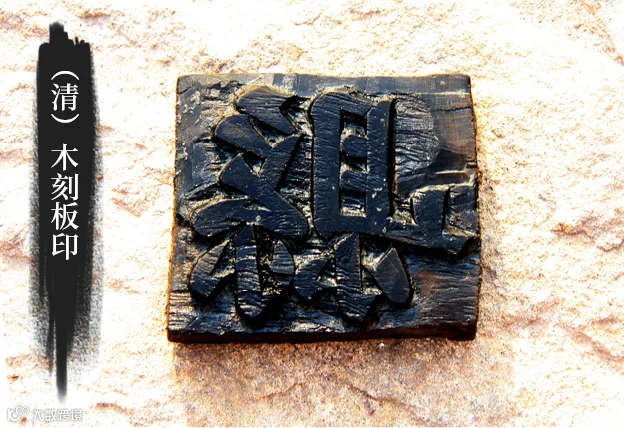
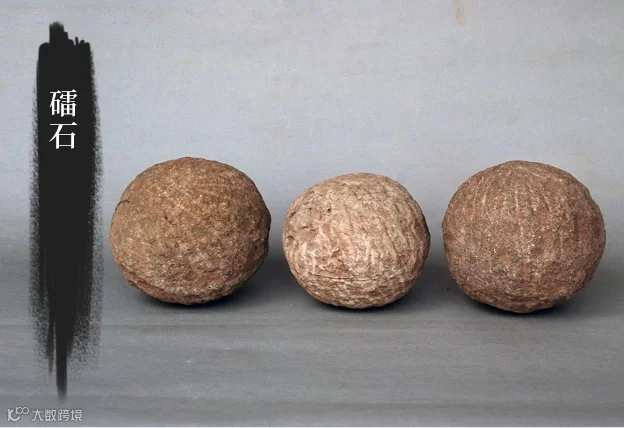
左右滑动查看部分文物图片
该遗址在旧城改造中发现,通过三年的考古发掘,清理揭露宋元、明清及民国时期各类遗迹261处,出土遗物12000余件,2012年获评“全国十大考古新发现”。作为重庆市发现的等级最高、规模最大的衙署建筑遗存,老鼓楼衙署遗址见证了重庆定名以来近千年的沿革变迁,符合中国传统衙署建筑规制的同时又具有鲜明的巴渝地域特色,对于丰富中国宋元时期都城以外的城市考古资料具有重要意义,具有较高的社会文化价值。目前该遗址正在建设国家考古遗址公园。
The site was discovered during the renovation of the old city. Thanks to three years of archaeological excavation, 261 remains of various types from the Song, Yuan, Ming and Qing dynasties and the Republic of China were uncovered, and more than 12,000 relics were excavated, making it one of the top ten new archaeological discoveries in the country in 2012. As the top-rated and largest government office building remains found in Chongqing, the Site of Laogulou Government Office is witness to the evolution of Chongqing for nearly a millennium since it was named, which is in harmony with the traditional Chinese government office building system and carries distinctive regional Bayu characteristics. It is therefore of great significance for enriching urban archaeological data beyond the capital cities of China during the Song and Yuan dynasties and is of high sociocultural value. The site is currently under construction as a national archaeological site park.
Yu Zhong
罗汉寺
Luohan Temple

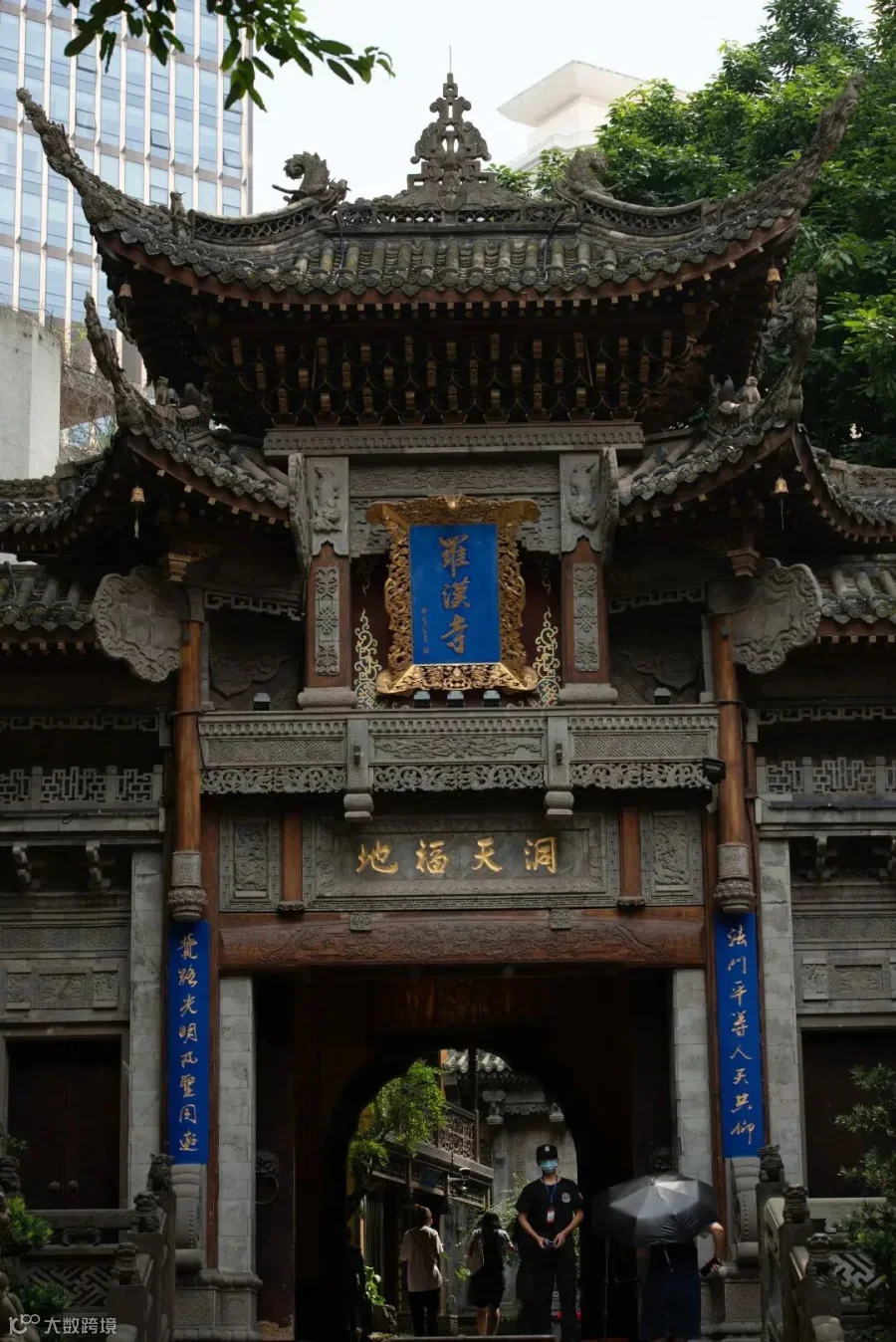
罗汉寺位于渝中区民族路小什字罗汉寺街7号,始建于北宋治平年间,古佛崖摩崖造像为宋代遗存。摩崖造像分布于罗汉寺大山门内古佛岩通道东西两壁。造像内容有佛、菩萨、弟子、供养人等,多为高浮雕。
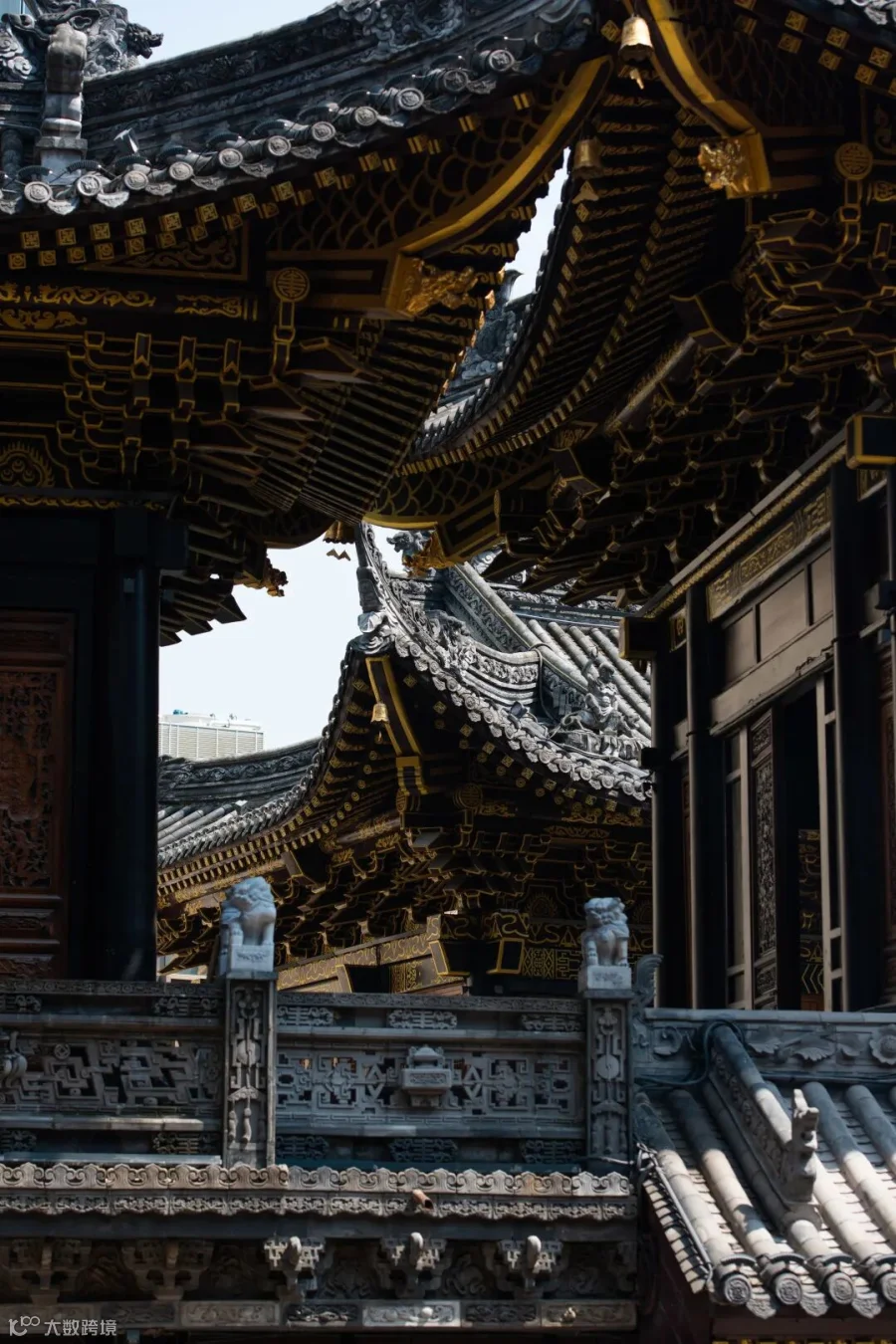
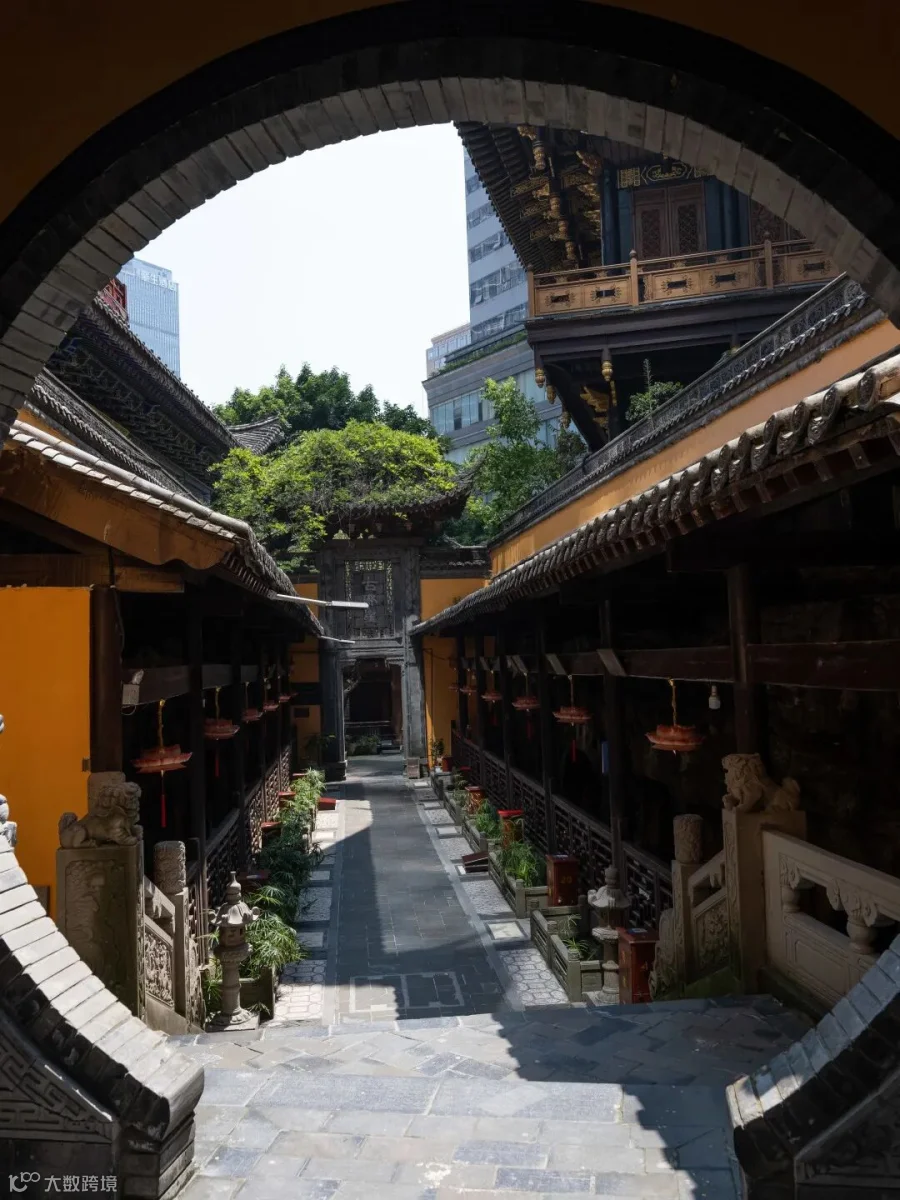
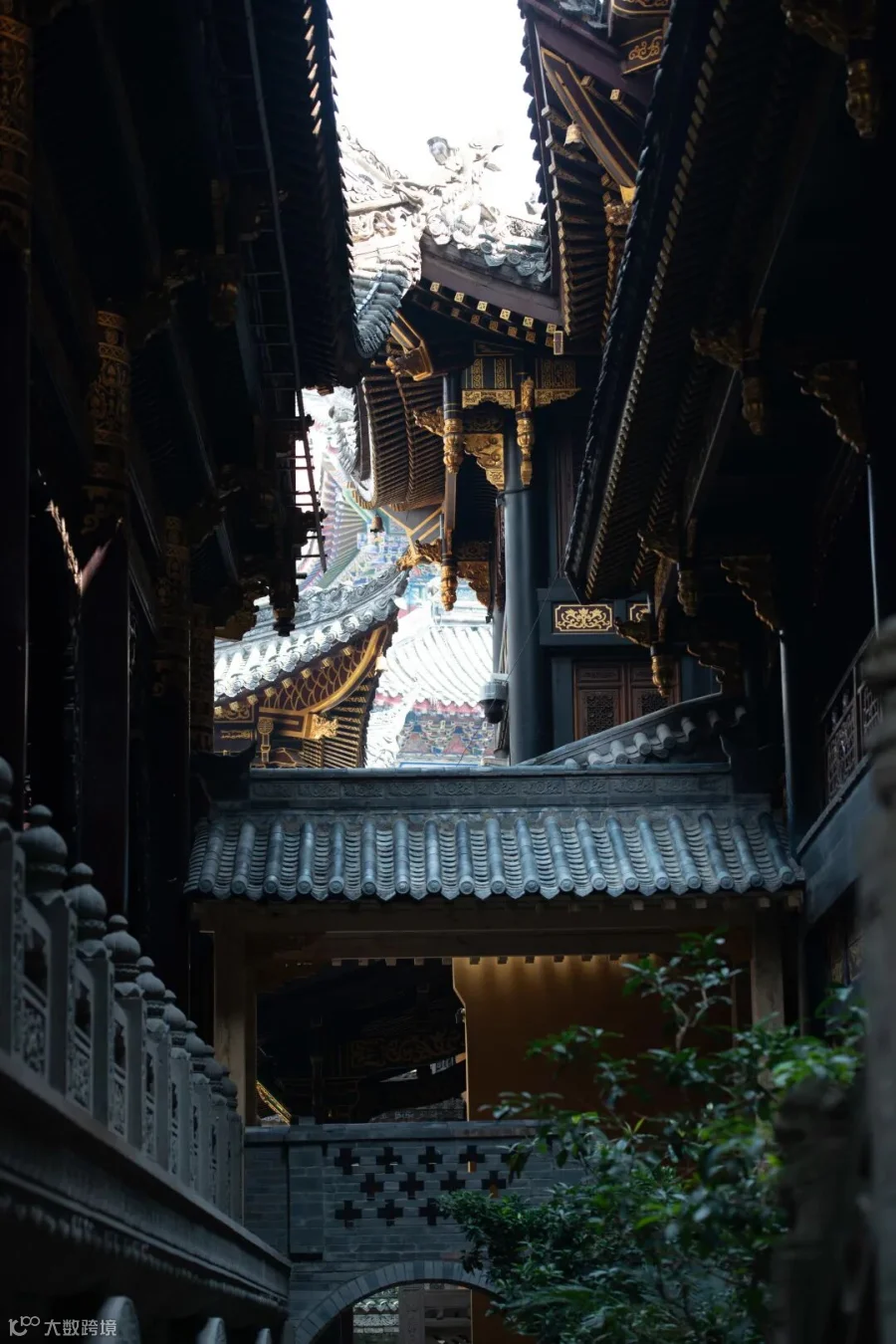
罗汉寺由北宋治平年间古月和尚开山建寺,初名治平寺。经历代维修扩建,到明代自葵和尚时达极盛。乾隆十年(公元1745年),因前殿倾圯,改建龙神祠,故俗称“龙王庙”。清季中叶,隆法和尚建五百罗汉堂,遂更名罗汉寺。
而今,罗汉寺仿佛是大千繁华中的一抹青莲。清幽古朴的禅寺承载了超脱世俗的人生态度,一檐一瓦皆是禅意。
Nowadays, Luohan Temple seems to be a green lotus in the midst of the bustling city. The secluded and ancient Zen temple embodies a transcendent mentality, where every eave and tile symbolizes the spirit of Zen.
Yu Zhong
东华观藏经楼
Buddhist Texts Library for Donghua Taoist Temple

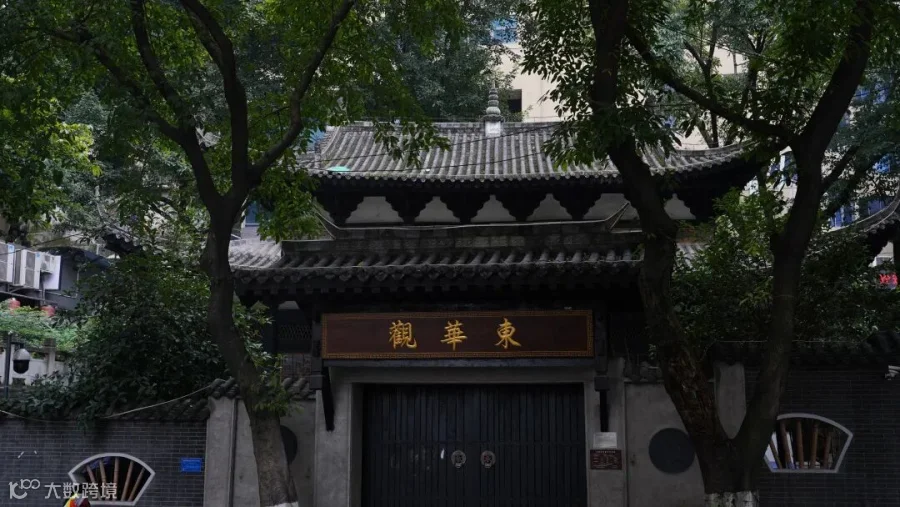
东华观藏经楼位于渝中区凯旋路64号,现存建筑为明代重建,为重檐歇山顶抬梁结构建筑。该建筑上檐施斗拱18朵,下檐施斗拱22朵。殿顶盖黄色琉璃瓦,正脊和垂脊为绿色琉璃瓦,脊饰戗兽。
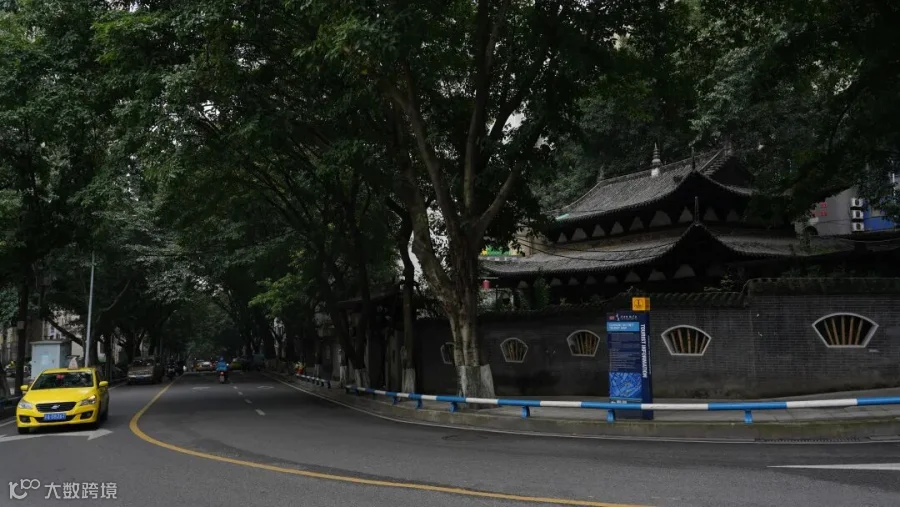
民国《巴县志》载,东华观修建于元至元代,明天顺七年(1463年)、明正德十一年(1516年)重修。《蜀中名胜记》引《旧志》“城中有东华观,观后有东华十八洞,皆相通……相传东华真君于此得道”。当时东华观殿宇三重(下殿、正殿、上殿),内设殿堂9个和藏经楼,还有厢房、花园等。1926年遭遇大火,火灾后庙宇和住房仅有原面积三分之一。1939年该庙被日机轰炸,大部分残破。目前仅藏经楼原貌尚存,并经修缮对外开放。
According to the Chronicles of Baxian published during the Republic of China, Donghua Taoist Temple was built in the Yuan Dynasty, and was refurbished in the seventh year of Emperor Tianshun of the Ming Dynasty (1463) and the eleventh year of Emperor Zhengde of the Ming Dynasty (1516). According to a quotation of the Records of Places of Interest in Sichuan from Old Local Chronicles, "There is Donghua Taoist Temple in the city, behind which there are 18 caves of Donghua Taoist Temple that are connected to each other. It is believed that Donghua the Immortal became immortal here." At that time, the Donghua Taoist Temple had three halls (the lower hall, the main hall, and the upper hall), with nine halls inside and a Buddhist texts library, as well as chambers and gardens, etc. Following a fire in 1926, the temple buildings and chambers were only one-third of their original size. In 1939, the temple was bombed by Japanese planes and was mostly dilapidated. At present, the well-preserved Buddhist Texts Library has been open to public after being repaired.
Yu Zhong
佛图关石刻
Fotuguan Stone Carving

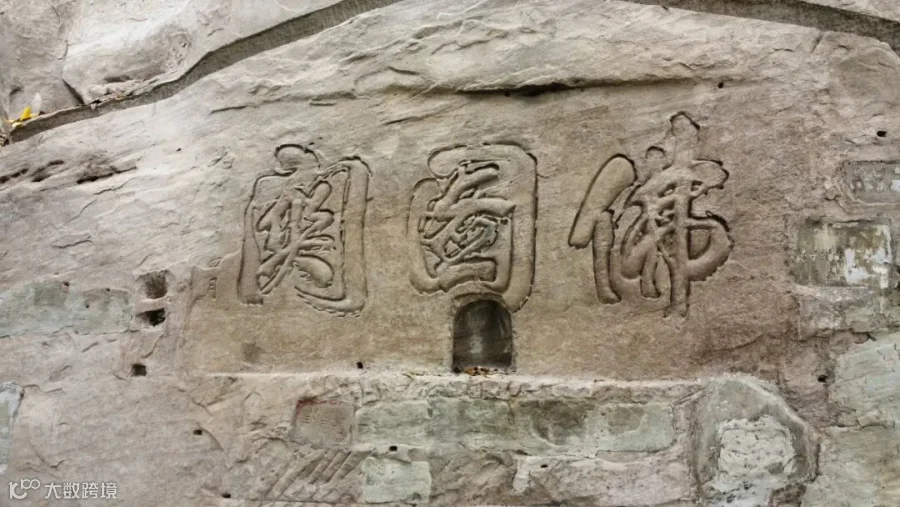
佛图关石刻位于渝中区长江一路佛图关公园南面峭壁上,历代题刻甚多。一为歌功颂德类,如“恩周存殁”“廉明慈爱”等题刻,二为名言警句类,如“愿吾民,敦孝弟,勤职业,崇简朴,息争讼”题刻等。宋时有造像,现已不存。
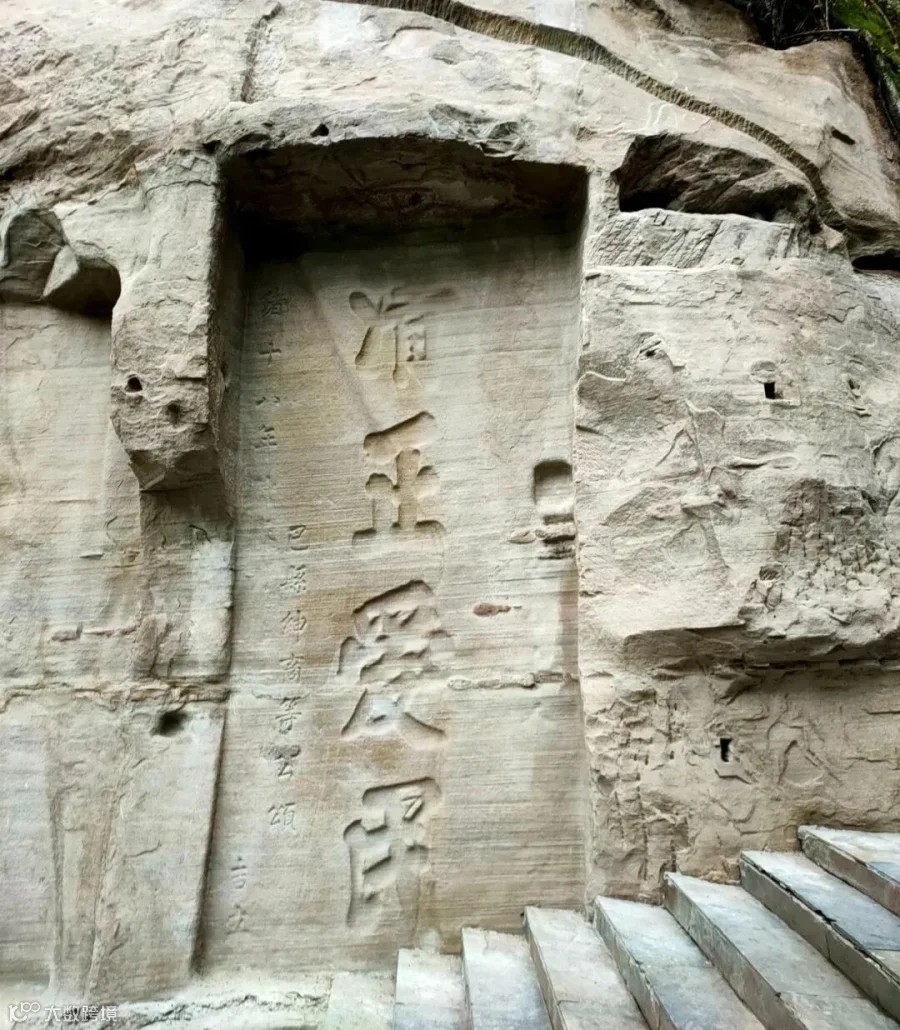
佛图关之名,至迟得于南宋。佛图关是进出重庆母城的必经通道。《巴县志·厄塞表》:“渝城三面抱江,陆路惟佛图关一线,壁立万仞,磴曲千层,两江虹束如带,实为咽喉扼要之区。佛图关能守,全城可保无恙。”
历史上,佛图关是重庆发生战事最多的地方之一。
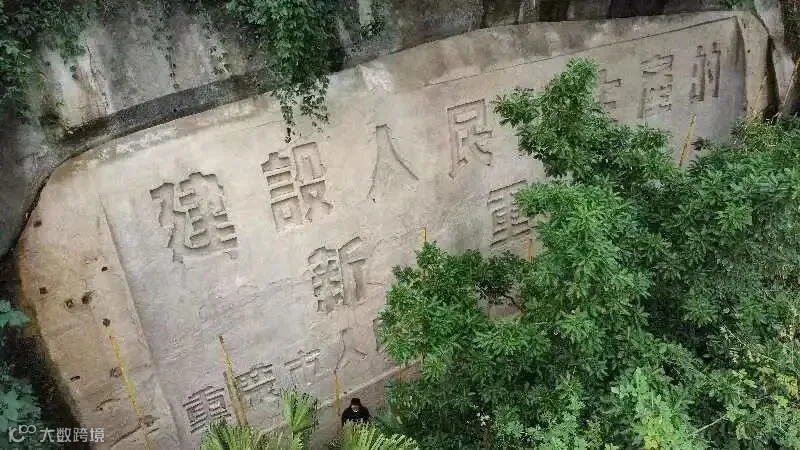
佛图关临两江,势高险。春秋二季水汽蒸腾,到了夜晚雨雾蒙蒙,云烟缭绕,宛如江上仙境浮岛,造就了古巴渝十二景之一的佛图夜雨,唐代诗人李商隐《夜雨寄北》曾作于此。
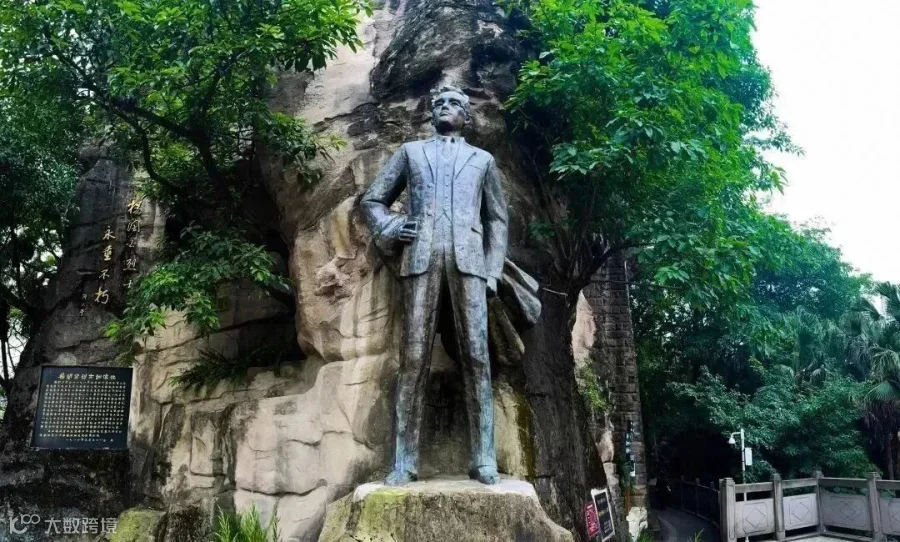
如今,佛图关已经建成公园,设有轨道交通站点。那山上依然林木葱翠,可供人漫步林间。站在山上极目远眺,两江如带,大桥成排横卧,南北美景,尽收眼底。
Today, Fotuguan has been built as a park with a rail transit stop. The lush hill enables visitors to walk around it. Standing on the hill, one can see the two belt-like rivers and the bridges lying in rows, as well as the picturesque north and south river bank.
Yu Zhong
重庆湖广会馆
Chongqing Huguang Guild Hall

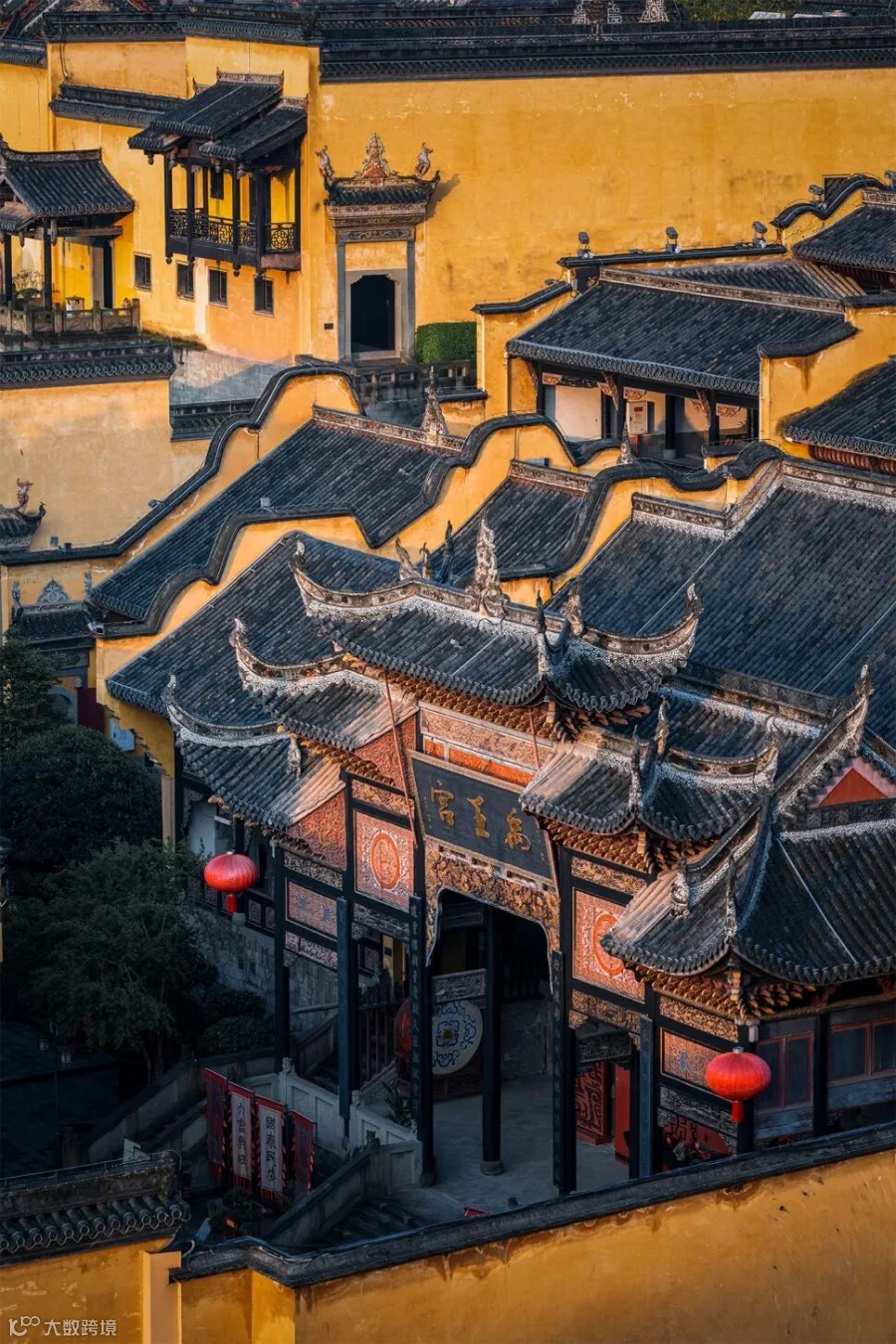
重庆湖广会馆是清代重庆作为繁华商埠的历史见证,也是清代前期到民国初年重庆的移民文化、商业文化和建筑文化的重要标志。
Chongqing Huguang Guild Hall is a historical witness of Chongqing as a prosperous commercial port in the Qing Dynasty, and an immeasurable landmark of Chongqing in terms of immigrant culture, commercial culture and architectural culture from the early Qing Dynasty to the early Republic of China.
明末清初,四川战乱,人口急剧减少。据康熙二十四年人口统计,经历过大规模战事的四川省仅余人口9万余人。
During the late Ming and early Qing dynasties, Sichuan was war-torn and its population was drastically decreased. According to the census in the 24th year of Emperor Kangxi Period, only 90,000 residents lived in Sichuan after massive warfare.
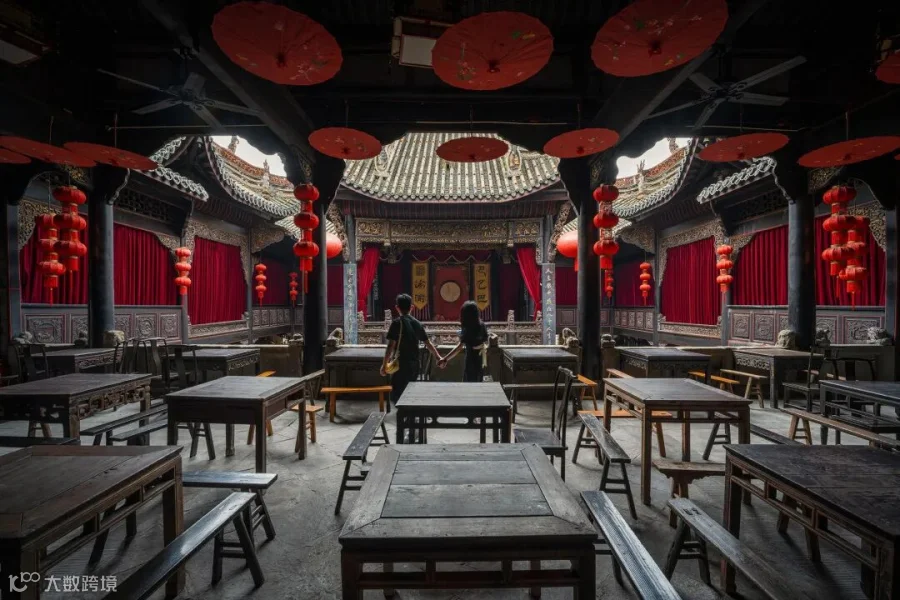
为了恢复四川的生机,清政府鼓励外省移民入川垦荒,湖南、湖北、广东等地民众大举向四川移民。在“湖广填四川”移民浪潮下,重庆恢复了繁盛,为共叙乡愁共同发展,各省移民陆续在城中设立会馆。其中,保留至今,建筑最宏伟气派的就是湖广会馆建筑群。
In order to restore the vitality of Sichuan, the Qing government encouraged immigrants from other provinces to settle in Sichuan, bringing an influx of people from Hunan, Hubei and Guangdong to settle in Sichuan. Thanks to the wave of immigration to Sichuan, Chongqing regained its prosperity, and in order to cherish nostalgia and pursue common development, immigrants from various provinces set up guild halls in the city one after another. Among them, the most magnificent building that has been preserved to this day is the Huguang Guild Hall complex.
重庆湖广会馆建筑群就是“湖广填四川”移民潮的历史产物,始建于清康熙年间,嘉庆、道光、光绪期间先后扩建。距今已有近300年历史,是目前全国城市中心区全国最大的古会馆建筑群。
Chongqing Huguang Guild Hall complex, the historical product of the migration wave, was first built during Emperor Kangxi Period of the Qing Dynasty, and then expanded during the Jiaqing, Daoguang and Guangxu periods. With a history of nearly 300 years, it is the largest ancient guild hall complex in the country's downtown areas.
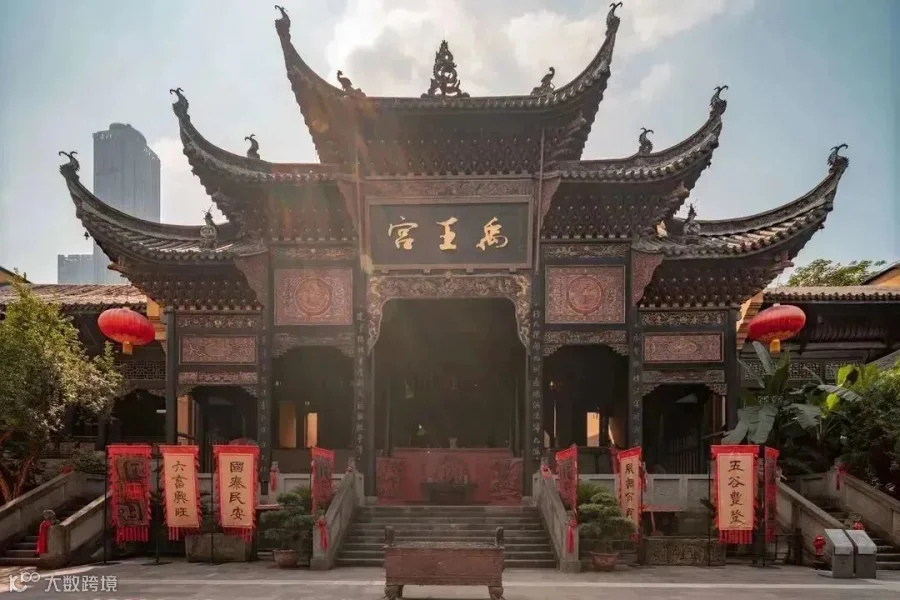
重庆湖广会馆的建筑大多沿袭明清时期四合院布局,采用不同的屋顶结构,如悬山、卷棚、歇山等形式,既承袭广东、广西、湖南、湖北以及江南一带的典型建筑风格,又融汇重庆传统建筑特色。
Most of the buildings of Chongqing Huguang Guild Hall are Siheyuan structures (Chinese quadrangles) from Ming and Qing dynasties, featuring different roof designs, such as overhanging gable roof, round ridge roof, and hip-and-gable roof. They embody the typical architectural styles of Guangdong, Guangxi, Hunan, Hubei and Jiangnan, and also reflect the traditional architectural features of Chongqing.
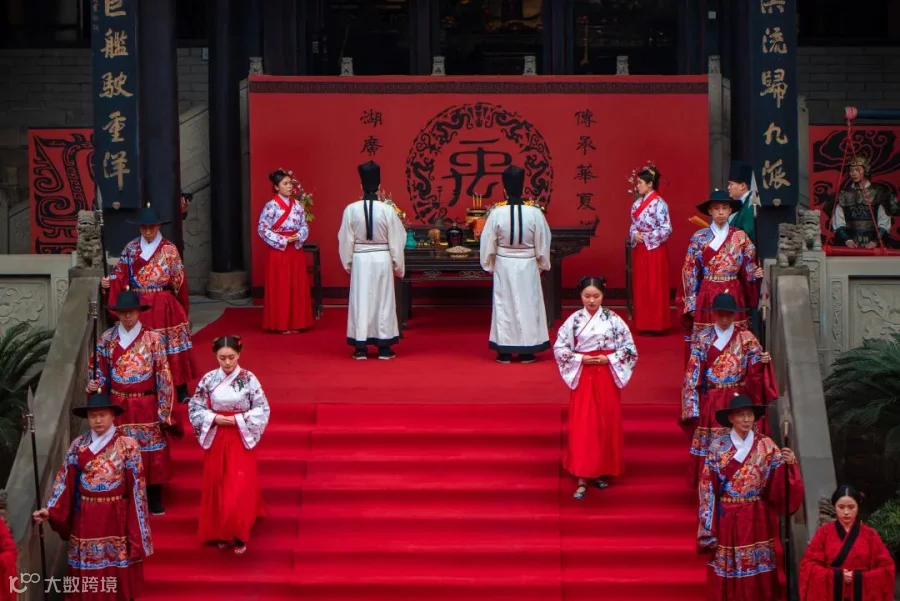
会馆每年接待海内外游客无数,成为重庆城市的“符号”;作为全国最大古代会馆建筑群,宏大精美,汇聚浓浓乡愁和对美好生活的向往,在海内外享有盛誉;同时,她更是凝聚了巴蜀先民对中华文化的敬畏和骄傲,坚韧顽强、开放包容、豪爽耿直、勇敢创新的重庆人文底色,在这里薪火相传,是重庆人的精神殿堂。
The Guild Hall receives countless tourists from home and abroad every year, and has therefore become an icon of Chongqing. As the largest ancient guild hall complex in China, it is magnificent and exquisite, which evolves strong nostalgia and aspirations for a better life, and enjoys great acclaim both at home and abroad. At the same time, it embodies the reverence and pride of the ancestral people of Bashu for Chinese culture, carries forward the Chongqing spirit of resilience, inclusiveness, openness, bravery and innovation, and serves as the cultural venue of Chongqing people.
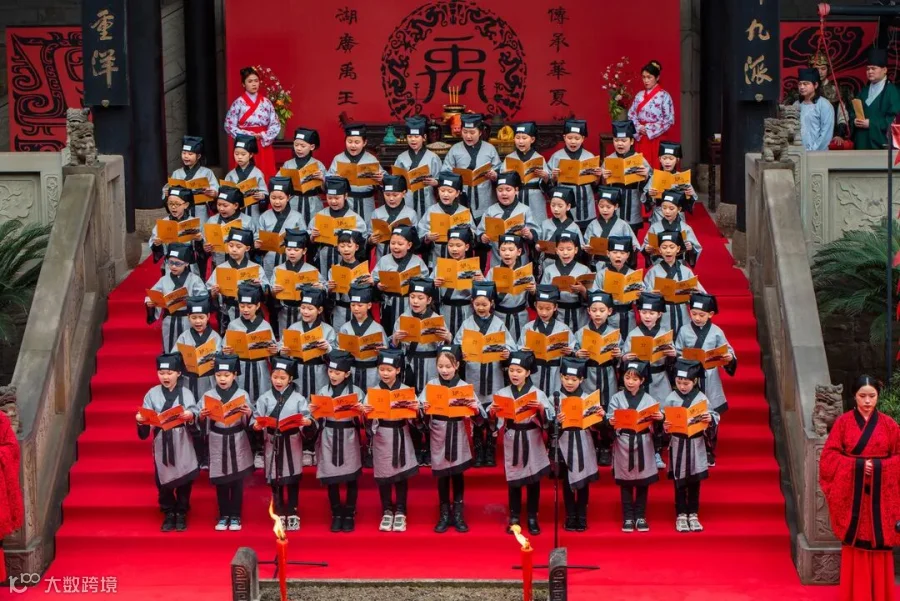
如今,重庆湖广会馆正致力于打造最具特色的中国传统文化和城市历史文化教育实践的城市课堂;作为灿烂历史与现代文化交相辉映的精品舞台,古老的会馆持续在城市精神文化生活中发挥作用,释放魅力。
Nowadays, Chongqing Huguang Guild Hall is dedicated to establishing itself as the urban lecture hall where the most characteristic traditional Chinese culture and urban history and culture are educated and practiced. As a fine stage where splendid history and modern culture mingle, the ancient Guild Hall continues to play a role in the cultural life of citizens and unleash its charm.
Yu Zhong
七牌坊碑林
Qipaifang Stele

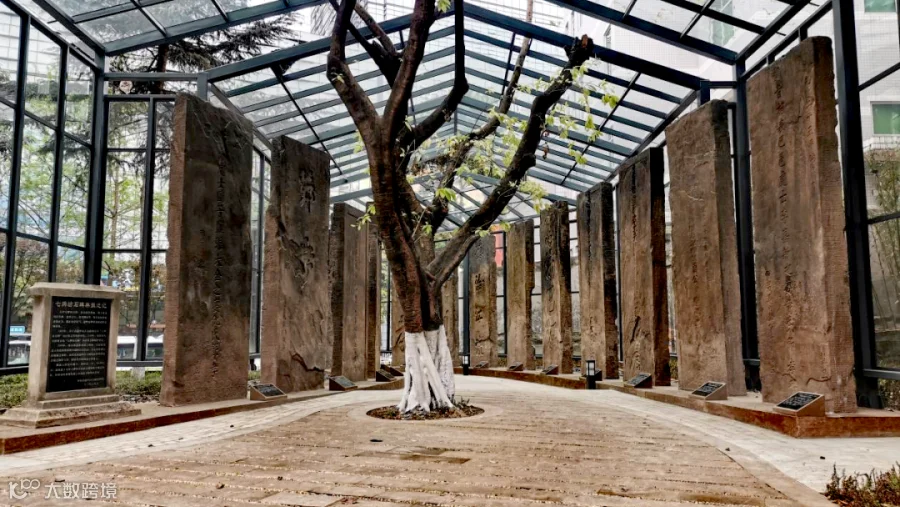
七牌坊碑林位于渝中区大坪循环道绿化小游园中,为清代至民国年间所立。
The Qipaifang Stele, located at the petty street garden on Circulation Road, Daping Sub-district in Yuzhong District, was erected between the Qing Dynasty and the Republic of China.
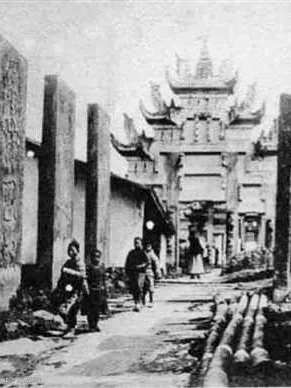
△七牌坊旧景
▽佛图关牌坊旧景(民国时期)
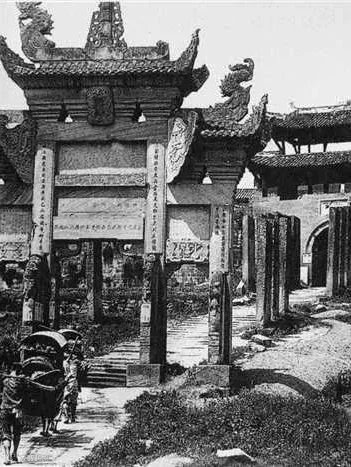
七牌坊碑林主要建于清代乾隆、道光、光绪年间,是皇帝圣旨敕建,用于旌表封建社会功臣名将、忠孝之士、贞节烈女等,旨在宏扬道德风尚,起社会教化作用。
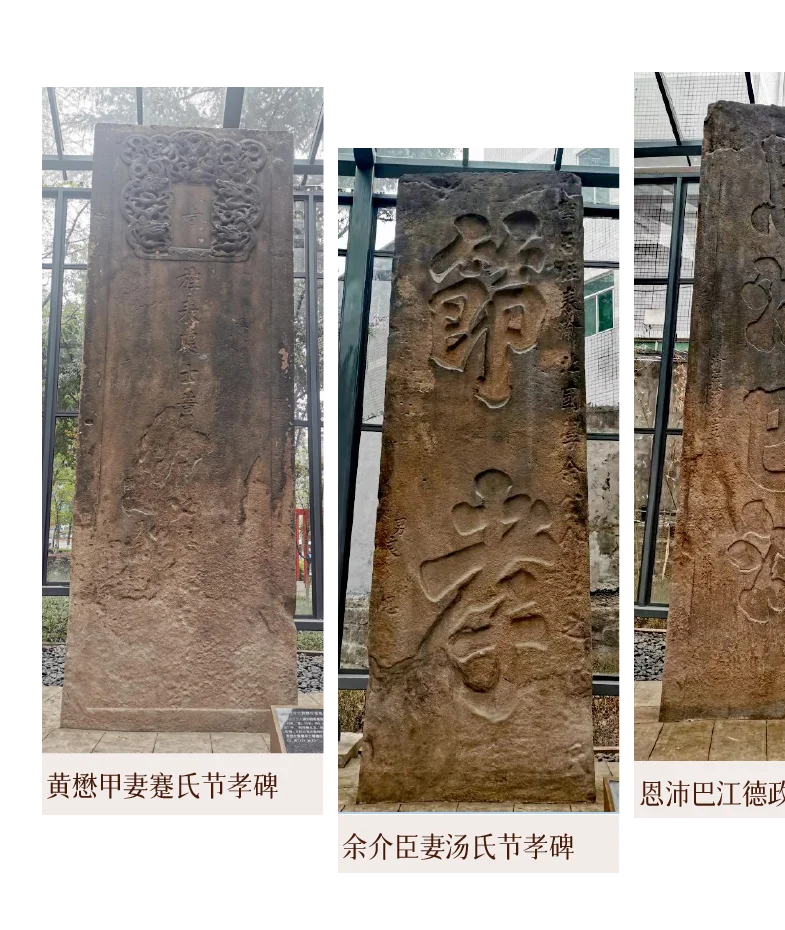
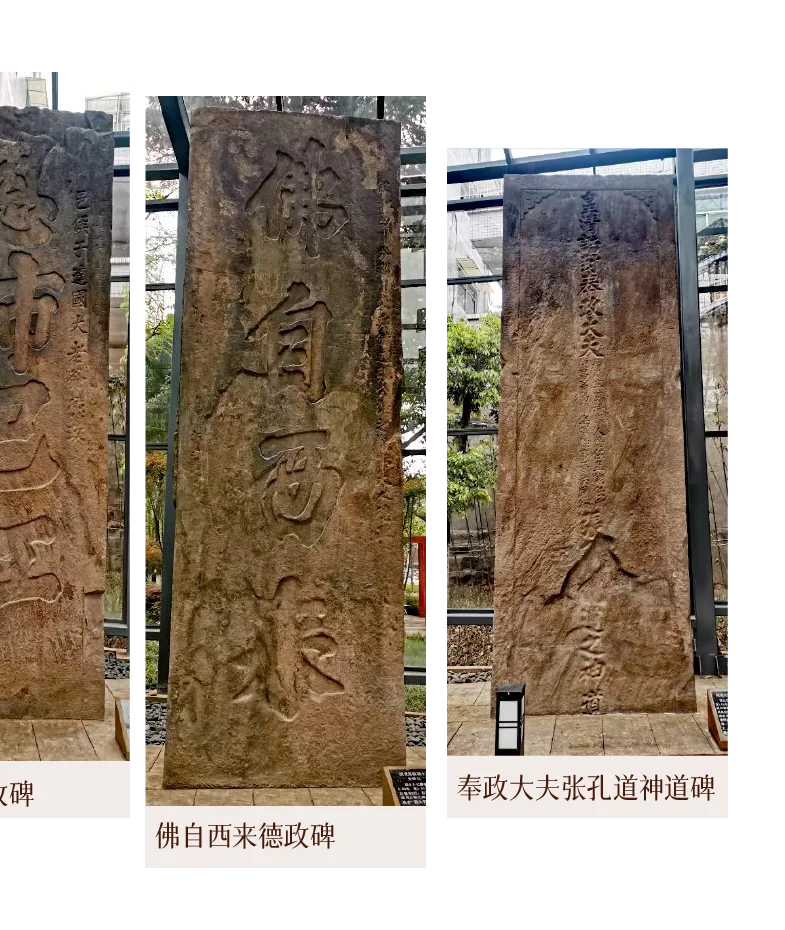
左右滑动欣赏部分碑文
现尚有石碑19块,大多为清代立的德政碑、节孝碑、神道碑、墓表碑等,字皆系阴刻。
2022年,渝中区再次对七牌坊碑林进行了修缮,并加装了风雨棚,进一步优化了周边环境。如今,七牌坊碑林成为大坪片区一处优雅的人文景观,与周边时尚都市和谐共处,诉说着成渝古驿道上的历史故事,散发着母城的人文魅力。

总编辑/丁政义
副总编/余满生 责编/宋国萍
编辑/吕松泽 校对/孟佳
部分图片来源于渝中区文管所 罗汉寺江哩儿 焦龙 黄南洋 朱新敏 陈薇薇