
Follow our account to read more!!!
Things you are interested in:
Chinese Hospitals
You
I
CHinese hospitals
Western hospitals
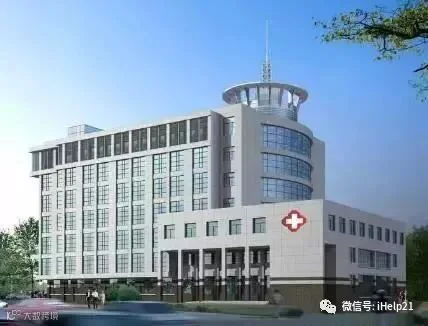
Written by My PengYou
Recently I’ve formed a strange relationship with Chinese hospitals. It’s really made me really think about how Chinese hospitals may differ from those in the West.
In Chinese hospital you need to pay upfront, even if it’s an emergency, otherwise, the hospital will not treat you.
All services and treatments must be paid for in advance, including the basic appointment fee, before receiving any treatment. You must pay in advance for any medical care you receive, whether you’re an inpatient or outpatient, staying overnight, waiting for urgent tests, in need of any medicines, going to A&E, transferring to another hospital, or your dead body needs sending to a crematorium. In summary, everything in the Chinese health care system requires an exchange of money. Some of our medical costs are for official means, while other parts are more under the table (the best doctors and hospital wards are always in high demand).

I also want to briefly mention China’s health insurance problem. About 90% of our population does have basic health insurance coverage. Despite this, public health insurance only covers around half of our normal medical care costs. Depending on your insurance type and the hospital itself, you may have to pay all medical costs upfront, and then receive the insurance coverage at a later date.
But what about if you don’t have any money? What if your insurance isn’t enough or accepted? What if you don’t have any health insurance?
Here’s the straightforward answer. Without money, you cannot do anything.
Last month my grandpa unfortunately fell seriously ill. During the early hours of the morning, my grandma was checking on my grandpa like always: ‘Are you okay? Do you want to go to the bathroom? Are you cold? Do you need to throw up?’ Those kinds of caring things. This time he said he felt dizzy and wanted to throw up. My grandma was worried and then called my uncle at 2:35 am. When my uncle came to check on his father, he found him unconscious on his bed. My uncle immediately dialled 120 (China’s emergency telephone number), and an ambulance arrived within 10 minutes. It turned out that my grandpa had suffered a stroke. The good news was once he was rushed to the local hospital, he received a quick diagnosis and was treated quickly. Later the doctors informed us if he’d arrived just one hour later, then he may no longer be with us. They asked us to be realistic – my grandpa is already 80 years old and his outlook wasn’t great.
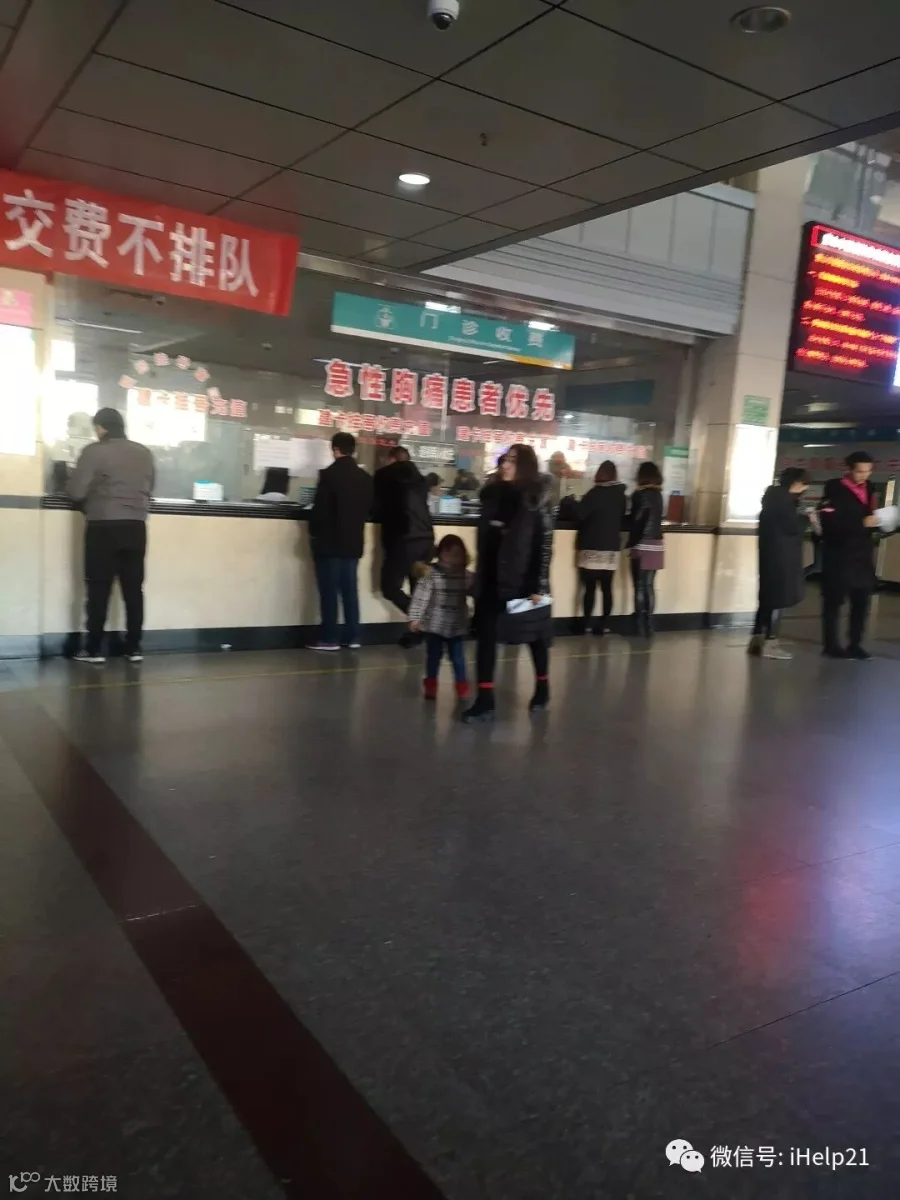
My grandpa stayed in the intensive care unit for nearly half a month. The unit is closed off so that members of the family cannot come in. I went there a few times to support my mum and other family members who took turns staying the night. My family and all the other patients’ families are left to wait outside the ward and attempt to bring their loved ones anything they may need. They wait around all day and night in a large waiting room filled with metal beds. It’s a bit like a school dormitory, except filled with many anxious loved ones waiting on beds filled with fruits, snacks, tissues and other random medical supplies bought from nearby.
Some of you may wonder why the family members need to be there at all times, even though they’re forbidden from being in the same room as the patients. Mainly it’s so the doctors can immediately inform the patient’s family if there are some medical treatments that require their permission or to bring them urgent news. The second reason is that families must wait outside to bring everything the patient requires. The nurses will inform the families and they will go out to buy supplies in nearby shops and pharmacies. For example, whilst I visited my grandpa, we needed to some tissues, disposable hospital gowns (for the visitors), incontinence nappies (diapers), medicine and food for three daily meals (although these were more for my family to eat, rather than my grandpa). These supplies are not freely provided by the county’s public hospital. Also, if the nurse asks you to bring anything then you better rush out and collect it all as soon as possible. Your attitude and willingness to help the patient deeply impacts their level of respect for you and, by extension, their quality of care for the patient.
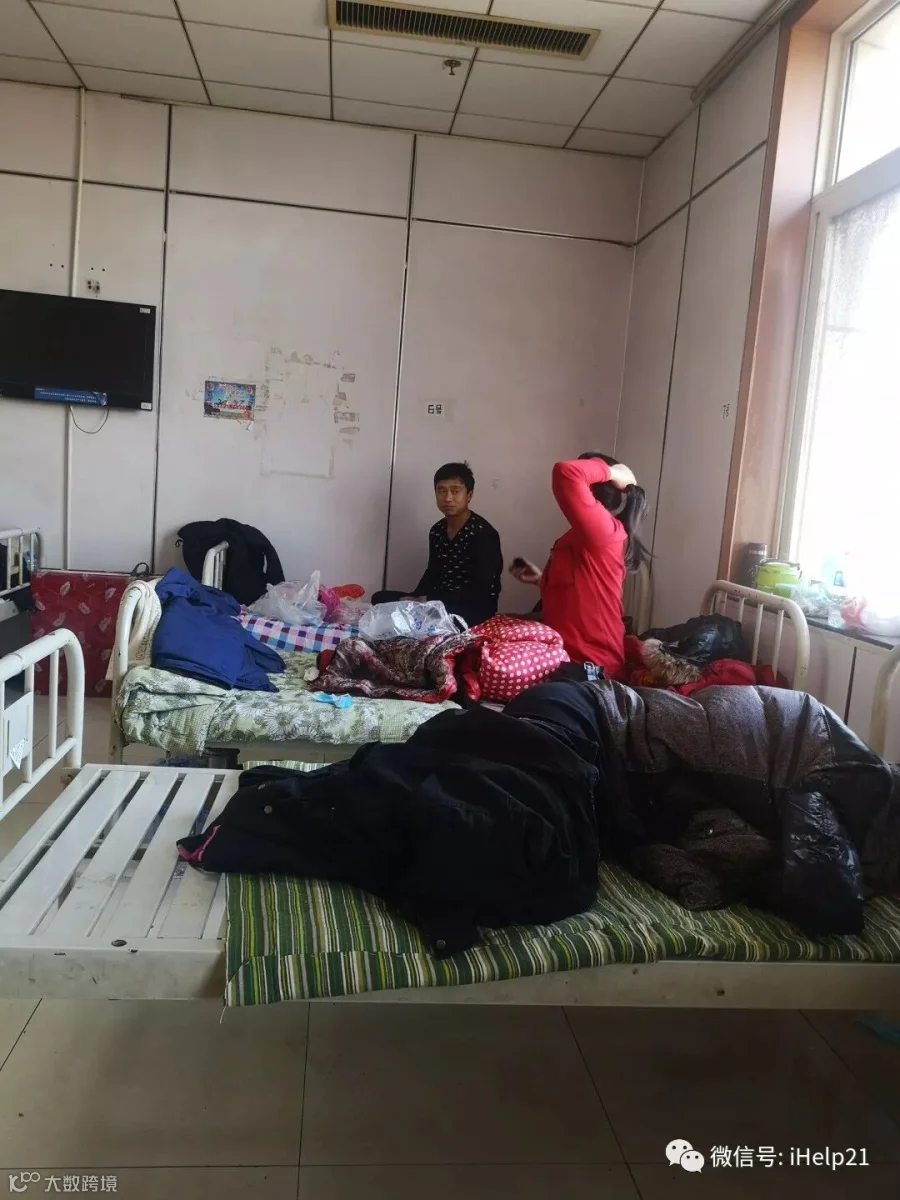
Additionally, every day around 4 pm, a nurse will stand outside the ward and read aloud a list of all the patients’ names. On hearing your loved one’s name, you must collect their up-to-date hospital bill from that nurse. That’s why someone must always be outside waiting for them. This bill, sometimes consisting of multiples pages, breaks down the total cost of treatment so far and shows how much money is left on their patient’s account.
Like I mentioned before, you need to pay an upfront deposit for the patient’s medical care bills. This money is loaded onto a card which can be topped up - a bit like a phone bill. Any remaining money (if there’s any left) may then be redeemed once the patient has been discharged. The amount that is initially loaded onto the card depends on the severity of the patient ailments. In my hometown’s hospital, it varies from around 2,000 to 20,000RMB.
If your family is rich, on the one side, then these fees are not a problem. You can just focus on the patient feeling better. On the other side, if the patient and your family doesn’t have any savings or earns a low income, then these payments are going to bite. A chronically sick relative will wipe out all of your savings or force you to borrow money from those in your village or find some small lenders to finance costly medical care fees.
Worrying about health and being hospitalised is an everyday problem for China’s poorer population. Their family will have to pay for their medical fees, even if they barely have any money. Normally the hospital fee for the sick elderly patient is divided up among their grandchildren. Therefore, whilst my grandpa’s in hospital, my family will worry about what numbers are on that slip of paper.
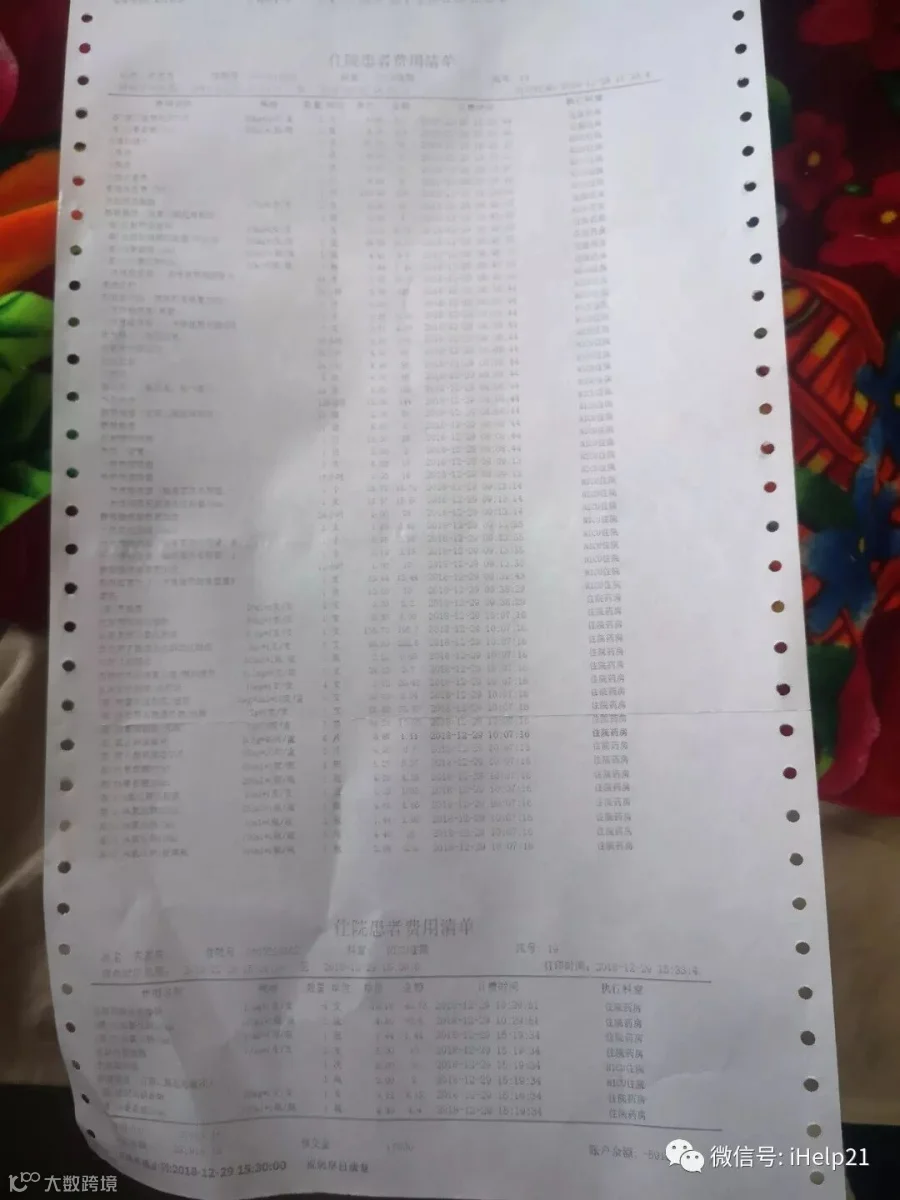
Another thing I want to talk about is making a hospital appointment in China. We don’t book a set time in advance like many countries in the West. Booking an appointment just guarantees you a morning or afternoon slot.
I am not sure if you have ever been to a state-owned public hospital or not, if yes, then you should definitely know that people wait around in the hospital’s waiting room for hours before receiving any diagnosis or treatment. If you’ve gone to the international-wing of a hospital or an international hospital or private clinic, then you obviously won't experience any of these issues. Oh, how the regular locals here would envy you…
A few weeks ago, I asked a friend to schedule an appointment for me in one of Beijing’s top 10 state-owned hospitals. A few days after, I woke up at 6:30 am, faced the morning rush hour to finally register my attendance at 8:00 am. Then I sat down in the waiting room with a hundred or so other people and waited nearly 4 hours to see a doctor...
If you think this is ridiculous, then I will explain to you from the beginning about why I asked my friend to schedule an appointment for me.
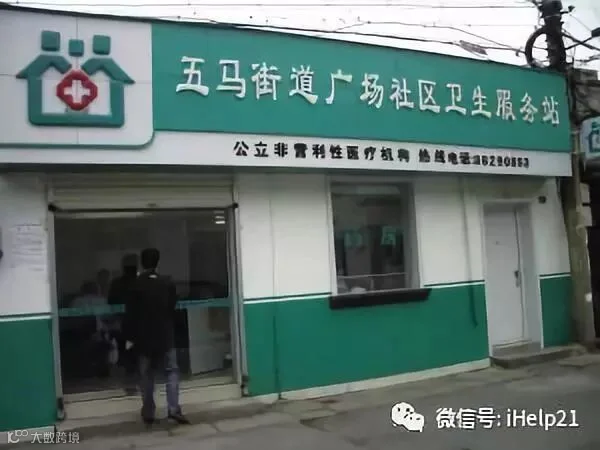
Basically, Chinese hospitals are divided up depending on their quality of care and location. First, there are township hospitals and community clinics. Township hospitals are located in the countryside whilst community clinics may be based in your local residential neighbourhood. The nearest clinic to me in my hometown is on the ground floor of our building in someone’s home. Those living in the local area should visit these places for small medical issues such as dealing with a cough, fever or a manageable injury. These hospitals and clinics have some medicines (mostly TCM), needles and offer IVs, plus other simple medial resources. However, they don't offer more advanced medical testing such as ultrasounds, CT scans or X-rays.
Next, there’s the county hospital, these hospitals contain patients from all walks of life – peasants from the countryside to relatively wealthy city dwellers. Originally those with serious conditions who lived in poverty would go to these hospitals. However, now China is becoming more developed, most of these people were lifted out of poverty by their children attending university or selling their homes/ land. So, their quality of life has greatly increased, yet they still choose to visit these county hospitals since they are in the local area. The quality of care in county hospitals has vastly increased over time (although it doesn’t come anywhere close to city hospitals). As China’s population increased, these hospitals are now a lot busier and many are stretched beyond capacity.
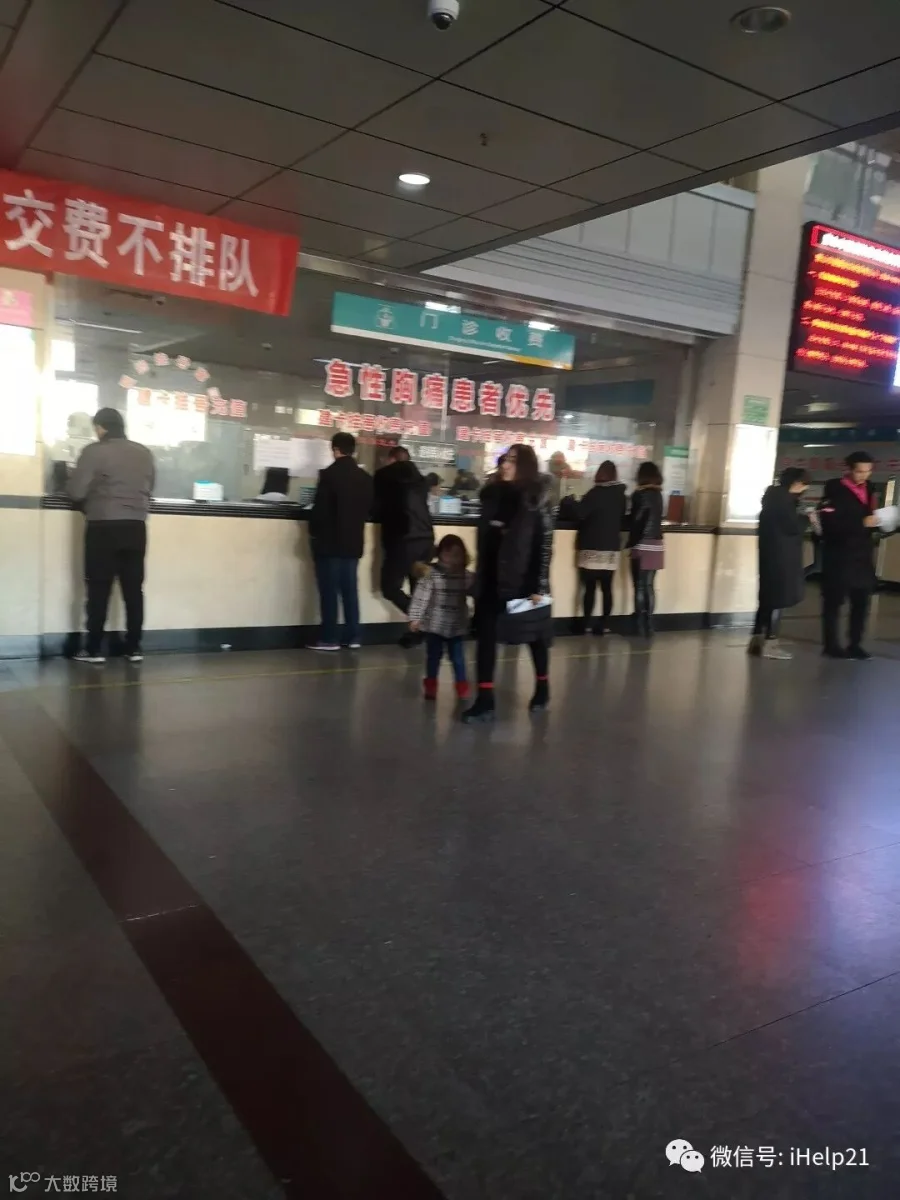
Next, there are city hospitals, normally these hospitals are the best ones in the entire province. They’re typically located in the richest cities of the province. For example, my grandpa was transferred from our local county’s hospital to Tangshan City hospital (although Tangshan is not the official capital of Hebei province, it’s considered wealthier than our official capital - Shijiazhuang). Those who are well-off from the nearby counties or even those from the countryside will go to city hospitals for their superior quality of medical care and ‘modern facilities’.
However, these city hospitals are in a somewhat awkward position because they’re completely eclipsed by our top national hospitals – located in tier 1 and most tier 2 cities. These top hospitals are mainly concentrated in Beijing, Shanghai, Shenzhen, Guangzhou, Chengdu, Harbin, Tianjin etc. In fact, some cities are such as Tianjin, Shanghai and Guangzhou are particularly revered for their world-class hospitals and medical treatments. If you know your Chinese geography, then you should realise that this creates a problem. Many people choose to directly bypass county hospitals in favour of our top hospitals. For example, many people in my hometown would choose to drive to Beijing or Tianjin, rather than Tangshan, for medical care because they consider the hospitals in these cities to be superior – and it’s a similar travel time!
Therefore, our national top hospitals suffer from severe overcrowding and unnecessary patients who could easily go elsewhere. No matter the level of investment or upgrades to their size, compared with our population, these hospitals will always be too small…
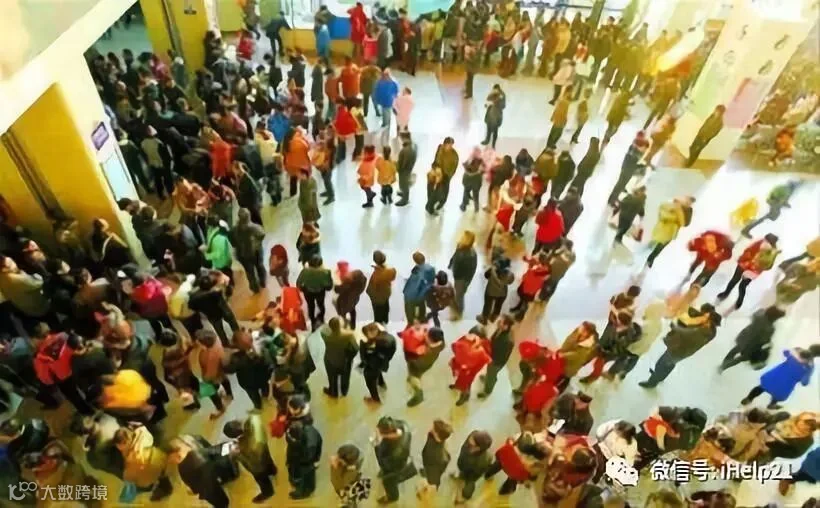
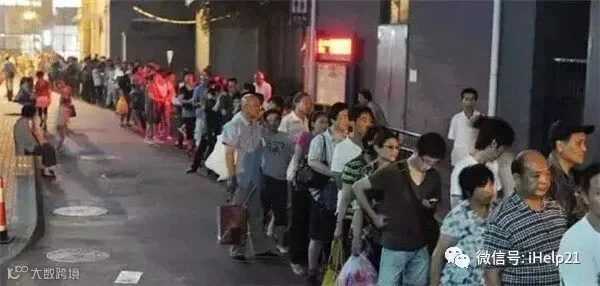
I can easily find pictures from the internet showing people waiting outside in long queues trying to schedule an appointment or waiting to see a doctor. In addition, there’s a humongous pay gap between top national hospitals, city hospitals and smaller local community hospitals, therefore it’s almost impossible for small hospitals with an equally small budget to attract elite highly-educated doctors and nurses, who attended a 重点大学 (重点zhòngdian大学 dàxué elite university). Those working in the best hospitals also have access to China’s top medical resources, guaranteed job security, well-off patients and a desirable working environment.
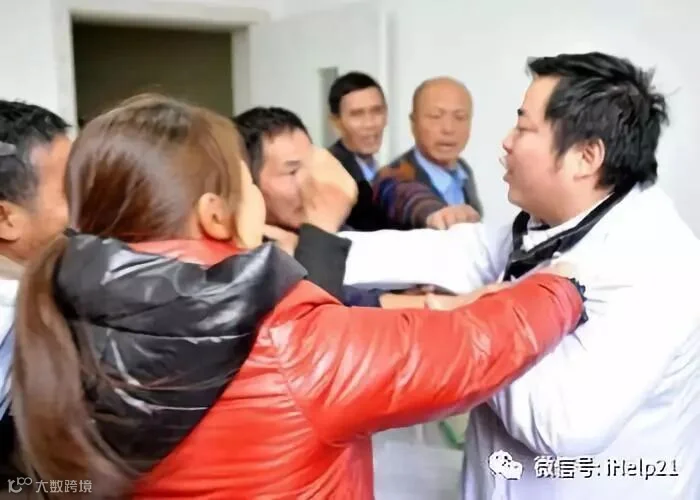
Unfortunately, many county hospitals, community clinics and township hospitals face a serious skills shortage. These hospitals are simply unable to offer their medical practitioners the best opportunities for practising medicine. If they’re presented with any serious or chronic illnesses, then these hospitals will generally refuse to treat the patient. The doctors in these hospitals don’t want to take on any serious responsibilities or risk facing any consequences for potentially failing to cure a patient (such as being threatened or physically assaulted by the patient’s family). This may sound a little dramatic, but it’s the genuine day-to-day risk that these doctors and other medical staff members face. Hence the reason why these hospitals hire security staff. Considering their lower salary and lack of specialized resources, it’s a lot easier and far safer for them to deal with only mundane curable illnesses or non-life-threatening injuries.
The question is though. Where should those with serious diseases or life-threatening injuries go?
They mostly all end trying to go to the country’s top national hospitals.
The problem is that everyone tries to access these hospital’s limited resources for unnecessary medical issues. Such as when their child has a runny nose, a low-grade fever or an easily treatable illness. I’ll use my friend as an example to explain this silly, yet a serious problem. One of my Chinese colleague’s accidentally cut her lip after tripping over a bicycle on the way to work. In a panicked state, she called in sick to work and rushed to the nearest A&E department in one of Beijing’s top hospitals for an emergency appointment… Two hours later, she finally made it to the front of the queue to see an attending nurse. However, by this point, all that was left of her cut was some dried-out blood. Then the nurse (probably feeling tired and frustrated inside) just gave her some medicine and helped to clean the wound.
But what about all the other patients behind her in the queue really have a life-threatening emergency?
They’ll just have to wait for dried blood to be all cleaned up...
My point is that this is a serious waste of vital resources, those with serious problems shouldn’t have to wait for two hours or more to visit an A&E doctor or nurse. Those with mundane problems should visit a clinic in their local community, go to a county hospital or deal with their problems at home.
Here is a picture of a famous hospital in Beijing, the time is four o’clock in the morning and there are more than 1,000 people waiting to receive an appointment time. In contrast, at four o’clock in the Mayo Clinic, America, there’s no one there. No one is waiting as all the patients are with their doctors, travelled to a local hospital or decided they didn’t feel ill enough to travel to the hospital before sunrise out of working hours.
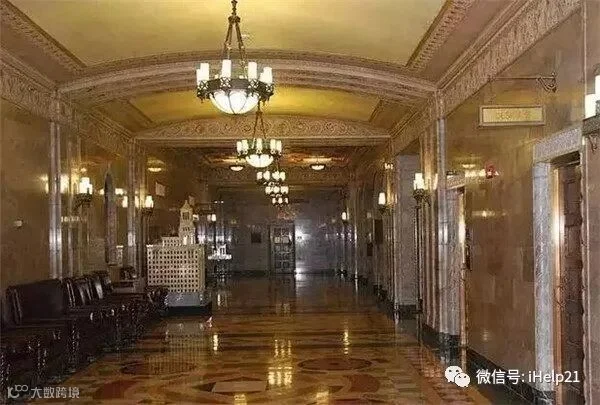
Someone said that is because unlike China, America has a developed primary care system, whereby patients initially meet with a medical professional such a nurse in a smaller local clinic before being referred to a specialist. That’s why there are not busy. Let’s briefly compare some statistics. On average, the Peking Union Medical College Hospital will receive about 2,260,000 patients during the year, with a total 4,000 of hospital workers (including doctors, administrative staff and cleaners). Meanwhile, the Mayo clinic receives around 1,160,000 patients a year, half of the amount of a Chinese hospital yet there’s 61,100 hospital workers, including 4,500 doctors and scientists. This amount is fifteen times higher than in the Beijing hospital.
But let’s not forget, a greater number of patients equals a higher profit for China’s top hospitals. People here generally accept long waiting times as the norm, unless they’ve experienced an international hospital or private clinic.
Top national hospitals may have more patients, but doctors may waste their expertise in treating a runny nose;
Top national hospitals may have the most patients, but many doctors are overworked;
Chinese hospitals may have the most patients, but doctors and nurses often miss their break times;
County hospitals may have fewer patients, but hospital staff risk anger from the patient’s family.
This explains why every time you need to go hospital that it’s so hard to get an appointment slot. It explains why the doctors and nurses may have a bad attitude and why everyone always rushes to the hospital. Why every time we must pay in advance and why I need my friend to book for me. Where there’s an opportunity in China - a business develops.
Behind the Chinese hospital system, there are so many financial interests, I will talk about this in our next article.
PS: Many of the photographs are from my local hospital.
Please subscribe to our official account for more Real-Life Stories in China!
Follow our account!