



注:本文图片均来源源瞭望智库(zhczyj)-王弃惑。仅供文化传播使用,非盈利。
“Chinese people all look the same.” Perhaps you’ve heard someone, who is most likely not Asian, say this before. In fact, this assumption is wrong. The Chinese population is quite diverse.
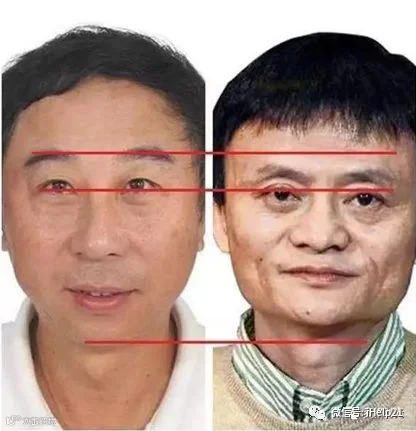
Photo | Copied from internet
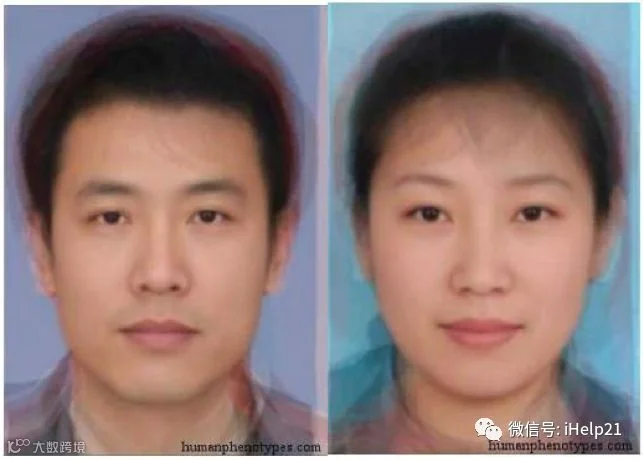
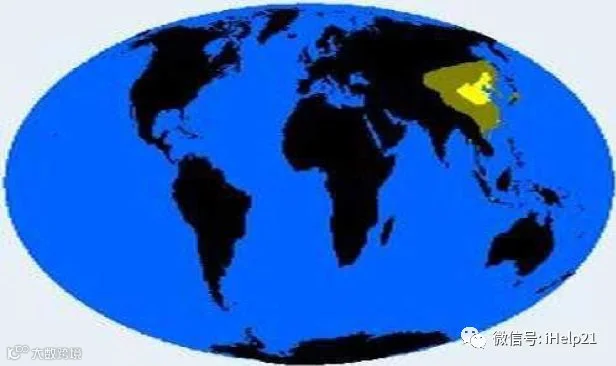
In this article I will attempt to summarise the basic phenotypes in China. All of the photos and maps are borrowed from the Human Phenotypes website which explains the distribution and anthropological types of people from around the year 1500, before the processes of colonisation and globalisation.
See this website for more: http://humanphenotypes.net/
(you can even find your own anthropological type!)
Phenotype = Your observable traits - including your physical appearance. These result from interactions between your genes and the environment.
|
All of the computer amalgamated faces in this article are of those whose ancestors originated in China and its surrounding regions. I must stress that this isn’t a complete list of all the phenotypes from this region. Rather this list briefly introduces the most numerous groups of Chinese people. Of course, due to colonisation and globalisation, the Chinese people are now spread across the world. |
Those from the North of China normally have a square-shaped face that is somewhat flat. While ‘Southerners’ have shorter faces, with larger defined facial features. Scientific research found that the average length of a ‘Northerners’ face is around 15.5cm, whereas ‘Southerners’ rarely reach this length.
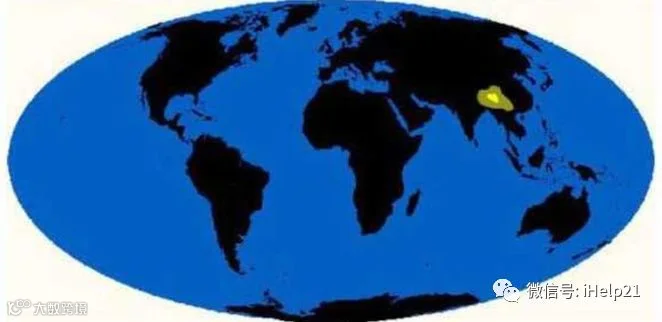
1. The Sinid group, dominant in East Asia, began in China and expanded south into various parts of South East Asia. These people are thin with short arms and legs. Single eyelids are incredibly common along with a nose that isn’t too wide and scant body hair.

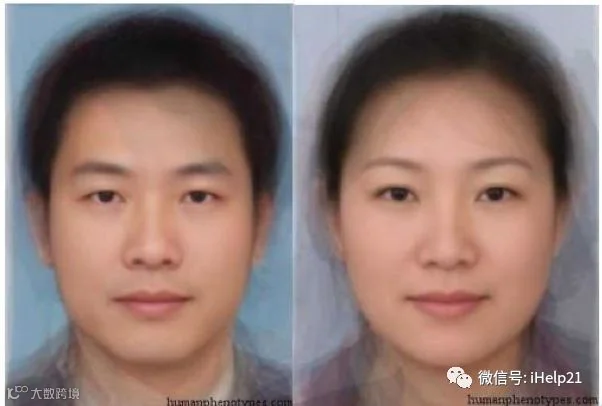
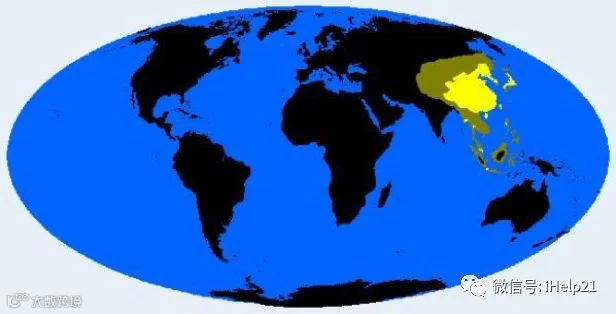
2.The Huanghoid people, named after the Yellow (Huang) river in Northern China were originally farmers. This group spread across Northern China, The Koreas, Mongolia and Japan.

3.Changkiangid
Named after the River Yangtze in Central China. Today the most populous human variety in the world. Most likely to be found in the provinces of Jiangsu, Zhejiang, Anhui, Jiangxi, Hubei, Hunan, Sichuan, Guizhou and Yunnan. Ancient colonialization and trade spread this group of people across South-East Asia.

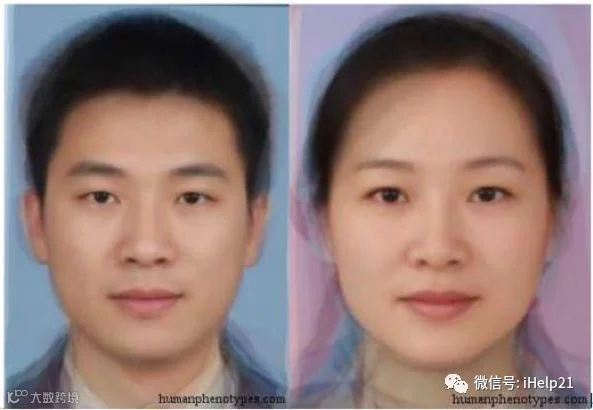
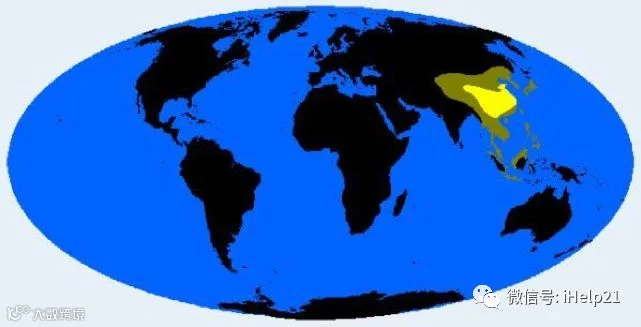
4. Chukuangid
Developed in fishing and gathering populations. Today typical for Guangdong, Guangxi, Fujian, Yunnan, and some parts of east-south Asian. Their faces are described in the original source as 田-shaped, relatively wide and flat.

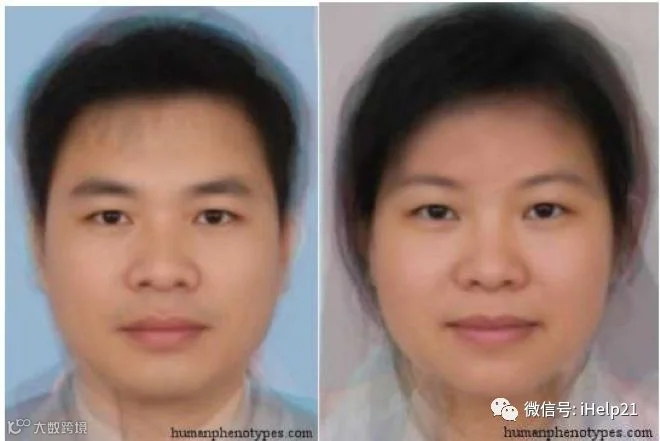
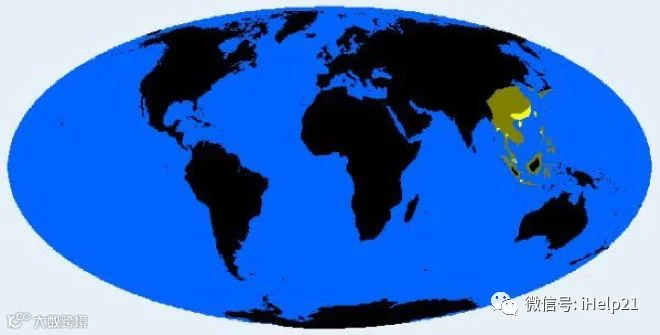
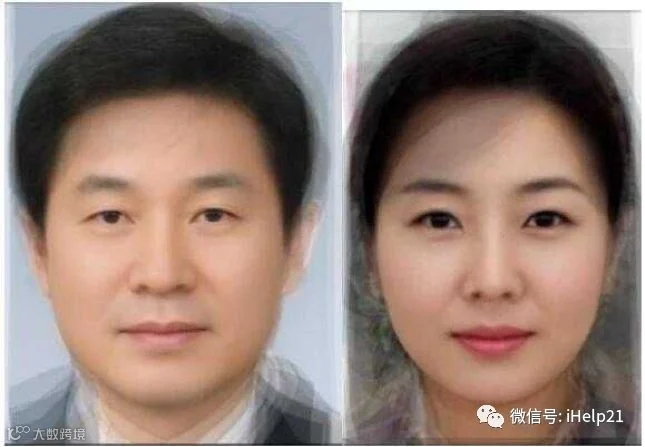
5. Manchu-Korean
This kind of people originated from north-east China as well as Central and North Korea. Their coarse hair is typically straight, or sometimes wavy.

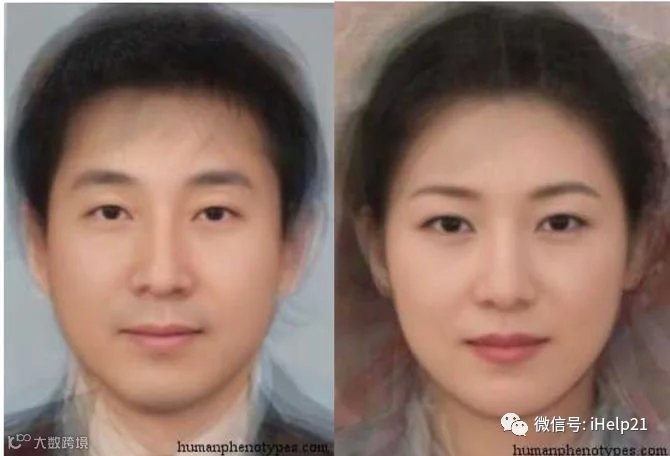
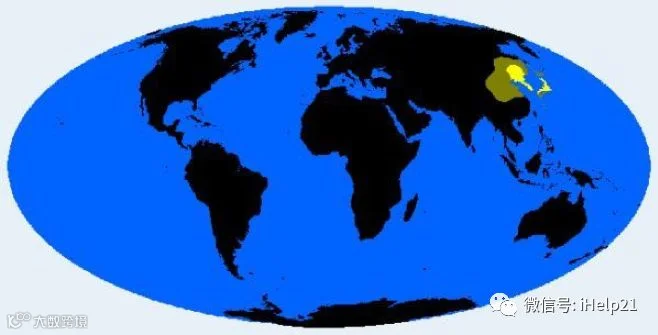
6. Chosonid
The features are they have middle-figure; broad face; broad nose; thick lip, dark skin.

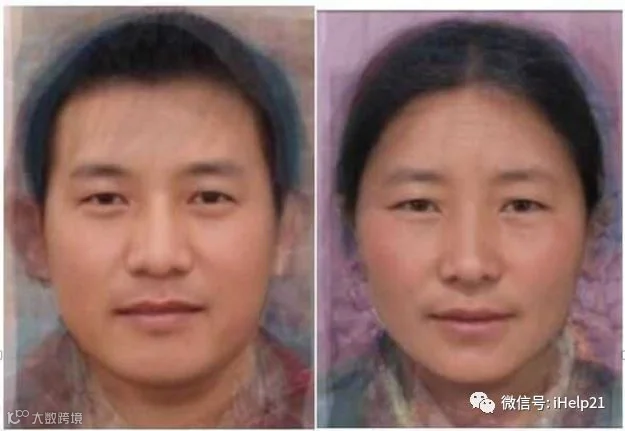
7. Qiangid
The Qiang ethnic minority; these people are live mainly in the mountainous regions of Sichuan and the Tibetan Plateau.


Follow our account
read more stories!


Wechat ID : iHelp21