


The "Smelly Car" Dilemma: A Glimpse into the Reality of Ride-Hailing Drivers in China
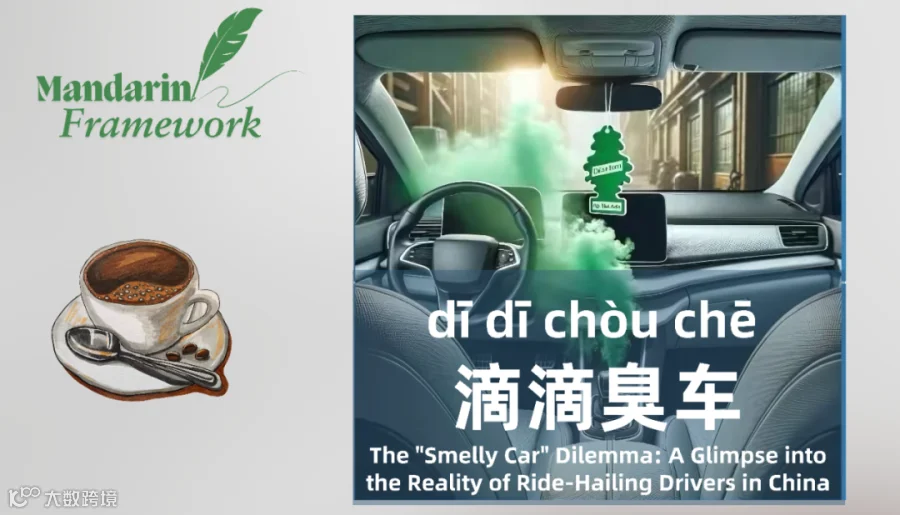
During my recent trip home for the Lunar New Year, I had dinner with my family and caught up with my cousin. I found out that he had spent most of last year working as a Didi ride-hailing driver. However, he quit after just five months because he received too many customer complaints about his car having an unpleasant smell. As a result, Didi's algorithm reduced by assigning him orders, his income plummeted, and eventually, he was making almost nothing.
I asked him, "Why didn’t you just clean your car?"
His response shocked me: "I really didn’t have the time."
Curious, I pressed further, and he explained.
At the beginning of last year, he took out a loan to buy an electric vehicle (EV) for 140,000 RMB. However, due to the low resale value of EVs and a downturn in the market, the price of the same model dropped by 50,000 RMB within a year. Desperate to make up for the loss, he had to work around the clock, taking every order, he could. But that wasn’t the main reason for the lingering smell in his car.

Many passengers contributed to the issue as well. Some treated his car as if it were their own living room—taking off their shoes, farting, even smoking. In winter, keeping the windows open wasn’t an option, and using the air conditioning in circulation mode consumed too much power, making it difficult to air out the car properly. He couldn’t afford to stop and clean after every trip because a new order would come in immediately. Over time, the odour simply built up.
This problem isn't unique to my cousin—it’s an issue faced by ride-hailing drivers across China. In fact, last year, the topic of "smelly Didi cars" even trended on Weibo.

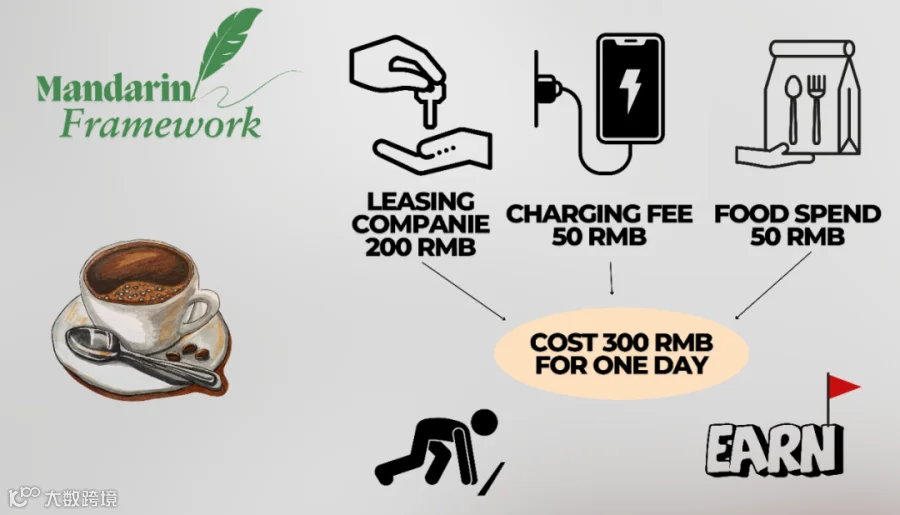
Take Beijing as an example. Most ride-hailing vehicles there are electric because fuel-powered cars are no longer cost-effective. Many drivers rent their cars from leasing companies at an average rate of 200 RMB per day. Adding in charging fees, meals, and water, the daily fixed costs amount to around 300 RMB. A driver typically earns 40-50 RMB per hour, meaning they have to work at least six hours just to break even—only after that do they start making a profit.
Given the high cost of living in Beijing, many drivers can’t afford to rent an apartment, so they sleep in their cars instead. In summer, this is manageable, but in winter, it becomes a real struggle. Without proper access to showers and laundry facilities, combined with the odours left by passengers, the smell in the car becomes almost impossible to eliminate.
Some passengers also complain that drivers don’t turn on the air conditioning in extreme weather. However, anyone who owns an EV knows that winter significantly reduces battery life, and daytime charging is expensive. Many drivers simply can’t afford to use the heater.
Getting into a ride-hailing car is like stepping into the driver’s personal living space. This isn’t just a metaphor—it’s reality.
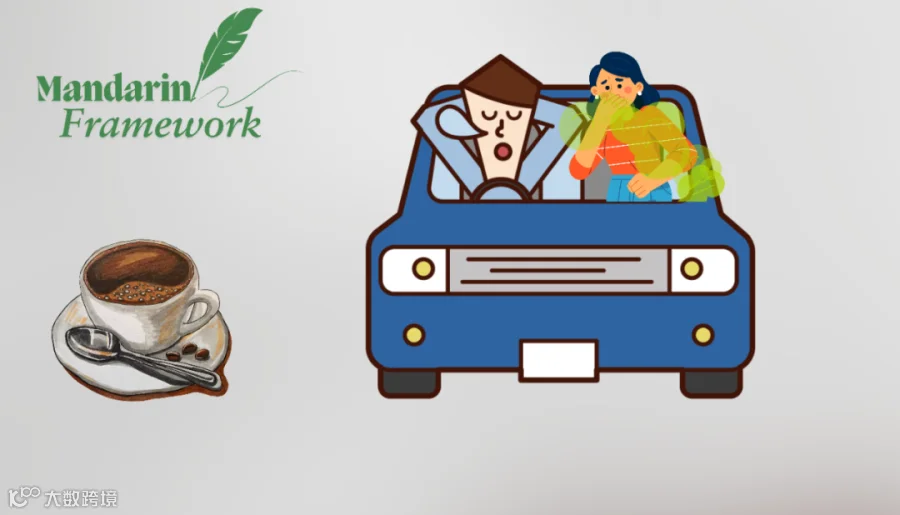
Due to economic and societal factors, the ride-hailing industry in China is oversaturated. To make a living, drivers must stay on the road constantly, working long hours just to scrape together a few thousand yuan a month. In these circumstances, taking a shower is the least of their concerns. Far bigger issues include chronic fatigue, irregular sleep schedules, prolonged sitting, musculoskeletal problems, and digestive issues.
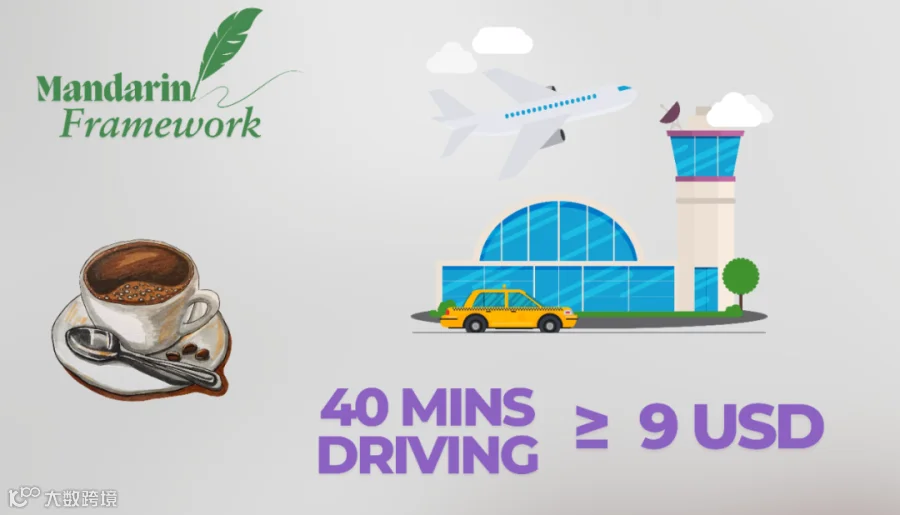
One time, I took a Didi from Beijing Capital Airport to the city centre. The driver was so exhausted that he nearly fell asleep at the wheel on the highway. I asked him to pull over, and he took out a thermos from the boot, splashed water on his face, and only then continued driving. When I paid for the ride, I realized that for a 26-kilometer journey, I just paid 56 RMB—less than $9 USD; the platform takes about 20%, so you can calculate how much profit is left for him during this 40 minutes of working.
I’ve taken ride-hailing services in many countries. In developed nations, they are expensive—Singapore, for instance, can easily cost 15-20 SGD for a short 10-minute trip. In London, a ride from Heathrow Airport to the city costs £70-80. Even in developing countries like Peru, Mexico, and Turkey, taxis aren’t cheap.
Considering vehicle models, maintenance, efficiency, comfort, and safety, China offers the best value-for-money ride-hailing services in the world—except for the winter odours.
The "smelly car" issue is a reflection of the fatigue that permeates all levels of Chinese society. Exhausted drivers transport exhausted passengers, all enduring the scent of exhaustion itself.