


I order takeaway because I don’t want to cook. What I didn’t expect is that restaurants don’t want to cook either—so they serve me pre-cooked meals instead.
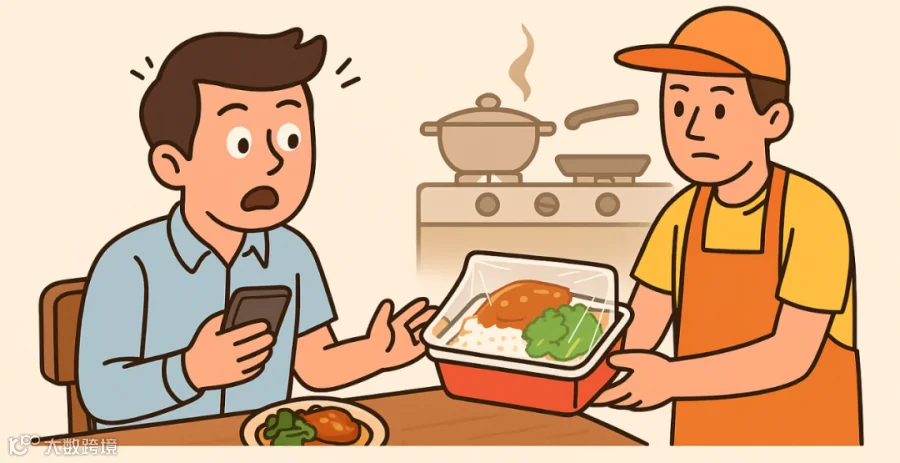
Recently, this topic has gone viral again. A famous stand-up comedian exposed that the well-known brand Xibei Youmian also uses pre-cooked dishes. Many of you in China have probably tried this restaurant. So, what exactly are pre-cooked meals? And why are they so heavily criticised in China?
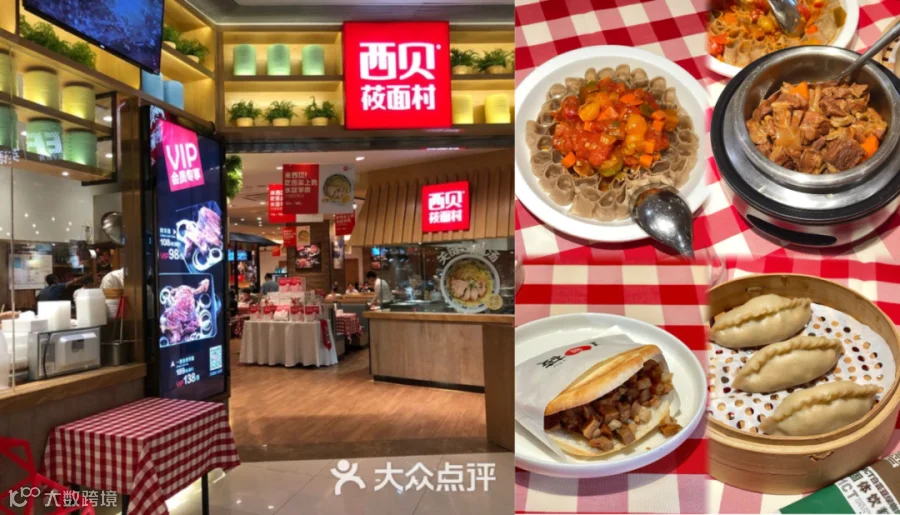
We don’t need to get into the official definition. For most ordinary people, the idea is simple: if it isn’t freshly cooked with raw ingredients, it’s considered pre-cooked. This trend first started in the United States before spreading to Asia. I’ve been to Japan, where pre-cooked meals are everywhere in supermarkets and restaurants, fully integrated into daily life. But in China, if you search online, all you will see are negative comments—without exception. Why are Chinese people so opposed to pre-cooked meals?
There are two main reasons.
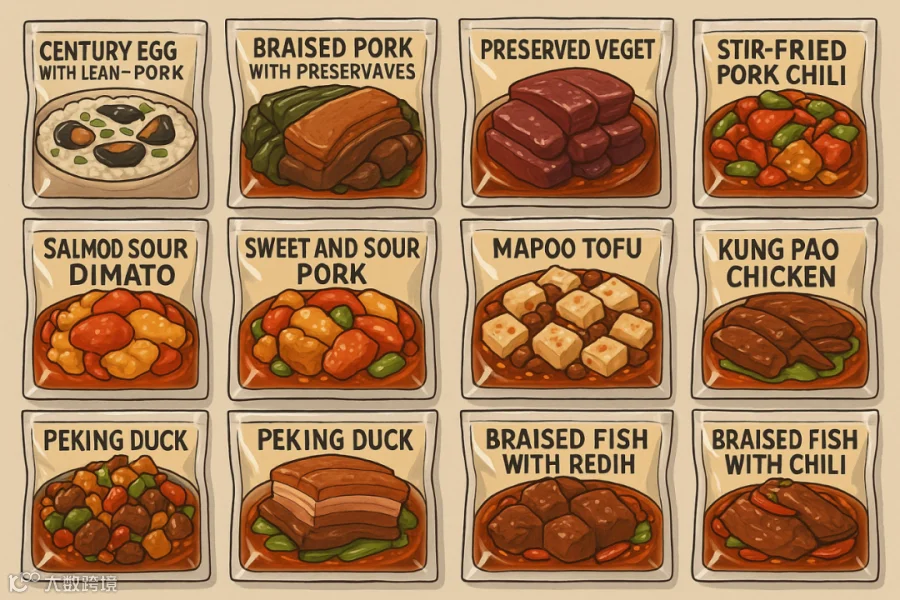
Firstly, almost every dish can be pre-made: from rice, porridge, and fried dough sticks, to stir-fries and soups. You can buy them all online. In restaurants, dishes that normally take an hour, like braised pork with preserved vegetables, can now be served in ten minutes. This greatly increases table turnover during peak hours.
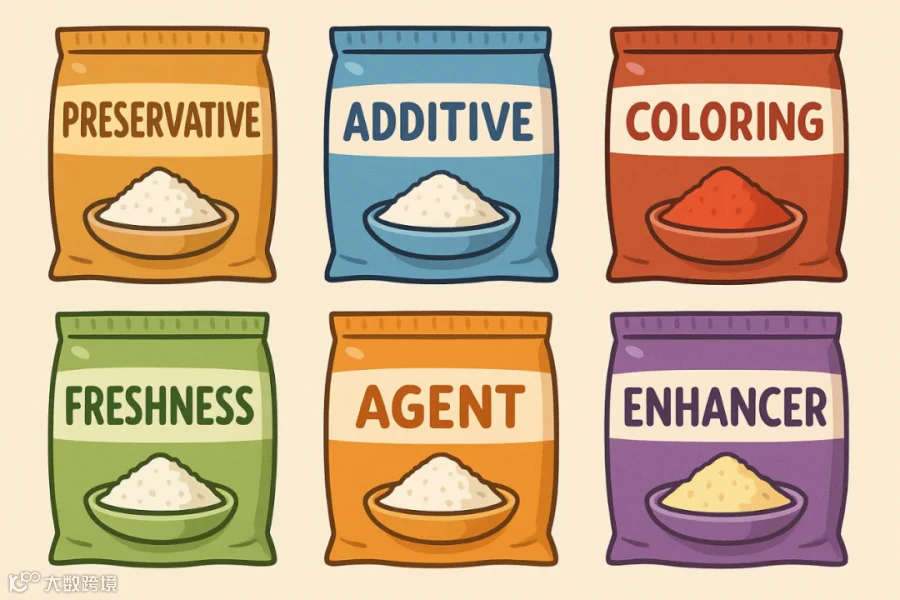
But Chinese food culture has always been a source of pride. The ten major cooking methods—deep-frying, stir-frying, quick-frying, exploding, steaming, stewing, braising, simmering, roasting, and pan-frying—all carry the essence of fire and smoke. No pair of scissors or microwave can replace that. Moreover, pre-cooked meals are not only less fresh and less nutritious, but they also contain large amounts of preservatives, water retainers, flavour enhancers, colouring agents, and other additives. Take Xibei, for example: one pound of grilled fish comes with two pounds of additives—the list alone takes minutes to read. Its shelf life? A year and a half. Imagine a fish sitting that long before being served. Even everyday dishes like stir-fried pork with peppers, hot pot meats, or barbecue are often made from “zombie meat”—frozen for 30 or even 40 years before being sold. That’s the first reason: pre-cooked food is unhealthy, and its taste is far worse than meals made from fresh ingredients.
The second reason is cost. Pre-cooked meals slash expenses in preparation and transport. Restaurants no longer need to hire chefs or invest hundreds of thousands in gas, ventilation, and kitchen equipment. All they need is to plate the food nicely, heat it up, and serve it. This means the average cost of a dish can be under 10 RMB, yet big restaurants like Xibei charge 70, 80, or even over 100 RMB. Unlike in Japan or South Korea, where pre-cooked food is sold at pre-cooked prices—without excessive preservatives or long shelf lives—Chinese consumers feel cheated. They are paying the price of freshly cooked meals but getting food they could easily buy online themselves. As one viral comment puts it: “I can eat pre-cooked meals, but you have to tell me. I should have the right to choose whether I eat them or not.
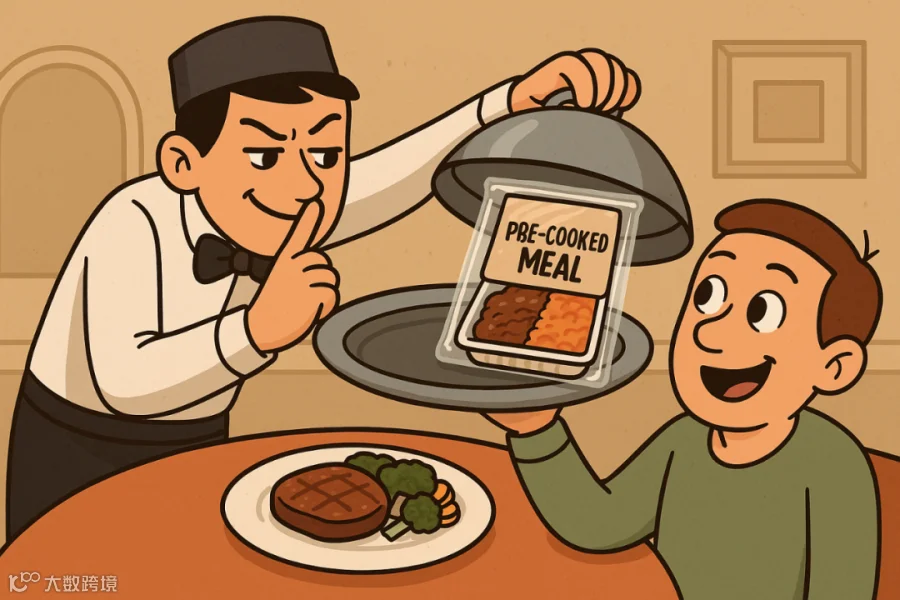
Some restaurant owners argue that live cooking makes customers unwilling to wait. But personally, if it makes me feel safer about what I eat, I wouldn’t mind waiting 30 or 40 minutes longer. After all, nobody eats out every day. And for takeaway, the customer could simply order food a little earlier so the delivery still arrives on time. And if some people don’t want to wait, they can always choose another restaurant—which might even help small eateries thrive and keep the economy lively.
So, what’s your attitude toward pre-cooked food? Have you ever had an unpleasant dining experience with it in China? Leave a comment below—I’d love to hear your thoughts. See you next time!