成都·喜玛拉雅文化及宗教研究中心
中国建筑西南设计研究院,郑勇工作室
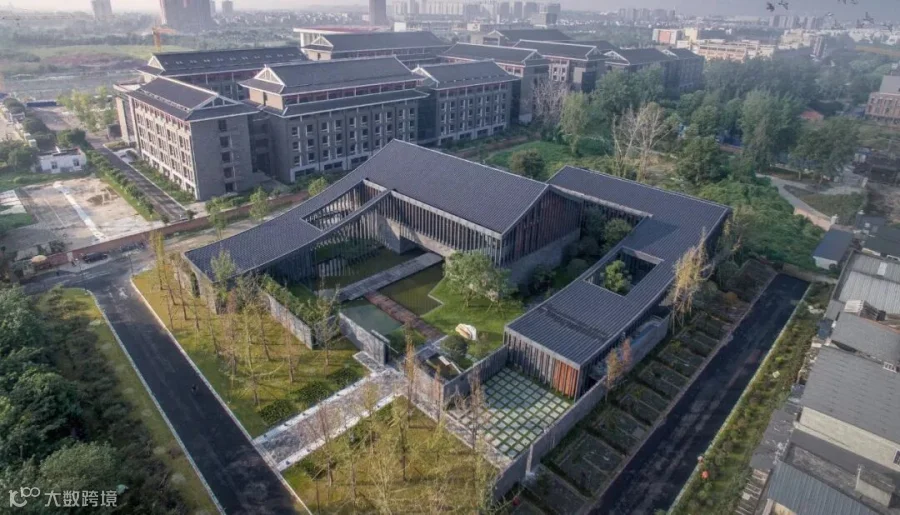
喜玛拉雅文化及宗教研究中心位于四川大学内,专门研究喜玛拉雅带国家的文化和宗教,并展览其艺术品的四川大学喜马拉雅文化及宗教研究中心,该建筑以传统中国院落为灵感,创造了一个包含自然元素的现代建筑空间,将佛教精神与自然环境完美融合。
Located in Sichuan University, Himalayan Culture and Religion Research Center specializes in the research on Trans-Himalayan region countries’ culture and religion, and also displaying their artworks. Inspired by Chinese traditional gardens, this building creates a modern architectural space with natural aspects inside, so as to combine Buddhism spirits with physical environment perfectly.
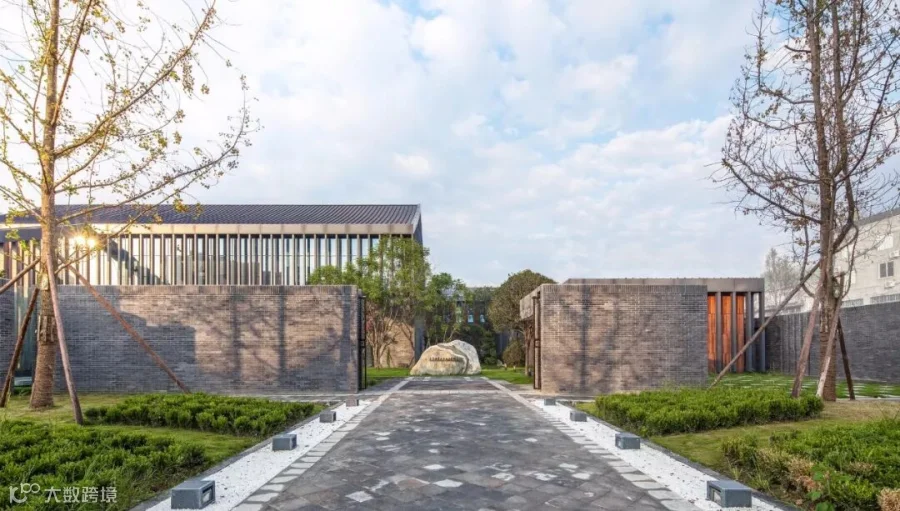
研究中心由博物馆、研究中心和综合楼三部分组成。
目前,博物馆和研究中心已落成,是四川大学专门研究南亚泛喜马拉雅带国家的文化及宗教,并对其艺术品进行展示的场所。
The Research center consists of three different parts which are museum, research center and affiliated building. So far, the construction of museum and research center have been completed, they are the places for those who are specialized in Himalayan Culture and Religion Research and their artwork exhibitions.
解题
有趣的题材、特殊的位置和不高的容积率为项目的设计提供了较好的条件,但也带来了挑战。
设计之初,提出了如何“适应校园环境,体现主题,创造丰富的空间,提升展游观感”等问题。因此,通过多角度的比较和分析,建筑师找到了一个适宜的方法——以“院落”为元素来诠释这个项目。
Interesting themes, special locations and low capacity rate provide opportunity for design of the project, but also bring challenges. Initially, several questions such as “how to fit the campus environment, how to reflect themes and create rich spaces to integrate the exhibition and tour” was put forward. Accordingly, through multiple-angles comparison and analysis, we found a suitable solution--- Interpret the project with the "courtyards" as elements.
造院
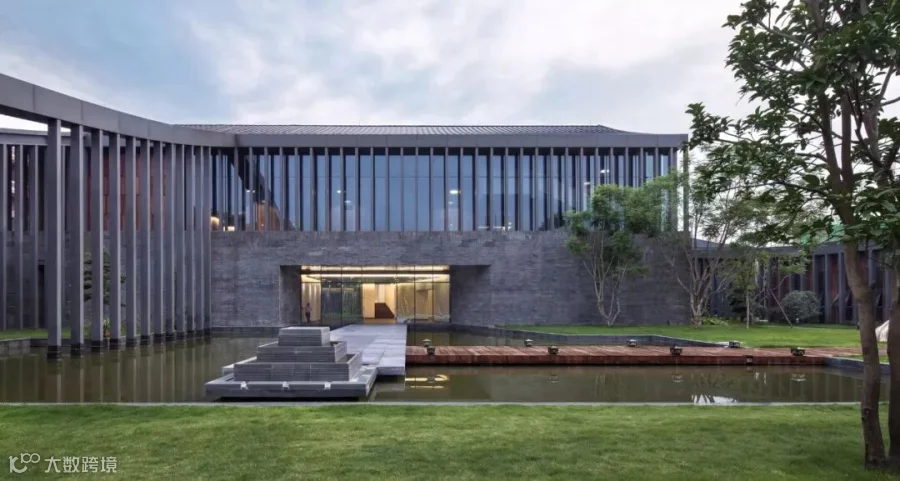
该设计旨在将博物馆和研究中心分别作为单独体量进行组合。两个“L”形体量与各自延伸出的围墙相结合,还围合出了东西两个庭院,中间是两个侧院,共四个院落。
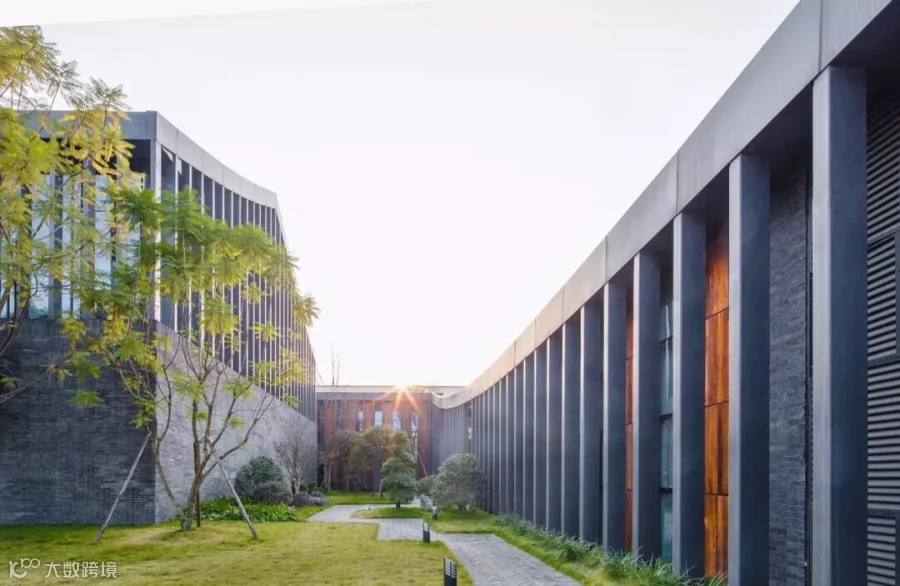
每个庭院都以其独特的空间特点和景观主题脱颖而出,并渗透到室内空间中,在有限的面积内创造出无限的空间感。
The design is intended to combine two independent volumes of museum and research center. Two L-shaped volumes are combined with each extended wall, the extended wall will define east and west courtyards, together with the side yard in the middle, there are four courtyards in total. Though connected, each courtyard stands out with unique spatial features and landscape theme which will penetrate into the interior architectural space in order to create a sense of infinite within limited square meters.
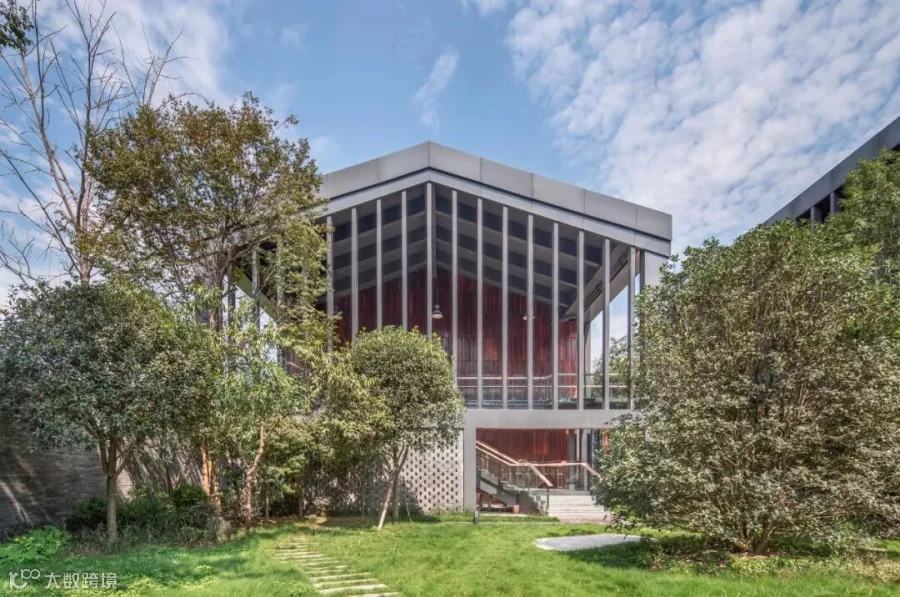
东院是博物馆的入口,而西院不同——曲径通幽,中国古典园林意境的美展现的淋漓尽致,西院自然的“柔”对比呼应东院现代的“刚”,超凡脱俗的禅意和丰富的游人体验空间,使整个建筑社区成为一个值得探索的地方。两个侧院分别为VIP接待书房和多功能报告厅。
The east courtyard is the entrance of the museum and the west courtyard is a different story - winding path leading to a secluded spot, Chinese classical gardens ---beauty of artistic conception is show incisively and vividly here, in a natural "soft" contrast echo the eastern hospital modern "just", rich rhythm Zen and visitors experience of the space, make the whole building community a place to be explored. The two side courtyards are the VIP reception study and the multi-functional lecture hall.
塑形
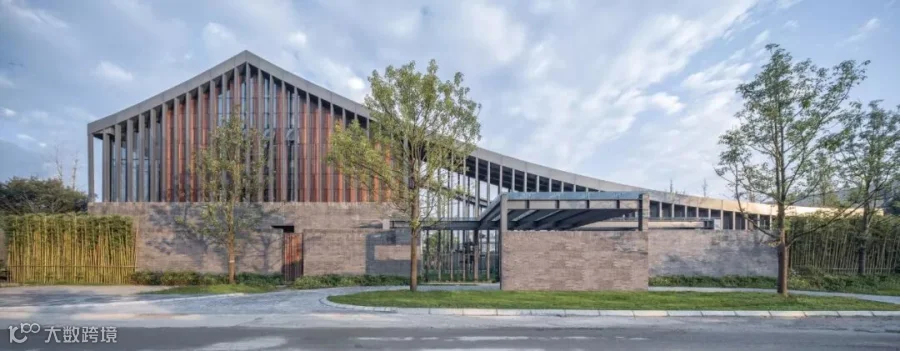
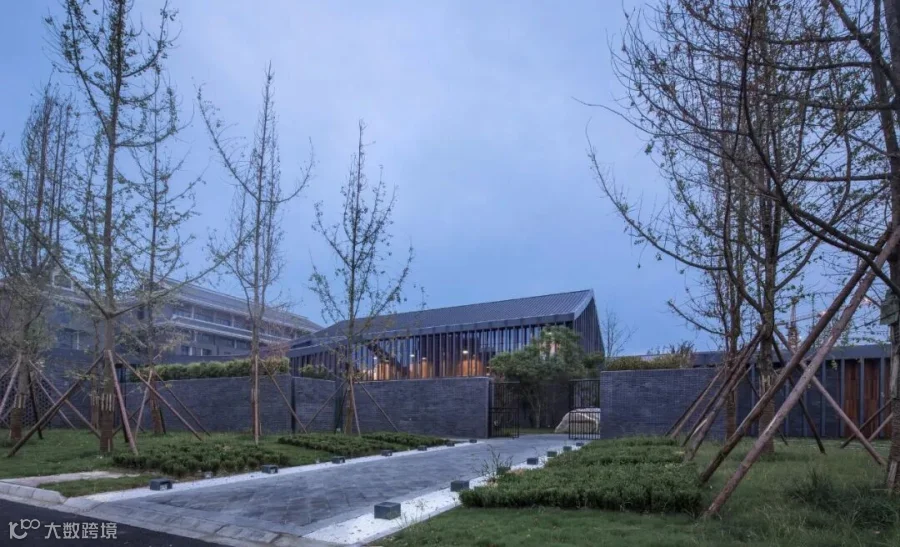
建筑整体造型采用基于现代诠释的传统坡屋顶。四川大学江安校区是中式建筑居多的校区,其起伏的坡屋顶不仅呼应了周边的建筑环境,还以其独特的抽象形态对四川民居的传统坡屋顶文化符号进行了隐喻。
Overall modelling method applied is using traditional slope roof based on the modern interpretation. In the Jiang’an Campus of Sichuan University, where most are Chinese traditional style buildings, the rolling slope roof not only echoes the surrounding architectural environment, but also carries out a metaphor for the traditional roof cultural symbols of Sichuan vernacular dwellings in its unique abstract form.
取意
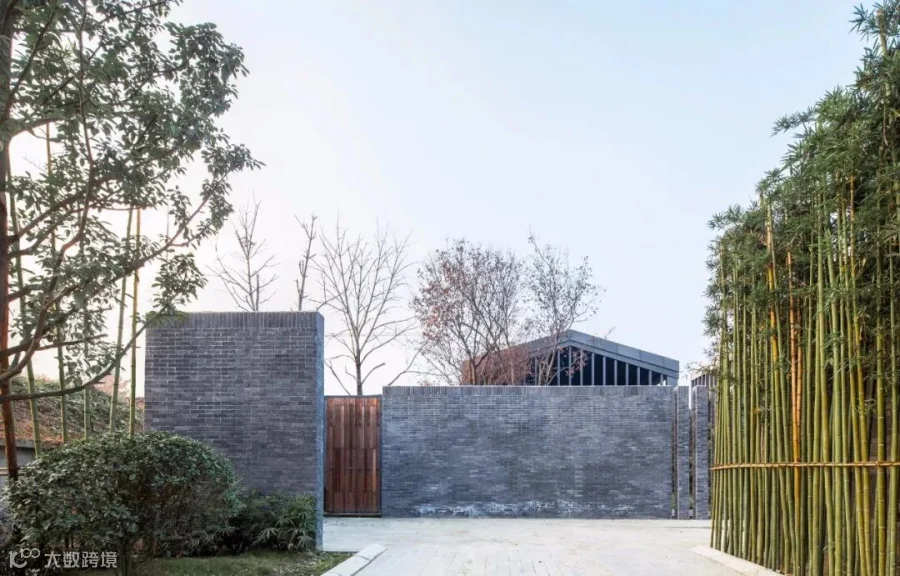
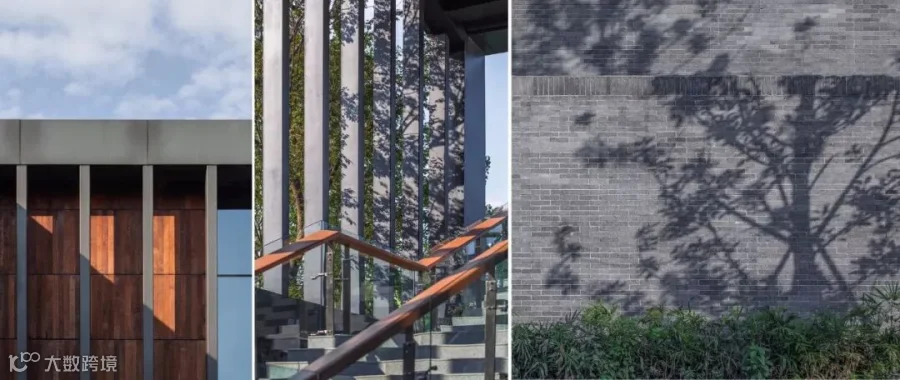
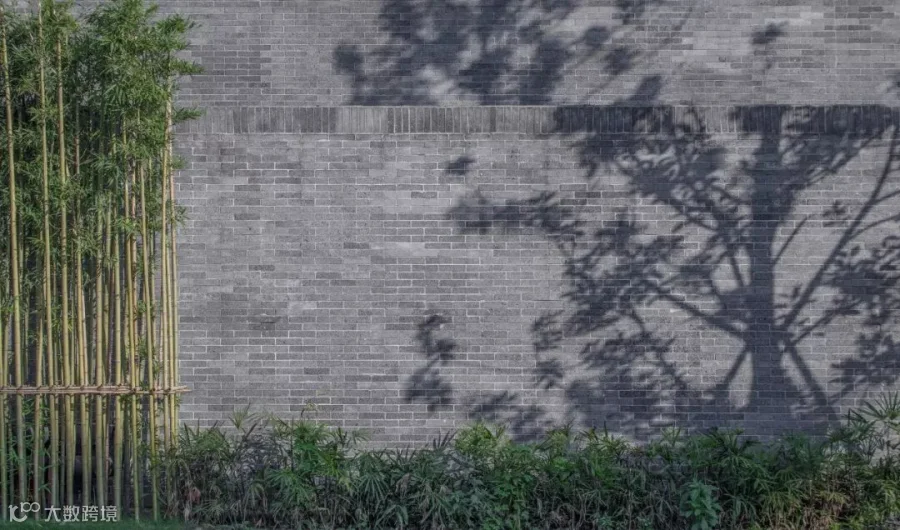
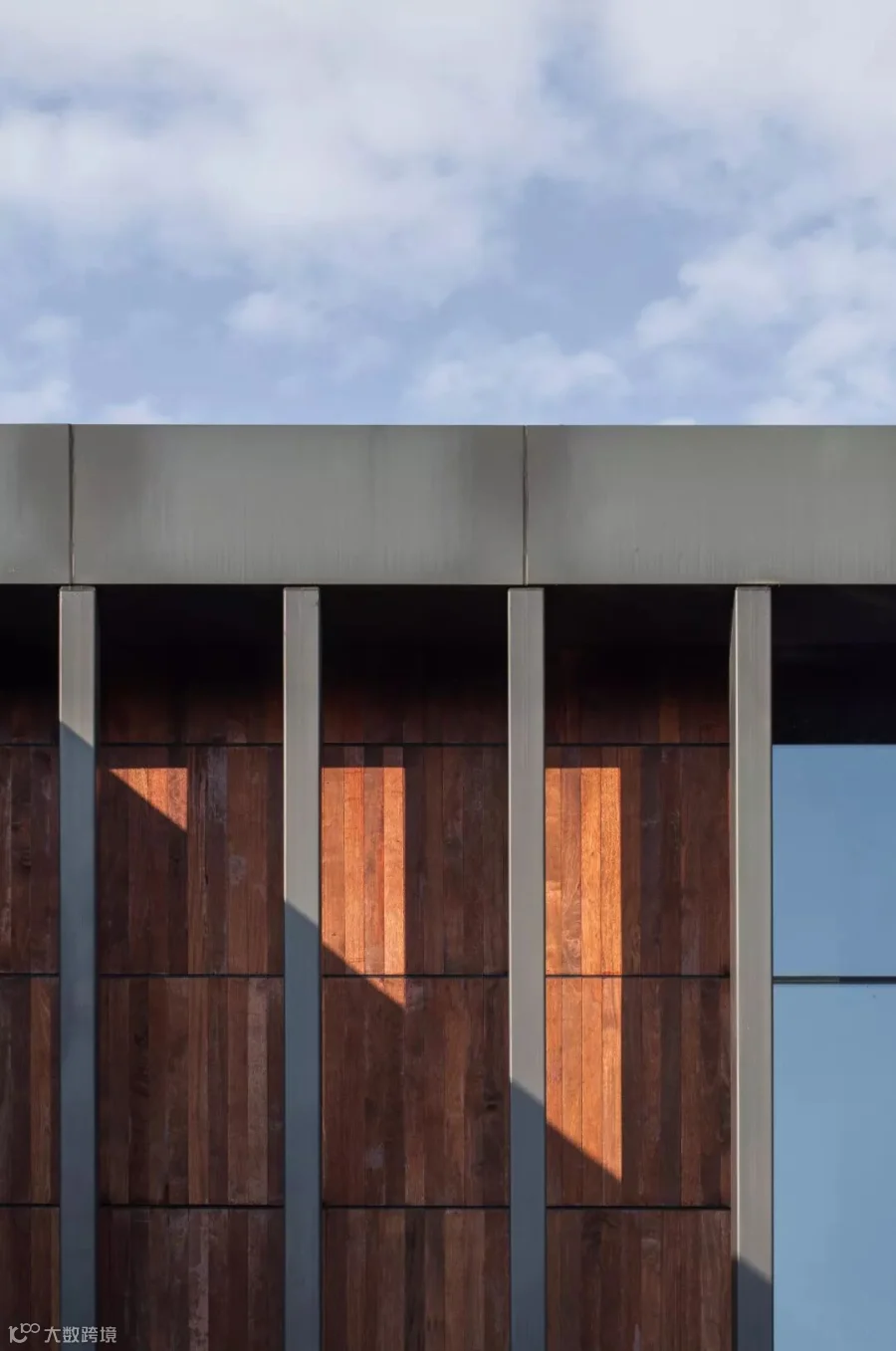
喜马拉雅博物馆和研究中心的材料类型、色彩和质感延续了四川传统民居用材质朴的特点,博物馆的主体形态庄严稳重,立面设计更倾向于古城民居沿街立面虚实相生的构成手法。研究中心面朝景观庭院,每层对采光和通风有更高的要求,借鉴了木格墙的通透性手法。
Material selection for the Himalayan museum and research center are guided by color and texture to maintain the simple sense in the traditional residences of Sichuan The main form of the museum are both solemn and sedate, and the facade design is more inclined to the composition of traditional residential buildings’ street elevation. The research center facing the landscape courtyard, which has higher requirements for lighting and ventilation on each floor, draws on the permeability method of latticed wooden walls.
展览
建筑和庭院之间的交叉空间创造了一个很好的机会来设置一个有趣的观展流线。游园即为观展,也是设计的主旨之一。
The intersecting space between the building and the courtyard creates a good opportunity to set an interesting exhibition and tour line. Since garden is not only the exhibition space but also one of the main themes of the design.
访客在进入博物馆之前要经过一个水庭。
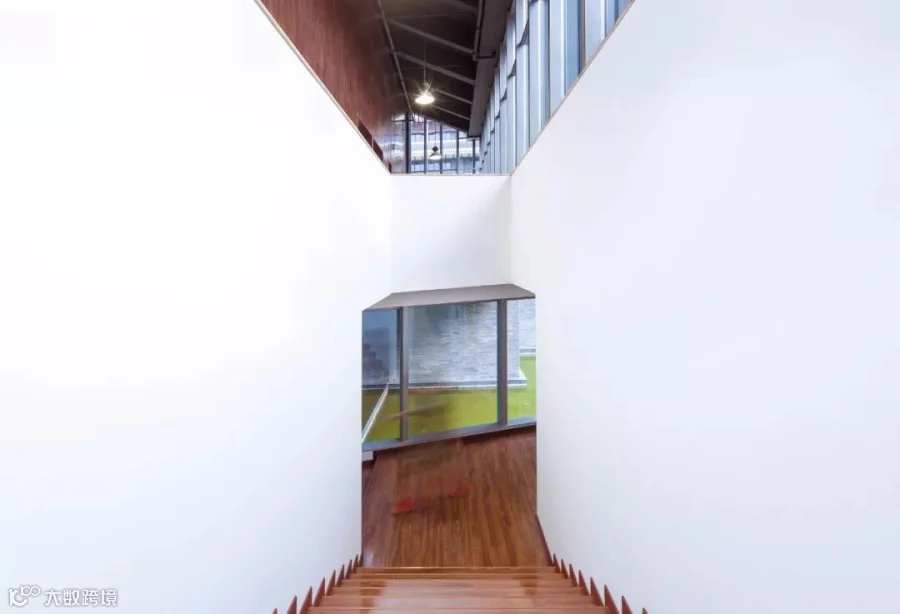
一层的主要功能是临时展区和多媒体展厅,二层和三层可针对不同的主题进行固定。侧庭使所有空间成为一个整体。访客将在“L”形楼梯的引导下到达二楼,然后穿过东北角到达三楼。
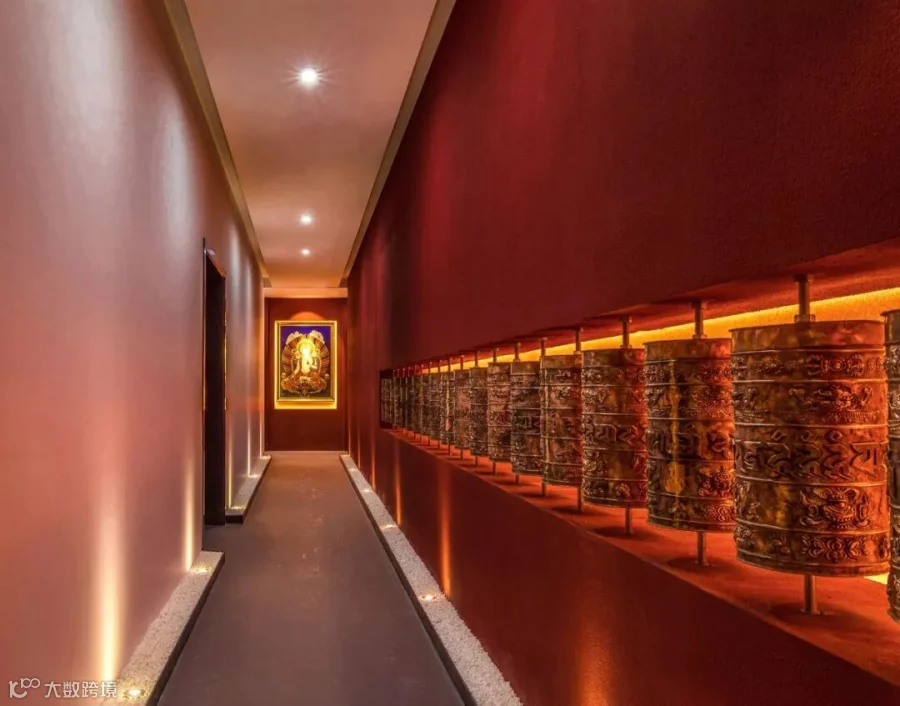
在这里,以转经筒展廊主导的公共空间氛围骤变。在前一次参观中伴随自然而来的轻松明快的感觉,瞬间被一种黑暗而神秘的感官体验所取代。这种对比营造了整个观展序列的高潮。
Visitors go through a water courtyard before entering into the museum. The main functions of the 1st floor are for temporary exhibition and multimedia exhibition hall, second and third floor are fixable for different themes. The void side courtyard make all space a whole. Visitors will be guided by the L-shaped stairs to the second floor, then go through the northeast corner of the stairs to the3rd floor. At where the atmosphere of the public space dominated by the turnstile gallery suddenly changes. The relaxed and lively feeling accompanied by the nature in the previous visit is suddenly replaced by a dark and mysterious sensory experience. This contrast creates the climax of the whole exhibition sequence.
参观结束后,访客返回一楼,可经由室外游园流线离开博物馆。连接研究中心和博物馆的天桥不仅提供了方便的联系,也提供了一个休闲和俯瞰庭院的场所。
After the visitors return to the first floor at the end of the tour, they can leave the museum before crossing another garden. The bridge connecting research center and exhibition hall provides not only convenient contact but also offers a place for leisure and overlooking the courtyard.




 按钮选择发送给朋友或者分享到朋友圈。