



Saudi Arabia's oil price war is backfiring
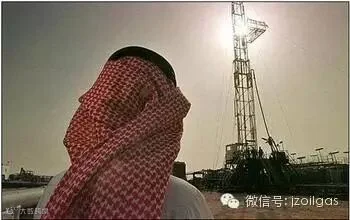
Saudi Arabia has long enjoyed the status of being the top crude-oil exporter in the world. With record production of 10.564 million barrels per day in June 2015, Saudi Arabia has been one of the major driving forces behind the current oil price slump.
沙特阿拉伯长期以来一直享有世界顶级原油出口国的地位。自2015年6月沙特的原油产量创纪录达1056.4万桶/日后,沙特阿拉伯已成为目前油价暴跌背后的主要驱动力之一。
The Saudis have kept their production levels high since last year in order to drive other players (especially US shale drillers) out of business. Equally clear is the fact that this strategy of maintaining the glut and driving out rivals hasn’t worked so far.
为了将其他原油生产商(尤其是美国页岩油生产商)排挤出市场,沙特自去年以来一直保持非常高的石油产量。但实际上,维持过剩局面以驱逐竞争对手的这一策略到目前为止尚未奏效。
Even when we look at the refining sector, we see that the oil kingdom has been following a similar strategy of flooding the markets with refined fuel. The Saudis have already sparked an oil price war with the Asian refiners downstream by offering close to 2.8 million barrels of low-sulfur diesel to the European and Asian markets. This has caused Asian refining margins to fall drastically, the effects of which can ironically now be seen on Saudi Arabia itself.
即使在炼油行业,该石油王国也一直遵循着相似的策略,即将成品油充斥于市场。沙特通过向欧洲和亚洲市场供应近280万桶低硫柴油,引发了与亚洲炼油厂下游的石油价格战。此举导致亚洲炼油利润率大幅下降,同时对沙特阿拉伯自身也产生了颇为讽刺的影响。
The Saudis are now reducing their crude-oil price hikes in Asia in order to save their market share.
沙特正在减少其在亚洲的原油价格涨幅,以挽救其市场份额。
As the refining margins have fallen in Asia, refiners there have been compelled to cut their refining outputs. This could eventually result in refiners cutting their crude-oil imports.
由于亚洲的炼油利润率下降,炼油商已被迫削减炼油产量。这可能最终导致炼油厂削减原油进口量。
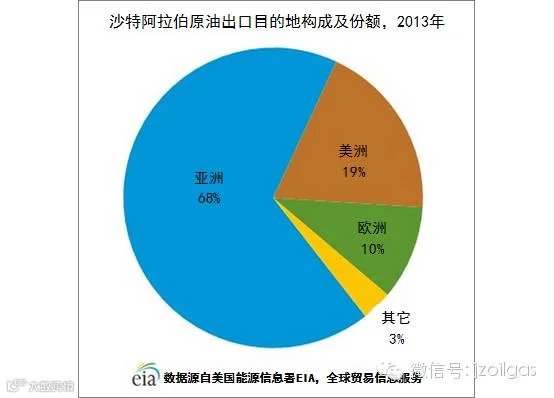
Asia has been one of the biggest cash cows for Saudi Arabia, and there have already been some cuts in some of the most crucial markets. India, which was earlier importing most of its crude oil from Saudi Arabia, is now changing its strategy and buying more crude oil from Nigeria, Iraq, Mexico, and Venezuela.
亚洲一直是沙特阿拉伯最大的摇钱树之一,但其他最重要的市场也削减了部分原油进口量。比如,印度早期大部分原油进口来自沙特阿拉伯,但目前正在改变策略,转而从尼日利亚、伊拉克、墨西哥和委内瑞拉购买更多的原油。
This made the Saudis blink, and they started offering discounts on their medium- and heavy-grade crude oil to Asian customers. And, in a latest development, the Saudis are now trying to defend their market share as they have only marginally increased the price of the crude oil they sell to Asia, contrary to industry forecasts.
这使得沙特顿显危机感,开始为亚洲客户提供中质和重质原油折扣。在最新的进展中,沙特正试图捍卫自己的市场份额,与业内预测相反,沙特只略微增加了销往亚洲的原油价格。
According to a survey by Reuters on August 3, Saudi Aramco was looking to hike the official selling prices of its crude oil (all the three grades) by around $1 per barrel from September 2015. However, the Saudis know very well that their selling prices are already high and a further substantial price hike might result in customers moving to other crude-oil producers (much like what India did). The result is that the price hike on its medium and heavy grades is less than half of what the analysts expected while the price hikes in its flagship Arab light grade is below earlier predictions. This cautious move suggests that Saudi Arabia is on the defensive, hoping to protect its market share.
据路透社8月3日进行的一项调查显示,从2015年9月起,沙特阿拉伯国家石油公司(Saudi Aramco)希望上调其原油官方售价约1美元/桶(包括轻质油、中质油、重质油三个原油等级)。然而,沙特非常清楚其销售价格已经很高,进一步大幅提价可能导致客户转而寻求其他原油生产商(正如印度所做的一样)。最终结果是,中质原油和重质原油价格的涨幅还不到分析师预期的一半,其阿拉伯旗舰轻质原油的价格涨幅也低于先前的预期。这种谨慎的举动表明,沙特处于守势,期望能保护好自己的市场份额。
Is Saudi Arabia losing the oil price war?
沙特阿拉伯将输掉这场石油价格战吗?
"It is becoming apparent that non-OPEC producers are not as responsive to low oil prices as had been thought, at least in the short-run. The main impact has been to cut back on developmental drilling of new oil wells, rather than slowing the flow of oil from existing wells. This requires more patience," said a recent stability report by the Saudi Central Bank.
沙特中央银行最近的稳定报告表示,非欧佩克生产国至少在短期内并未像想象中那样对低油价做出的反应,这一现象正在变得愈发明朗。低油价对这些非欧佩克生产国的主要影响表现在削减新油井开发钻井方面,而不是放缓从现有油井中采油的步伐。
In short, Saudi Arabia’s policy of keeping production levels abnormally high and driving out US shale producers simply hasn’t worked. Even as US shale hedges are about to expire, some of the imminent bankruptcies would not result in wells getting abandoned; they would only result in cheaper acquisitions of bankrupt companies by their much bigger competitors. Once oil prices again rise to $60 per barrel levels, the bigger oil companies would naturally ramp up their production levels which would in turn increase US crude-oil production.
从短期来看,沙特阿拉伯保持异常高的产量水平以及逐出美国页岩气生产商的策略并未奏效。甚至当美国页岩气对冲基金将消失时,紧接着的一些破产事件也没有导致油井被弃,而是引来了大型竞争对手石油公司对破产企业的低价并购潮。一旦油价升至60美元/桶,较大的石油公司将自然增加其生产水平,进而增加美国原油产量。
Thanks to its generous public spending and a costly war against Yemen, one of the major worries for Saudi Arabia is that it is burning through its foreign reserves at an alarming pace. According to the IMF, Saudi Arabia’s fiscal deficit could rise to around $140 billion by this year-end. From all this, it seems that the Saudis are now getting beaten in their own game and have been trapped in the oil price war that they themselves created.
由于政府的大手笔开支以及对抗也门战役损失惨重,沙特阿拉伯的主要担心之一是其外汇储备正以惊人的速度在减少。 据国际货币基金组织报道,沙特阿拉伯的财政赤字到今年年底将增加至1400亿美元。综上所述,沙特正在自己的游戏中被击败并在自己所创造的油价战争中陷入困境。
(来源:金正纵横翻译事业部编译)