




Expro’s new generation ‘flapper‑type’ self fill – tubing test valve (SF‑TTV) is a departure from traditional designs. The main purpose of the valve is to allow the tubing string to fill from below for multiple pressure tests whilst running in‑hole. After the final pressure test, the valve needs to be locked out of service leaving an unobstructed bore. A lower and upper SF‑TTV can be incorporated in HP/HT DST strings, with the upper SF‑TTV isolating the DST tools (having atmospheric chambers) and pressure/temperature gauges from unnecessary high pressure tests i.e. the tools see absolute pressure downhole which, for example, would be 30 000 psi in the case of 15 000 psi hydrostatic plus 15 000 psi applied from surface.
Expro公司的新一代“活瓣式”的自充填油管测试阀(SF-TTV)突破了传统的设计理念。该阀门的主要设计目的是为了在下入过程中,允许从下部填充油管,从而进行多次压力试验。在最终的压力试验完成后,该阀门需要保持锁定在开启状态,从而保持井眼完全畅通。上自充填油管试验阀和下自充填油管试验阀都可以并入高温高压中途测试管柱中,上自填充油管试验阀用来隔离DST中途测试工具(配有常压室)和压力/温度仪表,使其不受到高压破坏。例如,当我们从地面施以15000psi压力时,井底工具受到的绝对压力即为15000psi的静水压力加之15000psi的地面压力,共30000psi。
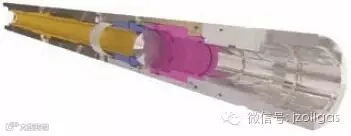
新一代油管测试阀具备了重要功能使其成为业内翘楚
The Expro SF‑TTV achieves this by using a unique tubing‑to‑tubing bypass (patent pending). The flapper, which is housed in a ported inner sleeve sub‑assembly, is pinned closed and never leaves its seat, and therefore cannot wash out whilst running in‑hole.
Expro公司的自充填油管测试阀通过特有的油管与油管之间的过流面积(专利申请中)实现该功能。该活瓣被封装在一个带孔的内筒组件中,被销钉紧紧固定在阀座,因此,在下入井眼过程中不会受损。
Moreover, it is debris tolerant, meaning no debris can lodge across the seat and cause the valve to fail. A string pressure test is achieved by pumping down the tubing, which at minimal rates, creates back‑pressure moving the flapper assembly downwards to close the bypass. On releasing the pressure, a spring returns the flapper assembly to the self‑fill, run‑in‑hole position.
此外,它是耐碎片杂物的,这意味着碎片杂物不会嵌入阀座而导致阀门失效。以最小的速度泵下油管可以实现管柱压力测试,而产生的回压会向下推动挡板阀组合,以关闭旁路。一旦压力释放,一个弹簧会将活瓣回反弹至下入位置(即自填充位置)。
There is no limit to the number of pressure tests and when required, the SF‑TTV is locked out of service by applying pressure to the annulus to burst a pre‑selected rupture disk, shifting the flow mandrel up through the flapper before locking out.
使用该工具可以按照需要进行压力试验,甚至可以进行无限次数的试压工作。通过向环空施加压力可以打破破裂盘,从而锁定自充式油管测试阀,在锁定之前流动心轴会向上运动穿过活瓣。
The incorporated tubing‑to‑tubing bypass feature delivers additional functional benefits in the following scenarios:
合成一体的油管与油管之间的旁路还具有其他功能效果,具体如下:
When exiting seal‑bore packers during space‑out operations, traditional flapper valves of this kind, will seal and therefore pressure lock. The solution is to incorporate an annulus‑to‑tubing bypass, below the flapper, which can compromise string integrity.
在解封操作过程中,当退出裸眼封隔器时,传统类型的挡板阀会密封,然后被压力锁住。解决方案就是在活瓣下面增加一个环空与油管之间的旁通,这也可以兼顾到管柱的整体性。
When making tubing string connections at the rotary table on floating vessels, traditional flapper valves will hold fluid, and hamper make‑up operations; due to mud spilling over on the upstroke. This results in non‑productive time and also has safety implications. The tubing‑to‑tubing bypass allows fluid to drain back as the string is raised with rig heave.
当在钻井浮船的转盘上进行油管接箍时,传统的挡板阀会控制住流体,会影响上扣操作;这是由于泥浆会在上行过程中泄露。这也导致产生非生产时间,还会有安全方面的影响。在管柱被井场起重设备抬升时,油管至油管的旁通可以允许流体回流。
(来源:金正纵横能源翻译公司)
