
An old and almost forgotten album from the legendary and now retired diva Faye Wong has been rediscovered recently by pop music lovers in Hong Kong, creating a new sensation in the city.
Be it Gen-Xers or 40-somethings, people have rushed to vintage music stores to try to get a used copy of that album that was first released about 20 years ago.
Many teenage Cantopop fans who weren’t even born when the album was released have been trawling the Internet for critical reviews on the music title. Yes, you heard me right, people are getting crazy about a CD released 20 years ago.
Titled “Di-Dar”, the album was released in December 1995. It was Faye Wong’s ninth and last Cantopop album, and features ten songs.
Composers of the songs were from Hong Kong, mainland China and Taiwan, but almost all of the lyrics were written by Albert Leung (林夕), Wong’s long-time musical partner.
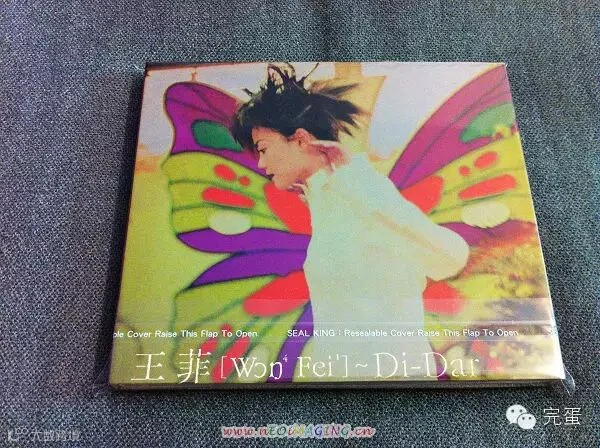
Di-Dar was often seen as a milestone and ground-breaking work in Wong’s musical career, as it represents a radical departure from her previous mainstream style.
It was after the release of Di-Dar that Wong began to part with mainstream Cantopop and move towards a more abstract, self-indulgent and psychedelic style of her own.
It is exactly this kind of unique, unparalleled, uncompromising and in-your-face attitude towards music that makes Wong a timeless legend and pioneer in Cantopop’s history, whose influence can still be felt today.
In fact it appears Di-Dar was intended to be an experimental production.
Wong, who was heavily involved in the production of the album, boldly introduced a strong touch of British psychedelic rock into her songs, using odd-sounding remixing, elaborate studio effects and drawing on a lot of different rare sources such as the ragga and exotic musical instruments.
That helped create a strong psychedelic, abstract and underground atmosphere to the album as a whole, something that had never been tried by other local musicians or singers before.
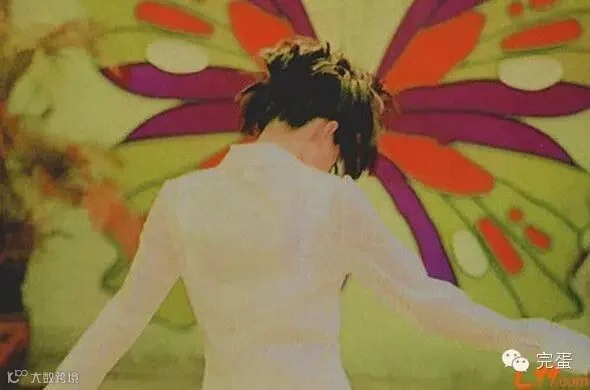
The album actually wowed musical critics and opened fans’ eyes to a much wider and outrageous music world back then, like a dazzling shooting star flying across the midnight sky at a time when mainstream commercial Cantopop still reigned supreme in the local market.
One of its title songs, “Lost” (迷路), composed by C.Y. Kong with excellent lyrics written by Albert Leung, depicts how a girl was lost in her thoughts about someone she used to love.
The song was so well arranged and remixed in such a way that it produces a surreal, whimsical, mysterious and psychedelic atmosphere so extraordinary that those who are listening to it feel like they are personally getting lost in a spooky and hideous forest of deep thoughts themselves.
As Fung Lai-Chee, a seasoned local music critic has once put it, Di-Dar is arguably “the best psychedelic and avant-garde work in Cantonese pop’s history, with songs that are self-centered, ignoring market and others’ work, at the same time abstruse, obscure and mysterious…”
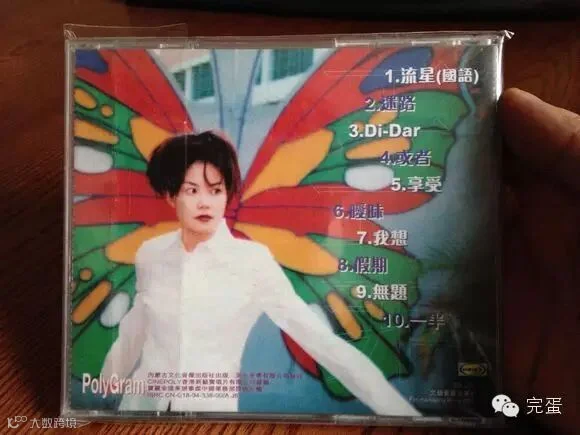
Though critically acclaimed, Di-Dar was not as well-received as Wong’s previous mainstream albums because it was so far ahead of its time. Despite that it still sold 1.5 million copies across Asia.
In fact it is the ambition, innovation, boldness and the eagerness demonstrated to push the musical boundaries that made the album so extraordinary, captivating and monumental.
Its surreal and futuristic style makes it so cool today even after 20 years of its release, eclipsing all the present-day Cantopop albums on the market.
And that begs the question: what has happened to our current crop of Cantopop musicians? Where have all their innovation, boldness and passion for pushing the musical frontiers gone? Why can’t they pull off something as ground-breaking and experimental as Di-Dar today?
For years people kept blaming the decline of our music industry on piracy, the Internet, skyrocketing production costs, TVB’s music franchise, etc.
However, it appears to me that what’s really killing Cantopop is the complacency and sloppiness among today’s local musicians, their obsession with short-term profits and one-hit wonders, and their lack of innovation and unwillingness to push boundaries.
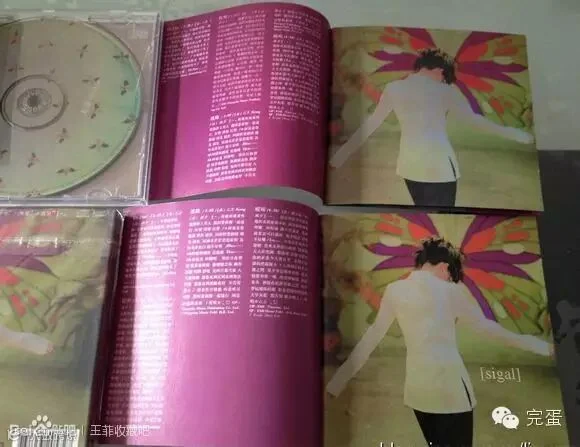
There is always demand for pop music in society, and good music can always find an audience. The CD industry could be dying but the Internet has opened a lot of doors for music producers and singers to promote and sell their work.
Therefore the notion that the music industry can’t survive unless people buy CDs again is absolutely ridiculous. The CD is just a vehicle, what really matters is the content.
The ground-breaking achievement of Di-Dar and its recent resurrection perhaps can remind our present-generation musicians of what their predecessors could pull off in the heyday of Cantopop.
If musicians of the past generation could do it, why can’t our present-day songwriters and singers?
译文:究竟是什么在扼杀粤语流行乐坛?
退休的传奇天后王菲一张老得几乎要被遗忘的专辑,最近被香港流行乐爱好者重新发现了,在城市里掀起新的热潮。
60后或被称作40多岁的人们都冲进中古店试图买到这张20年前发行的专辑。
而大批青少年港乐歌迷在这张专辑发行时甚至都还没有出生,搜遍网络去找这张专辑的专业乐评。是的,你没有听错,人们正在为这张20年前发行的专辑疯狂。
取名Di-Dar的这张专辑发行于1995年12月,是王菲第九张也是最后一张粤语大碟,收录10首歌曲。专辑歌曲的作曲人来自中港台两岸三地,但是大多数歌词都是由王菲的老搭档林夕所写。
Di-dar曾被视为王菲音乐生涯的里程碑或开创性作品,与她之前的主流风格形成彻底的分隔。Di-Dar发行之后王菲与主流港乐渐行渐远,转而形成她越来越抽象、自我放纵和迷幻的个人风格。
正是这种对待音乐独特、空前、不妥协和肆意的态度,成就了王菲在港乐史上永恒传奇及先锋的地位,其深远影响直至今日仍能感受得到。
实际上Di-dar本来就是一个试验性的作品。
王菲深度参与了这张专辑的制作,大胆引入了英式迷幻摇滚的元素,使用特殊音效混音、精心制作的录音室效果,并采用了诸如ragga和异域乐器等大量当时罕用的素材。这使得整张专辑营造出强烈的迷幻、抽象和地下音乐气息,是之前在港其他音乐人和歌手都没有过的尝试。
这张专辑确实惊艳了乐评界,并且打开了粉丝对更加广阔和不羁的音乐世界的眼界,在当时主流商业港乐主导的当地市场中,就像流星划过天际一般耀眼。
其中《迷路》一曲由C.Y.Kong作曲,林夕作词,描述了一个女孩在脑海中关于旧爱的迷思。这首歌编曲和混音如此精妙,创造出超现实、奇幻、神秘而又迷离的氛围,如此超凡的体验以至于听者感觉自己迷失在一片幽幻可怕的思想森林之中。季刊乐评人Fung Lai-Chee大概曾这样描述Di-dar,”是港乐史上最好的迷幻和先锋作品,歌曲完全自我为中心,完全无视市场和其他的作品,同时又是如此深奥、晦涩和神秘……“
严格说来,Di-Dar并不如王菲之前的主流专辑市场反响好,因为在当时太过超前。尽管如此还是在亚洲地区卖出150万张。实际上,正是这种企图、革新、无畏和热诚论证和打破了音乐类型的界限,使得这张专辑如此出色、迷人和有纪念意义。
其超现实和未来感的风格是之20年后的今天听起来还是那么酷,碾压当下市场上所有的新粤语大碟。
那么问题来了:当今的香港音乐人是怎么了?他们推动音乐发展的革新、无畏和热情都到哪儿去了?为什么他们如今跑不出像Di-Dar那样开创性和试验性的东西
长年以来人们都在盗版、网络、飞涨的制作成本、TVB音乐管控权等方面抱怨我们的音乐工业
尽管如此,对我来说,真正扼杀港乐发展的是当今本地音乐人的自满和马虎。他们醉心于短期利益和单曲爆红,他们缺乏创新精神,无心推动音乐进阶
大众永远对流行音乐有需求,好音乐总会找到听众。CD工业会汪,但是网络为音乐制作人和歌手打开了宣传和销售的新渠道
所以说如果人们不买CD,音乐工业就会死的说法绝对是很可笑的。CD只是一种形式,真正有用的是内容
Di-Dar开创性的成就和其近期的重获生机,也许提醒了当代音乐人他们如今应该为港乐发展做些什么
如果上一辈的音乐人能够做到,为什么现在的写手和歌手就做不到呢?