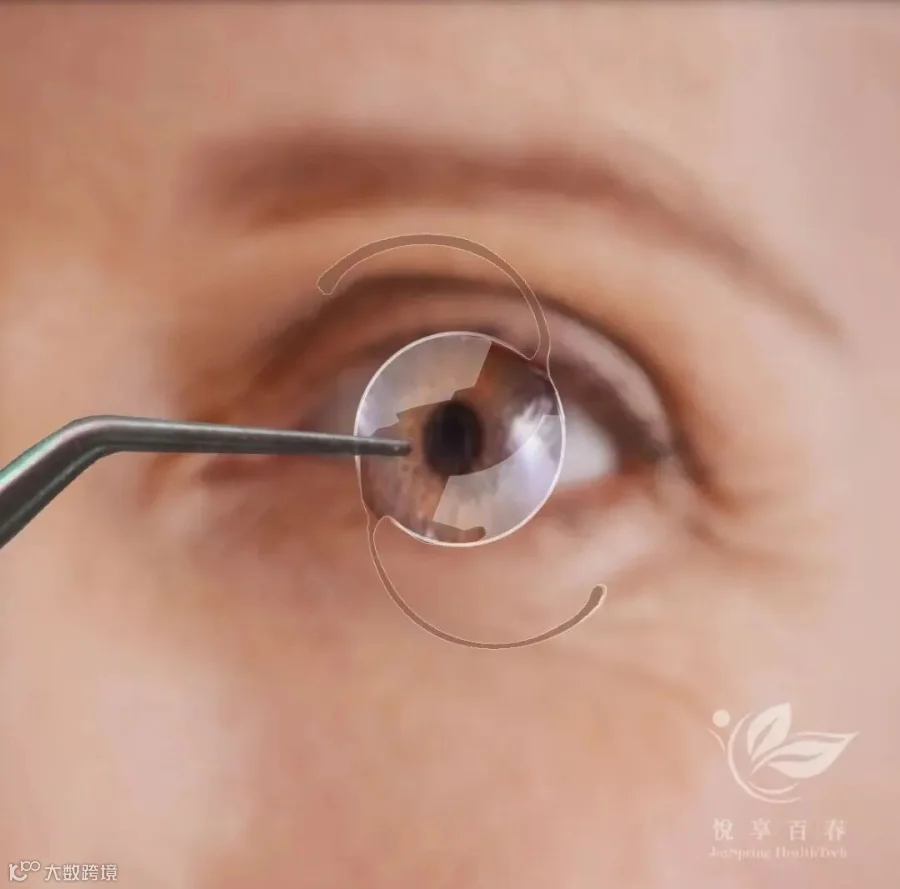
人工晶状体是透明的合成晶状体,用于替代眼睛的天然晶状体。它们通常在白内障手术过程或屈光性晶状体交换过程中植入。这些人工晶状体植入物解决了一系列视力问题,如近视和老花眼(与年龄相关的远视)。此外,它们可以减轻在执行特定任务时对眼镜的需求。
眼科医生会将其植入您的眼睛,以取代您的天然晶状体。当选择用于白内障手术的人工晶状体(IOL)时,应当考虑以下几个因素:
- 单焦点镜片 :在一个距离(通常很远)提供清晰的视觉。手术后,患者可能需要眼镜来阅读或近距离工作。
- 多焦点镜片 :提供多个焦点,在近、中和远距离提供清晰的视觉,减少对眼镜的需求。但是,它们可能会导致光晕或眩光。
- 可调节镜片 :这些镜片可以将焦点转移到不同的距离,模仿眼睛的自然调节,但它们相对较新,也较贵。
2. 散光矫正 :
- 散光矫正型镜片 :旨在矫正角膜散光,为严重散光患者提供更清晰的视觉。
- 硬性镜片(PMMA) :需要更大的切口和更长的愈合时间。
- 弹性镜片(硅胶、丙烯酸) :可通过较小的切口植入,恢复更快。
- 专业要求 :对于那些花大量时间在电脑或阅读上的人来说,多焦点或可调节镜片可能更好。
- 夜间驾驶 :单焦点镜片可能更好,因为多焦点镜片会在夜间产生光晕或眩光。
- 多焦点和散光矫正型镜片通常比单焦点镜片更贵。保险范围各不相同,所以知悉保险范围是很重要的。
- 与您的眼科医生讨论每种类型的晶状体的优点和缺点,并了解手术后的预期结果,这将有助于做出最佳选择。
人工晶状体选择应该基于个人视力需求、生活方式和眼科医生的建议。与你的医生进行详细的讨论是选择合适人工晶状体的关键一步。
该文章不构成医学建议。仅用于提供信息。请向医生咨询具体的治疗建议。

The selection of intraocular lenses for cataract surgery
IOLs are transparent and synthetic lenses designed to substitute for the natural lenses of the eye. They are typically implanted during cataract surgery procedures or refractive lens exchanges. These IOL implants address a wide array of vision problems, such as myopia (nearsightedness) and presbyopia (age-related farsightedness). Additionally, they may alleviate the need for glasses in performing specific tasks.
The ophthalmologist will implant it in your eyes to replace your natural lens. When choosing intraocular lens (IOL) for cataract surgery, the following factors should be considered.
- Monofocal Lenses : Provide clear vision at one distance (usually far). Patients may need glasses for reading or near work after surgery.
- Multifocal Lenses : Provide multiple focal points, offering clear vision at near, intermediate, and far distances, reducing the need for glasses. However, they may cause halos or glare.
- Accommodating Lenses : These lenses can shift focus to different distances, mimicking the natural accommodation of the eye, but they are relatively new and more expensive.
2. Astigmatism Correction :
- Toric Lenses : Designed to correct corneal astigmatism, providing clearer vision for patients with significant astigmatism.
- Rigid Lenses (PMMA) : Require a larger incision and longer healing time.
- Flexible Lenses (Silicone, Acrylic) : Can be implanted through a smaller incision, leading to quicker recovery.
4. Individual Needs and Lifestyle :
- Professional Requirements : For those who spend a lot of time on computers or reading, multifocal or accommodating lenses might be better.
- Night Driving : Monofocal lenses may be preferable since multifocal lenses can cause halos or glare at night.
5. Cost and Insurance Coverage :
- Multifocal and toric lenses are usually more expensive than monofocal lenses. Insurance coverage varies, so it’s important to check what’s covered.
6. Postoperative Care and Expected Outcomes :
- Discussing with your ophthalmologist about the advantages and disadvantages of each type of lens and understanding the expected outcomes post-surgery will help in making the best choice.
the choice should be based on personal vision needs, lifestyle and the advice of ophthalmologists. Having a detailed discussion with your doctor is a crucial step in selecting the right IOL.


 悦享百春
悦享百春