


While you’ll doubtless see the odd Chinese hiker dressed head to foot in North Face gear and, upon reaching your destination, buildings awash with banners from various mountaineering and camping groups, scaling Gongyubei in Zhejiang for a view over ‘the Jiangnan Shangri-La’ is actually easily accomplished in a day, even for inexperienced climbers.
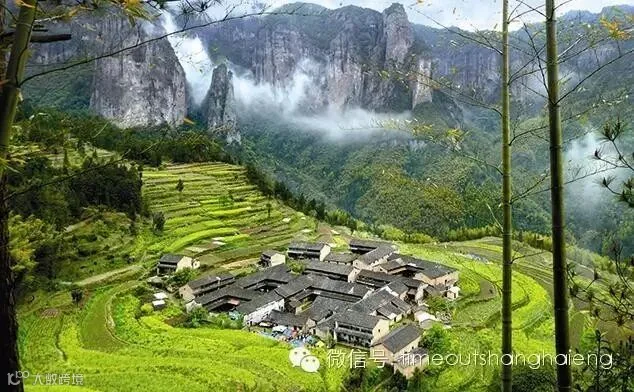
Some scrabble over rocks and take a somewhat suspect-looking rope bridge around the more sheer of Gongyubei’s rockfaces, and some prefer to continue the hike to other surrounding peaks, but you can see plenty – including the key view back onto the small clutch of houses nestled among terraced fields seen on this page – simply by sticking to the well-worn bamboo-lined paths.
The aforementioned houses that make up Gongyu are happy to supply refreshment (try their homemade fruit-infused baijiu) and will also rent you a tent (for 50RMB) or a bed in a basic wooden room (for 25RMB) if you want to stay longer, but otherwise you can get up and down in a few hours.
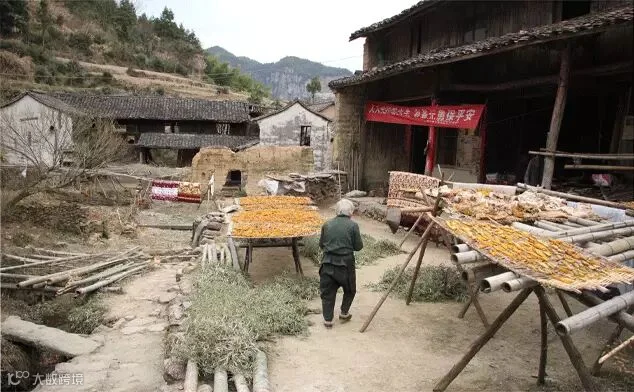
Getting to Gongyubei (公盂背) from Shanghai is slightly more complicated, however. The first step is to get a train to Linhai. A 40RMB taxi journey will then get you from the train station to the bus station, and from here it’s an 18RMB ride to Xianju (仙居), a dusty scrap of a town that’s grown up to service the nearby Zhen Xianju scenic area.
You’ll find a number of business hotels here, but the slightly out-of-town Anfo Villa combines reasonably priced rooms (from 200RMB) with a relatively peaceful location and they’ll also book you a car to the foot of the path up to Gongyu and back for 200RMB (a good deal cheaper than the price you’ll be quoted at the town’s bus station). Still, you’ll want to head back into Xianju in the evening for some spicy, Jiangxi-influenced local cuisine.
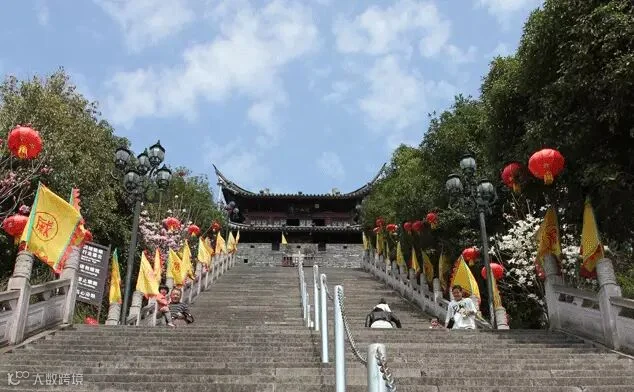
To turn your trip into a weekend break, you can spend a few hours exploring Linhai itself. The city features an ancient street running from its centre down to the pretty Longxing Temple (entry 40RMB), which is a good area to head to for sustenance, but locals will tell you that the top tourist attraction is the Great Wall (entry 65RMB).
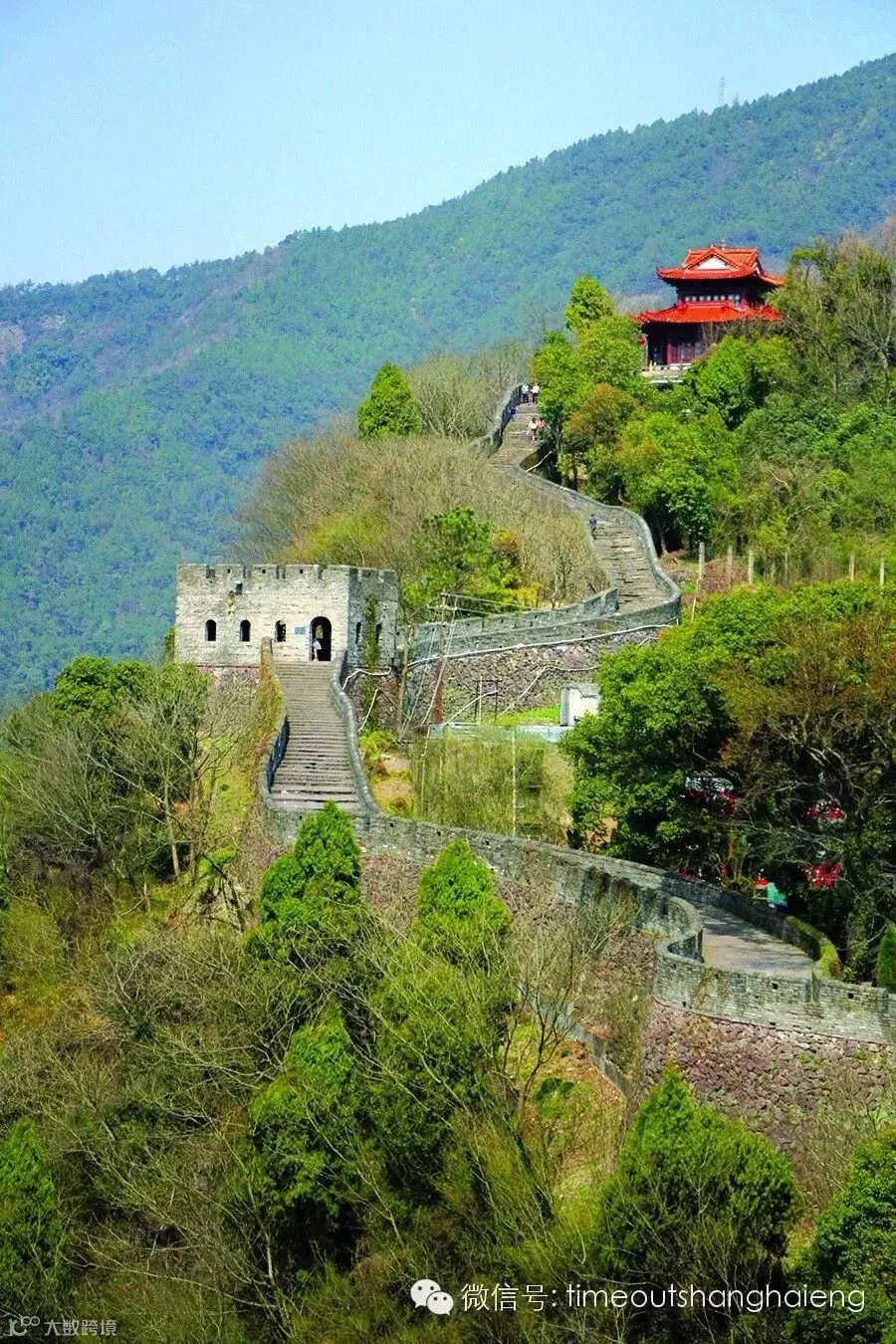
No, not that Great Wall – it turns out there’s more than one. Linhai’s was first built to defend the city during the Eastern Jin dynasty, before being expanded in the Sui and Tang dynasties, and in places bears an uncanny resemblance to its more famous cousin up north. There’s even a ‘Badaling of the South’ section, though the view is slightly spoilt by a modern day dormitory immediately inside Linhai’s version.
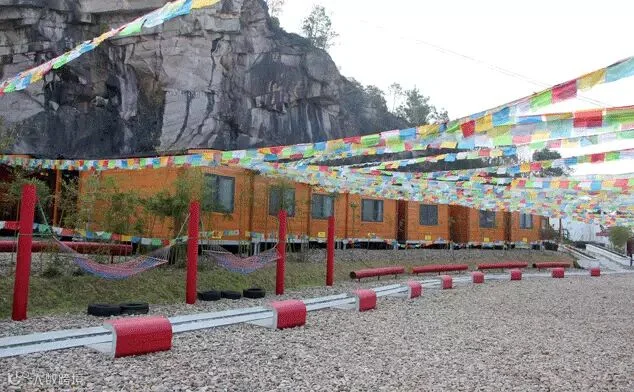
And if you’re looking to really up the kooky factor while you’re in Linhai (or you miss the last train home), you can stay the night at a site beside the railway station that bills itself as one of China’s only caravan parks.
Despite the wheels and number plates on show, the rows of wooden cabins that comprise Linhai Nest Caravan Park are actually permanent and make for a cheap (from 140RMB) and clean spot to bed down. Just be warned that you will be woken by the first train in the morning.
Click the link at the bottom of this message for full details on how to get to Linhai, plus accommodation contact information and more.