


While the Royal Danish Ballet (RDB) is an outstanding company by any measure, it was choreographer August Bournonville who made it part of ballet history. Born in Copenhagen in 1805, the Paris-trained, former RDB lead dancer became choreographer from 1830 to 1848, creating over 50 ballets and what is still known as the Bournonville School.
Even now, the so-called Great Danes have retained his signature style – light, buoyant, and energetic without ever descending into uncontrolled athleticism. The leaps are vibrant but the lifts are few; more than one critic has remarked on the democratisation of movement, where the women and men dance the same steps. And as much as subsequent leadership has featured contemporary choreography, the RDB’s Bournonville style has secured their international position – even by ballet standards, they make it look easy.
The biggest complaint about RDB is that they don’t tour enough, so don’t miss this rare presentation of two of their most famous works, the haunting La Sylphide and the vivacious Napoli, as well as a bonus piece, George Balanchine’s Theme and Variations.
La Sylphide and the Romantic era
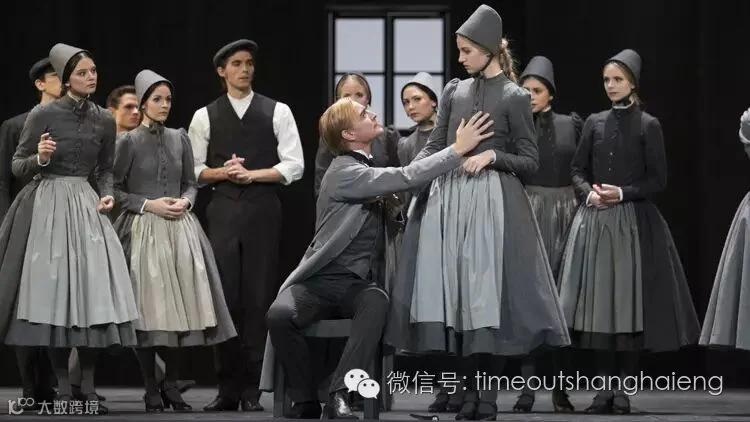
The arrival of the Romantic era caused seminal changes in the dance world, not least creating the ‘cult of the ballerina.’ When legendary ballerina Marie Taglioni integrated en pointe dancing into basic ballet, suddenly female dancers were no longer mere appendages to male athleticism, they were their own magical, ethereal beings. The now-iconic white tutu was designed to show off Taglioni’s fantastic footwork, and ballerinas were sometimes transported with wires to appear weightless.
Although born to a family of dancers, Taglioni’s future was by no means secure; she was unattractive, and her own ballet teacher called her a ‘little hunchback.’ It was only her father’s intensive training that created her famous technique. Later, the Russians named cakes and caramels for her, and legend has it that after her last performance, some rabid fans bought her final pair of toe shoes, which they cooked, garnished, and ate with a special sauce.
Another dramatic contributor to Romantic ballet was the advent of the gas lamp, which gave the stage an eerie glow. These lights could be lethal; ballerinas felt applying fire-retardant chemicals made their costumes droop, and a number of dancers burned to death. But this mystical atmosphere suited Romantic sensibilities of the exotic and supernatural. Fairy tale ballets were all the rage, especially those featuring beautiful nymphs luring hapless princes or hunters to their deaths. Giselle and Les Sylphides are famous examples, but it was La Sylphide that created the Romantic ballet tradition.
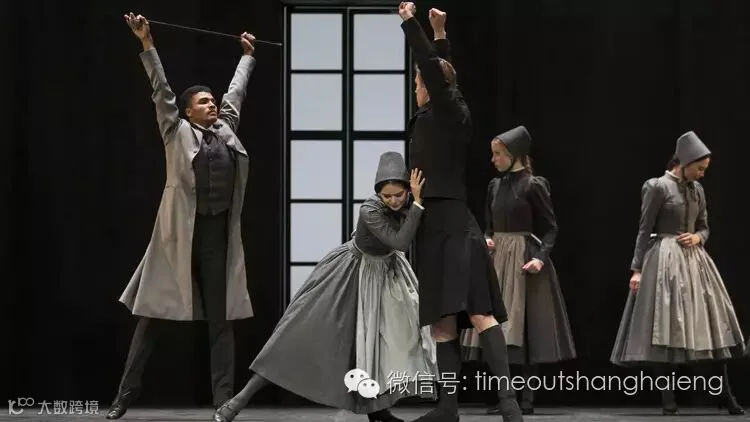
Fittingly, Taglioni was the first sylph (air spirit), and the Taglioni version – created by her father, for her – was the first La Sylphide. However, when Bouronville trimmed the fat, heightened the drama, and accentuated the dancing, he ensured the story’s survival. (While the Shanghai performance is RDB artistic director Nikolaj Hübbe’s adaptation, he kept the Bouronville spirit).
Set in then-exotic Scotland, protagonist James is sleeping on his wedding morning when a sylph wakes him with a kiss, then dances away. He is transfixed and ignores his bewildered bride Effie, who then gives rejected suitor Gurn a second chance. When the fortune-telling crone Madge predicts Gurn and Effie’s marriage, James orders her to leave, and she plots her revenge (don’t they always?). Now in the forest, Madge gives him a ‘magic’ cloak to ensnare his elusive fantasy woman, but the sylph’s wings fall off, causing her death (alternate versions have her die from his kiss). The lesson is clear: chasing the unattainable is a pathway to doom, and mortals should stay where they belong.
Napoli
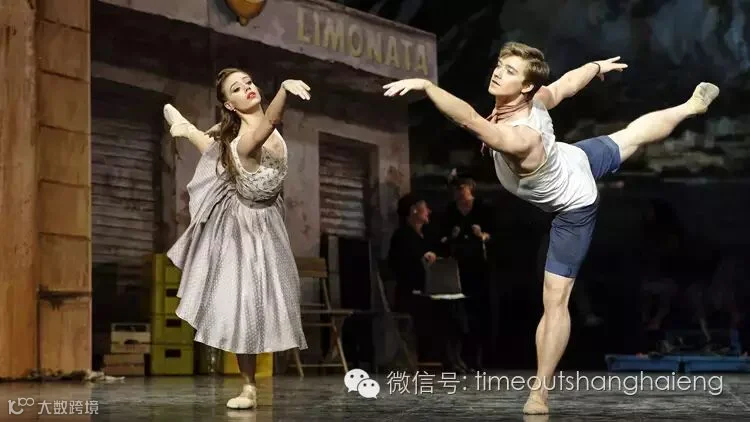
Unlike La Sylphide, Napoli is a Bouronville original – although this version is updated by Sorella Englund and Hübbe. While decidedly a Romantic ballet, Napoli is famous not for being haunting and otherworldly, but rather lusty and colourful. Still, the supernatural plays a part. Beautiful Teresina is in much demand, but she only has eyes for fisherman Gennaro. The engaged couple go for a romantic row in the harbour, but a storm kicks up and sweeps her overboard.
Accused, isolated and on the verge of suicide, the heartsick Gennaro prays under the Madonna statue, where Friar Ambrosio gives him an amulet and tells him to find his ladylove. Teresina is trapped in the Blue Grotto, a watery world ruled by sprite Golfo; he has turned her into a naiad (water nymph) who no longer recognises her fiancé. Gennaro pleads, he cajoles, he plays guitar, but nothing stirs her memory until she glimpses the amulet – only her faith could bring her back. The two leave the ocean and return to land, just in time for their wedding.
The Royal Danish Ballet is at the Shanghai Oriental Arts Centre from Thursday 23-Sunday 26, tickets cost 80-1,280RMB.
More from Time Out Shanghai
 Queen with Adam Lambert set for Shanghai?
 9 tips to make the most of your day at Disneyland