For quite a few years now, food safety has been a hard topic in China. Not only do more and more people these days have concerns about food safety, but with eating healthier foods as well.
How can we be sure of what we’re eating?
BUY LOCAL
The shorter the time it takes for your food to get from farm to table, the fresher your vegetables and fruit will be. Fresher food not only retains a higher level of nutrients, but buying local means eating seasonally as well, which can make a big difference in taste as seasonal crops are typically picked at their peak of ripeness.
CHOOSE ORGANIC
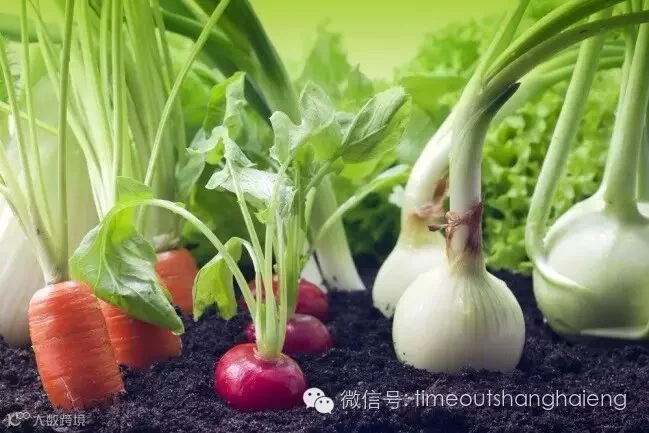
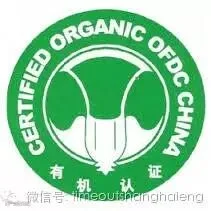
Organically grown foods have more nutrients and no chemical poisons as in the commercially grown food. The good news is that China’s organic farms have blossomed in the past decade: Foodpedia, for example, regularly renews the certification from the OFDC (Organic Food Development Center) and allows people to visit and see for themselves how they maintain their high standards at every stage of food production.
TRUST GUARANTEED CERTIFICATIONS
Look for international certifications you can trust. There are many ways a company can guarantee the quality of its products:
Quality Management Certifications, like ISO 9001, ensure that the company’s processes respect the highest international standards related to product procurement and temperature-controlled warehouse;
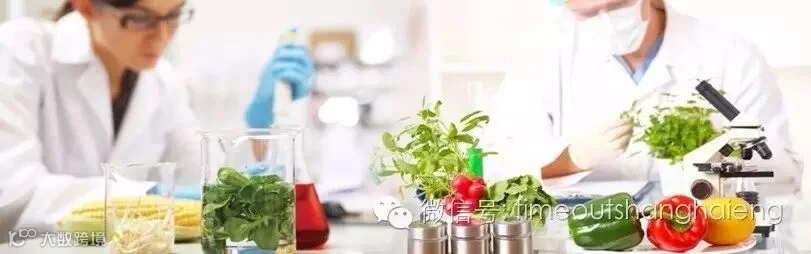
Product testing through 3rd parties: for example SGS - the world’s leading inspection company – verifies and certifies products’ conformity to standard requirements;
Food labels: trusted products show certifications and nutrition facts. Organic products for example have strict labeling requirements, concerning production methodologies and allowed substances used. The most common organic label in China is released from:
China Organic Food Certification Center (COFCC):
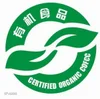
This organic food and product label’s mission is to promote the development of organic agriculture and food in China.
- Organic Food Development Center (OFDC):
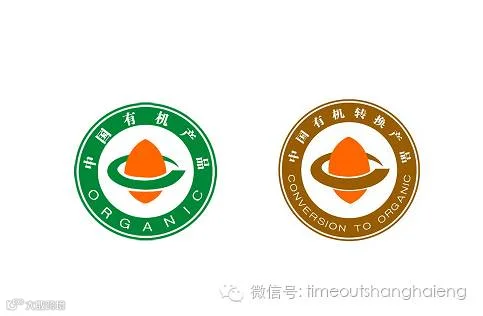
These labels certify respectively “Organic” and “Conversion to Organic”: before delivering the organic certificate there is a period of conversion (usually 3 years), subject to annual surveillance audits.
STORE CORRECTLY
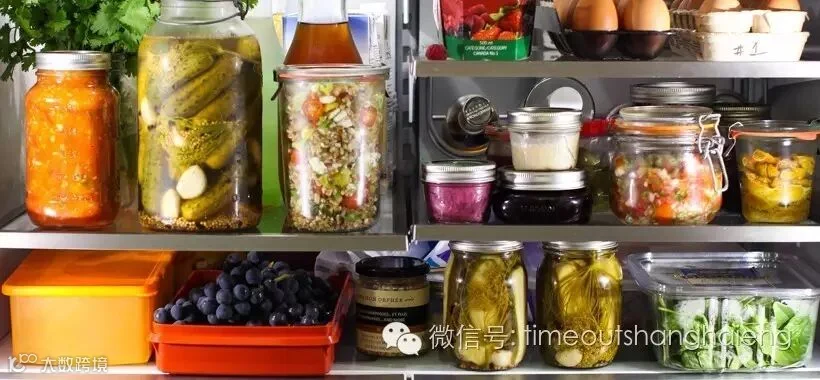
The main concern is often related to fresh products. Make sure to preserve your food’s quality by storing it correctly. Here are 3 important rules:
Store the most perishable items in the coldest section at the back, towards the backwall of the fridge;
Separate raw meat from ready-to-eat food in order to avoid cross-contamination;
Do not overload the refrigerator, as the air locked inside won’t be able to cycle properly.
Epermarket is an online expat supermarket that strives to sell food you can trust. They pledge for transparency and have made Freshness and Safety their first priority: they are ISO 9001 certified, and regularly test their products with SGS. Their own organic farm is certified by the OFDC and uses clean and healthy soil, filtered water and no chemical pesticides, fertilizers or GMOs.