


Fuchsia Dunlop wants to bring Chinese cooking to your kitchen. Helen Roxburgh speaks to the cook and food writer about the land of fish and rice.
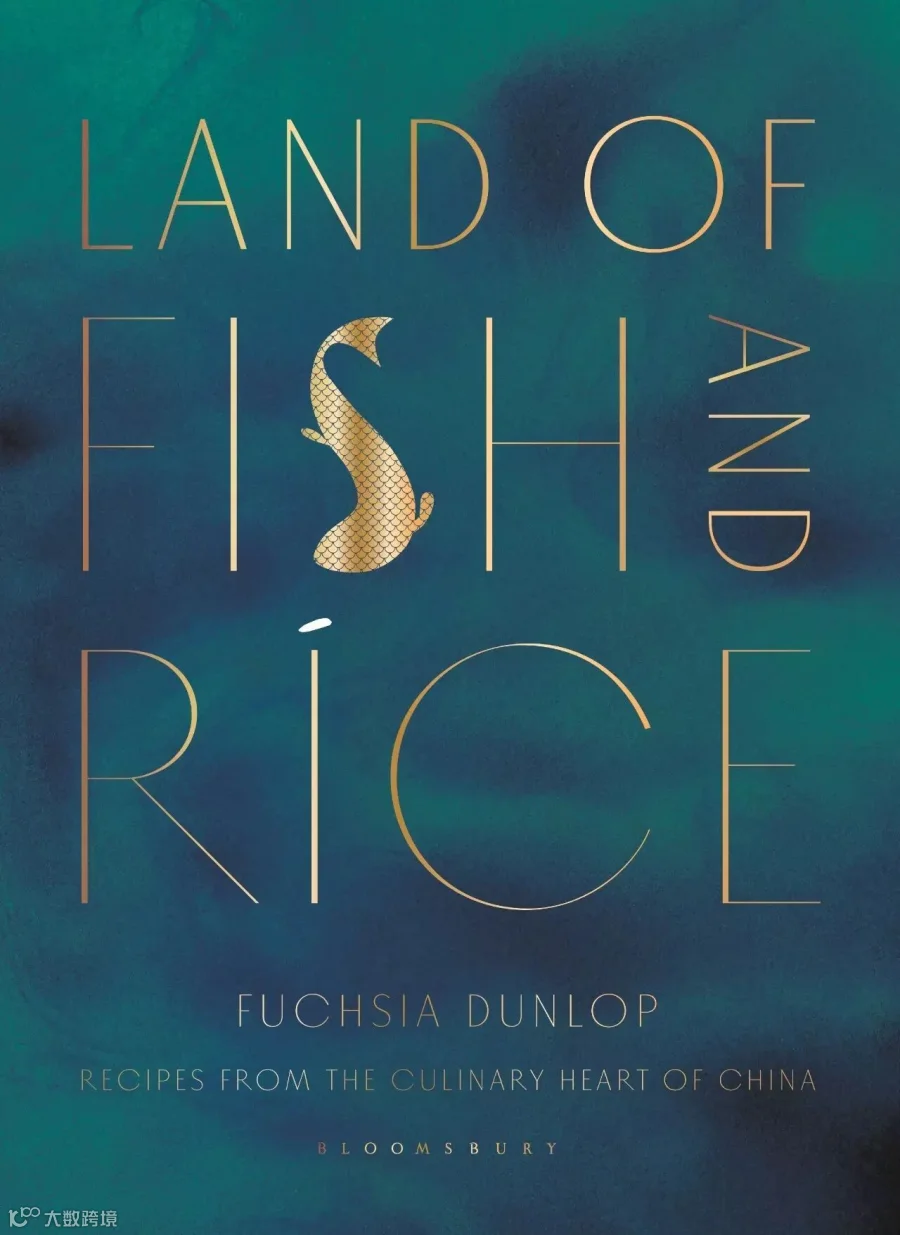
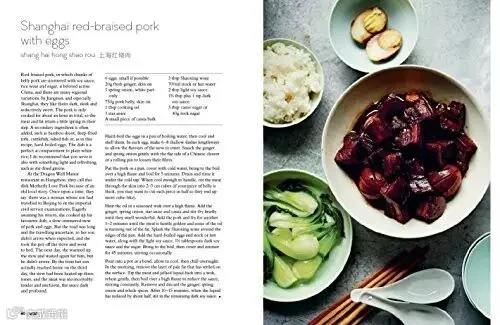
Ask anyone to mention a Chinese cookbook written in English, and chances are high that they will name one of Fuchsia Dunlop’s. Her extraordinary love affair with Chinese food began in the 1990s when she became the first ever foreign student enrolled at the Sichuan Institute of Higher Cuisine in Chengdu. Since then her quest has been to bring Chinese cuisine to the kitchens of her international audience, and she has written a canon of must-have cookbooks exploring the country’s different regional cuisines. Her newest book, Land of Fish and Rice, explores the food in the Eastern regions around Shanghai, Zhejiang and Jiangsu. When we speak to Dunlop over the phone, she is recovering from a recent fall which broke her wrist; an injury that is equally inconvenient as a chef, an author and a Chinese food expert. ‘I can’t actually use chopsticks at the moment,’ she says with laughter. ‘I had to ask for a spoon and knife in a Chinese restaurant the other day.’ Aside from broken limbs, Dunlop believes there is no reason why the recipes in her book can’t be tried by even the most amateur of chefs. If you’ve ever wondered the secrets of that Shanghai favourite, hongshao rou, ponder no more – it is one of the many wonderful local recipes carefully explained in Dunlop’s new book – and she has somehow managed to prise the much-sought after recipe for the famous jujube tea from one of Shanghai’s most popular massage parlours, which are just two of the many excellent reasons to crack open this book.
What was your inspiration for Land of Fish And Rice?
It’s a book about the food of the Jiangnan region, which includes Zhejiang and Jiangsu, the southern part of Anhui, and of course, Shanghai. It was partly inspired by the fact that I completely fell in love with the food over the years; I went on a visit to Yanzhou in Jiangsu province years ago and it had a very profound effect on me. It came at a time when I was questioning my China commitment, but there I just fell in love with it all over again. And the other major influence was the extraordinary restaurant the Dragon Well Manor in Hangzhou, which is doing amazing things in showcasing traditional Jiangnan cooking and trying to preserve traditional food and agriculture skills. While everyone in the West knows about Cantonese food, almost nothing has been written in English about the amazing cuisine in this Eastern region, which is funny because it’s one of the richest regions in gastronomic culture, it’s the region that has been written about for hundreds of years by poets, and it’s where the important historical cookbooks in Chinese came from.
Do you have a favourite recipe from this book?
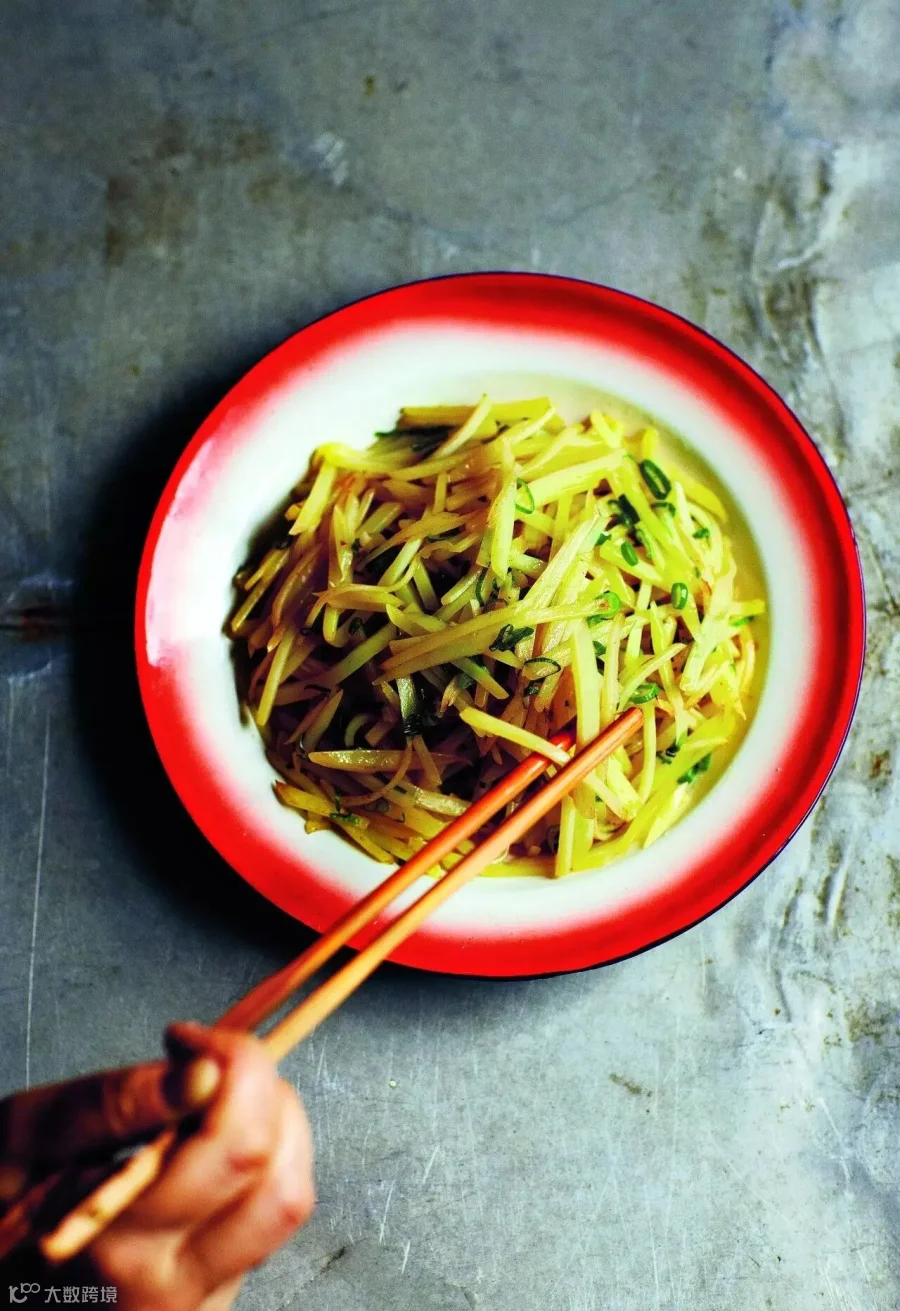
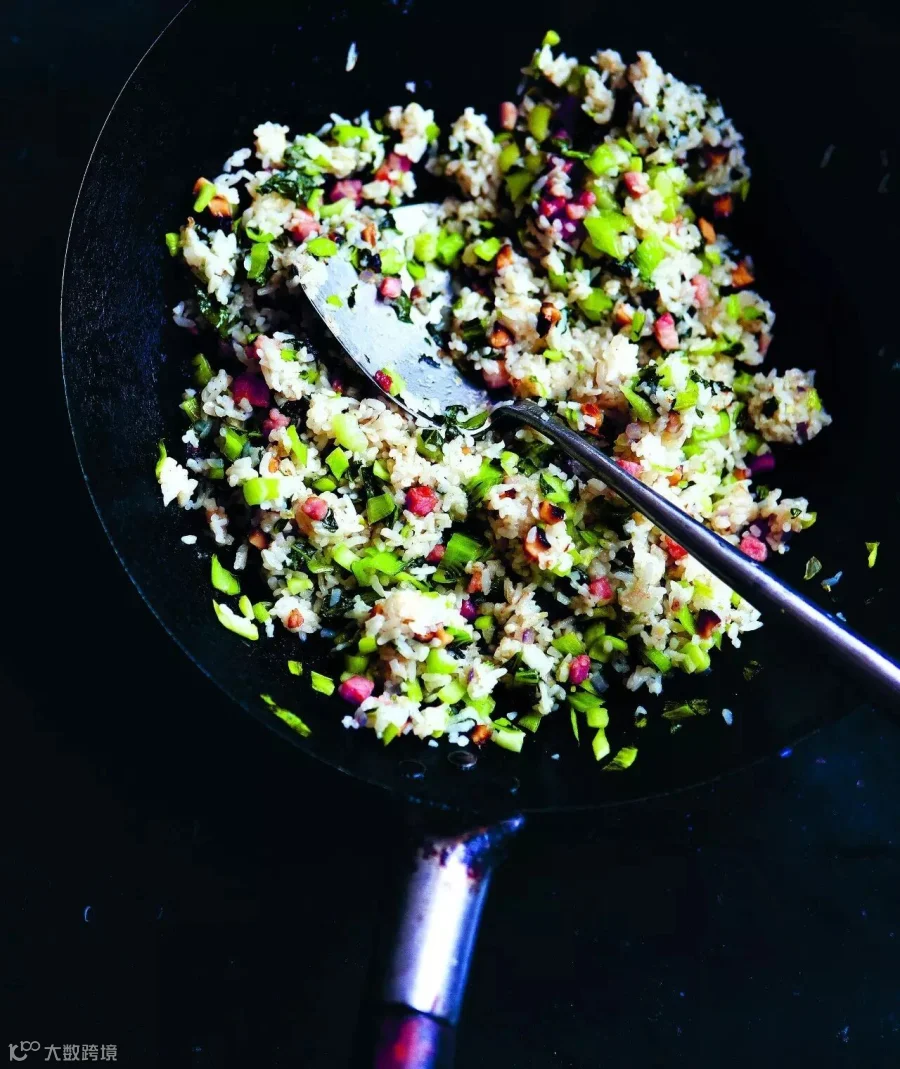
Well, I think that dongpo rou is one of the world’s greatest pork dishes, absolutely wonderful, and a real classic. But I also love some of the very simple vegetable dishes – there’s a recipe in there for Chinese cabbage with salt pork; easy, healthy and wonderful. So I find it quite hard to pick just one recipe, but just the thought of dongpo rou does make my mouth water.
What’s the most common misconception you meet about Chinese food?
I would say the most extraordinary and tragic misconception is that Chinese food is unhealthy. In Chinese food abroad there’s a lot of deep-frying, sweet food, salty food, and although all these things are part of Chinese cuisine, it doesn’t represent the way Chinese people eat. Anyone who lives in China knows that the Chinese know better than anyone else how to eat for health. The traditional Chinese diet could be a model for us all – they eat so many vegetables, cooked so imaginatively. In China you wouldn’t eat something deep fried without some green vegetables, some soup, some rice, to balance it all out and make it healthy.

A lot of the recipes you feature are from small, home-style restaurants in back streets. What’s the future for their culinary traditions?
I don’t think young people are interested in carrying on these traditions, and it’s a real problem. I hear it from chefs and older people all over China; younger people are not keen to apprentice themselves to a great chef, to learn deeply the arts of Chinese cooking. We are at a stage where there is a risk of critical loss of food skills. But, I think writing about it and singing its praises, and things like the TV series A Bite Of China in Chinese has really stimulated interest in Chinese food as culture, and perhaps that will help young people to feel proud of it, to feel curious, and eventually to go into the food business. Working in food has traditionally been a very low status occupation, but I really hope that in China, which has such a reverence for good food, people will start to transfer some of that reverence to the people who make it.
Land of Fish and Rice is available at amazon.cn for 230RMB. The full interview is at timeoutshanghai.com
More from Time Out Shanghai
 4 club openings in 2016 you may have missed
 How to use the new Uber China app