



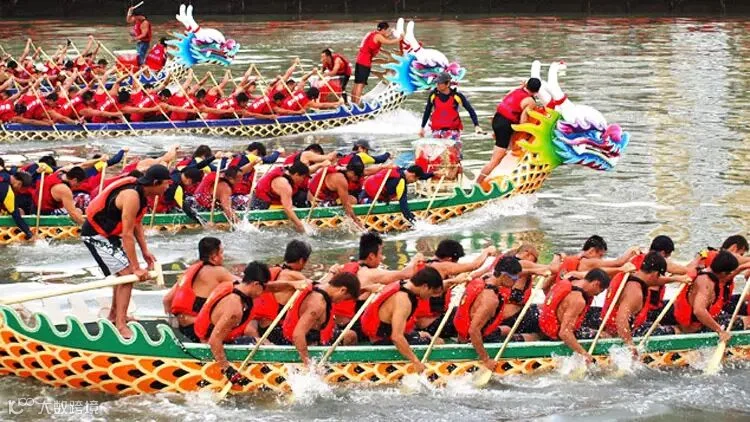
Also known as Duanwujie, Dragon Boat Festival is a holiday of eating sticky rice dumplings, drinking realgar wine (a mix of huangjiu and regular minerals) and racing (or watching) dragon-shaped boats. Plus most importantly, we get a three-day holiday. Whoop whoop. This year the holiday period runs from Sunday 28 to Tuesday 30 May, with Double Fifth day itself falling on the Tuesday.
THE STORY
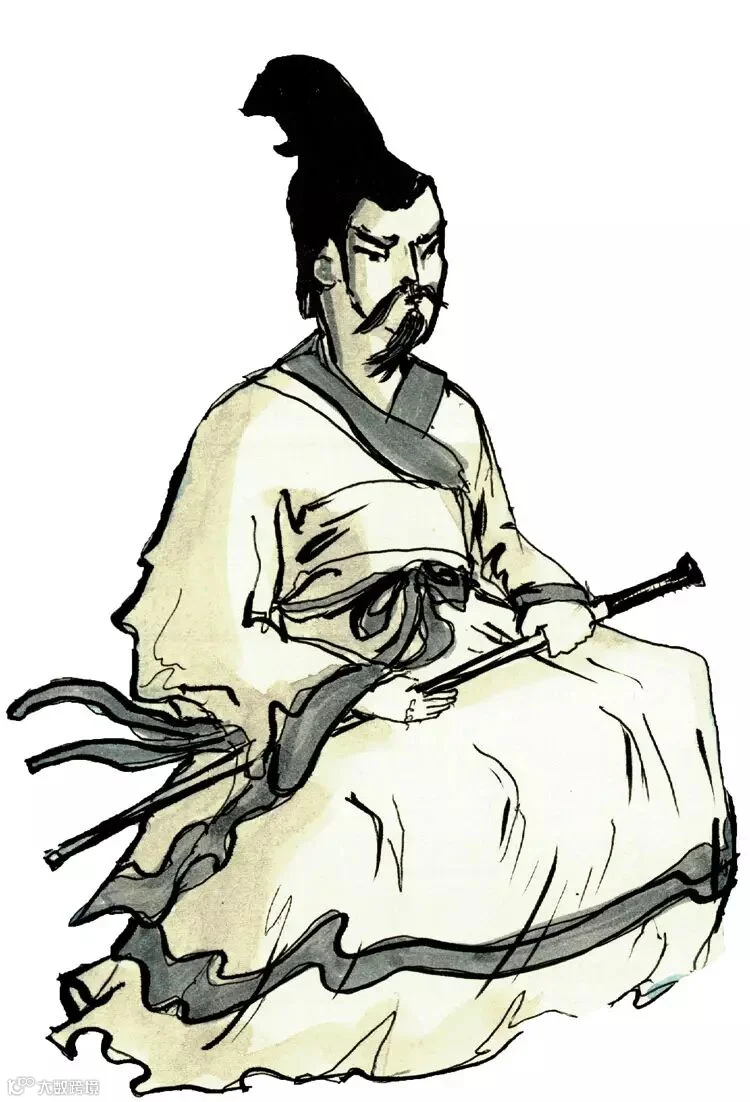
Now celebrated worldwide, Dragon Boat Festival’s humble origins date back to southern China over 2,000 years ago. As with all great legends, the facts are largely contested, vary from region to region and come heavily embellished. One of the best-known stories holds that Dragon Boat Festival commemorates celebrated poet and minister, Qu Yuan (343-278 BC).
The story goes that Qu was betrayed by officials, accused of treason and exiled from the kingdom. After wiling away years in exile, Qu threw himself in a river as a form of protest against the corruption of the time. Upon hearing the tragic news, villagers loyal to Qu went in search of his body, splashing their paddles, banging drums and throwing sticky rice balls into the water in an attempt to keep the fish well away from his body. Hence today, dragon boat races and the rice-heavy snack zongzi.
EAT ZONGZI
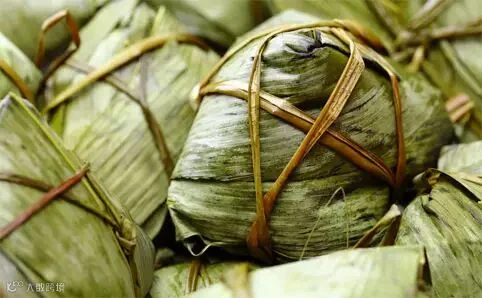
If heading to the races and squeezing in with everyone else is too much work, celebrate the festival by eating the iconic zongzi. Like mooncakes for Mid-Autumn Festival (but tastier and not re-gifted as often), this is the traditional snack for Dragon Boat Festival.
While countless regional variations exist, the foundation of these 'sticky rice dumplings' is glutinous rice packed around a savory or sweet filling like pork belly or red bean, then wrapped with bamboo leaves. Though available all-year-round, in the weeks leading up to the festival you'll see an increase in street stall steamers full of the pyramid-shaped treat, and all the five-star hotels offer utra-luxe gift baskets. You'll also see stacks of them at any water town in the area.
While entry to this year's races have closed, if you’re looking to get in on the action yourself, Shanglong Dragonboat Club welcome newcomers and paddlers of any background throughout the year.
WATCH THE RACES
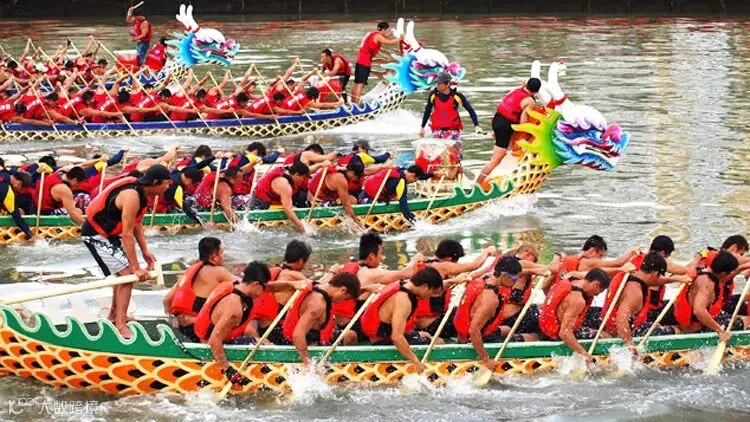
They might not be real dragons, but it doesn't make the races any less fiery. Traditionally, dragon boat competitions in Shanghai take place on Suzhou creek in Putuo district (between Jiangning Lu bridge and Changhua Lu bridge). This year the races will take place from 24 to 29 May.
You can watch the races either from either sides of Suzhou creek, at Zhong Yuan Liang Wan Cheng (中远两湾城) or at Meng Qing Yuan (梦清园). To get to Zhong Yuan Liang Wan Cheng, alight at Zhongtan Lu (Line 3/4) or Zhenping Lu (Line 7). For views from the northern side of the river at Meng Qing Yuan, head to Zhongtan Lu (Lines 3/4) and follow the river south east until you reach Jiangning Lu bridge. Alternatively take bus lines 68, 112, 738, 830 and 206 to Jiangning Lu/Aomen Lu stop. Suzhou Creek is within walking distance.
Authorities have blocked the views from Jiangning Lu bridge itself, while access to the park on the inside of the creek's bend (near Qianshuiwan Creative Arts Centre) has also been limited. Crowds therefore gather mostly along the northern side of the water. If you want a prime spot, you'll need to get there early, but even if you turn up later on you should be able to catch a glimpse of the action by craning your neck a little.
WHAT'S ON THE BOAT
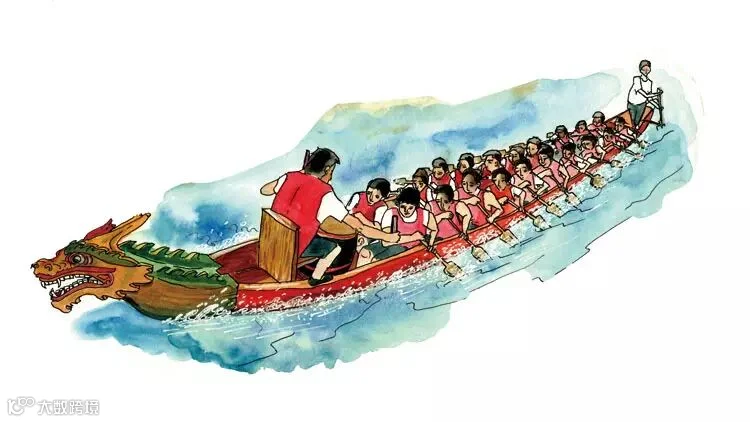
Dragon’s head
Ah! The auspicious dragon. Dragons are obviously popular in Chinese culture, and understandably so: they’re symbolic of power and strength and they’re masters of the water – as well as just about everything else. In dragon boat racing, the dragon’s head is more of a ceremonial adornment, added for festivals. Before the race begins, the dragon’s eyes are dotted with lucky red paint, to symbolise the dragon coming to life.
Drummer
A key player in the race, the drummer is essentially the pulse, riding in prime position at the front of the boat. He or she overlooks the paddlers and maintains a steady drumbeat to help paddlers keep the pace and stay in sync.
Paddlers
Depending on the size of the boat, the crew is usually made up of ten to 20 paddlers, sitting in two rows, paddling in unison to propel the boat through the water under the watchful eyes of the steersperson and drummer. Not to be confused with rowers, paddlers face forwards and use paddles, not oars, obviously. Paddlers at the front of the boat set the pace, while paddlers at the back are used for strength to keep the speed up, especially in faster waters. And paddlers wouldn't be much without...
Paddles
Some people say that the paddles are symbolic of the dragon’s claws, wading through the water. Different from oars, paddles are not connected to the boat in any way and are in total control of the paddler.
Steersperson
No surprises here, the steersperson is in charge of steering during the course of the race, using the sweep oar. As the only one who can really see what’s going on outside the boat, it’s also the job of the steersperson to alert the crew to any signs of danger or potential collisions. So no pressure or anything.
More from Time Out Shanghai
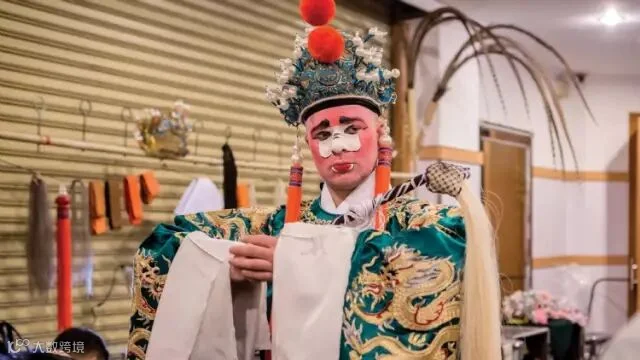
A day in the life of a kunqu performer
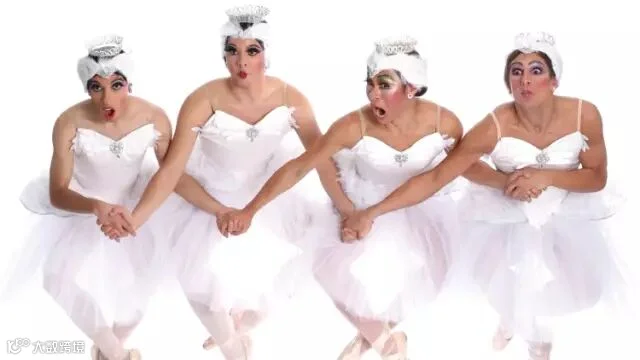
The titans of male comic ballet on tights, tutus and toe shoes