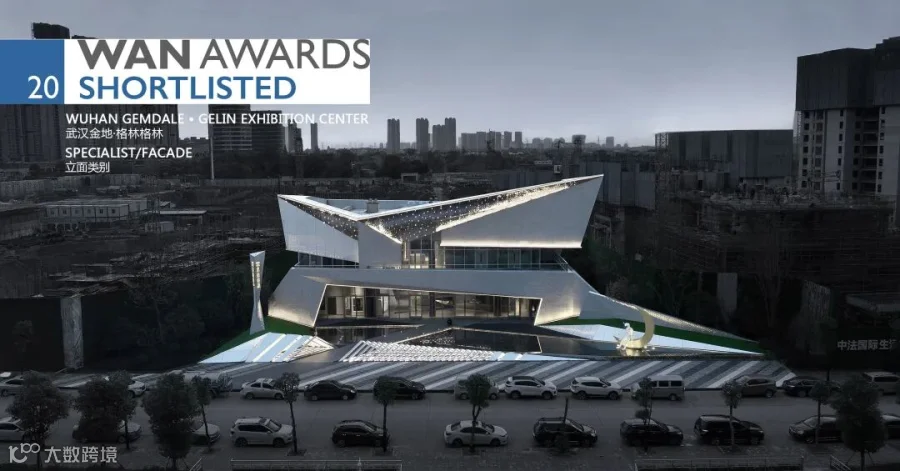
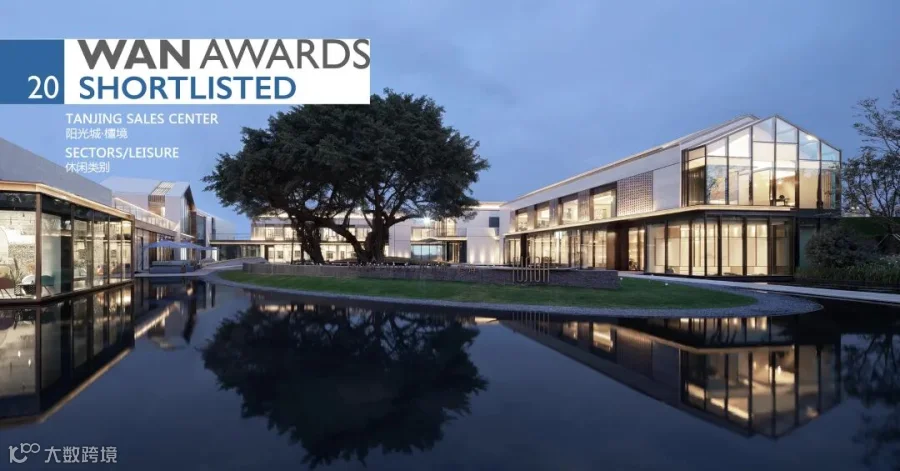
WAN AWARDS(世界建筑新闻奖)近日公布了2020年入围名单,PTA上海柏涛的两项作品「武汉金地·格林格林」与「阳光城·檀境」分别入围了WAN AWARDS 2020世界建筑新闻奖SPECIALIST/FACADE立面类别以及SECTORS/LEISURE休闲类别的总决选。
WAN AWARDS (世界建筑新闻奖)设计奖成立于2005年,是世界最大的建筑设计奖项之一,至今已成功举办了11届。该奖项共设34个类别,分建成、未建成、专项、材料与年度最佳,五大板块,每个奖项类别仅有3-7个入围名额。


https://www.wanawards.com/
奖项由国际平台World Architecture News(WAN,世界建筑新闻网)创办,在全球范围内具有非常广泛的传播量,拥有网站读者45万,年网站访问量80万,6万2千名资讯订阅者以及逾130万社交媒体粉丝。参赛的设计作品能够通过这个平台获得业内的关注度,同时也获得更好的展示平台。
丨 武汉金地·格林格林 丨
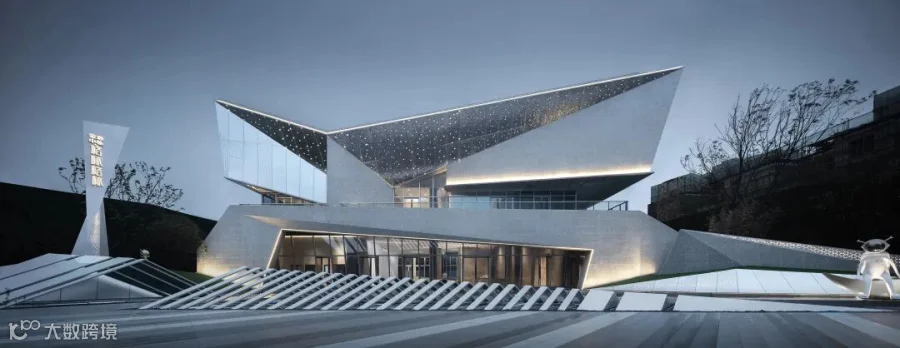
本案所占面积十分有限,紧邻市政道路,又由底商构成,周边可利用资源很少,这是所要直面的难点。最终我们确立的手法是结合当地文脉,以营造视觉上更为震撼的诉求为出发点,在开敞式的前场中坐立了一座极具标识度的建筑,来弥补前场空间体验馆的缺失。
The project, next to urban road, occupies floors for commercial use at the bottom of residential building with a limited land area and doesn’t have enough usable resources around. That is the challenge of the design. Eventually the architects started from the appeal for astonishing visual effects and decided to build an iconic building at the open front court, combined with the local culture, so as to make up for the lack of an experience hall.
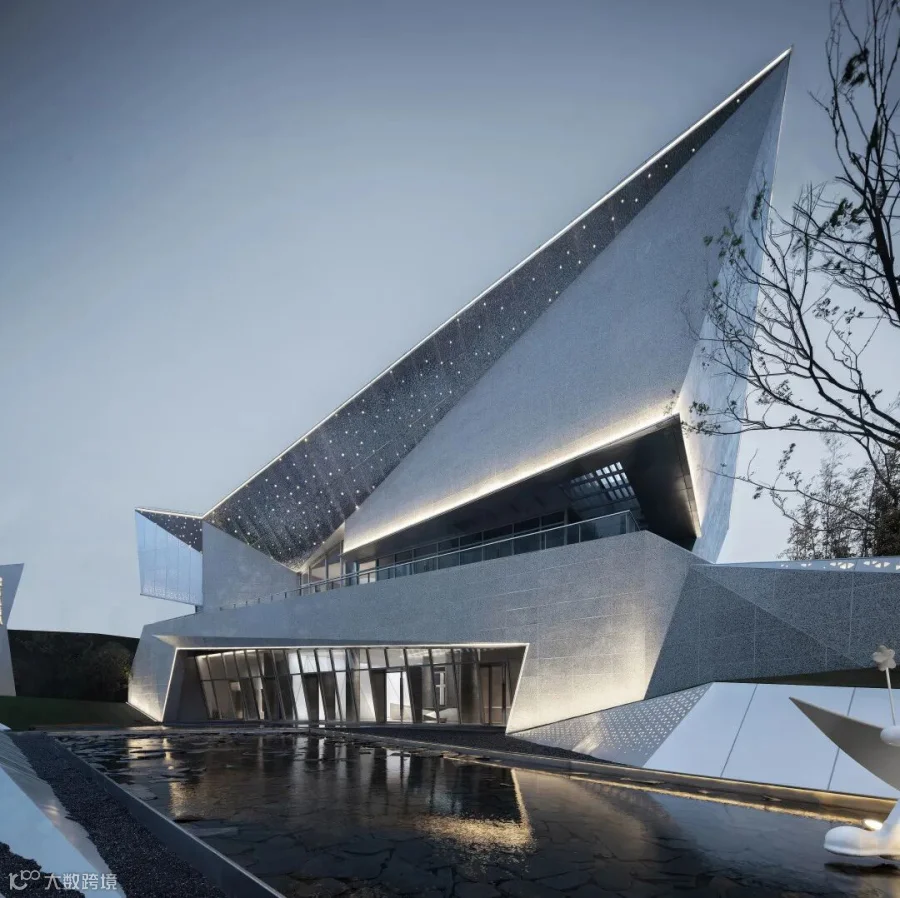
项目所在地块北傍汉江,南临通顺河,东濒长江,与江夏区隔水相望,所以“水”的文脉成为我们设计的主题和灵感来源。我们对场地做了最大化后退,留出广场,引导人流,并在广场前场增加水景,与当地“水文脉”呼应。而建筑形体则通过挤压拔高,成“山”之势,也增加了标识性。
我们将售楼处的前场设计成一个开放但却有一定包裹性的空间,在“湖面”上结合景观设计了多个喷泉,犹如隐匿林间的山洞,路过此处时能听到从内部传出潺潺流水声,引人驻足。以山形为势确立项目的外向基调,用近乎符号化的起伏轮廓加上大悬挑的三角体块,去映射山势和林间怪石为人们所带来的视觉及情感上的最大冲击。
“Water” element becomes the design theme and also a source of inspiration since the project site faces Jiangxia District across the water, with Han River on the north end, Tongshun River on the south and Yangtze River on the east. The design team maximized the setback of the site to create a square for guiding people. Moreover, the water feature is added into the front court, well echoing the local “water” culture. And the form of architecture is raised through extrusion into a mountain shape, which further highlights the building.
The architects made the sales center an open yet partly enclosed space, and arranged several fountains above the “lake surface” together with landscape. The whole picture shows a hidden cave in the forest with the gurgling of water, attracting people to stop to listen. The façade uses the shape of mountain that has a signifying undulating outline and triangle block with large overhang, to bring the optimal visual and spiritual impact the same as astonishing feelings caused by magnificent mountains and grotesque stones.
丨 阳光城·檀境 丨
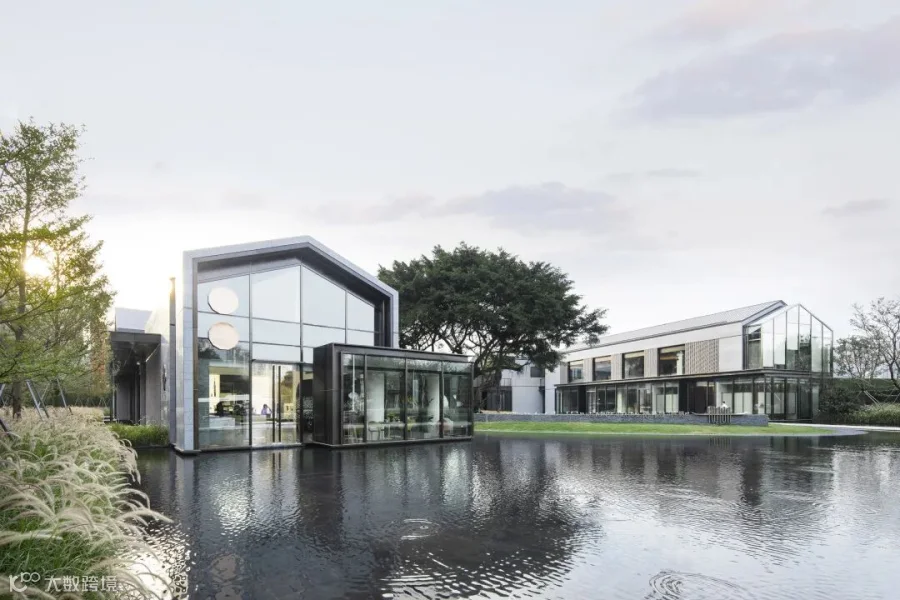
项目位于福州市台江区,北靠历史悠久的内河光明港,毗邻三坊七巷历史街区。规划保留了基地中两棵古榕树,围绕古榕树打造了一系列的空间与内街,还原福州传统的“榕树下、内河旁”的生活方式。售楼处融合龙舟博物馆、绿色智慧生活场景展示、销售中心、休憩游乐等多重空间和功能复合,为周边居民生活注入全新活力。
The project is located in Taijiang District, Fuzhou City. It resides to the north of the historic Guangming Port and next to the Three Lanes and Seven Alleys Historical Area.
The project preserves the two ancient banyan trees on the site, creating a series of spaces and inner streets around them and evoking the traditional Fuzhou lifestyle that exists “under the bayan tree, next to the river.” Green living, art exhibitions, sales center, leisure, and entertainment are all united within the Tanjing Sales center, bringing a new vibrancy to the neighborhood.
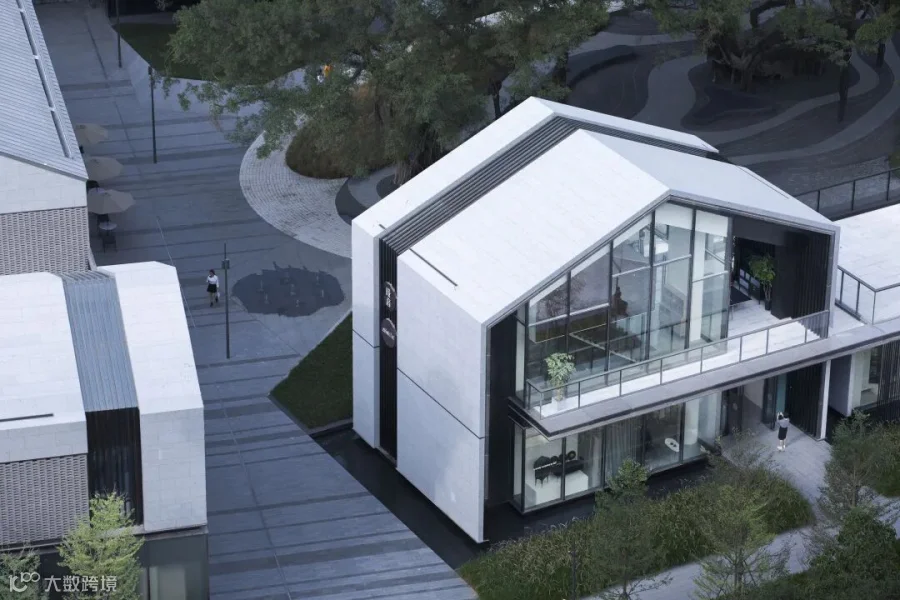
场地规划采用围合式布局,与三坊七巷中的院落关系一致。在用地红线及古树保护范围限定下,建筑以“U”形楔入场地,形成半围合的庭院空间,两棵榕树成为院落空间的中心,功能流线围绕庭院展开,并结合视线关系。形体上打开了与城市联系的入口与通廊,围合与开放的空间属性,形成了多种空间层次。临街面相对开放,通过外部的开放广场,到达围合的内院,内院及广场节点的营造,为城市提供了开放空间及活力。
屋顶的形式和坡度提取自福州传统建筑,福州传统建筑的屋顶坡度较缓,而较缓的坡度能使建筑的气质平和安定。建筑师希望建筑色彩与当地呼应,同时与古树呈现出一个融合的状态。因此材料上以本土取材为原则,强调现代风格与当地文化元素的融合,石材与青砖是外墙的主要材料。
The relationship between the open plaza outside and the enclosed courtyard inside brings a new sense of vitality and tension to the city. The building emphasizes the interaction and harmony between nature, architecture and people. Changes in the height and scale the building are done to reveal the relationships formed by the architecture and the banyan trees.
The shape and slope of the roofs are derived from the traditional buildings of Fuzhou. The gentle character inherent in these rooftops brings stability and calmness to the building. To match the local architecture, the architect uses local stone and brick as the main materials of the wall.
本文部分图片来自网络