



While definitions of investigative reporting vary, among professional journalism groups there is broad agreement of its major components: systematic, in-depth, and original research and reporting, often involving the unearthing of secrets. Others note that its practice often involves heavy use of public records and data, with a focus on social justice and accountability.
Story-Based Inquiry, an investigative journalism handbook published by UNESCO, defines it thus: “Investigative journalism involves exposing to the public matters that are concealed–either deliberately by someone in a position of power, or accidentally, behind a chaotic mass of facts and circumstances that obscure understanding. It requires using both secret and open sources and documents.” The Dutch-Flemish investigative journalism group VVOJ defines investigative reporting simply as “critical and in-depth journalism.”
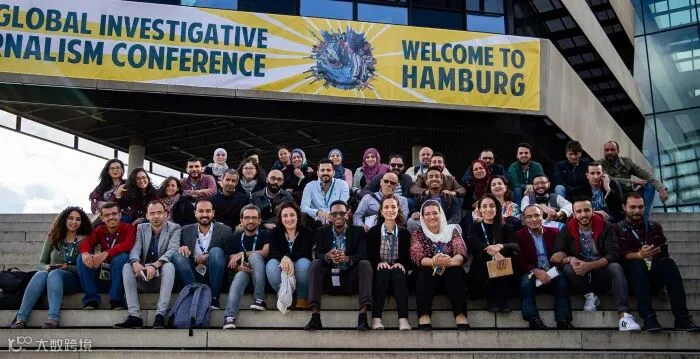 Global Investigative Journalism Conference(GIJC ) 2019 by Global Investigative Journalism Network(GIGN)
Some journalists, in fact, claim that all reporting is investigative reporting. There is some truth to this—investigative techniques are used widely by beat journalists on deadline as well as by “I-team” members with weeks to work on a story. But investigative journalism is broader than this–it is a set of methodologies that are a craft, and it can take years to master. A look at stories that win top awards for investigative journalism attests to the high standards of research and reporting that the profession aspires to: in-depth inquiries that painstakingly track looted public funds, abuse of power, environmental degradation, health scandals, and more.
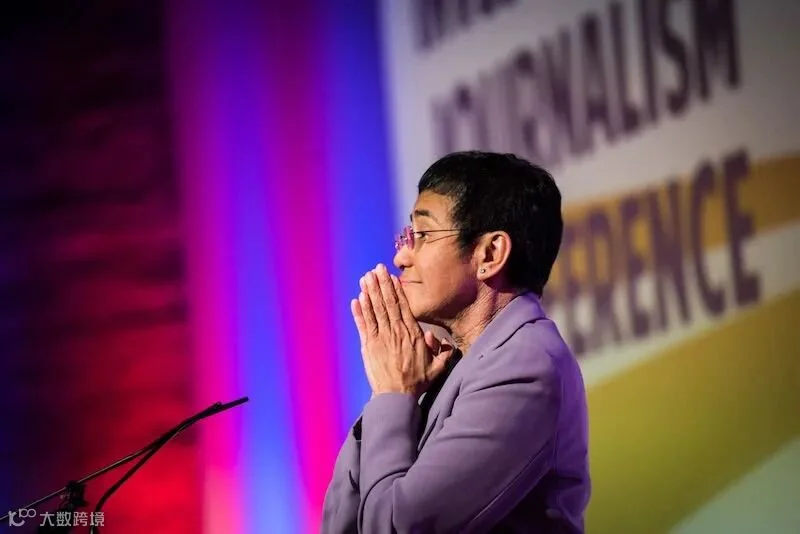
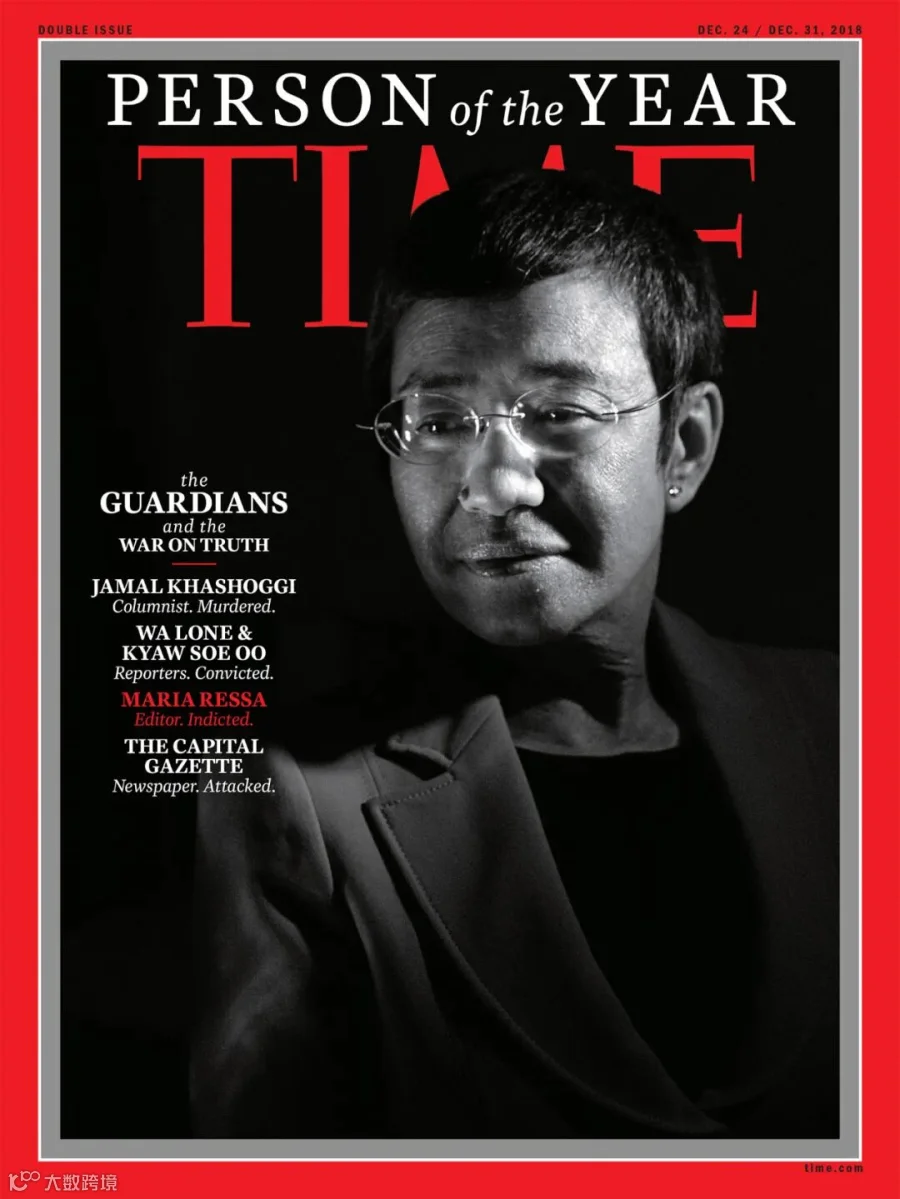
菲律宾全球知名媒体Rappler创始人、人称 “菲律宾最危险的女人” Maria Ressa
Sometimes called enterprise, in-depth, or project reporting, investigative journalism should not be confused with what has been dubbed “leak journalism”–quick-hit scoops gained by the leaking of documents or tips, typically by those in political power. Indeed, in emerging democracies, the definition can be rather vague, and stories are often labeled investigative reporting simply if they are critical or involve leaked records. Stories that focus on crime or corruption, analysis, or even outright opinion pieces may similarly be mislabeled as investigative reporting.
Veteran trainers note that the best investigative journalism employs a careful methodology, with heavy reliance on primary sources, forming and testing a hypothesis, and rigorous fact-checking. The dictionary definition of “investigation” is “systematic inquiry,” which typically cannot be done in a day or two; a thorough inquiry requires time. Others point to the field’s key role in pioneering new techniques, as in its embrace of computers in the 1990s for data analysis and visualization. “Investigative reporting is important because it teaches new techniques, new ways of doing things,” observed Brant Houston, the Knight Chair of Journalism at the University of Illinois, who served for years as executive director of Investigative Reporters and Editors. “Those techniques blend down into everyday reporting. So you’re raising the bar for the entire profession.”
Excerpted from Global Investigative Journalism: Strategies for Support, David E. Kaplan, Center for International Media Assistance, 2013. Kaplan is executive director of the Global Investigative Journalism Network, an association of 184 nonprofit groups in 77 countries that work to support investigative reporting.

(真实影像编辑:中文翻译有删改)
调查性报道到底应该如何定义?这个问题暂时没有统一而确切的答案。多家专业新闻机构都认为应该这样去表述调查性报道的主要要素:系统化的、深入的、原汁原味的调查与报道,并且通常会带来秘密的揭露。还有部分新闻机构提出,调查性报道通常会大量使用到公开的数据和记录,而且调查性报道关注于社会责任和公共正义。


联合国教科文组织(UNESCO)出版了一本关于调查性报道的手册,叫做Story-based Inquiry,手册中给出了这样的定义:“调查性报道旨在曝光不为人知的重大社会问题;这些社会问题或者是被刻意隐藏,或者是淹没在错综复杂的背景和事实之中,显得模糊不清;因此,做调查性报道既要挖掘隐秘的信息,也要利用公开的资料。”相比之下,荷兰佛兰德的调查性报道组织VVOJ给出的定义则较为简单:“批判性的深入的新闻报道。”
事实上,有些新闻工作者认为所有的报道都是调查性报道。这种想法并非毫无道理:调查性报道的技术被广泛地应用着,赶截稿日期的新闻记者会用到,花费数周时间包装一个新闻故事的”I-team”新闻小组也会用到。但是,真正意义上的调查性报道要比这些应用更广阔。调查性报道是一整套方法论构成的一门手艺,这门手艺需要花费数年的时间才能掌握。读过几篇获得调查性报道大奖的新闻故事之后,你就会发现调查性报道有着很高的调查和报道水平。这些新闻故事深入而艰苦地追踪着被私吞的公共财产、被滥用的权利、恶化中的环境和医疗上的丑闻等等。


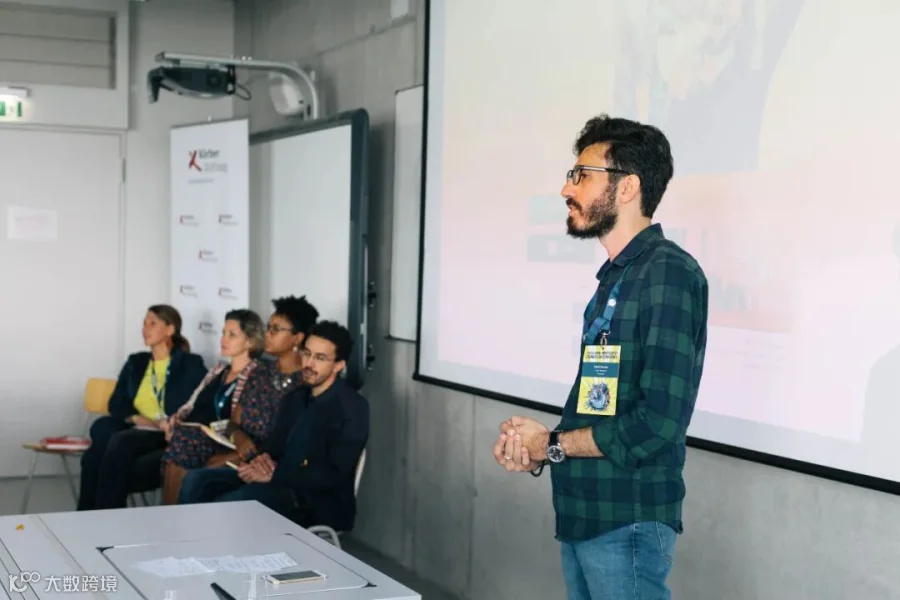
根据调查性报道改编的奥斯卡金奖电影《聚焦 Spotlight》,其原型为波士顿环球报“聚焦”小组主编、普利策奖获得者 Walter V. Robinson在同为GIJN举办的IJASIA上面对调查记者讲话。
核心点:系统化的、深入的、原汁原味的调查和报道,并且通常会带来秘密的揭露。
调查性报道有时也被称为深度报道、企业报道或项目报道。但我们应该把它和所谓的“揭密新闻”区分开。(揭秘新闻指的是对泄露出来的文件或信息的报道,通常和政治有关)在新兴的国家中,调查性报道的定义显得尤为模糊。在这些国家,一个新闻报道仅仅因为具有批判性或者包含泄密信息,就会被贴上调查性报道的标签;同样的,关注于犯罪或腐败话题,包含分析性和较为坦率的观点的报道也会被误认为是调查性报道。


资深的调查性报道培训者们指出,优秀的调查性报道会应用一套完整的方法论,它主要依赖于初级信息,并且需要建立并验证一个假设,还要做到缜密的事实审核。“调查”这个词在词典中的定义是“系统地了解与审核”。调查需要时间,通常不是一两天就可以完成的。还有一些人士指出调查性报道在使用新技术上扮演者先驱者的角色。比如,从上个世纪90年代开始,这个领域就开始使用计算机进行数据分析和可视化报道。伊利诺伊大学新闻学院的荣誉主席,曾经担任过美国调查记者编辑协会执行主任的布兰特·休斯敦(Brant Houston)观察到:“调查性报道的重要性在于,它教会人们新的技术和做事情的新方法。这些新技术被应用到调查记者的日常工作中,并且提升了整个领域的水准。”
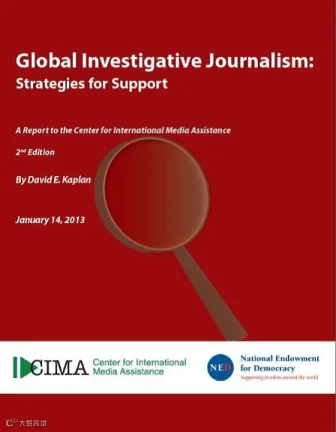
节选自国际媒体中心(Center for International Media Assistance)2013年的报告《全球调查性新闻:支持策略》。作者David E. Kaplan是全球调查性新闻协会(Global Investigative Journalism Network)的执行主席,该协会在全球45个国家设有45家旨在支持和推广调查性报道的非盈利机构。(译:关博)



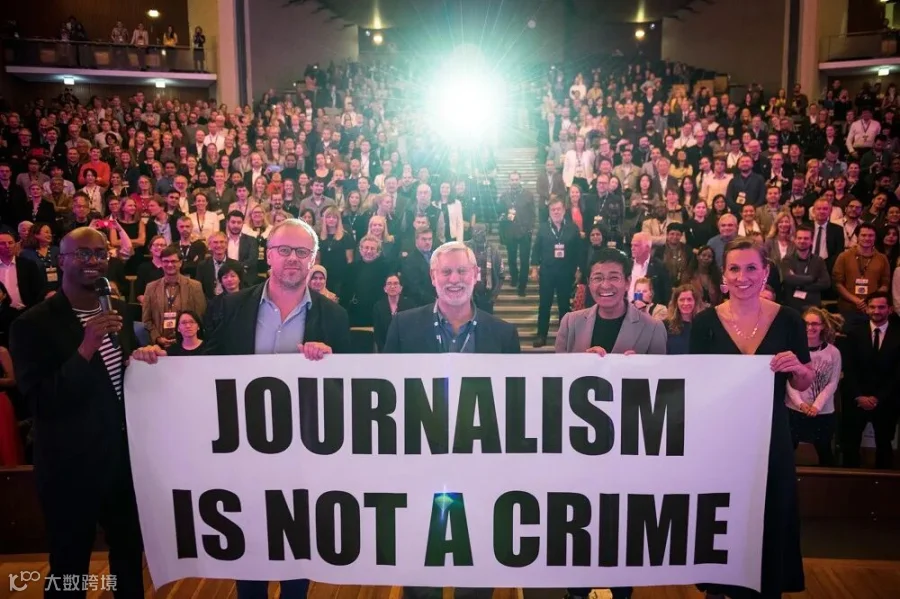
Journalism is not a Crime.
Sure.