
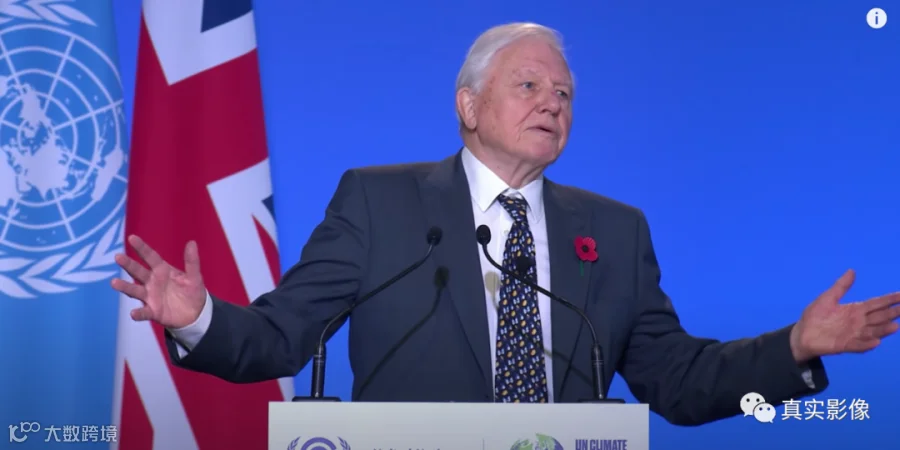
人称“世界自然纪录片之父”的自然博物学家大卫·爱登堡爵士(David Attenborough)作为"人民倡议者”(people's advocate)出席格拉斯哥气候大会开幕式并发表演讲,呼吁各国政府采取务实行动减少碳排, 期待各方合力“化悲剧为胜利”,挽救“已经陷入困境”的地球。
大卫·爱登堡说,在他 95 年的生命中目睹了“可怕的衰退”,他说:“谈判很容易让人们忘记,气候行动其实最终是关于一个数字——大气中的碳浓度。由于这一数字升高过快,人类已经陷入困境。而这次大会是“改写人类命运”的最后机会。”
同时,他还批评发达国家,称发展中国家的人们 “在造成这个问题上做得最少的人受到的打击最大”这一不平等现象。
不过,大卫·爱登堡在演讲中仍然说他相信下一代能够而且应该看到“美妙的复苏”,他说人类是“地球上有史以来最伟大的问题解决者”,并呼吁领导人在努力应对气候变化时考虑到年轻一代。
界面新闻特派格拉斯哥记者王磬在手记中这样写道:“一个95岁的老人,在台上激昂地讲述着他为之投身的事业,我很难形容自己听完这个演讲之后的震撼。镜头扫过观众席的前排,坐着拜登、默克尔、马克龙,还有一众世界领袖。还有观众在擦拭眼泪。”
而原联合国环境规划署新闻官员,斑马地图创始人刘良斌评论道:”大卫·爱登堡最后的发言大白话翻译:我一辈子见证了太多物种丧失,希望在你们的有生之年能够、必须挽救我们的星球,未来的两周你们就不要东拉西扯了,共同努力完成大会目标,否则你们将会被子孙们唾弃,遗臭万年!”
为何“最后的挽救时限”喊了这么次?
好在,还有人泪流满面。
可是,我们已经到了靠眼泪拯救世界的境地吗?
双脚走出来的自然博物学家 用镜头记录世界之变
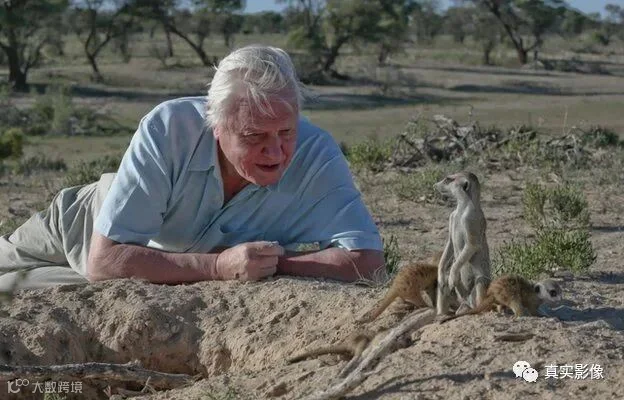
纪录片导演、自然节目主持人大卫·爱登堡,是用双脚走出来的自然博物学家和自然历史学家。他参与制作的一系列BBC(英国广播公司)自然纪录片(如《蓝色星球》《行星地球》及《冰冻星球》)位列英国民众心目中“100位最伟大的英国人”榜单,而且,为表彰他对保育大自然的贡献,还有不少动植物以他的名字命名,比如,有一种“阿滕伯勒”长喙针鼹鼠(Sir David's long-beaked echidna。
近年来大卫的重要作品包括如《地球改变之年 The Year Earth Changed》
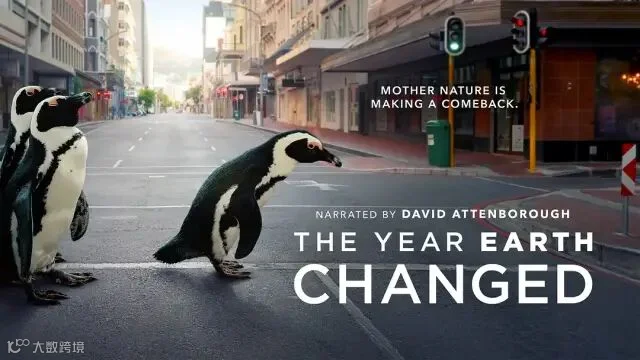
为 2021 年世界地球日 ,Apple TV+ 首播由BBC Studios Natural History 制作、Tom Beard 执导的纪录片《地球改变之年 The Year Earth Changed》在全球大封锁的背景下,看到沉寂的城市传来鸟鸣、鲸鱼有了新沟通方式、水豚出没于南美洲郊区,世界各地的人都有机会以前所未见的方式接触大自然。人类行为的变化:减少邮轮交通、阶段关闭沙滩、寻找人与野生动物和谐相处之法等。
将子无 老真,公众号:真实影像漫谈 “瞒”与“误” 在野兽出笼前
又如,《大卫·爱登堡:我和我们的星球 David Attenborough: A Life on Our Planet》
这部独特的纪录长片由野生动物电影公司 Silverback Films 和全球环境组织 WWF 共同制作,由一个比其他任何人都更了解自然界的人(大卫·爱登堡)为我们讲述这个星球上的生命的故事。
在 90 多年的时间里,爱登堡走访了地球上的每一块大陆,探索了这个星球上的荒野之地,记录了生物世界的多样性和奇妙之处。现在,他第一次反思了他作为博物学家一生中的决定性时刻以及他所看到的毁灭性变化。
这部电影为未来几代人提供了面对地球上巨大挑战的强有力并充满希望的信息。这部电影是爱登堡对自然界的解说,于 2020 年9月28日在全球各地的电影院首映,10月4日在Netflix全球上映。
在同名书籍中,大卫说,曾经的热带雨林与浮游植物群落锁住了大量的碳,以此维持大气的平衡。而今雨林不存、水体酸化,也就打开了释放甲烷与二氧化碳的阀门……他还在此提到了令人不安的“往事”——两亿五千两百万年前的二叠纪晚期,火山爆发导致地球气温上升到比今天高六摄氏度的水平,随之而来的是地球生命史上最严重的一次大灭绝——百分之九十六的海洋物种就此消亡……“我们已经超越了地球的安全活动空间。‘大加速’像任何爆炸一样……在生命世界造成同样激烈的反作用——‘大衰退’”。
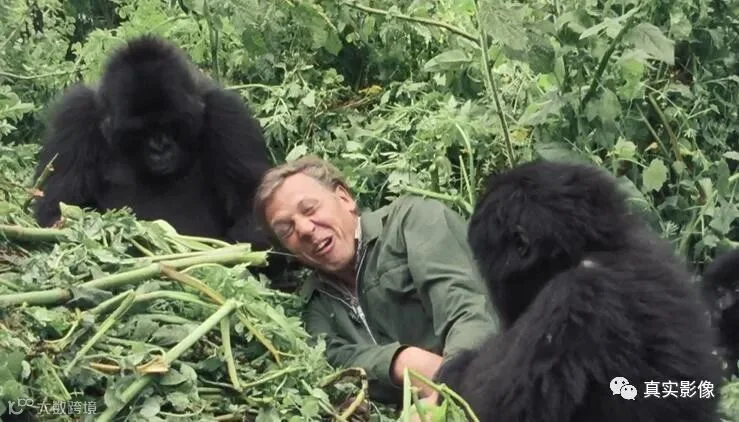
大卫·爱登堡今年在出席联合国安理会关于气候的会议时将气候变化问题称为“现代人类有史以来面临的最大威胁”,并向世界各国领导人发出警告称:“现在为时已晚”。
他还强调,现在已经不再是气候稳定而安全、孕育文明的时期。“没有回头路可走。无论现在我们要做什么,要避免气候变化为时已晚。现在最贫穷、最脆弱、受安全保障最低的人们肯定会遭受苦难。”
爱登堡曾称这次COP26可能拯救地球,“是最后一次必须做出改变的机会”。

难道我们要这么依赖一位近百岁的纪录片导演来反复提醒我们所面临的危机?公众以及各界的认知和共识固然重要,而决策者们拿出来可行以及能兑现的办法则不可或缺。
大卫是否会再次失望?
近期一项针对气候科学家的调查显示,很多科学家认为,全世界温室气体减排的速度不足以避免一场气候大灾难:
在COP26之前,联合国新发布了《2021排放差距报告》,仅在原先预测的2030年温室气体年排放量基础上减少了7.5%,更新后的2030年气候承诺只提到“截至本世纪末升温至少2.7°C“,而要想维持《巴黎气候协定》2℃温控目标的最低成本路径,则要求实现30%的减排,要想实现1.5℃目标,需要减排55%。
目前看来,就算把国家自主承诺全部兑现,仍然离以上目标相距甚远。但是如果各国雄心勃勃的“净零”目标并全面实施,“净零”承诺有助于将全球变暖额外降低0.5°C,也就是2.2°C。然而,当前全球“净零“承诺仍然含糊不清,多数尚不完整,并且与大多数国家的2030年国家自主贡献目标不一致。
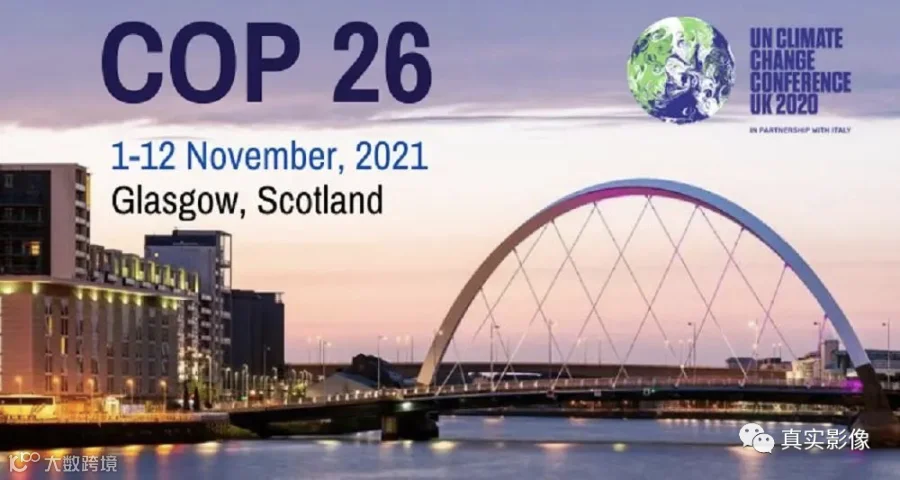
而被大卫称为“最后一次机会”的COP26大会,在刚结束的世界领导人峰会上,氛围并不轻松。
会议上,大量岛国声嘶力竭为生存而呼喊,非洲国家呼吁发达国家加大援助。印度提出2070年前实现碳中和的承诺,这令舆论普遍感到失望,不过也有分析认为,莫迪的折中方案是既想要认真对待气候变化,又不愿意损害印度的经济发展潜力。
BBC编辑尼古拉斯·瓦特说,G20国家没有就淘汰煤炭等议题达成共识,把全球平均气温较工业化前水平升高控制在1.5℃之内的目标或许要落空。
此次COP26,拜登努力让美国发挥积极甚至领导作用,重返《巴黎协定》的美国计划2030年温室气体排放量将降低50%—52%,尽管这仍不足以实现使全球升温限制在1.5℃以下的目标。而在COP26召开同时,美国国会就拜登3.5万亿美元“重建美好未来”支出法案表决,法案中“清洁电力绩效计划”可能收到重创,削减支出将对拜登的气候议程构成毁灭性打击,并削弱拜登在COP26的话语权。
英国的气候活动人士米凯拉·罗奇表示,“我认为气候危机的主要责任在于英国、欧洲、美国等发达国家和地区,这些国家创造了导致气候危机的经济发展模式,并且向全世界输出了这种模式,而英国一边在说自己是气候行动的领导者,一边在批准和投资新的天然气和石油项目,这显得很虚伪。”
另外,具英国皇家艺术学会一项民调显示,虽然大部分民众支持采取行动应对气候变化,但民众对于转型带来的经济压力、政府气候行动中的民众参与度等问题,有着不少担忧。英国影子商务大臣说,按照英国的碳中和战略,仅居民住宅改造这一项的费用就高达1000亿英镑,这些钱由谁来出,会带来多少经济压力,民众有理由为此感到担心。
相关阅读:
Green Echoes对话邱嘉秋:《被砍断的地球肺》与全球供应链调查

大卫·爱登堡演讲原文:
As you spend the next two weeks debating, negotiating, persuading and compromising, as you surely must, it's easy to forget that ultimately the emergency climate comes down to a single number — the concentration of carbon in our atmosphere.
The measure that greatly determines global temperatures and the changes in that one number is the clearest way to chart our own story. For it defines our relationship with our world.
For much of humanity's ancient history, that number bounced wildly between 180 and 300 (parts per million). And so too, did global temperatures. It was a brutal and unpredictable world.
At times, our ancestors existed only in tiny numbers. But just over 10,000 years ago, that number suddenly stabilised and with it, Earth's climate.
We found ourselves in an unusually benign period with predictable seasons and reliable weather. For the first time, civilisation was possible and we wasted no time in taking advantage of that.
Everything we've achieved in the last 10,000 years was enabled by the stability in this time. The global temperature over this period has not wavered over this time by more than +/- 1 degree Celsius. Until now.
Our burning of fossil fuels, our destruction of nature, our approach to industry, construction and learning, are releasing carbon into the atmosphere at an unprecedented pace and scale. We are already in trouble.
The stability we all depend on is breaking. This story is one of inequality as well as instability.
Today, those who've done the least to cause this problem are being the hardest hit. Ultimately all of us will feel the impact, some of which are now unavoidable.
Is this how our story is due to end? A tale of the smartest species doomed by that all too-human characteristic of failing to see the bigger picture in pursuit of short-term goals.
Perhaps the fact the people most affected by climate change are not some imagined future generation, but young people alive today.
Perhaps that will give us the impetus we need to rewrite our story, to turn this tragedy into a triumph. We are, after all, the greatest problem solvers to have ever existed on Earth.
We now understand this problem, we know how to stop the number rising and put it in reverse.
We must halt carbon emissions this decade. We must recapture billions of tonnes of carbon from the air.
We must fix our sights of keeping 1.5 degrees in reach. A new industrial revolution powered by millions of sustainable innovations is essential and is indeed already beginning.
We will all share in the benefits of affordable clean energy, healthy air and enough food to sustain us all. Nature is a key ally, whenever we restore the wild it will recapture carbon and help us bring back balance to our planet.
As we work to build a better world, we must acknowledge no nation has completed its development because no advanced nation is yet sustainable.
All have a journey still to complete so all that nations have a good standard of living and a modest footprint.
We again have to learn together how to achieve this, ensuring none are left behind. We must use this opportunity to create a more equal world and our motivation should not be fear, but hope.
It comes down to this, the people alive now are the generation to come, will look at this conference and consider one thing: Did that number stop rising and start to drop as a result of commitments made here?
There's every reason to believe that the answer can be yes.
If working apart, we are a force powerful enough to destabilise our planet. Surely working together, we are powerful enough to save it. In my lifetime, I've witnessed a terrible decline.
In your lifetimes, you could and should witness a wonderful recovery. That desperate hope ladies and gentleman, delegates, excellencies, is why the world is looking to you and why you are here. Thank you.