![Dare To Grow Up 这所学校正试图打破教育僵局 [真实影像×VICE]](https://cdn.10100.com/user/04fa711f4317c530e2491ba62dff9810_180x.png)
本文原载并发布于2022年6月22日《VICE》全球 “REAL IMAGE COLLECTION 真实影像甄选” 专栏,该专栏由中国真实影像传媒(REAL IMAGE MEDIA)与VICE合作推出,旨在向全球推荐华语国家和地区优秀的现实题材影像作品及所其关注的公共话题,希望世界对华语世界“眼见为实”。

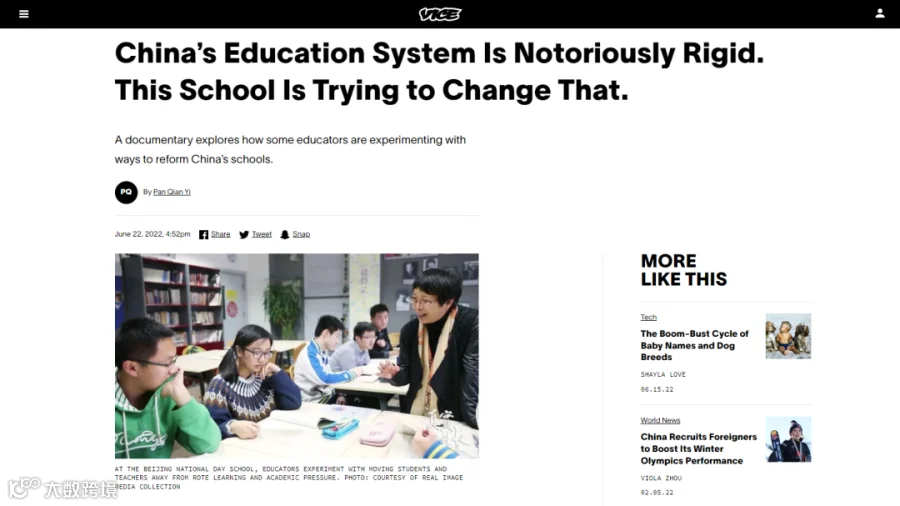
“中国的教育体系僵化严重,这所学校正试图改变这种状况——《真实生长》”,刊登于VICE。
China’s Education System Is Notoriously Rigid. This School Is Trying to Change That 中国的教育体系僵化严重,这所学校正试图改变这种状况 —— 纪录片《真实生长 Dare To Grow Up》
By Pan Qian Yi, Lu Jialin
A documentary explores how some educators are experimenting with ways to reform China’s schools.
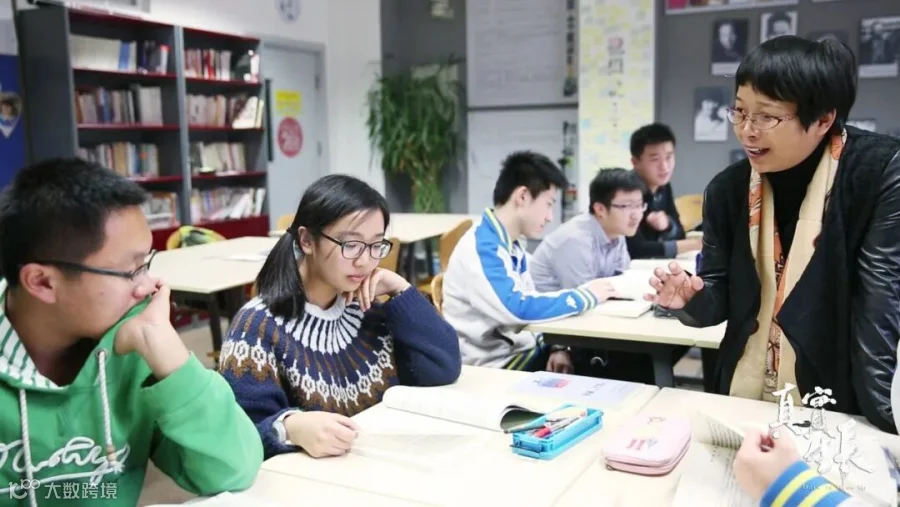
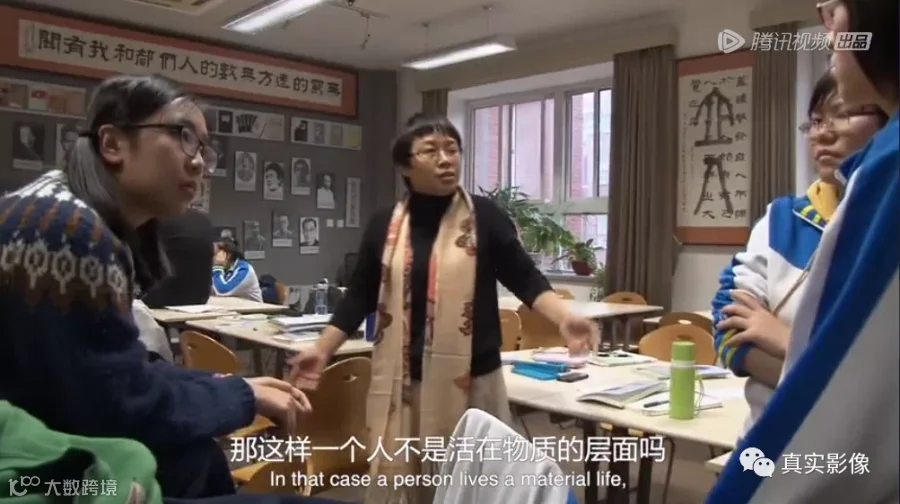
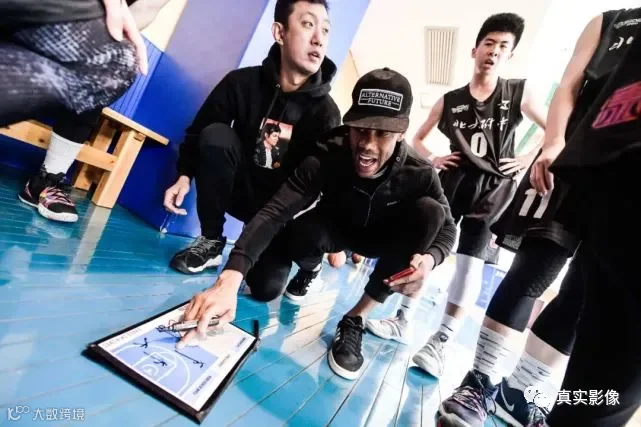
AT THE BEIJING NATIONAL DAY SCHOOL, EDUCATORS EXPERIMENT WITH MOVING STUDENTS AND TEACHERS AWAY FROM ROTE LEARNING AND ACADEMIC PRESSURE. PHOTO: COURTESY OF REAL IMAGE MEDIA COLLECTION
With a globally notorious national college entrance exam—also known as “gaokao”—taking center stage in the Chinese education system, Chinese families have long subscribed to the idea that academic excellence is a sure way to social mobility. Authorities believe the test is the fairest way to assess skills, but many students are already crumbling under the backbreaking pressure. Some fling textbooks off roofs in protest of the gaokao, while others cheat on exams with cutting-edge devices.
Since the 1990s, teachers and authorities have been trying to reform the country’s education system, in an attempt to expand the narrow focus on academic performance. Across the country, some schools have been selected to experiment with alternative curricula. The Beijing National Day School is one of them.
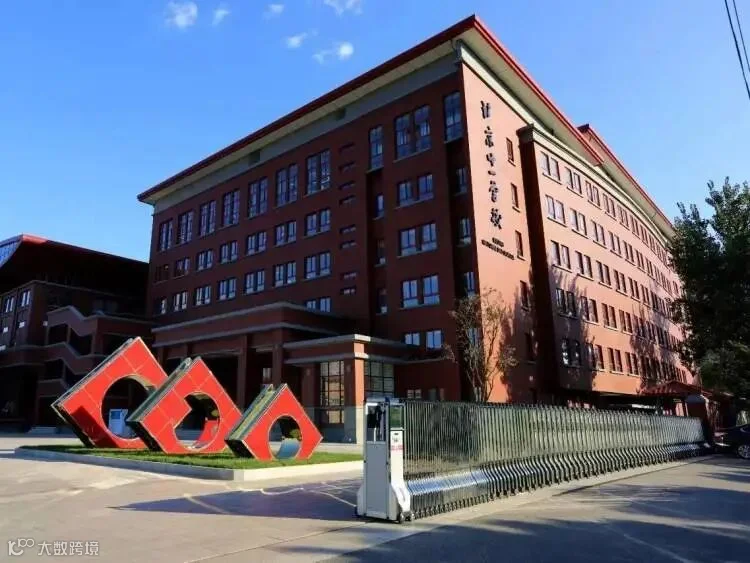
THE BEIJING NATIONAL DAY SCHOOL. PHOTO: COURTESY OF REAL IMAGE MEDIA COLLECTION
Featured in the documentary series Dare to Grow Up, the Beijing National Day School was the first school in the country to adopt a revised education system. Since the 1990s, it has been introducing policies that aim to shift the spotlight away from grades, allowing students to choose their own difficulty levels for schoolwork.
“In Beijing National Day School, learning skills took precedence over instilling knowledge,” said Qiu Jiaqiu, one of the first students who graduated the school in the 1990s. “Students were given huge autonomy instead of an emphasis on discipline, with great encouragement to be independent thinkers and to challenge authority.”
As a laboratory for China’s education reform, students at the Beijing National Day School enjoy unusual levels of freedom. Besides being able to choose their teachers, students regularly participate in referendums on school conditions, such as phone usage during self-study periods and canteen food prices. In some cases, students are encouraged to remove their uniforms during classroom discussions about their self-identity.
Democratic processes are also a major feature of the school, which upheld a supportive environment for students to voice their demands. Among other things, the student body has successfully convinced the school administration to lift a ban on dating and allow them to join school associations in the afternoon.
“All rights are just empty words unless they are fought for,” the student union’s motto reads.
It’s not just China that’s seriously looking into its education system—there have long been calls for new ways of thinking about education goals around the world.
“It can be argued that sustaining and enhancing the dignity, capacity and welfare of the human person in relation to others, and to nature, should be the fundamental purpose of education in the twenty-first century,” said a 2015 United Nations report on how countries can reframe their education systems.
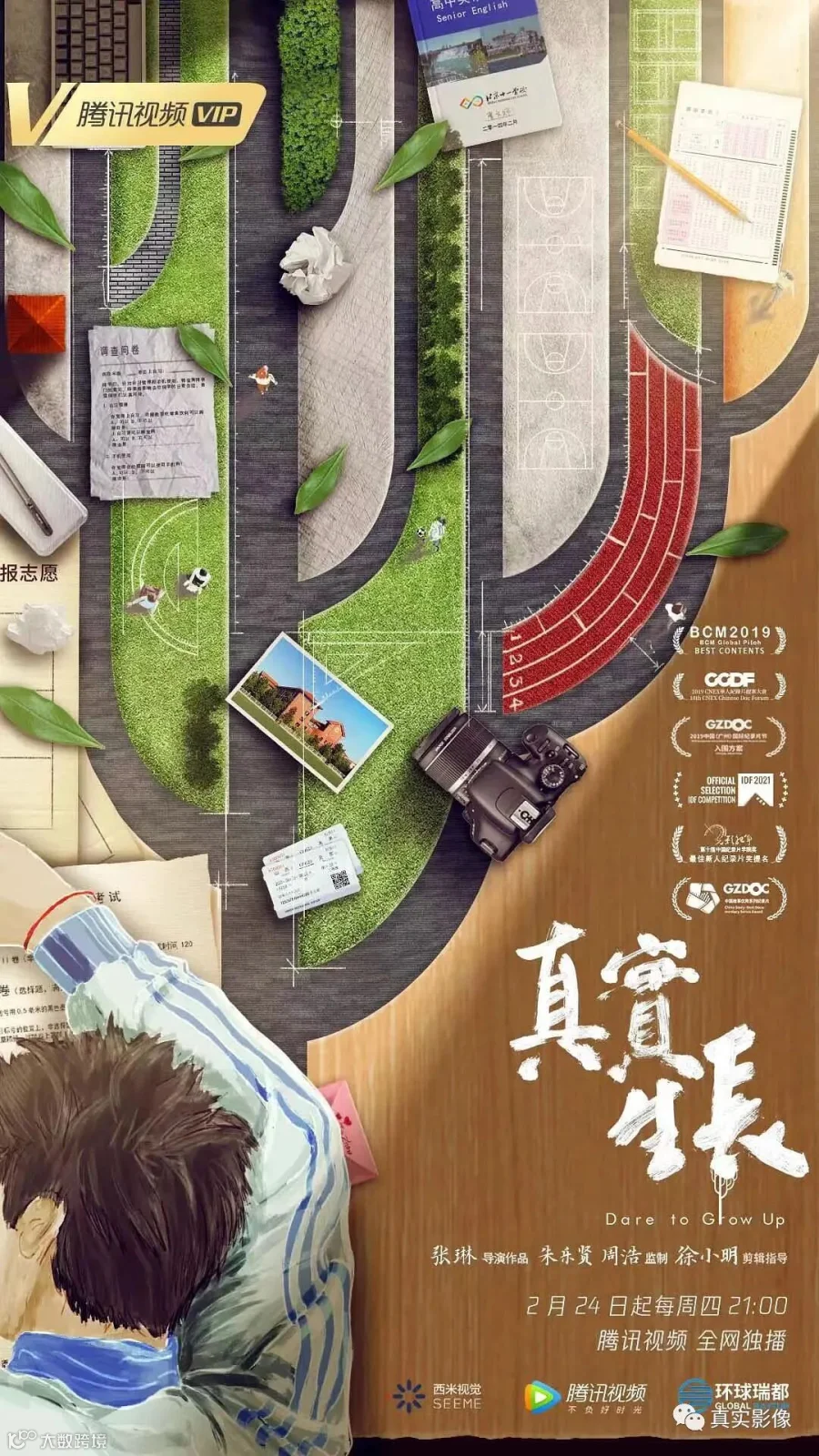
Dare to Grow Up follows students in the Beijing National Day School, from freshmen in high school to fresh university graduates. “The focus falls on our three protagonists’ inner growth and personal choices,” said director Zhang Lin.
Shot over the course of 10 years, the documentary has become a time capsule of sorts, capturing the problems that continue to plague China’s education reform today. Most notably, despite the best intentions of education reformers, the fixation on academic achievements remains stubbornly rooted in the minds of students and teachers, as they struggle to keep up with the changes, a stark difference from the rote learning that they were once familiar with.
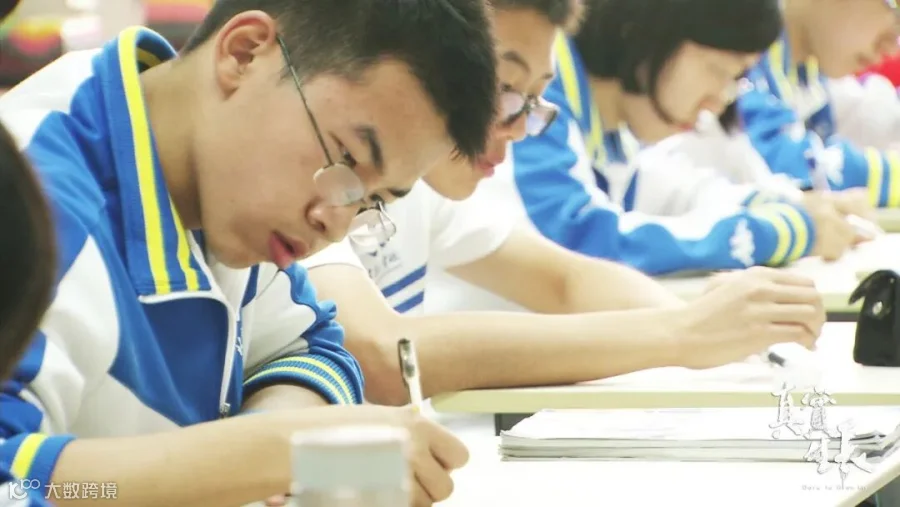
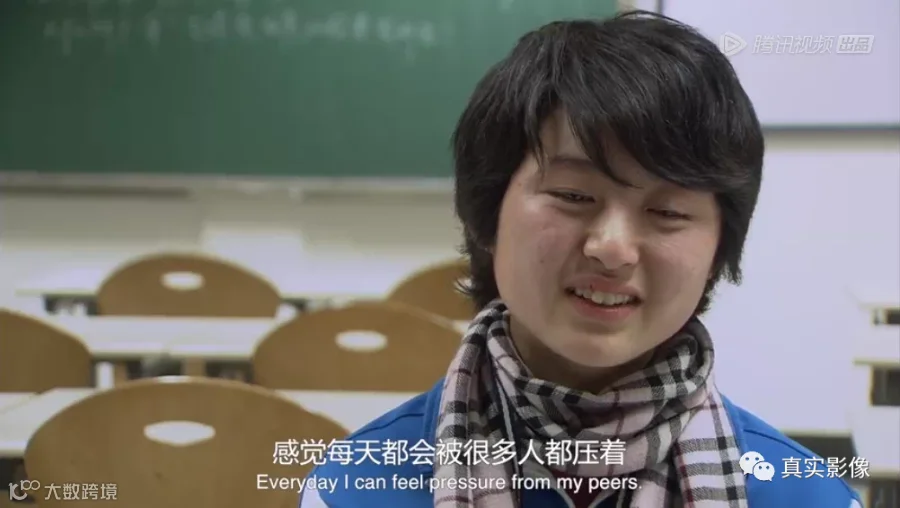
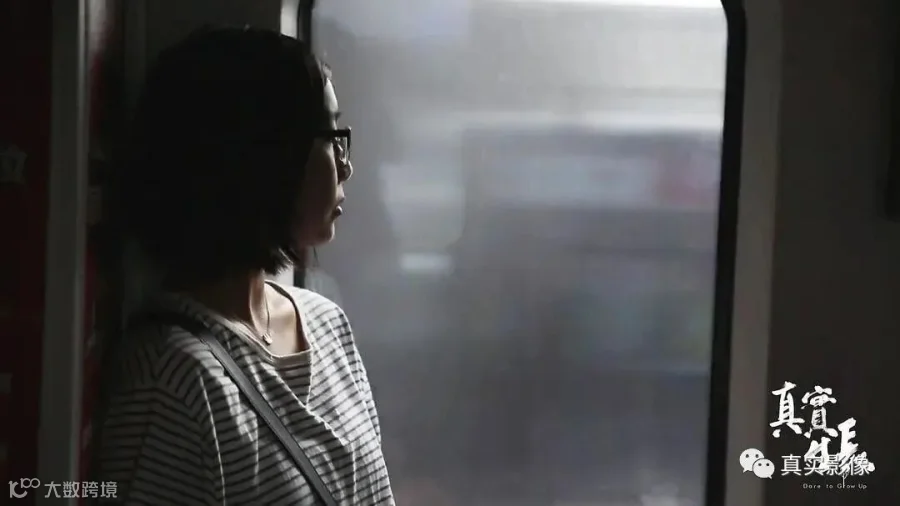
IN CHINA'S SCHOOLS, STUDENTS ARE HARDWIRED TO EXCEL ACADEMICALLY THROUGH ROTE LEARNING, A METHOD THAT HAS INCREASINGLY COME UNDER FIRE FOR ITS RIGIDITY. PHOTO: COURTESY OF REAL IMAGE MEDIA COLLECTION
“Nobody cares about me now,” said Li Wenting, a student who was known for excelling in school but started to feel lost when she entered the Beijing National Day School, where exams were not the main focus and teachers were no longer on her back about her academic performance.
The drastically different style of education in the Beijing National Day School has also unsettled some teachers, who feel like they can no longer get a hold of their students or assign them homework, since they can hardly keep track of their whereabouts.
But for other students, the new autonomy has turned out to be a welcome change.
“I think the biggest influence that the Beijing National Day School had on me is, it has taught me how to grow into myself despite complexities,” said Chen Chuqiao, another student featured in the documentary. “I think this is important for me to know my own place in the world.”
Despite decades-long attempts at shifting away from an academic-focused curriculum, the fixation on grades has continued to reign in China’s schools. In 2020, authorities identified a disturbing trend of student suicides, due in part to academic pressure when school schedules were disrupted by COVID-19.
While China continues to trial and error with educational reforms, in hopes of striking the right balance between building knowledge and character, some students emerging from Beijing National Day School say that the alternative education style has shaped them in positive ways.
“What the Beijing National Day School taught us was that in this environment where we can grow freely, we can discover what we really want to do,” said Chen.
In partnership with Real Image Media Collection.
All in “Real Image Collections”