


本场全体会议主持人
Moderator of the Session
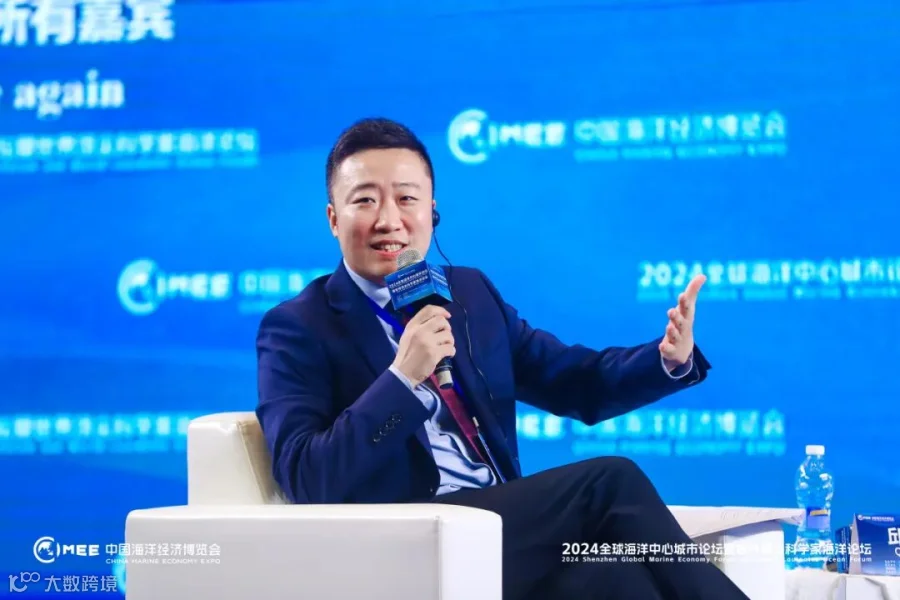
邱嘉秋Qiu Jiaqiu
中欧可持续发展交流中心联合创始人、副理事长,真实影像创始人
Co-founder and Vice Chairman, Sino-European Center for Sustainability; Founder, Real Image Media
一
全体会议介绍
Introduction of Plenary Session
2024全球海洋中心城市论坛暨世界顶尖科学家海洋论坛(即中国海洋经济博览会宏观论坛)围绕海洋科技、海洋产业、航运运输、海洋文明、海洋合作治理等维度设置10场全体会议。
The 2024 Shenzhen Global Marine Economy Forum and World Laureates Ocean Forum (hereinafter referred to as “the Forum”) served as the strategic forum of the CMEE, featuring ten plenary sessions focused on critical metrics, including marine technology, industries, shipping and transport, marine culture, and ocean governance.
本场全体会议讨论的话题是加快海洋生态保护进程,推动蓝色经济可持续发展。
This plenary session has focused on the topic: "Moving Faster on Restoring Marine Ecosystems and Ensuring Their Long-Term Sustainability"
本场发言嘉宾:
This plenary session featured five distinguished speakers
尤艮·皮其,汉堡工业大学和汉堡港口城市大学创校教授
Jürgen Pietsch, Founding Professor, Hamburg University of Technology and HafenCity University Hamburg
张亦默,世界自然基金会(WWF)北京代表处可持续蓝色经济项目主任
ZHANG Yimo, Director, Sustainable Blue Economy Program, WWF Beijing
杨松颖,新加坡亚洲公益创投网络(AVPN)气候行动平台副总监
Patrick Yeung, Associate Director, Climate Action Platform, AVPN (Asia Venture Philanthropy Network)
麦嘉莉,城市土地学会大湾区执行董事
Kelly MAI, Executive Director, Greater Bay Area, Urban Land Institute (ULI)
王建丽,浙江蓝景科技有限公司董事长、2023年联合国“地球卫士奖”获得者
WANG Jianli, Chairman, VisionBlue and recipient of the 2023 United Nations "Earth Guardian Award"
会议讨论提要:
在本场讨论中,各位嘉宾围绕海洋生态保护和蓝色经济的可持续发展展开深入探讨。尤艮·皮其教授指出,随着气候变化带来的海平面上升和资源过度消耗,沿海城市面临巨大挑战。他强调,新技术要与新思维结合,以实现发展与资源节约的平衡,并倡导企业与NGO合作应对生态危机。张亦默展示了粤港澳大湾区生态系统核算研究的主要成果,指出通过分析生态系统的存量和流量,可以量化海洋保护价值,从而引导金融投资助力可持续发展。杨松颖强调了公益组织在蓝色经济中连接企业、政府与公众的桥梁作用,并倡导通过社会影响力投资和政府主导源头治理支持海洋保护。麦嘉莉介绍了推动粤港澳大湾区沿海城市可持续发展的创新举措,如生态创新网络和绿色蓝图计划,以推动绿色建筑、碳减排和海洋生态保护。她认为跨界合作和最佳实践分享对于应对海洋生态挑战至关重要。王建丽分享了海洋垃圾治理的创新实践,包括建立数字化平台整合多方资源、推行“三色码”管理机制和“海洋云仓”,实现海洋废弃物的高效收集和处理。她还建议成立海洋保护基金来支持跨城市合作。
During this session, participants focused on advancing marine sustainability and promoting the blue economy. Professor Jürgen Pietsch highlighted the challenges coastal cities face from sea-level rise and resource overuse, advocating for a balance between development and conservation through new technology and thinking, with cooperation between businesses and NGOs to address ecological crises. ZHANG Yimo presented WWF’s ecosystem accounting for the Greater Bay Area, emphasizing that understanding ecological stock and flow can quantify conservation value and guide sustainable finance. Patrick Yeung highlighted the bridging role of nonprofits in connecting businesses, governments, and the public to support marine sustainability, with social impact investments and upstream policy governance essential for marine protection. Kelly MAI discussed initiatives to advance coastal sustainability in the Greater Bay Area, such as ecological innovation networks and green development plans, which focus on green architecture, carbon reduction, and marine ecosystem conservation. WANG Jianli shared innovative practices in marine waste management, proposing a digital platform to integrate resources, a “three-color code” system, and a “marine cloud warehouse” for efficient waste collection and processing. She also recommended establishing a marine conservation fund to support cross-city cooperation.
各位嘉宾的发言突显了科技创新、政策规范、公益引导和资金支持在海洋保护和蓝色经济中的重要性,同时强调了全球合作和资源整合对实现海洋可持续发展的关键作用。
The speakers underscored the importance of technological innovation, policy frameworks, public engagement, and funding in marine protection and the blue economy, emphasizing that global collaboration and resource integration are essential to achieving sustainable marine development.
完整视频 精彩回顾
全体会议2 完整视频
Full Video of the Plenary 2
加快海洋生态保护进程,推动蓝色经济可持续发展
Moving Faster on Restoring Marine Ecosystems and Ensuring Their Long-Term Sustainability
二
讨论主要内容及观点
Disucssion of the Plenary Session
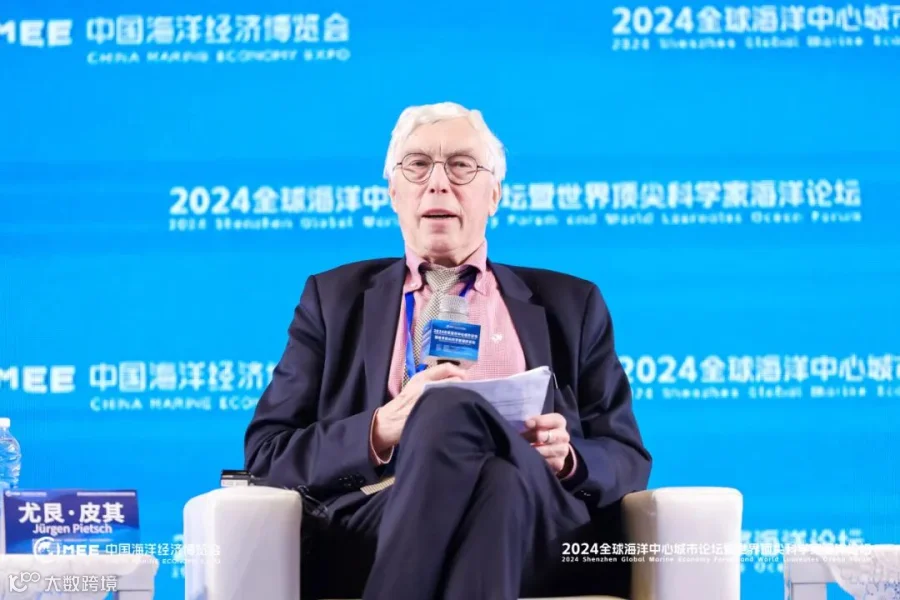
尤艮·皮其 Jürgen Pietsch
汉堡工业大学和汉堡港口城市大学创校教授
Founding Professor, Hamburg University of Technology and HafenCity University Hamburg
尤艮·皮其在发言中强调了全球沿海城市所面临的重要挑战,包括海平面上升和资源过度消耗等问题,这些问题给深圳和他的家乡汉堡带来了巨大影响。他指出,新技术如人工智能在促进发展方面具有潜力,但同时也伴随着高能耗等隐患,因此需要采用新的思维模式来平衡技术应用与可持续发展。此外,皮其还分享了汉堡市政府与企业、民间组织(NGO)的合作案例,展示了跨界协作在应对海洋生态危机中的重要性。他呼吁沿海城市采取措施保护海洋生态,同时兼顾经济繁荣。他建议通过企业与民间社会合作以减少资源透支,推动全球可持续发展目标的实现。
Professor Jürgen Pietsch underscored the immense challenges posed to coastal cities by rising sea levels and resource overuse, citing examples from both Shenzhen and his hometown, Hamburg.
以下为他的两个发言要点:
He emphasized two main points:
1
新技术应用与新思维模式的融合
Integration of New Technologies with New Mindsets
皮其指出,尽管人工智能和其他技术的发展在推动可持续发展方面起到了积极作用,但同时也带来了能源消耗等负面影响。因此,他认为应当结合新思维模式,在促进发展与节约资源之间找到平衡,确保新技术的应用能够真正造福社会而非增加环境负担。
While acknowledging the potential of technologies like AI for sustainable development, Pietsch cautioned against their high energy consumption. He advocated for combining new technologies with innovative thinking to balance development with resource conservation, ensuring that new applications benefit society without adding to environmental stress.
2
企业与民间组织在海洋保护中的合作
Partnerships Between Businesses and NGOs for Marine Conservation
皮其强调,公司和民间组织(NGO)的合作对于减少海洋资源透支和保护沿海生态至关重要。他指出,通过联合行动,企业能够发挥资源优势,与民间组织共同减缓海平面上升带来的影响,从而实现资源的可持续利用和海洋生态保护。
Pietsch highlighted the role of partnerships between companies and NGOs in mitigating resource overuse and protecting coastal ecosystems. Collaborative efforts allow businesses to leverage resources with civil society to counteract the impacts of rising sea levels and promote sustainable resource use.
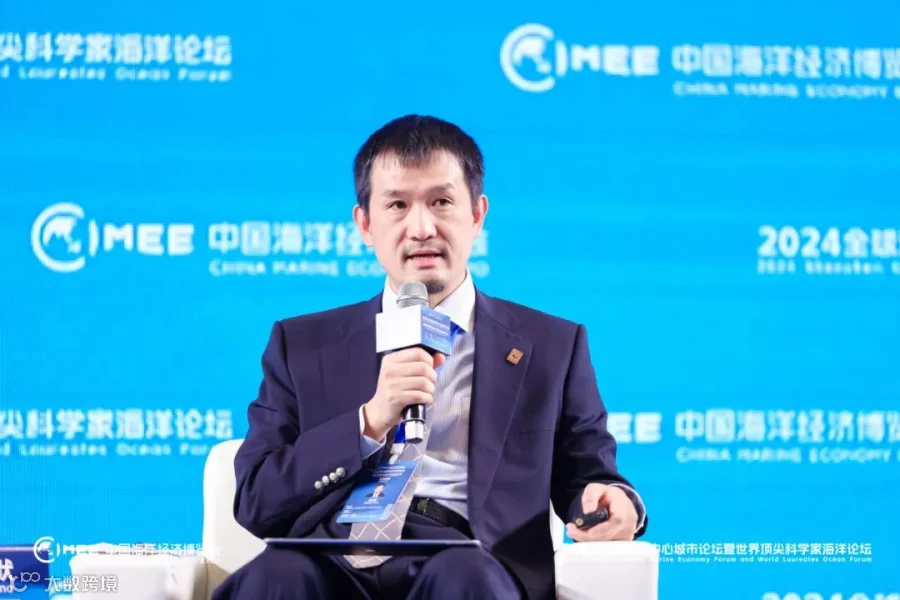
张亦默ZHANG Yimo
世界自然基金会(WWF)北京代表处可持续蓝色经济项目主任
Director, Sustainable Blue Economy Program, WWF Beijing
张亦默分享了世界自然基金会(WWF)关于粤港澳大湾区海岸带生态系统核算的最新研究成果《2024年建立韧性大湾区——基于自然的解决方案》。该报告探讨了蓝色经济的关键原则——保护、修复和维护海洋生态系统的多样性和功能,并将其视为蓝色经济的自然资本。报告分为“存量”与“流量”两部分,分析了生态系统的当前质量和年收益,包括旅游、渔业和生态调节服务。研究指出,尽管粤港澳大湾区生态质量整体有所提升,但珠江口一带的生态质量受人类活动影响较大。张亦默强调,应通过生态系统服务的货币化来提高保护意识,并建议借助金融工具引导私有资金投资于对海洋友好的产业,以确保蓝色经济的可持续发展。
ZHANG Yimo presented findings from WWF’s recent ecosystem accounting research for the Greater Bay Area.
以下为他发言的三个要点:
He outlined three key areas:
1
生态系统核算的重要性
Importance of Ecosystem Accounting
张亦默强调,世界自然基金会(WWF)与中国科学院合作完成的生态系统核算工作,展示了粤港澳大湾区海岸带生态系统的存量和流量。生态系统的存量反映了资源的总体健康状况,而流量则展示了旅游和渔业等领域的实际经济收益,这种核算有助于量化自然资本,并促进生态保护。
ZHANG emphasized that ecosystem accounting, conducted in partnership with the Chinese Academy of Sciences, reveals the quality and economic benefits of the Greater Bay Area’s coastal ecosystems. Ecosystem stock reflects overall health, while flow demonstrates tangible economic contributions from tourism, fisheries, and regulatory services, helping quantify and preserve natural capital.
2
生态服务的货币化价值
Monetizing Ecosystem Services
张亦默指出,生态服务如渔业、生态旅游和生态调节为人类带来了巨大价值,但这些服务所涉及的自然资源长期以来因“免费”而被过度利用,通过生态服务货币化展示其重要性,可以鼓励人们积极保护生态资源,例如通过恢复红树林等生态系统以实现更低成本的防洪措施投入。
ZHANG noted that ecosystem services like fisheries, eco-tourism, and flood protection hold significant value but are often overutilized because they’re perceived as “free.” By monetizing these services, people can better appreciate their value, such as by preserving mangroves for flood mitigation.
3
蓝色产业投资引导
Guiding Investments Towards Blue Industries
张亦默介绍了WWF的蓝色产业分类目录,该目录旨在引导金融机构和私有资金投资于可持续的蓝色经济项目。他指出,通过建立符合中国政策和法规的蓝色资产目录,资金可被引导至对海洋友好的项目,实现保护和经济发展的双重目标。
ZHANG highlighted WWF’s Blue Industry Taxonomy, which encourages financial institutions to invest in sustainable blue economy projects. Aligned with China’s policies, this taxonomy directs private capital towards marine-friendly projects, balancing conservation with economic development.
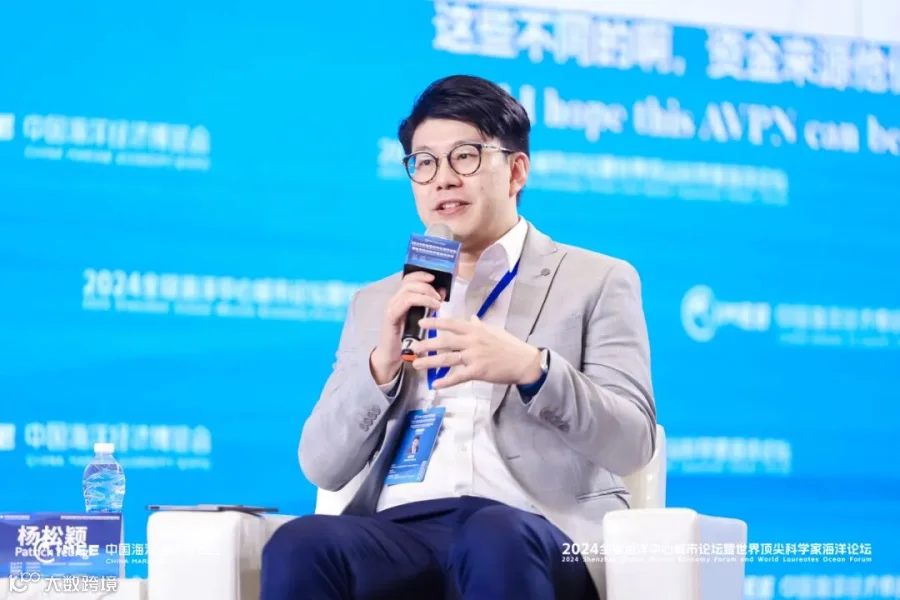
杨松颖Patrick Yeung
新加坡亚洲公益创投网络(AVPN)气候行动平台副总监
Associate Director, Climate Action Platform, AVPN (Asia Venture Philanthropy Network)
杨松颖在发言中分享了公益组织在推动蓝色经济和海洋可持续发展中的关键角色。他指出,公益机构作为桥梁,能够连接企业、政府和公众,实现多方合作。公益组织不仅关注环境保护,更代表了弱势群体的利益,能够推动不同利益相关者的协同工作。同时,公益机构能够将复杂的科学知识传达给公众,帮助他们理解环境保护的重要性。杨松颖还强调,公益基金会可通过社会影响力投资,将私有资金引入海洋保护项目,从而推动蓝色经济的可持续发展。此外,社会企业的盈利模式,可以将社会影响与经济活动相结合,为公益目标提供长久支持。他呼吁政府在循环经济政策方面进行超前布局,从源头减少海洋污染,支持可持续商业模式的推广。
Patrick Yeung discussed the crucial role of nonprofits in fostering a sustainable blue economy.
以下是他发言的三个要点:
He focusd on three main points:
1
公益组织的桥梁作用
Role of Nonprofits as Bridges
杨松颖认为,公益组织在连接企业、政府和公众方面扮演了桥梁角色,有助于实现环境保护与经济发展的平衡。他指出,公益组织通过传播科学知识,帮助公众理解环境议题,同时代表社区和环境的利益,推动多方合作,为蓝色经济的发展奠定基础。
Yeung explained that nonprofits serve as vital bridges between businesses, governments, and the public, facilitating cooperation to balance conservation and economic growth. They also play a role in educating the public on environmental issues and advocating for community and environmental interests.
2
社会影响力投资的推动
Encouraging Social Impact Investment
公益基金会通过社会影响力投资引入私有资本,能够大大增强资金投入的有效性。杨松颖指出,公益资金虽然有限,但可以通过创新投资方式,吸引私人资本参与到可持续发展项目中,建立有利于海洋保护的资金流动模式。
Nonprofit foundations leverage social impact investments to attract private capital for sustainable projects. Yeung emphasized that while nonprofit funds are limited, they can catalyze private sector involvement, creating a funding model that supports marine conservation.
3
低碳与可持续发展的承诺
Commitment to Low-Carbon and Sustainable Development
福希玮指出,法国的蓝色经济发展遵循可持续性原则,以低碳和绿色发展为核心。他强调,法国通过政策与法规的完善,推动包括低碳渔业、二氧化碳捕集在内的各项环保措施,以实现2050年减碳承诺,这些都展示出法国在环保方面的坚定信念。
France’s blue economy is guided by low-carbon, green principles, with policies supporting sustainable fisheries and carbon capture, in line with its 2050 carbon neutrality goals.
4
政府在源头治理中的关键角色
Government’s Role in Upstream Management
杨松颖呼吁政府从源头减少海洋垃圾的产生,而非仅在海洋或河道进行拦截。她建议,政府应支持循环经济,通过直接资助、政策推动等措施鼓励更可持续的消费和生产方式,以达到海洋环境长期健康发展的目标。
Yeung urged governments to address pollution at its source rather than focusing solely on interception efforts. He advocated for policies promoting a circular economy and sustainable production and consumption practices to ensure long-term marine health.
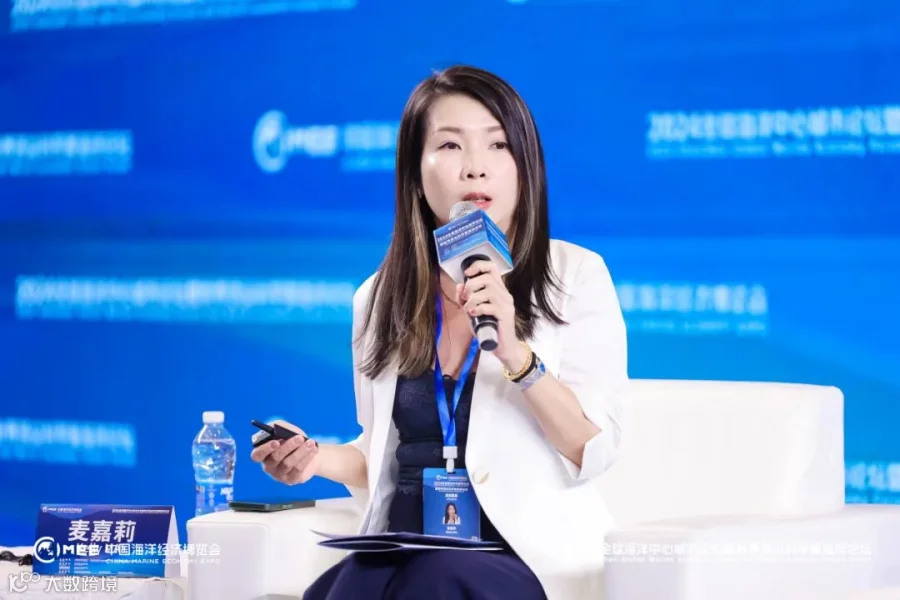
麦嘉莉Kelly MAI
城市土地学会大湾区执行董事
Executive Director, Greater Bay Area, Urban Land Institute (ULI)
麦嘉莉在发言中介绍了城市土地学会(ULI)的使命和在粤港澳大湾区的活动进展。作为全球最大的跨行业城市发展智库,ULI聚集了政府机构、开发企业和投资公司,致力于推动可持续社区发展及城市减碳工作。ULI通过研究报告和实践经验分享,帮助城市应对气候变化,特别是为沿海和海洋城市在蓝色经济发展与生态保护方面提供技术支持。她提到ULI在粤港澳大湾区的绿色减碳与生态保护相关项目,包括联合香港科技大学的生态创新网络,汇集政府、企业及科研机构的资源,通过闭门会议、跨界合作和专家指导,为深圳等沿海城市应对海平面上升和保护海洋环境提供有力支持。
Kelly MAI introduced ULI’s mission and efforts in the Greater Bay Area.
以下是她的两个发言要点:
She outlined two main contributions:
1
通过研究与实践推动沿海城市的可持续发展
Promoting Sustainable Development in Coastal Cities Through Research and Practice
通过编制绿色蓝图计划和发布零碳实施路径研究报告,ULI为沿海城市应对气候变化和保护海洋环境提供实践指南。她特别指出,ULI在粤港澳大湾区的研究不仅关注陆地生态,还涵盖了海岸带的环境保护。通过分享一系列国际最佳实践报告,ULI帮助包括深圳在内的沿海城市发展绿色建筑、推动碳减排和海洋环境保护,为实现蓝色经济与生态平衡奠定了基础。
ULI supports sustainable coastal development through green blueprint plans and zero-carbon research, offering practical guidance to cities facing climate and marine environment challenges. ULI’s work in the Greater Bay Area encompasses coastal environment protection as well as green building and carbon reduction initiatives.
2
构建粤港澳大湾区生态创新网络,助力海洋生态保护与技术应用
Establishing an Ecological Innovation Network for Marine Conservation
麦嘉莉提到,ULI联合香港科技大学、瑞安房地产等机构,创建了粤港澳大湾区的生态创新网络,旨在推动绿色建筑与海洋生态保护。该网络汇集了海洋科技企业、环保机构和学术专家,推动海洋保护技术应用、绿色经济项目及创新生态修复的合作。她指出,通过跨界会议、研究项目及投资平台,ULI的合作网络支持沿海城市应对海平面上升、减少海洋污染,以及吸引全球资本投入海洋生态修复及可持续发展项目,为粤港澳大湾区的蓝色经济发展提供创新支持。
MAI shared that ULI has created an ecological innovation network with partners like Hong Kong University of Science and Technology and Shui On Land, focused on promoting green construction and marine conservation. This network connects marine tech firms, environmental organizations, and experts, supporting coastal cities in tackling rising sea levels and marine pollution, while attracting global investment for sustainable development projects.
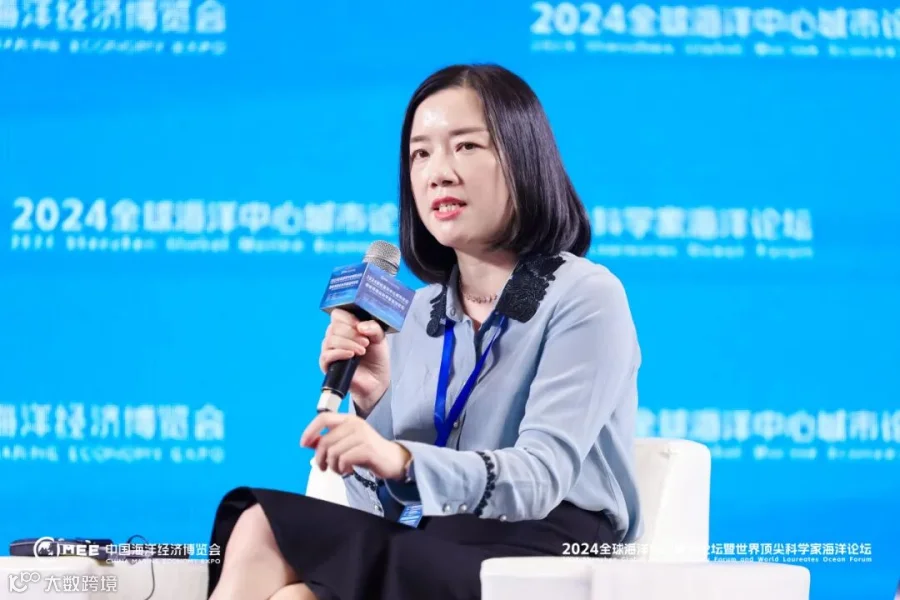
王建丽WANG Jianli
浙江蓝景科技有限公司董事长、2023年联合国“地球卫士奖”获得者
Chairman, VisionBlue and recipient of the 2023 United Nations "Earth Guardian Award"
王建丽围绕海洋垃圾治理的可持续性,介绍了蓝景科技的创新做法。她指出,当前海洋垃圾治理面临挑战,尤其在资源分散的情况下,整合政府、企业和民众的力量至关重要。为此,蓝景科技构建了一个数字化平台,通过整合政府政策、企业资源以及沿海居民的参与,实现了海洋废弃物的高效收集和循环利用。平台提供了废弃物全程追溯和碳排放量核算功能,动员沿海居民和渔民共同参与海洋保护,取得了良好的社会和环境效益。她还提出了未来发展的四项策略:制定废弃物治理规范和考核机制、构建数字化治理体系、推动跨城市合作、建立海洋保护基金,以实现海洋保护的长效机制。
WANG Jianli focused on sustainable marine waste management, sharing VisionBlue’s innovative approach.
以下是她发言的三个要点:
She emphasized three key points:
1
整合资源建立数字化平台
Digital Platform for Resource Integration
王建丽强调,海洋垃圾治理需要整合政府、企业和沿海居民的力量,蓝景科技通过数字化平台将各方资源和需求连接起来。平台利用区块链技术,实现从收集到循环利用的全过程追溯,并核算相应的碳减排贡献,以此作为企业可持续发展的依据。她指出,这种创新的资源整合方式不仅提升了资源利用率,还为沿海居民和渔民创造了就业机会,有效地激发了他们的参与积极性,并增强了海洋保护的可持续性。
WANG highlighted the need for collaboration among governments, businesses, and coastal communities. VisionBlue’s digital platform integrates resources and needs, tracking the entire waste collection and recycling process with blockchain technology. This platform increases resource efficiency, creates jobs, and encourages community participation in marine conservation.
2
建立规范化和数字化的治理体系
Standardized and Digitalized Management Systems
她介绍了蓝景科技在浙江推行的“三色码”管理机制,该机制通过对渔船排放物进行分类标识,提高渔民对污染物处理的主动性。此外,该公司推行的“海洋云仓”系统可就地处理废弃物,在降低运营成本的同时减少污染。她提到,利用电子联单和算法追踪渔船的污染物处理情况,可以确保数据透明性和不可篡改性,从而在政府监管过程中形成严格的考核和执法机制,确保治理体系的有效性。
She introduced the “three-color code” system implemented in Zhejiang, which uses digital monitoring to track waste from fishing vessels and incentivizes responsible waste management. VisionBlue’s “marine cloud warehouse” allows for on-site waste processing, reducing costs and pollution. This transparent system, coupled with electronic tracking, supports effective government oversight.
3
建立海洋保护基金和跨城市合作
Establishing a Marine Conservation Fund and Cross-City Cooperation
王建丽建议,粤港澳大湾区的海港城市应建立联合治理的规范和标准,并推动企业加入海洋废弃物管理联盟。她提到,通过将ESG评级与海洋生态保护挂钩,可以吸引企业资金投入到保护基金中,支持海洋保护相关项目和社区参与。她认为,政府、企业和NGO共同出资建立基金,可确保资金的稳定来源和生态保护项目的长期可持续性,为海洋生态保护提供充足的资金支持。
WANG suggested creating a joint marine conservation framework for the Greater Bay Area’s port cities, encouraging businesses to join a marine waste management alliance. By linking ESG ratings with marine protection, corporate funds can flow into a conservation fund, supporting projects and community involvement. She emphasized that joint funding from governments, businesses, and NGOs can provide a stable source of support for long-term marine protection initiatives.
完整视频 精彩回顾
全体会议2 完整视频
Full Video of the Plenary 2
加快海洋生态保护进程,推动蓝色经济可持续发展
Moving Faster on Restoring Marine Ecosystems and Ensuring Their Long-Term Sustainability

欢迎关注
中国海博会官方公众号

入群扫码中国海博会小助手
微信:haiyang203060
欢迎关注中国海博会 加入全球蓝色经济高层社群
科技创新洞察 投资趋势前瞻
商业增长趋势 行业资源链接
触达高层资源 期待您的加入
三
关于本次论坛
About the Forum
中国海洋经济博览会(简称“中国海博会”)是国家级海洋经济展会。2019年移师深圳后已成功举办五届,为推动中国海洋经济高质量发展、促进国际海洋经济交流和合作作出了积极的贡献。2024中国海博会以更高起点、更高质量、更国际化的标准于10月31日至11月2日在深圳会展中心(福田)举办。
The China Marine Economy Expo (CMEE) is China’s national-level event dedicated to the marine economy. Since moving to Shenzhen in 2019, the CMEE has been successfully held five times, playing an active role in advancing high-quality development within China’s marine economy and fostering international exchanges and cooperation. The 2024 CMEE, held from October 31 to November 2 at the Shenzhen Convention and Exhibition Center (Futian District), raised the bar for quality, scope, and internationalization.
2024全球海洋中心城市论坛暨世界顶尖科学家海洋论坛(即中国海博会宏观论坛)聚焦全球海洋经济发展、国际海洋合作等宏观话题,涵盖海洋科技、产业、航运、文明,合作治理等领域。论坛已邀请数百位来自全球重要海洋国家政要、国际组织高层代表、500强涉海企业高管参会,吸引逾万名涉海专业人士参会,并通过直播覆盖全球,成为推动蓝色经济合作与海洋创新发展的重要国际平台。
The 2024 Shenzhen Global Marine Economy Forum and World Laureates Ocean Forum(served as the strategic forum of the CMEE)focuses on macro topics such as global marine economic development and international marine cooperation, covering fields like marine technology, industry, shipping, civilization, and cooperative governance. The forum has invited hundreds of dignitaries from key marine countries, senior representatives from international organizations, and executives from Fortune 500 marine-related companies to participate. It attracts over ten thousand marine professionals to attend and reaches a global audience through live streaming, making it an important international platform for promoting blue economy cooperation and marine innovation development.
主办单位 | Hosted By
中国海洋发展基金会
China Oceanic Development Foundation
深圳全球海洋中心城市建设促进会
Global Ocean Capital Promotion Council of Shenzhen
深圳市特区建设发展集团有限公司
Shenzhen SEZ Construction and Development Group Co.,Ltd
承办单位 | Organized By
深圳海博会有限公司
Shenzhen CMEE Co., Ltd.
特别支持单位 | Specially Supported By
世界顶尖科学家协会
World Laureates Association
支持单位 | Supported By
深圳市规划和自然资源局
Urban Planning and Natural Resources Bureau of Shenzhen Municipality
深圳市海洋发展局
Ocean Development Bureau of Shenzhen Municipality
深圳市福田区人民政府
Futian District People’s Government of Shenzhen Municipality