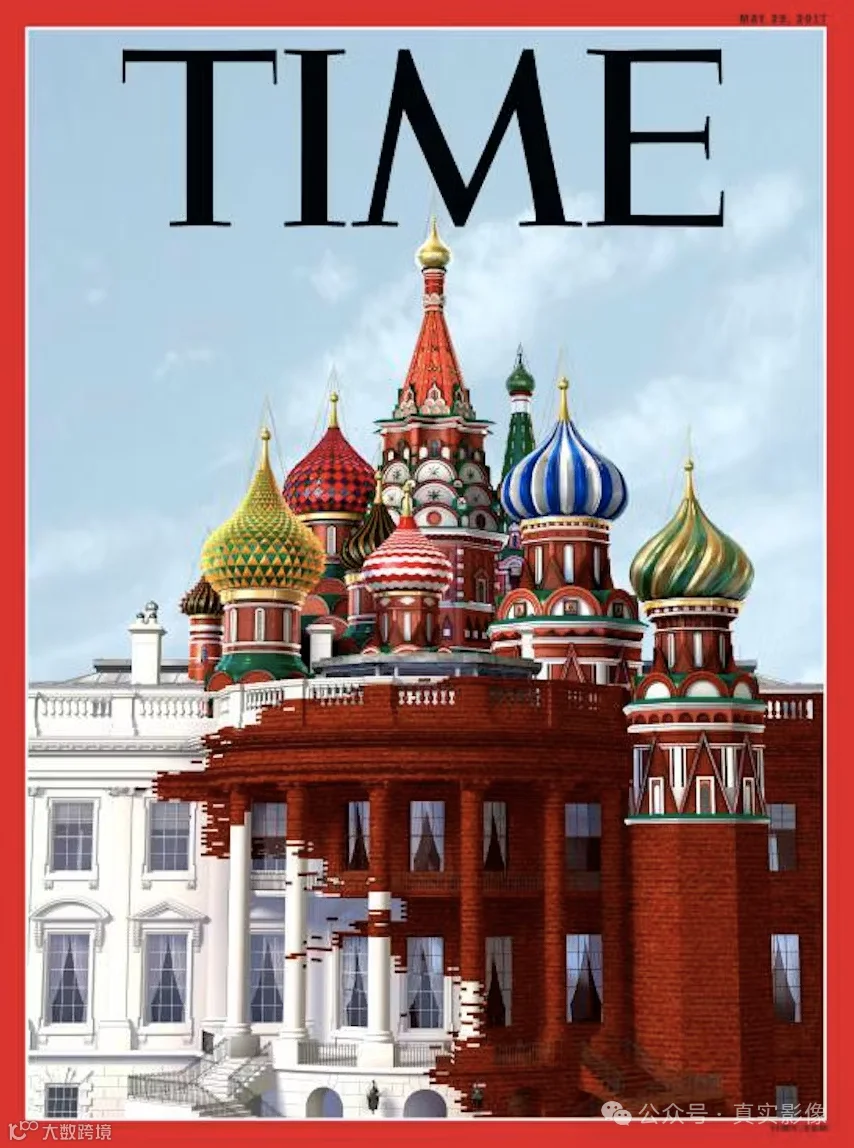
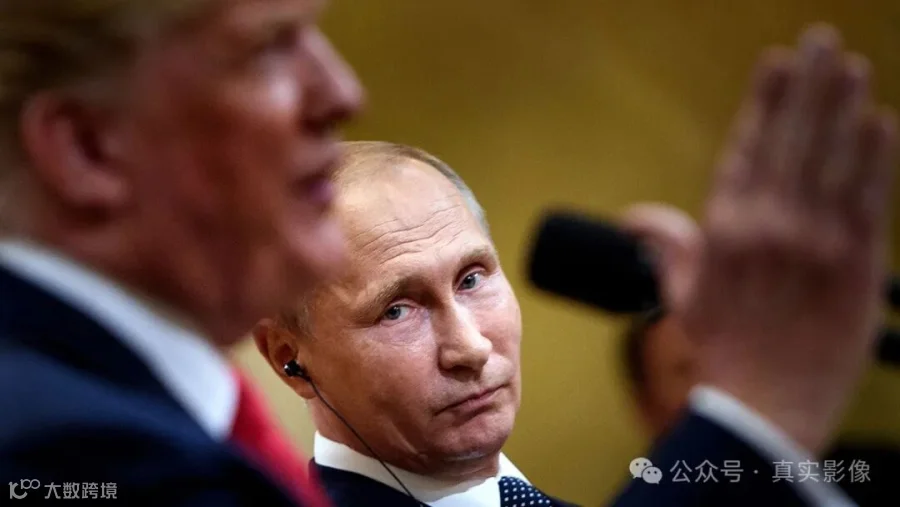
美俄合谋在即,不利中国,中国绝对不需要一个强大且无信的邻居,也不需要一个价值底层就排斥其他种族和信仰的邻居。这与现代东方博大且包容的“人类命运共同体”的理念不相符,应警惕。
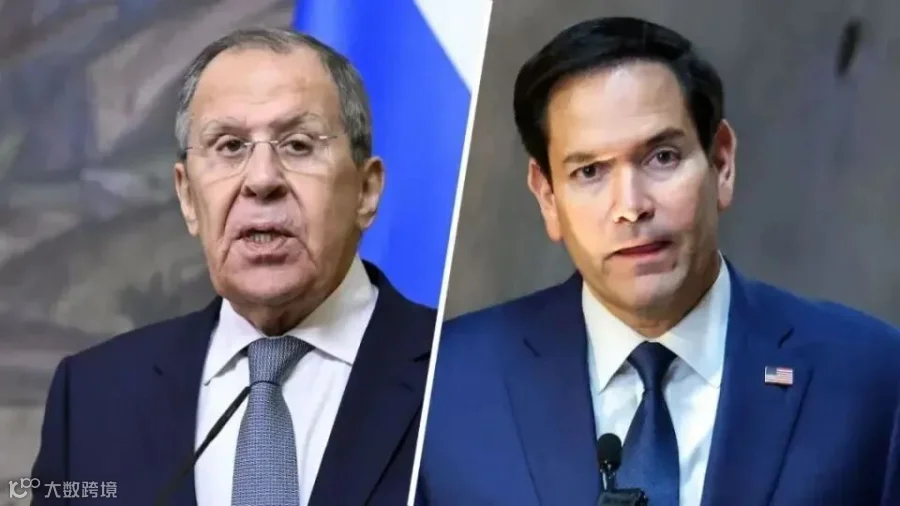
据报道,美国国务卿马尔科·卢比奥和俄罗斯外长谢尔盖·拉夫罗夫将于2月18日在沙特首都利雅得举行会谈,讨论乌克兰问题。然而,令人意外的是,欧洲和乌克兰的代表团均未获得邀请。这种排除不仅让欧洲感到被边缘化,也使乌克兰在国际斡旋中陷入更加孤立的境地。
在会议中,另一项备受关注的话题是:一旦乌克兰与俄罗斯达成一个双方都能接受的和平协议,是否有必要向乌克兰派遣地面部队以确保协议的实施?法国总统马克龙早在去年就提出了“地面部署”的构想,希望通过实兵介入来增强欧洲的安全保障。然而,英国首相基尔随后承诺派遣军队,但其条件是必须有美国的“后盾”——即美国提供安全保证,以防止俄罗斯再次发起攻击。与此同时,波兰总理图斯克明确排除了派兵的可能性,西班牙则认为目前讨论派兵尚早,而德国在距离联邦选举仅数天之际,更是对这一方案持谨慎态度。
在会议中,德国总理朔尔茨谈到了一项颇具争议的新方案:如果欧洲国家的防务开支超过GDP的2%(这是北约当前设定的目标),那么这部分支出或许可以不计入政府的预算赤字中。目前,欧盟规定各国的政府赤字上限为3%,但这一新思路意味着欧洲可能通过债务融资的方式,大幅提升国防支出,从而增强整体安全能力。朔尔茨甚至暗示,德国可能会考虑与其他国家共同进行债务融资,以集中资金提升防务水平。
虽然这次巴黎峰会并未就具体议题达成共识,但它的形式却给人以希望:一个由主要决策者组成的小型会议,或许能够打破过去那种低效的多边协商模式。长期以来,欧洲许多国家对法国总统马克龙提出的共同防务构想持怀疑态度,担心这背后可能暗藏削弱跨大西洋联盟或扶植本国防务工业的意图。然而,特朗普的最新表态却迫使欧洲不得不重新审视这一议题,使得有关共同防务的讨论既变得现实又紧迫。
然而,会议现场并非一片和谐。意大利总理乔治娅·梅洛尼对小国被排除在外的情况颇为不满,认为这种会议形式暴露了意大利(以及西班牙)在国防上的不足。匈牙利领导人欧尔班更直言不讳地将此次峰会称为“失败者的聚会”,这无疑反映了欧洲内部对共同防务和安全政策的深层次分歧。
面对当前复杂多变的国际局势,欧洲领导人不得不认真思考如何在美俄博弈中争取更多主动权。虽然巴黎会议上未能达成具体共识,但这次小规模、集中决策者的会晤至少为欧洲未来的防务合作和战略调整提供了一个讨论的平台。
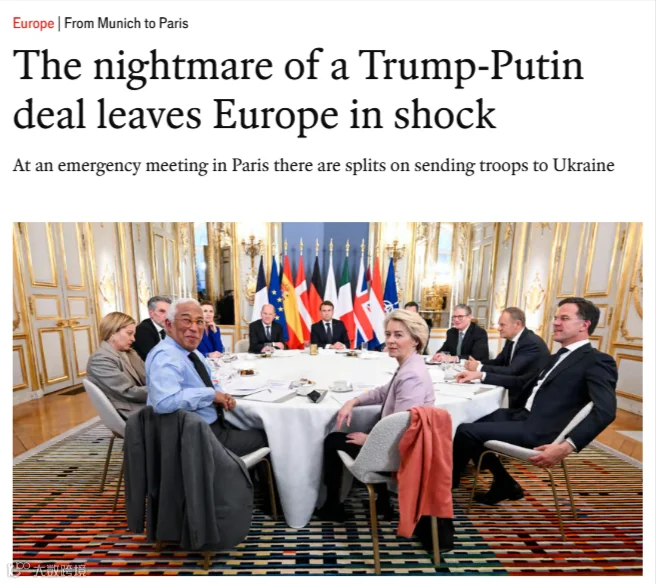
At an emergency meeting in Paris there are splits on sending troops to Ukraine
在巴黎的紧急会议上,欧洲各国在是否向乌克兰派遣军队的问题上出现分歧
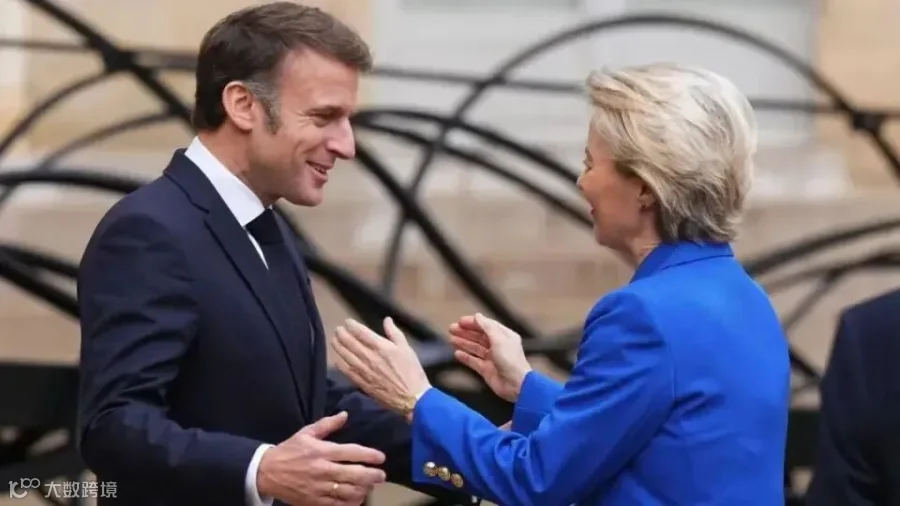
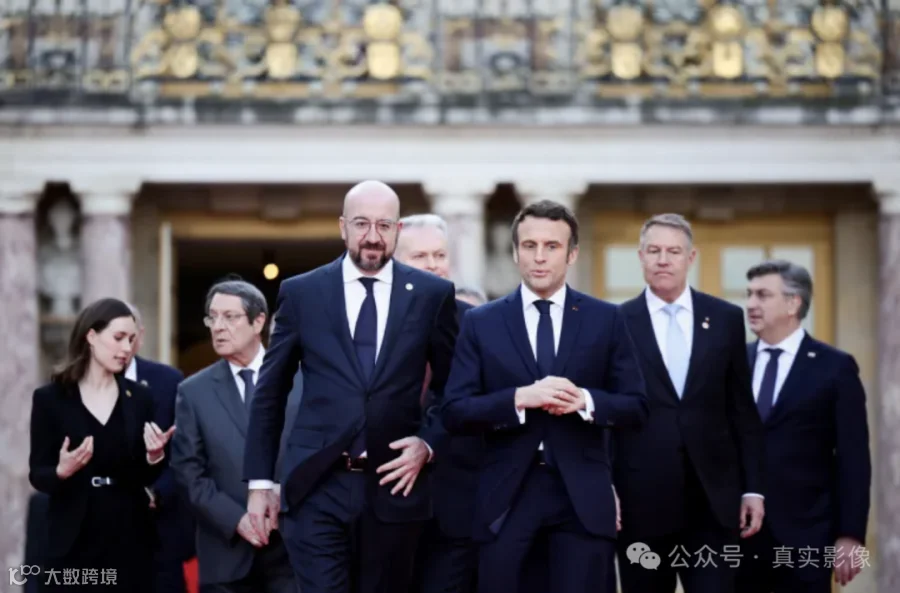
EUROPEAN LEADERS filed into the Elysée Palace on February 17th in bright sunshine, and sombre mood. They were still reeling from the message conveyed at the weekend by members of Donald Trump’s administration: that Europeans have no place at peace talks between America and Russia over Ukraine and that “stark strategic realities prevent the United States of America from being primarily focused on the security of Europe,” as the defence secretary, Pete Hegseth, put it. Before the hastily called meeting Sir Keir Starmer, Britain’s prime minister, called it a “generational challenge” for the continent.
2月17日,欧洲各国领导人在明媚的阳光下步入爱丽舍宫,心情却十分沉重。他们仍然对唐纳德·特朗普政府成员在周末传达的信息感到震惊:欧洲人在美国和俄罗斯就乌克兰问题进行的和平谈判中没有发言权,而且“严峻的战略现实使得美国无法将欧洲安全作为首要关注点”,正如美国国防部长皮特·黑格塞斯所言。在这次匆忙召开的会议之前,英国首相基尔·斯塔默称,这是欧洲大陆面临的“世代挑战”。
But it was not clear by the end of the gathering, organised by Emmanuel Macron, France’s president, if Europe’s leaders were genuinely any readier to meet the challenge. They are certainly no closer to securing a place at talks between America and Russia over Ukraine. Delegations from each of those two countries, led by Marco Rubio, America’s secretary of state, and Sergei Lavrov, Russia’s foreign minister, are due to meet on February 18th in Riyadh in Saudi Arabia. Neither Europeans nor the Ukrainians have been invited.
然而,会议结束后,法国总统埃马纽埃尔·马克龙组织的这次聚会是否真正让欧洲领导人更有准备来应对挑战,仍然没有明确答案。他们在争取加入美俄关于乌克兰的谈判中,显然没有取得任何进展。美国和俄罗斯的代表团分别由美国国务卿马尔科·卢比奥和俄罗斯外长谢尔盖·拉夫罗夫率领,计划于2月18日在沙特阿拉伯首都利雅得会面。然而,欧洲国家和乌克兰均未受邀参加。
Nor did the Europeans show any signs of agreement in Paris on a plan to dispatch forces to Ukraine, if there is a peace deal with Russia that is acceptable to Kyiv. Mr Macron first floated the idea of putting boots on the ground last year, and has been trying to rally fellow Europeans to it. Sir Keir has now promised to send British troops as part of such a force, but a day after he said that, he made clear in Paris that any force would need to be underwritten by America, stating “there must be a US backstop, because a US security guarantee is the only way to effectively deter Russia from attacking Ukraine again.” On the same day Donald Tusk, Poland’s prime minister, ruled out sending troops. Just ahead of the meeting Spain said it was “too early” to discuss troops on the ground. Germany, just days from its own federal election on February 23rd, is also wary. Speaking in Paris Olaf Scholz, the German chancellor, insisted that there can be “no division of security” between Europe and America; he was “irritated”, he said, that the question of sending forces was being raised before there was any peace.
欧洲国家在巴黎会议上也未能就向乌克兰派遣军队的计划达成一致,即便未来可能与俄罗斯达成基辅可接受的和平协议。马克龙去年首次提出在乌克兰部署地面部队的想法,并一直试图说服欧洲盟友支持这一计划。基尔爵士(斯塔默)已经承诺派遣英国军队作为其中的一部分,但在作出这一承诺的第二天,他在巴黎明确表示,任何部队都需要美国的支持,并称“必须有美国的安全保障,因为美国的安全承诺是唯一能有效威慑俄罗斯再次攻击乌克兰的手段。” 同一天,波兰总理唐纳德·图斯克明确表示不会派遣军队。而在会议召开前,西班牙表示现在讨论派兵“为时尚早”。德国即将在2月23日举行联邦选举,对此也持谨慎态度。德国总理奥拉夫·朔尔茨在巴黎表示,欧洲和美国的安全“不能被分割”,他还表示自己对在没有达成和平协议之前就讨论派兵一事感到“恼火”。
To general surprise Mr Scholz, however, was more forthcoming on the question of debt-financed defence spending. If European countries spent anything over 2% of GDP on defence, the current NATO target, said the chancellor, Germany would be “favourable” to the idea of not taking that amount into budget-deficit calculations. (The European Union currently caps government deficits at 3%.) Mr Scholz also hinted that Germany might be open to joint debt-financed defence spending, something that Friedrich Merz, his probable successor, has also not definitively ruled out. If it happens, this could enable Europe to spend far greater sums on boosting its defence capabilities. Mr Tusk, whose country spends more on defence as a share of GDP than any other represented at the meeting, has been particularly vocal in urging his fellow leaders to follow suit.
出乎意料的是,朔尔茨在债务融资的国防支出问题上表现得更为开放。他表示,如果欧洲国家的国防支出超过GDP的2%(这是北约当前设定的目标),德国将“赞成”不将这部分支出计入财政赤字。(目前,欧盟对成员国的财政赤字设定的上限是3%。)朔尔茨还暗示,德国可能会接受联合债务融资的国防支出,这一点也是其可能的继任者弗里德里希·梅尔茨尚未明确排除的。如果这一计划得以实施,欧洲将能够投入更多资金来增强其防御能力。图斯克对此尤为积极,他的国家——波兰,在国防开支占GDP比例上高于会议上的其他国家,他一直大力敦促其他欧洲领导人效仿波兰的做法。
If European leaders left Paris without detailed agreement on any of these matters, there was nonetheless one source of encouragement for some participants: the format of the meeting itself, a manageable gathering of the principal players that may now be able to drive progress. In the past many European leaders, from those of Britain to the Baltics, have been distrustful of Mr Macron’s long-standing discourse on forging common European defence, suspecting him of seeking to undermine the transatlantic alliance, boost his country’s defence industry, or both. Now Mr Trump has rendered such talk both acceptable and urgent.
尽管欧洲领导人离开巴黎时,并未就这些问题达成具体协议,但对于部分与会者而言,仍然有一个令人鼓舞的因素:会议的形式本身。这次会议规模适中,主要决策者齐聚一堂,或许能推动实质性进展。长期以来,许多欧洲领导人——从英国到波罗的海国家——一直对马克龙关于建立共同欧洲防务的长期主张持怀疑态度,他们认为他可能是想削弱跨大西洋联盟,或是推动法国自身的国防工业,甚至两者兼而有之。然而,如今特朗普的立场使得这种讨论不仅变得可接受,甚至变得迫在眉睫。
Not all Europeans were happy with Mr Macron’s mini-summit. Giorgia Meloni, Italy’s prime minister, was reportedly cross at the exclusion of smaller countries, not least because the format draws attention to Italy’s (and Spain’s) poor performance on defence. Viktor Orban, Hungary’s leader, unsurprisingly, called it a “meeting of losers”. But the inclusion of both British and NATO leaders helped to dispel a greater worry. “All the participants at this meeting realise that the transatlantic relationship,” said Mr Tusk after the meeting, has “entered a new phase.” Sir Keir, head of a country that quit the EU, even referred to “what we do as Europeans”. The summit has helped to bring Britain closer to the rest of Europe, on this point at least. But that may be meagre compensation for the looming prospect of a split in the transatlantic alliance.
并非所有欧洲国家都对马克龙的小型峰会感到满意。据报道,意大利总理乔治娅·梅洛尼对小国被排除在外感到愤怒,尤其是因为这一会议形式使得意大利(以及西班牙)在国防方面的不佳表现更为突出。匈牙利领导人维克托·欧尔班则毫不意外地将此次会议称为“一群失败者的聚会”。然而,英国和北约领导人的参与在一定程度上缓解了更大的担忧。会议结束后,图斯克表示:“所有与会者都意识到,跨大西洋关系已经进入了一个新阶段。” 作为一个已脱离欧盟的国家领导人,基尔爵士甚至用“我们欧洲人要做的事”来描述会议讨论的内容。至少在这一点上,这次峰会拉近了英国与欧洲大陆国家的距离。但相较于跨大西洋联盟可能分裂的前景而言,这点收获或许显得微不足道。