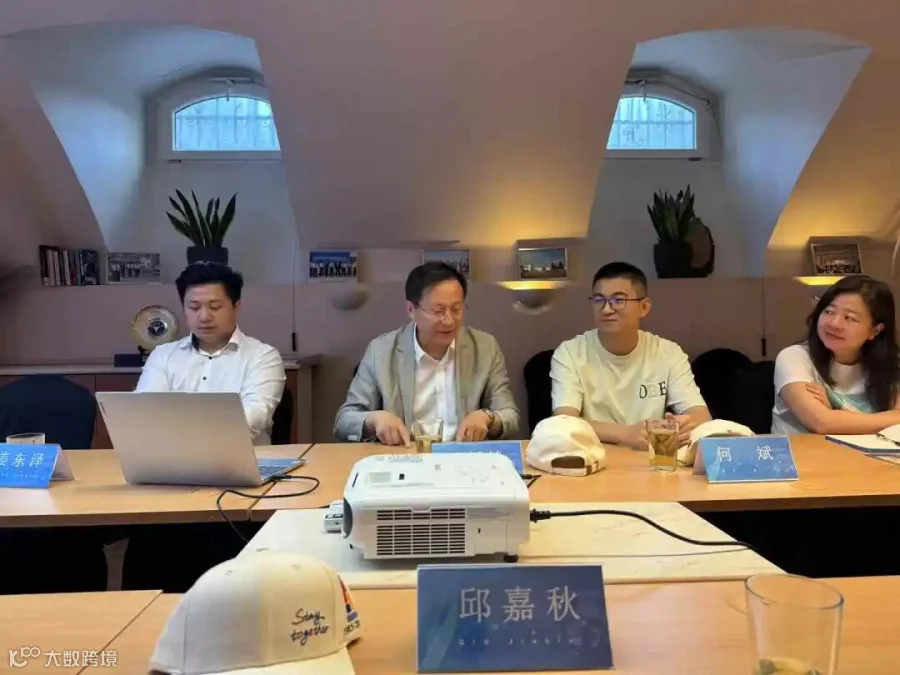
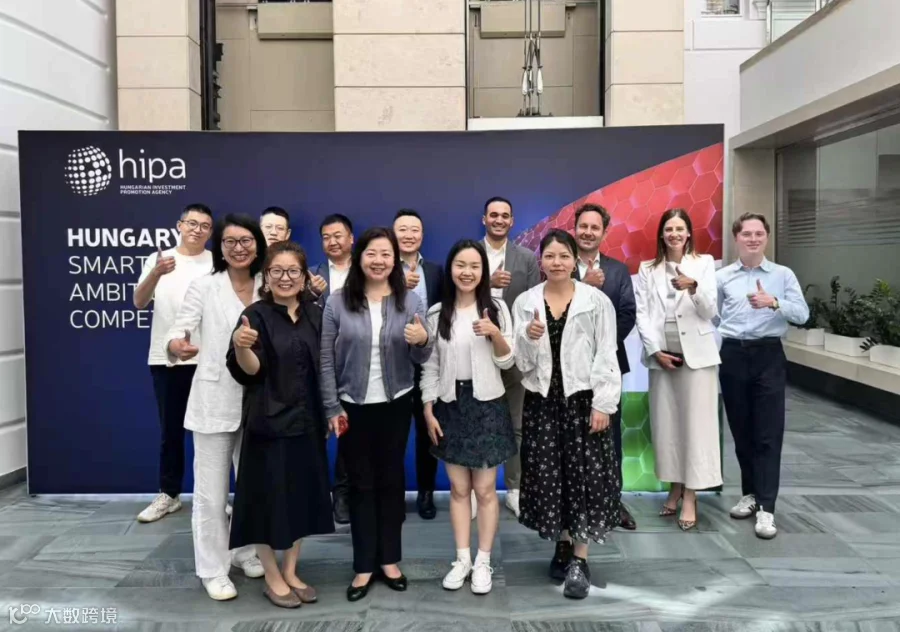
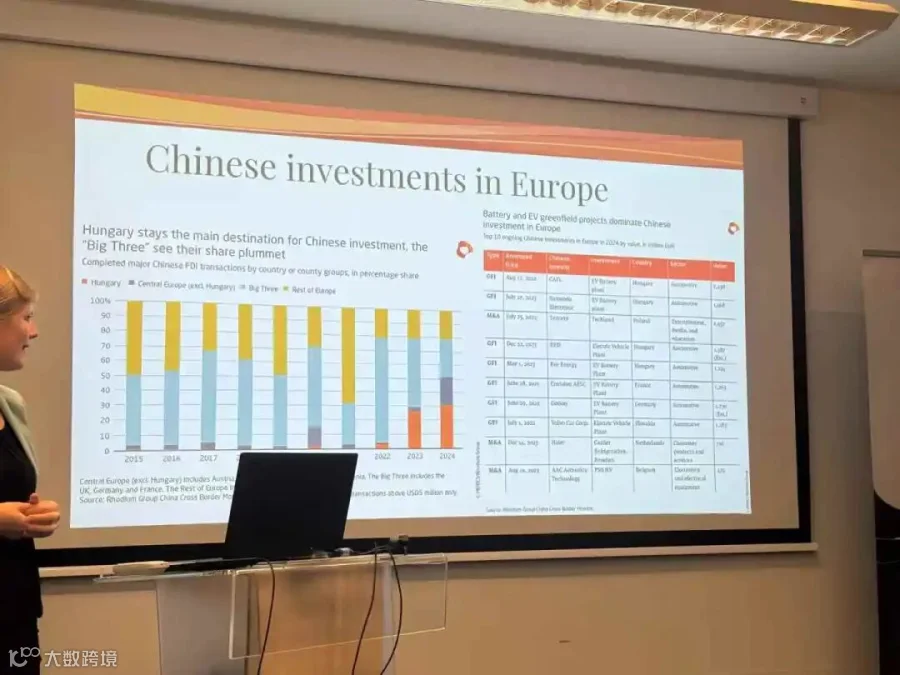
来Hungarian Investment Promotion Agency交流中得悉,在欧洲近年来,匈牙利方用“自豪”这个词来形容被中国对匈牙利投资,超过了英法德Big Three三国总和,缘于宁德时代、比亚迪、亿纬锂能、欣旺达这几家中国电池公司纷纷在匈牙利设厂、欧洲中心等。
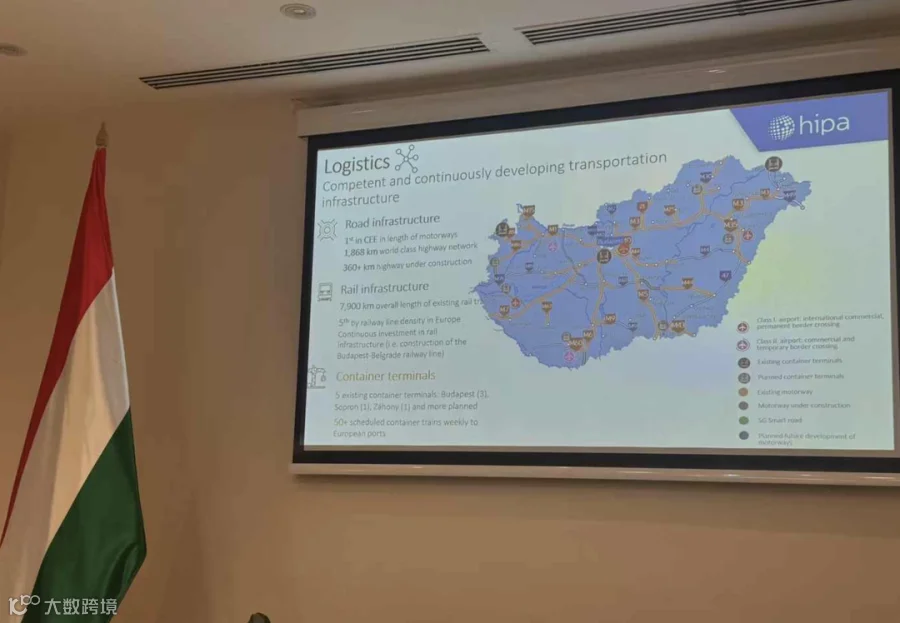
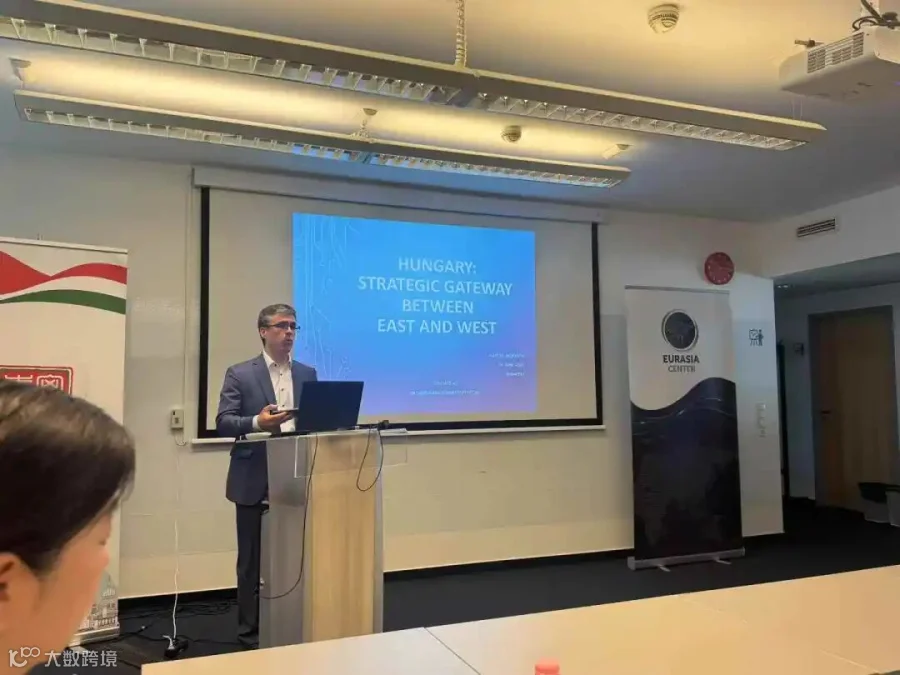
匈牙利作为欧盟成员国,在投资领域具备显著优势。其地处欧洲腹地,是贯通东西市场的战略枢纽,可轻松触达欧盟 5 亿人口的庞大消费群体。交通基建完备,拥有中东欧最长高速公路网,铁路密度居欧洲第五,布达佩斯国际机场航线覆盖 121 个全球目的地,多瑙河水运也为物流运输提供便利,有效降低企业运营成本。劳动力资源优质,约三分之二劳动者接受过中等教育或职业培训,且成本低于欧盟均值。政策层面,外商享受国民待遇,叠加欧盟基金支持、税收优惠等政策,企业所得税低至 9%,汽车、生物制药等重点产业更提供多元投资机遇。
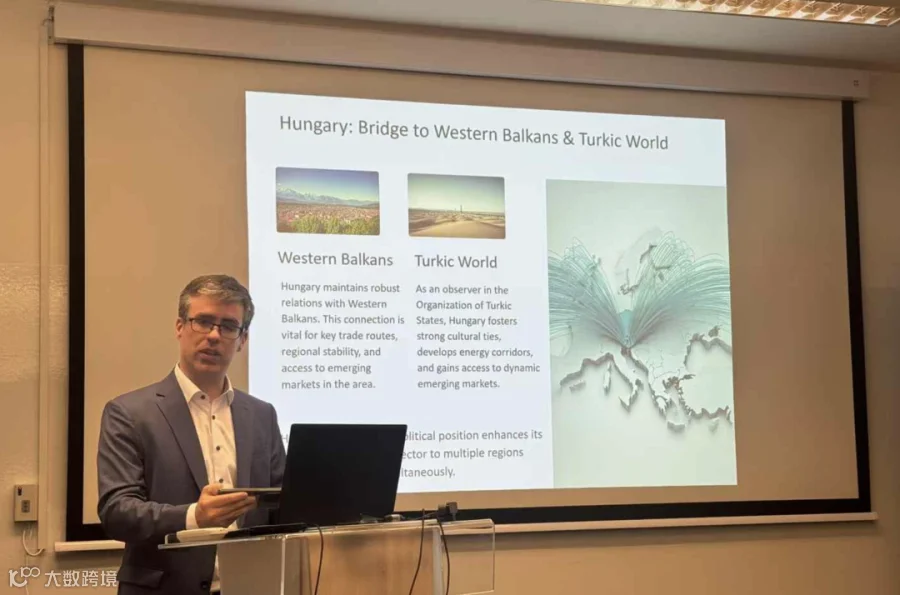
不过,投资匈牙利仍面临潜在挑战。该国法规体系与商业环境复杂,文化语言差异可能影响沟通协作,市场竞争也对企业竞争力提出较高要求。此外,匈牙利经济对外依存度高,全球经济波动、主要贸易伙伴经济放缓(如德国)均可能冲击其工业产出与增长动能。
从欧洲整体局势来看,地缘政治波动与贸易保护主义暗流,对匈牙利外贸及外资流入存在潜在影响。但凭借地缘优势与出口导向型经济结构,匈牙利经济韧性较强,国际货币基金组织预计 2025 年其经济将增长 1.4%。对于志在拓展欧洲市场的投资者而言,匈牙利机遇与风险并存,需审慎评估后再作决策。
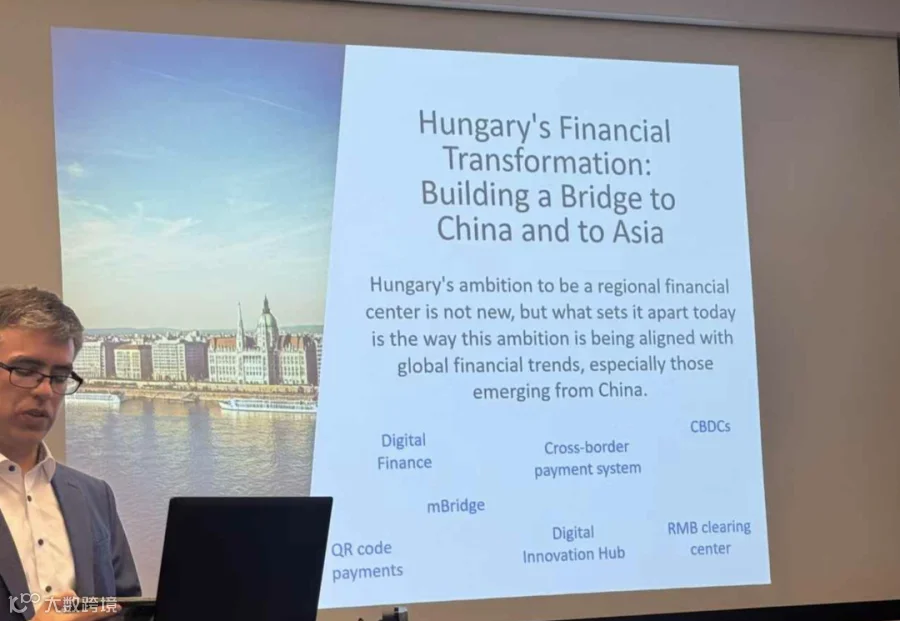
Hungary has strategically positioned itself to manage the impacts of Renminbi (RMB) exchange rate fluctuations on its domestic financial system and to advance RMB internationalization, even amidst challenges such as the freezing of EU funds.
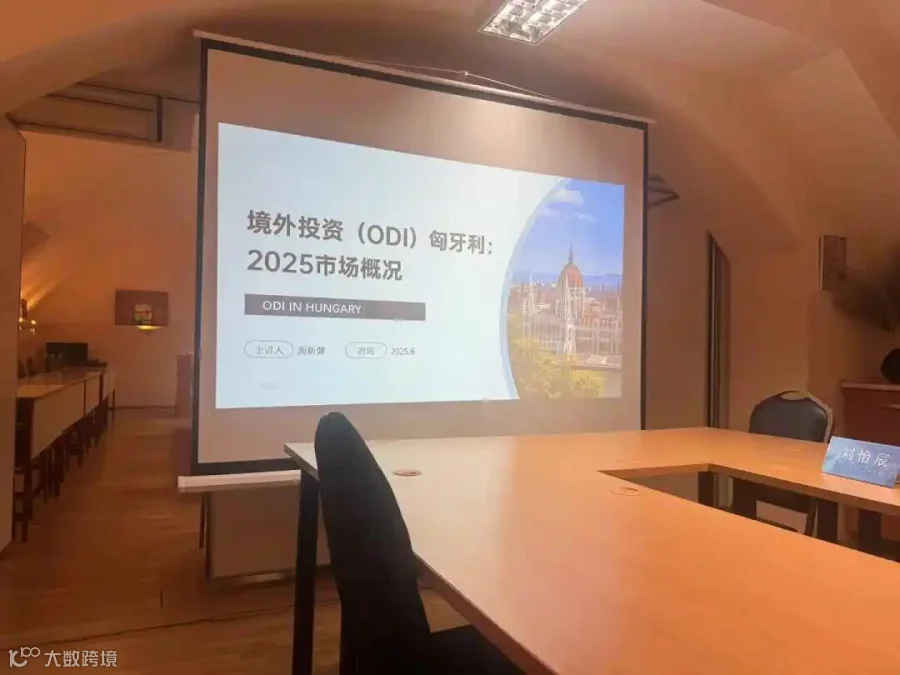
Hungary’s key strategic goal, as mentioned in the presentation, is to position itself as an international and regional financial hub. To achieve this, it diversifies its financial relationships and builds a broad financial safety net (IMF, ECB, New York Fed, PBoC) to avoid excessive exposure to the exchange rate fluctuations of any single currency.
But of course the Central Bank of Hungary (Magyar Nemzeti Bank - MNB) has proactively developed special mechanisms to mitigate the effects of RMB exchange rate volatility:
1. Currency Swap Agreements: Hungary maintains a bilateral currency swap line with the People's Bank of China, renewed several times. This arrangement provides liquidity support in RMB during market disturbances, reducing reliance on other foreign currencies.
2. RMB-Denominated Reserves: The MNB has diversified its foreign exchange reserves by investing in Chinese government bonds, both through indirect methods via the Bank for International Settlements and direct investments facilitated by agreements with Chinese financial institutions. This strategy enhances Hungary's financial resilience against currency fluctuations.
3. RMB Clearing Infrastructure: In October 2015, the Bank of China's Hungarian subsidiary was designated as an RMB clearing center in Budapest, serving the entire Central European region. This infrastructure supports efficient RMB transactions and settlements.
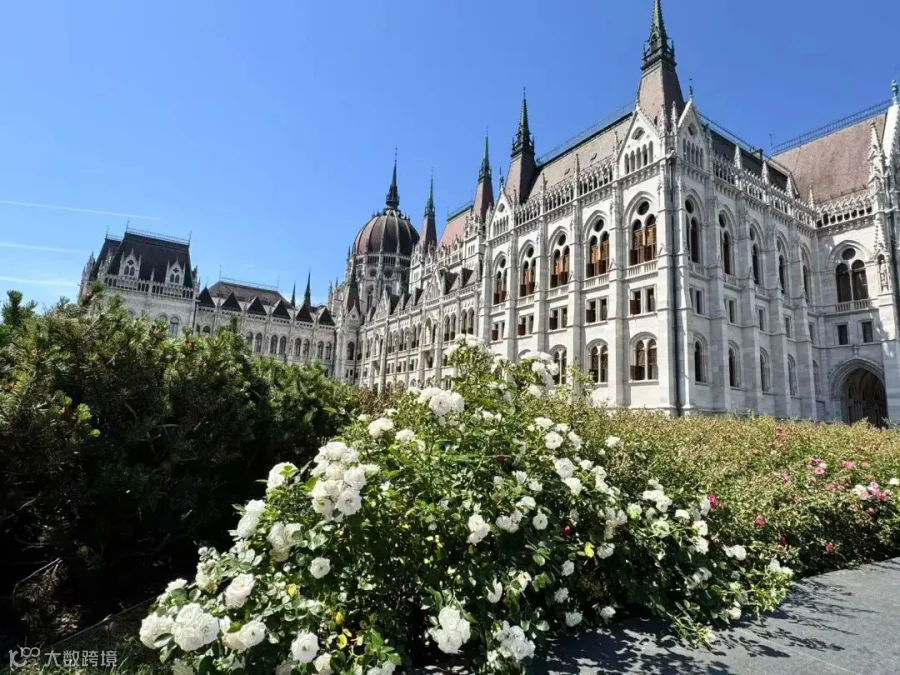
Despite the European Union freezing due to concerns over rule of law violations, Hungary continues to pursue its RMB internationalization strategy:
1. Budapest Renminbi Initiative (BRI): Launched in March 2015, the BRI aims to strengthen financial ties with China by promoting RMB usage in trade and finance. The MNB has hosted annual conferences under this initiative to foster dialogue and cooperation.
2. Attracting Chinese Investments: Hungary has become a key destination for Chinese investments in Europe, particularly in the electric vehicle sector. Major Chinese companies like BYD and CATL are establishing significant manufacturing plants in Hungary, bolstering economic ties and promoting RMB usage.
These efforts strengthen Hungary's financial autonomy and deepen Sino-Hungarian relations, altough the Chinese investments may not fully compensate for the loss of EU funds, especially in non-commercial sectors like public infrastructure.
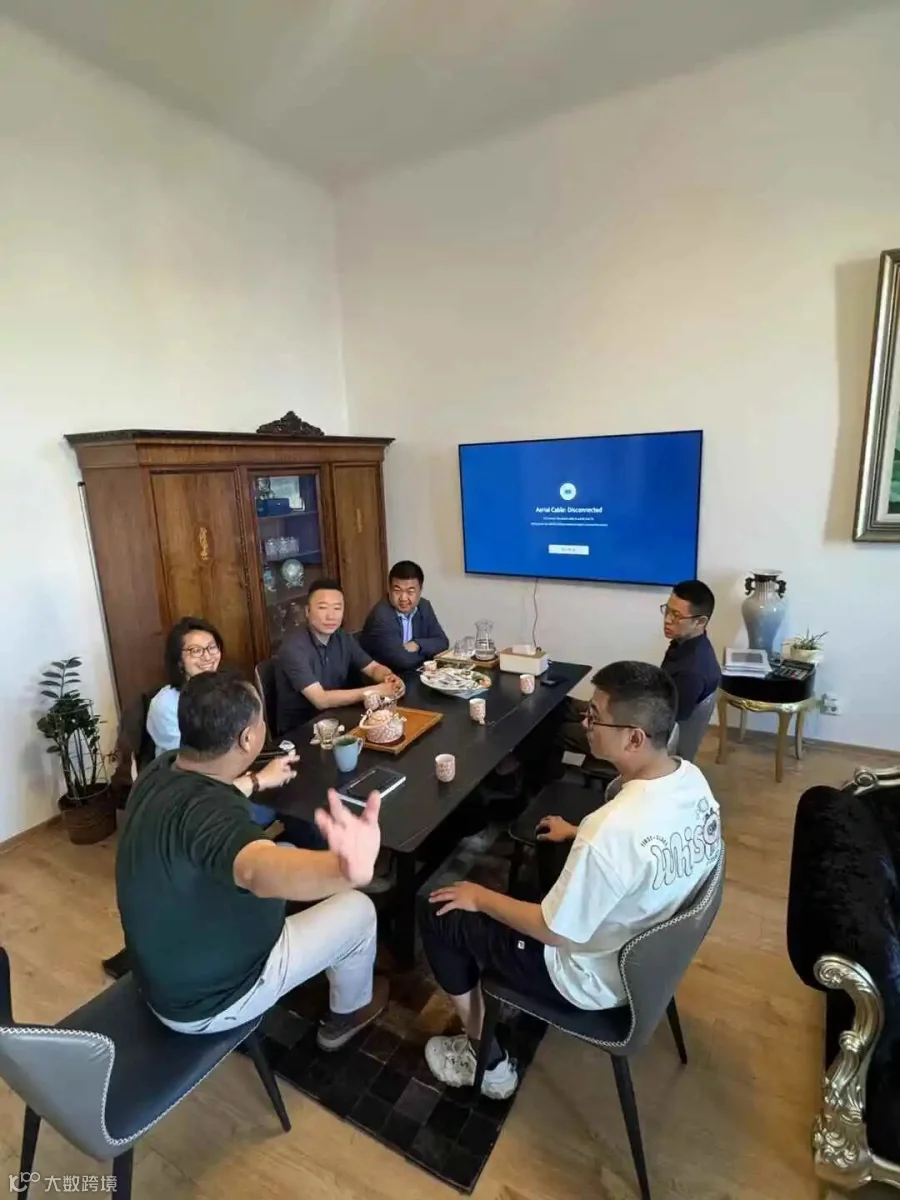
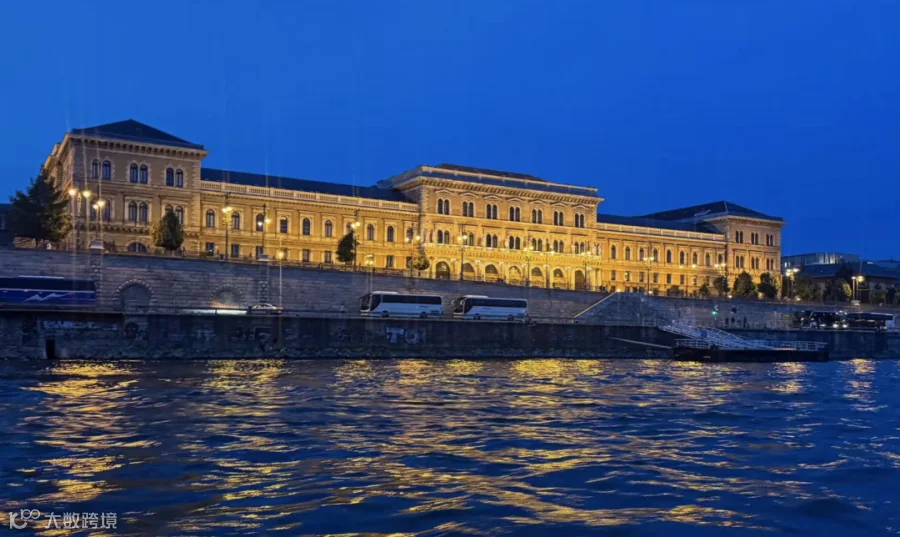
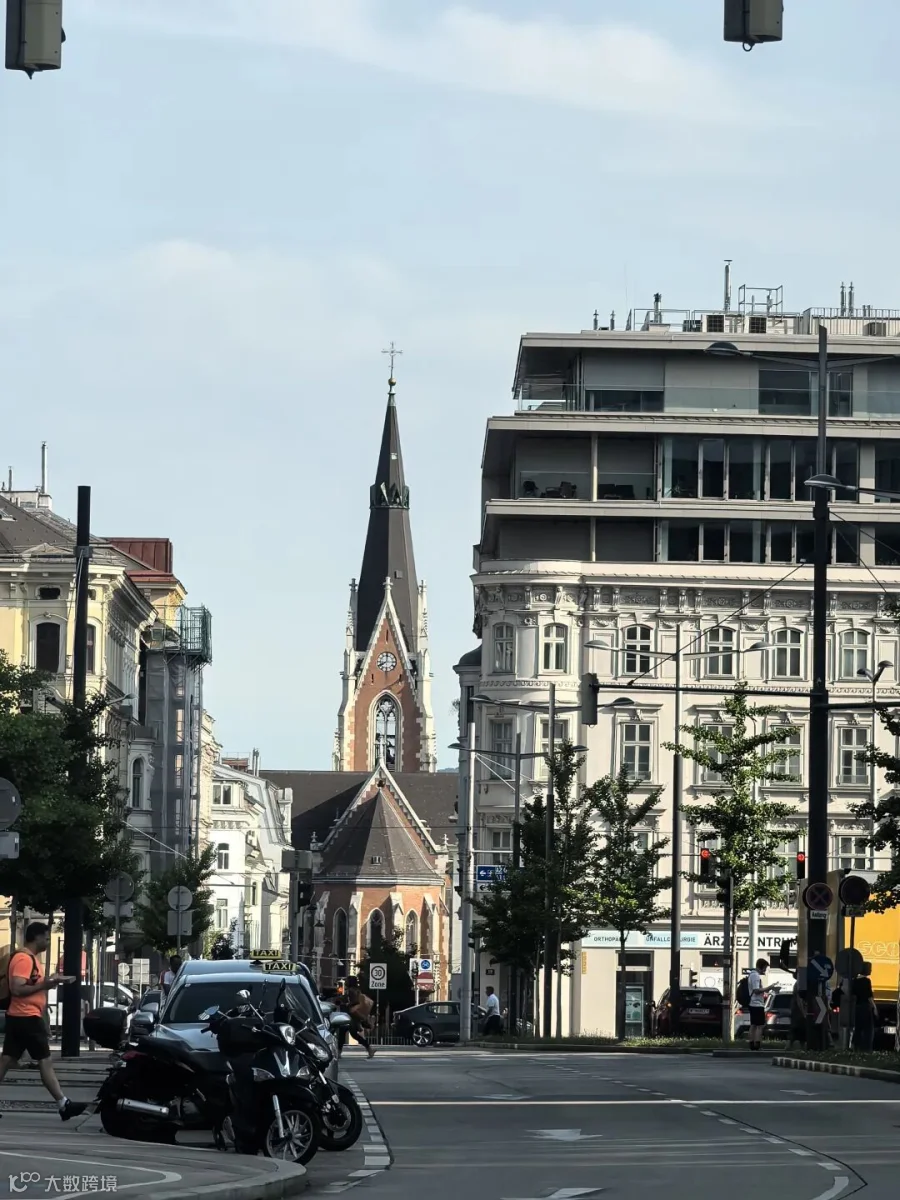
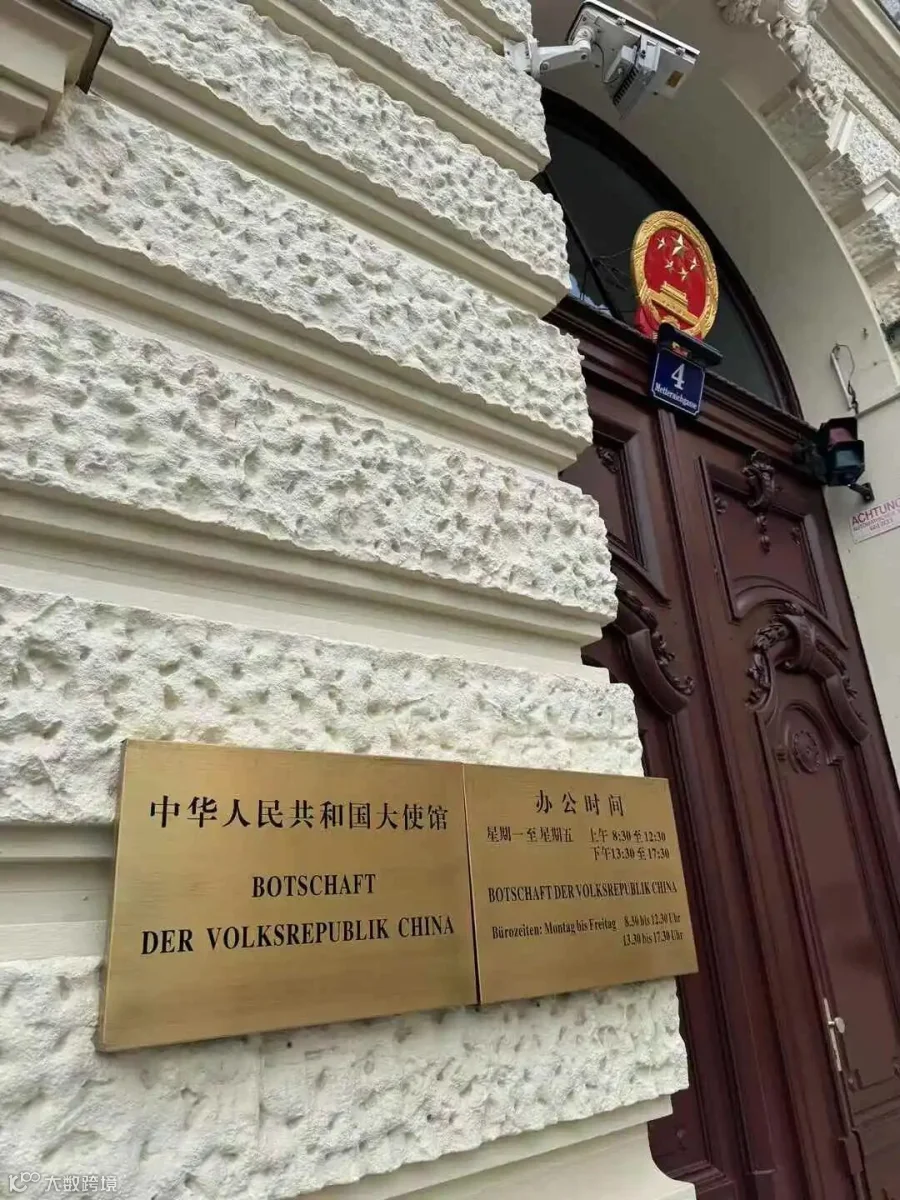
在奥地利与中国驻奥地利大使馆、天邻智库等进行了交流和学习。
奥地利作为联合国重要驻地之一,国际原子能机构、联合国工发组织、联合国毒品和犯罪问题办公室等多个核心机构设于此,结合国际组织平台的合作联动,奥地利在绿色能源、高端制造、生物医药领域优势突出,中奥在能源安全、可持续发展、技术创新等领域拥有广阔的合作空间。
加之奥地利地处欧洲中心的战略位置,不仅能助力中欧贸易物流通道的高效对接,更可推动双方在绿色能源、高端制造等优势产业上实现资源共享、技术互补,为深化双边合作、构建中欧协同产业链创造更多价值。
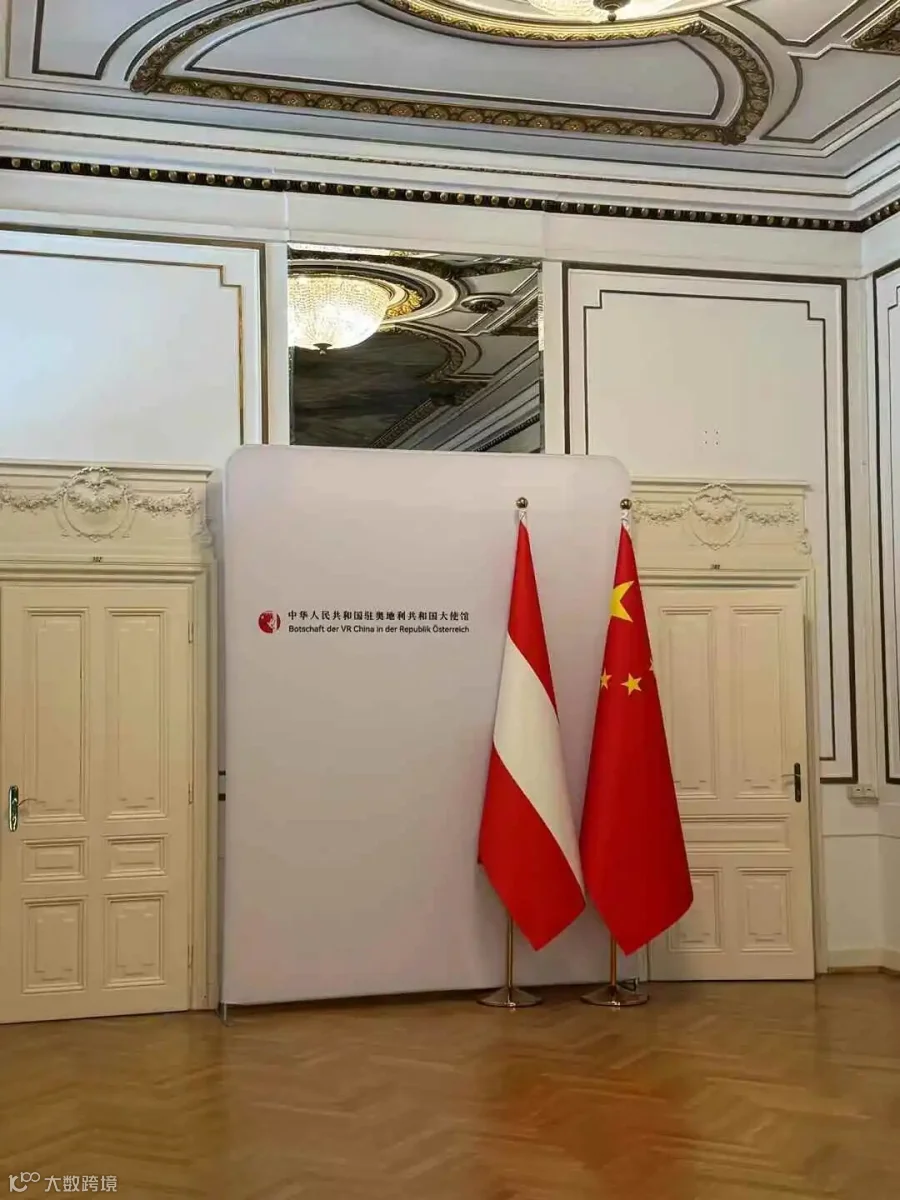
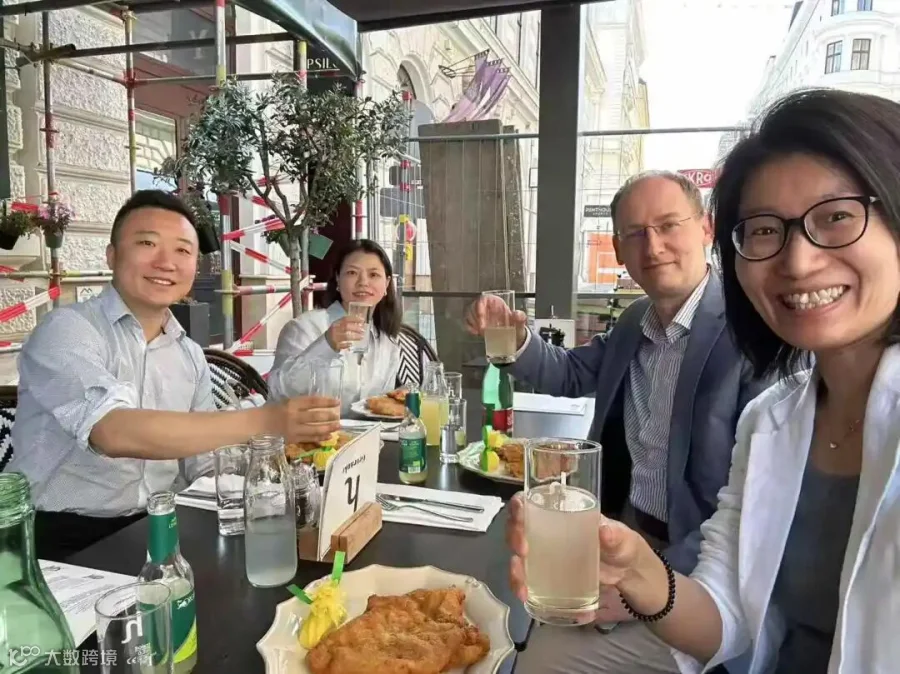
同时,作为策划人核心成员,邱嘉秋先生与南海芬女士等在奥地利维也纳与天邻智库代表、前新兴国家国家传媒论坛邀请嘉宾Oliver先生就中欧深度合作互信与交流,以及新兴经济体(#NEF)交流季(前#新兴国家传媒论坛)相关事宜等进行了沟通与讨论。