A lot of scandals about family members and relatives injuring or killing doctors occurred in the recent years. Put the prejudices from certain radical people aside, it is very interesting to see how the doctors see themselves and their role in the society.
Psyma has conducted a study to research the perception and attitude of doctors after the GSK bribery scandal. We have accompanied doctors from different specialties during their daily work assignment, observed their life-style, got to know their favorite information channels and tried to understand their medical environment.
The goal of the study is to help us to understand the reasons and way of thinking behind doctors’ prescription behavior, how a doctor perceives himself and where do they expect to get reliable information.
1. Daily Work Assignment
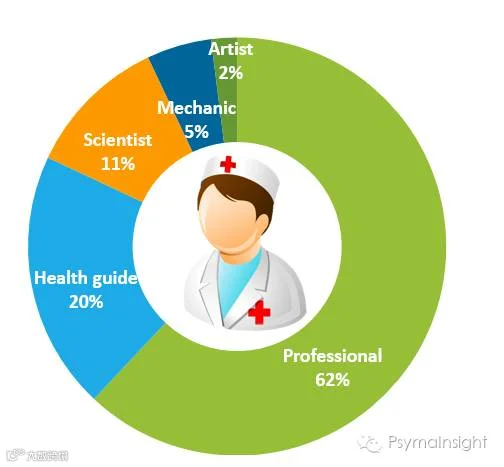
Doctors mainly perceive themselves as Professionals or Health Guides.
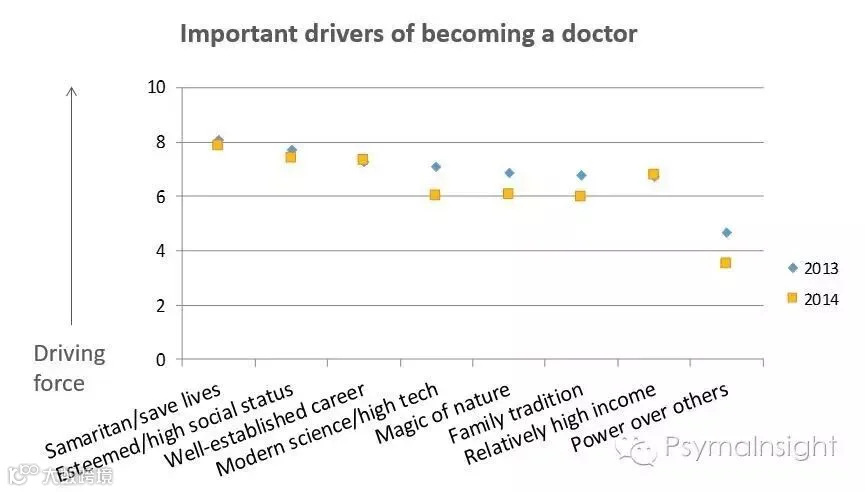
Why did they want to become a doctor?
“Samaritan/save lives”, “high social status” and “well-established
career” are the top 3 most important drivers in 2013 and 2014.
“Magic of nature”, “family tradition”, “powerover others” and “modern science/high tech” have become less important.
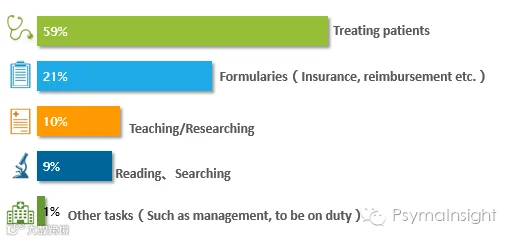
What they do:
Treating patients and formularies are the main tasks.
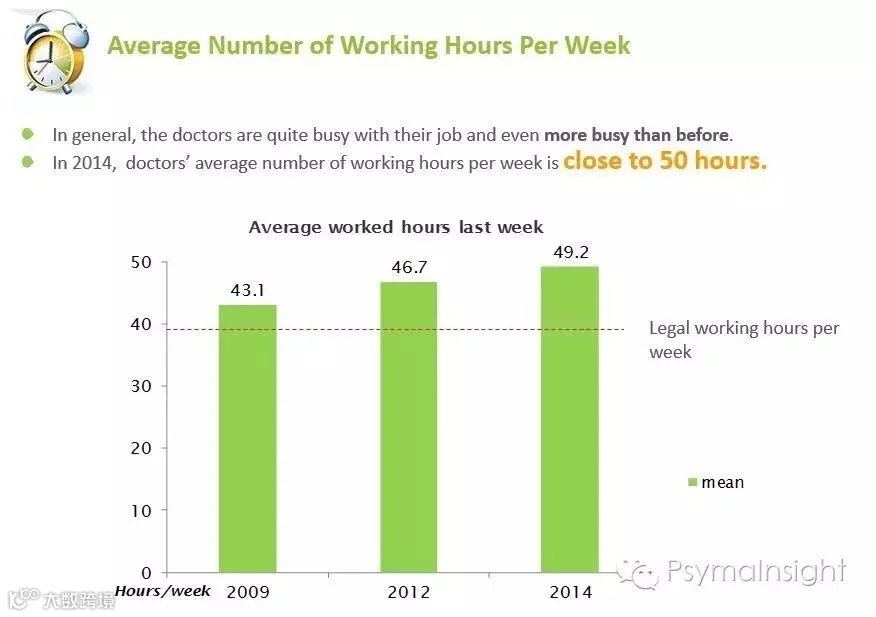
Doctors have a heavy workload. We asked our interviewed doctors to rate their level of fatigue on a scale from 1 to 10 with1 means not tired at all and 10 means very tired.

Most of them are rather tired.
When asked what makes them so tired, top 3 mentioned reasons are long working hours, physician-patientrelationship and research.
2. Priorities in Life
Priorities
Family and friends
Good Health
Career/Business
Personal/Spiritual Happiness
Hobbies
Family and travelling are the most popular hobbies for the doctors
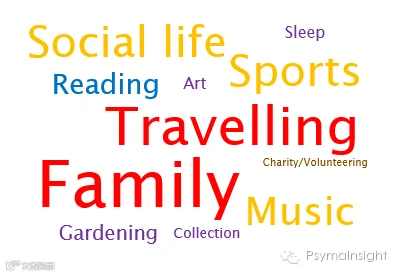
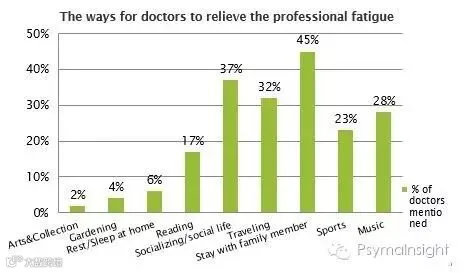
How do they relax and release their stress:
Spend time with their family, Socializing and travelling are the favorite ways for doctors to relieve the professional fatigue.
3. Favorite Information Channels
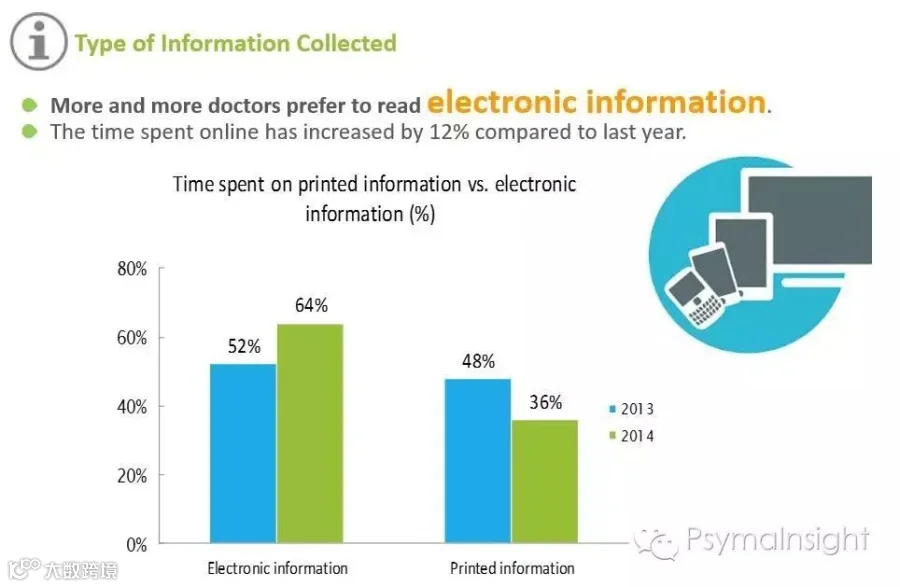
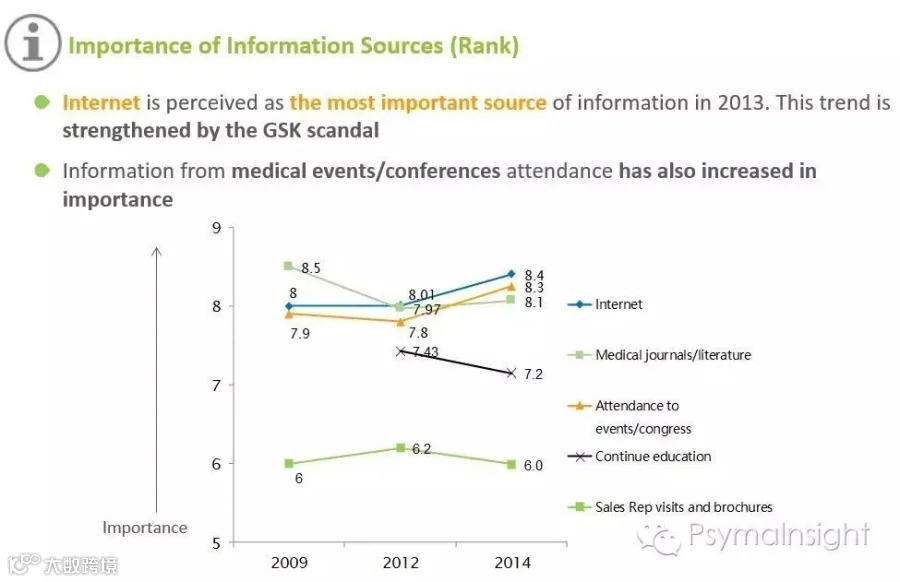
In general, doctors prefer to search data and news online or through medical journals instead of discuss or share their opinions on blogs or forums.
Time spent on internet is with 6.6 hours per week the highest among all information channels. 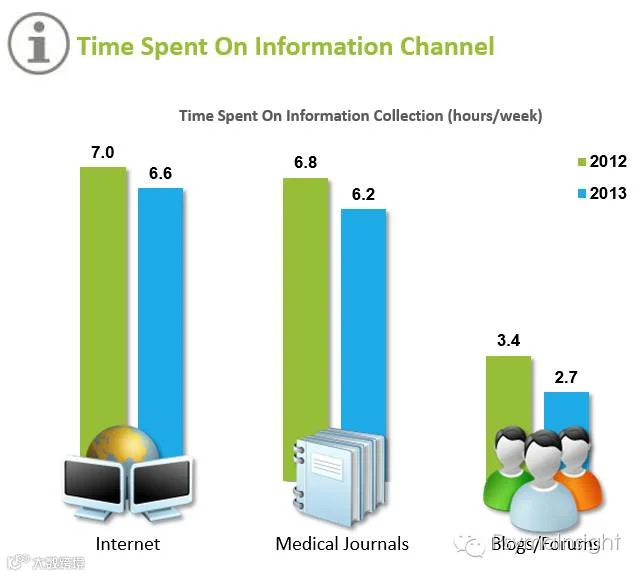
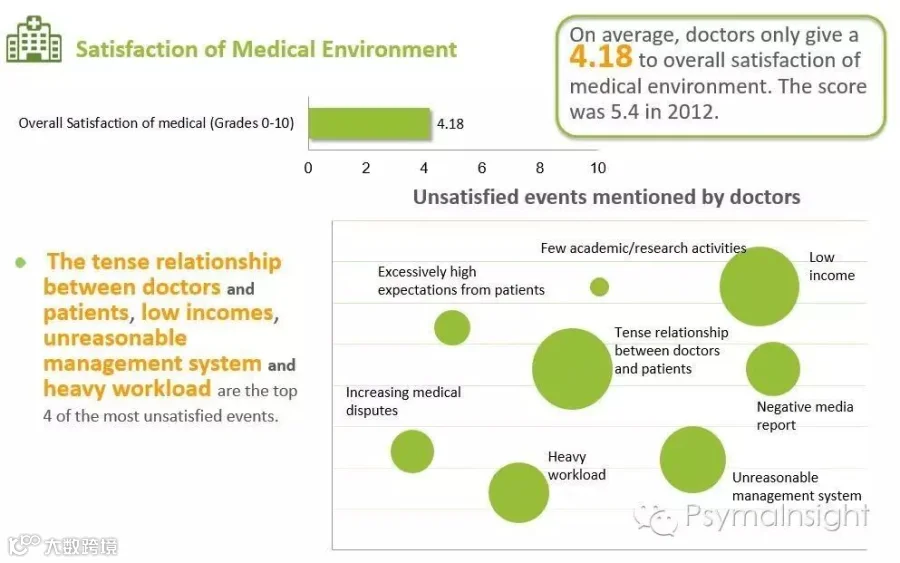
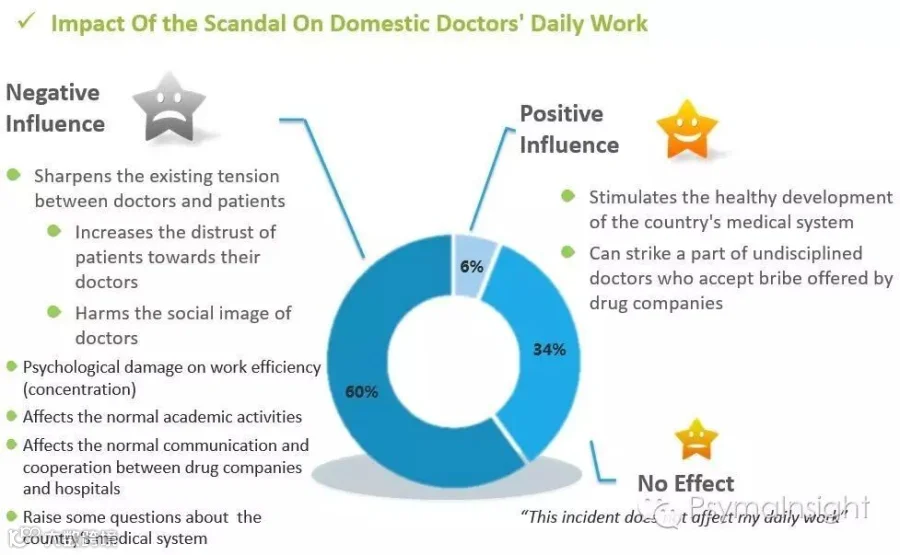
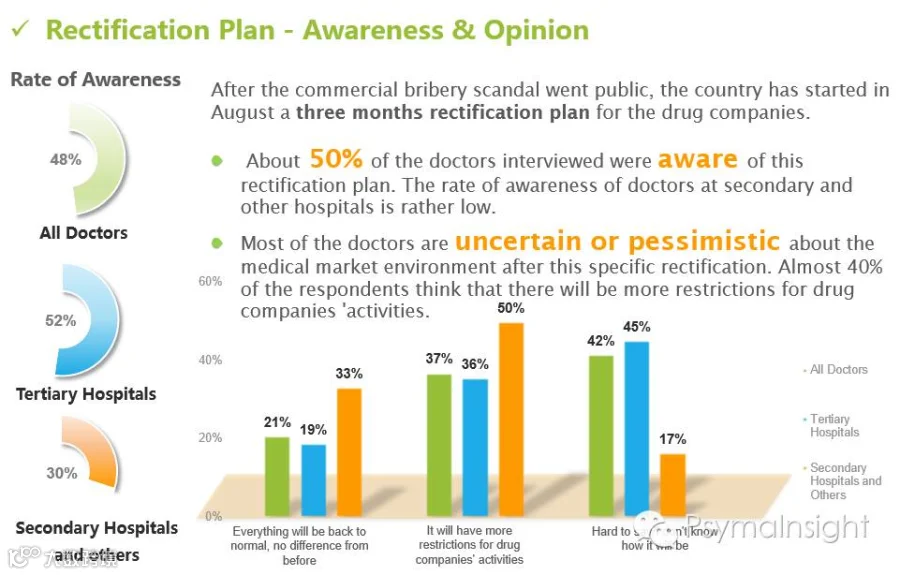
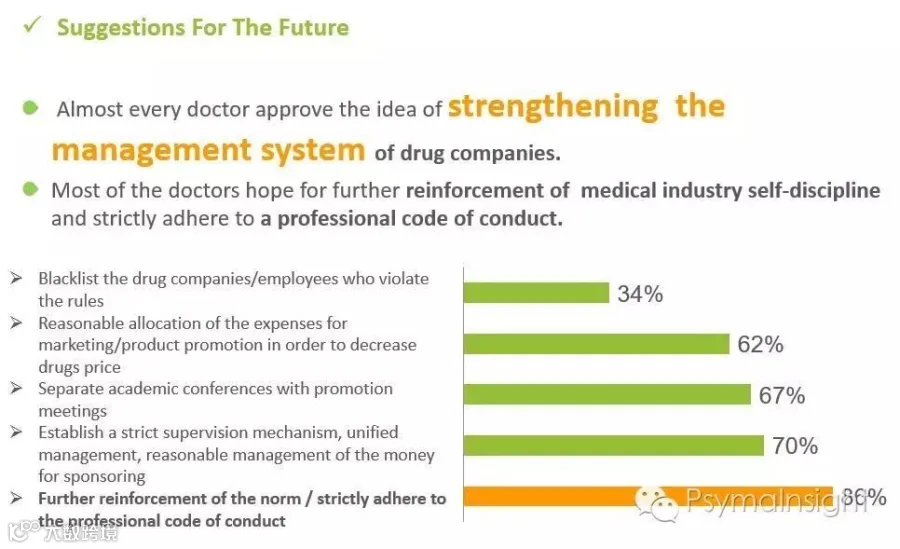
4. Medical Environment