


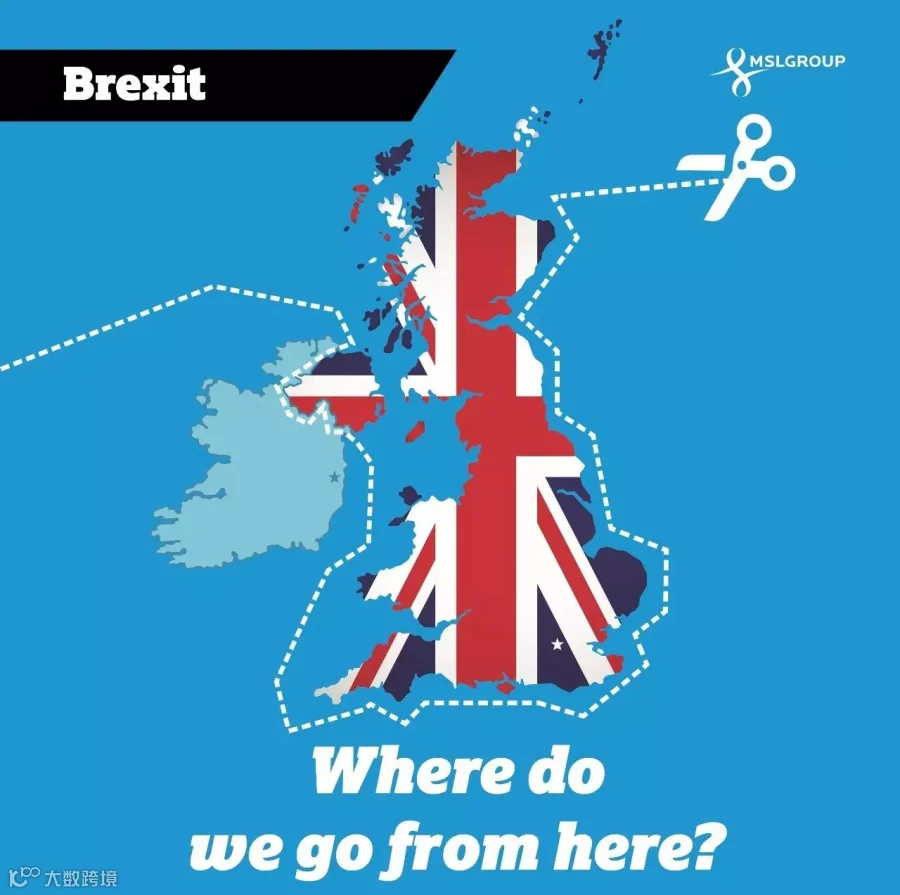
Few material changes have taken place in Brussels or London since 52% of Brits voted to leave the European Union on 23 June. But behind the scenes, perceptions are shifting and a world of uncertainty lies ahead of us. It has become clear that the political leadership that raised the Brexit question did not plan for the eventuality of the vote to leave the EU. The complacency of David Cameron’s government is all the more surprising given that, in the informed judgement of the European Union Committee of the House of Lords, “withdrawal from the EU is arguably the most complex, demanding and important administrative and diplomatic task that the Government has undertaken since the Second World War”. The select committee is now quite rightly pushing for Parliament to have the right to scrutinise the withdrawal negotiations and the future of the relationship between the UK and the EU.
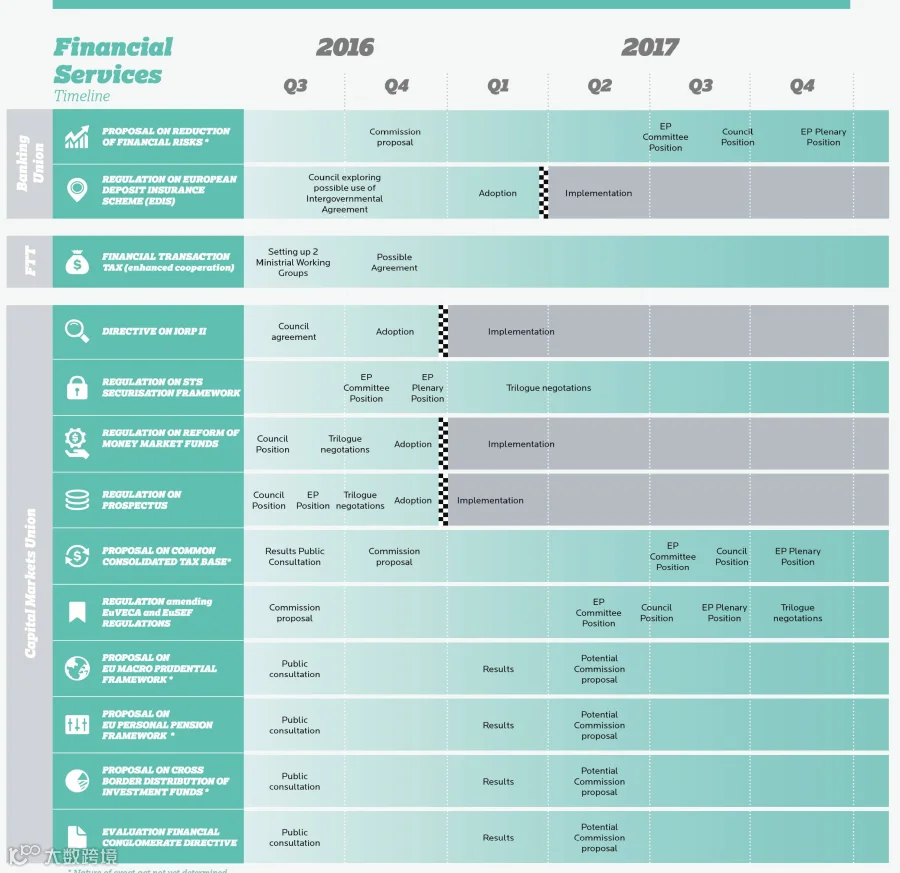
The policy area for which Brexit presents the greatest challenges is Financial Services, where London’s €106tn volume of business in trading and clearing euros only takes place due to the City being in the EU. This will be one of the most controversial elements of the negotiations between the EU and the UK. The City is unlikely to safeguard its current status without the UK making concessions in other areas of interest for the EU such as the maintenance of the freedom of movement and establishment for EU citizens.
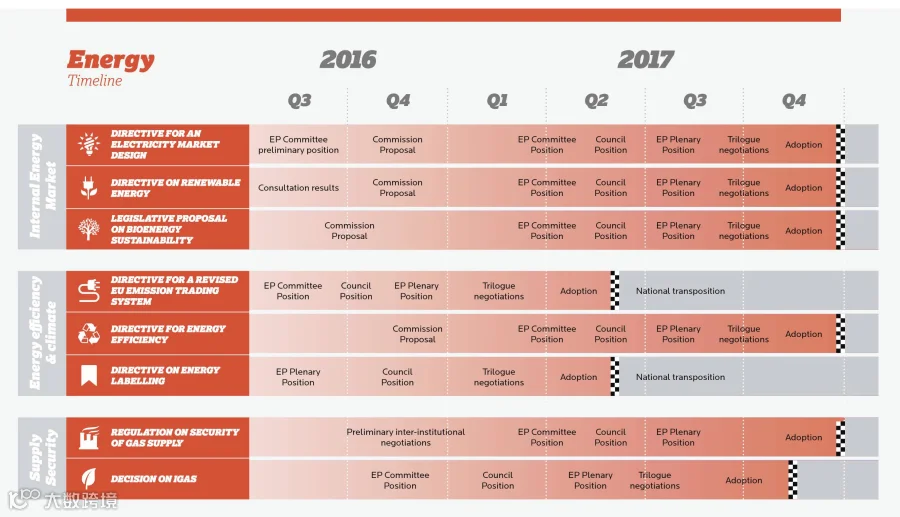
In the coming months, the European Commission will present several major legislative proposals for the energy sector, in order to give life to its five-pillar energy strategy presented in 2015: realize an integrated internal energy market, reduce Europe’s climate impact, improve energy efficiency, strengthen security of supply and support innovation. To fulfil these goals, the EU institutions will work on revising the Emission Trading System, as well as the existing energy efficiency and renewable energy directives. The EU legislators will also focus on a new set of measures for Europe’s security of supply, focusing on intergovernmental agreements for gas companies and on a heating and cooling strategy, as well as on liquefied natural gas. Key future policy developments are outlined below.

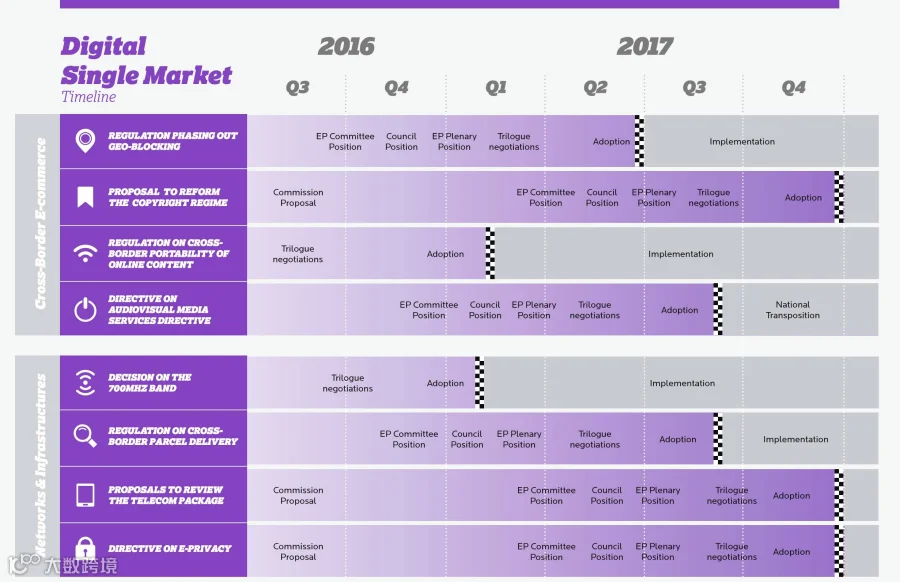
In the second half of 2016, the European institutions will enter the final stretch; releasing, adopting or making significant progress in the negotiations over the remaining legislative proposals completing the Digital Single Market. While some major proposals, such as the Regulation on geoblocking or the cross-border portability of online content, are about to enter the decisive phase of trilogue negotiations, the European Commission will also present its long-awaited proposal on copyright reform in September, adapting intellectual property rules to the ever-evolving online environment. European stakeholders are expected to actively contribute to the debate given the many financial, legal and cultural interests at stake.
If you want to read more or download the whole paper by click "阅读原文".

Nice Meeting You,Welcome to join us.

长按上方二维码,迈出国际商业范儿