


Click BeijingLink to Follow!!
China’s public education system is the largest in the world, serving literally hundreds of millions of students across the vast country. Since the 1980s as China has continued on its path of reform and opening up, the education sector has been enriched with thousands of private schools, including more than 600 international schools. Anyone who lives in China also knows how important education is to the average Chinese family. Between 2000 and 2015, annual per capita spending of Chinese households on education has risen from just 670 RMB to 2,381 RMB.
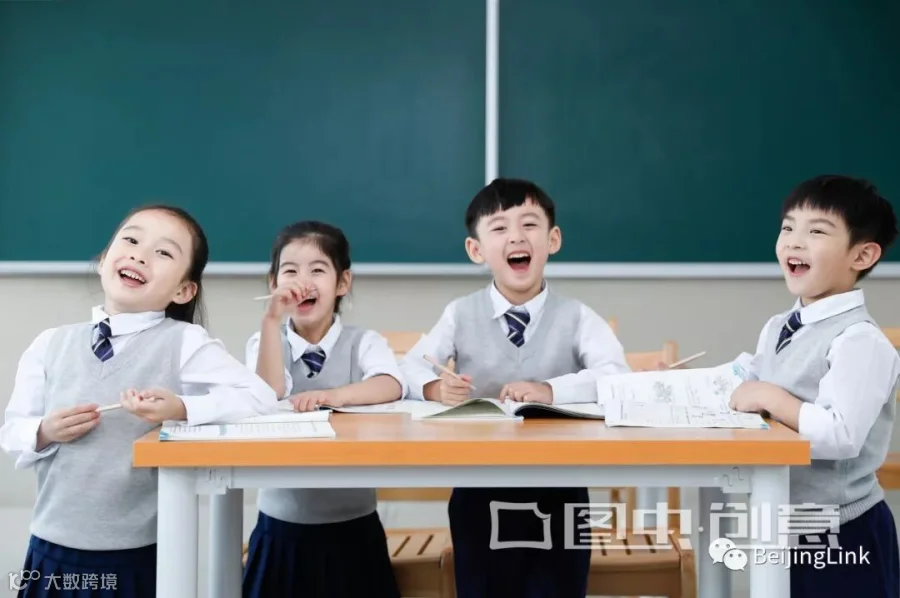
In other words, as wealth grows, more people choose to spend that money on their child’s education. As a nation, China spent nearly 4.3 trillion RMB ($675.3 billion) on education in 2017, an increase of 9.43 percent from 2016. For those able to spend a little more than 2,381 RMB per year --- up to one or two hundred thousand more, to be precise --- the private school market in China is booming and full of great options.
But what are the differences between public and private schools? I’ve worked for many years in both public and private education sectors, including in one of Beijing’s longest-established international schools that welcomes Chinese nationals, and today I’m going to try and shed a little light on this subject, albeit in fairly broad strokes.
01.
Class Size
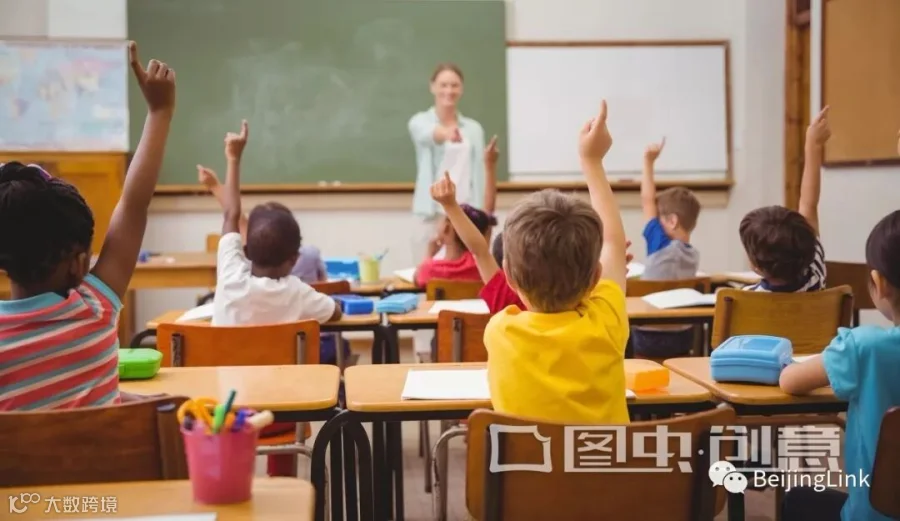
The most obvious difference anyone notices is the class sizes. The typical public school has anywhere from 40-60 students, whereas private schools control the numbers to under 25. Public school classes can often be so big, and the haircuts so uniform, that those of us whose eyesight isn’t quite what it should be can’t even tell if the kids at the back are boys or girls. They disappear into some distant grey mist, lost in the 62-strong sea of children all craning to see what’s been written on the blackboard.
02.
Curriculum
All regular public schools follow the standard national curriculum, which comes with copious amounts of homework and a big dollop of stress. Assessment is built almost exclusively on test scores, which require students to remember huge numbers of facts and details because only one answer will do. Chinese private schools follow similar content, but leverage their greater resources to attract top teachers, build better facilities and even offer international courses like AP classes, IGCSE. International private schools either follow a variation of their “base” country curriculum --- e.g. the British School of Beijing offering the National Curriculum of England and Wales --- or they adopt an international program like the International Baccalaureate (IB).
03.
Facilities
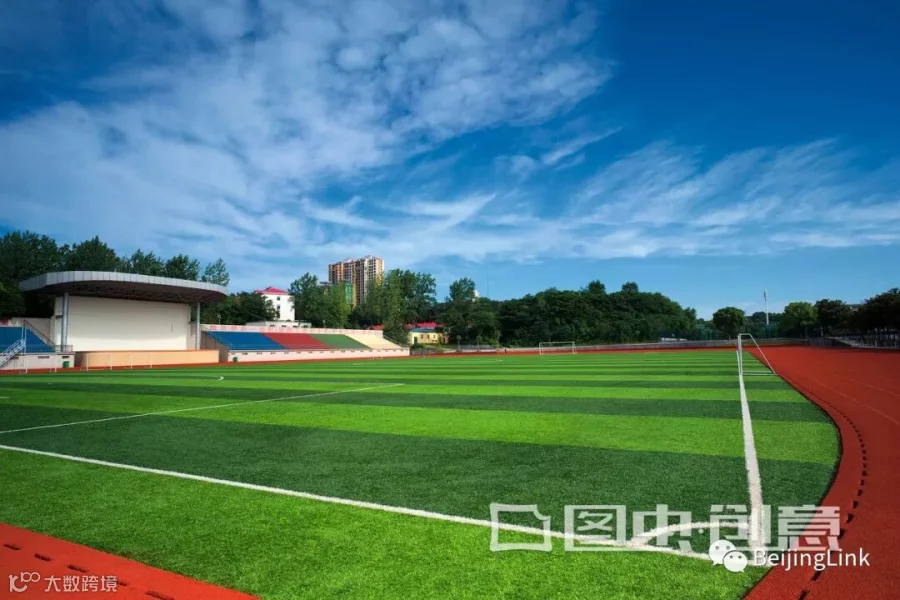
The gap between public and private schools is growing smaller in China thanks to huge nationwide school-building programs which is seeing larger, more attractive and better-equipped campuses popping up all over the place. While rural areas still have a way to go to catch up, a typical urban school will now have better Internet access, sports and leisure facilities, and even pretty landscaping. Private schools have had many of these things for years of course, fitness rooms, swimming pools, recording studios, bigger libraries etc..
04.
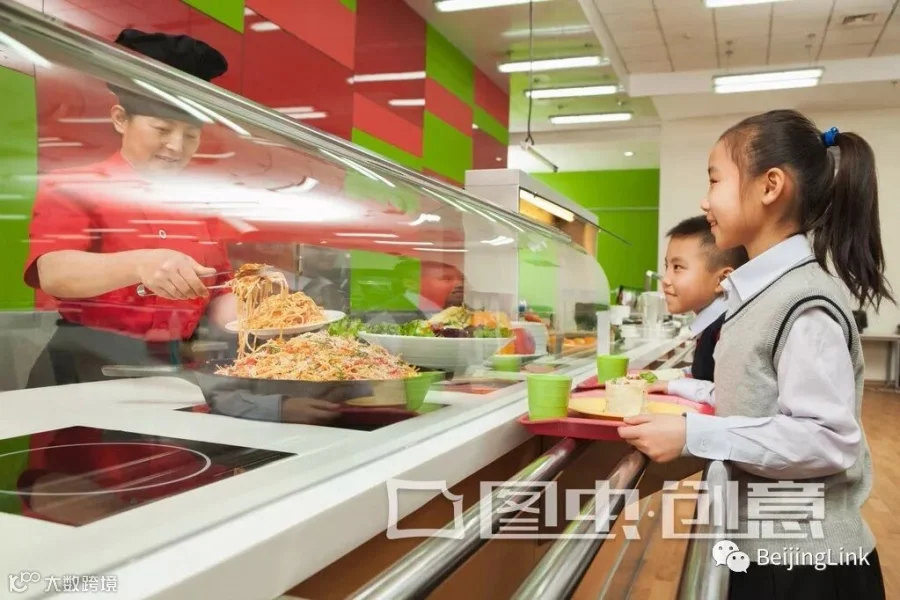
Food
It’s sad to say, but in my experience the food isn’t that great in pretty much any school in which you work or study. Perhaps the main difference is that international private schools very often give students a bigger selection. The school I worked at previously had a sandwich/salad bar, different Asian cuisines on offer, as well as a coffee and snack shop. Not too shabby.
05.
Focus and Values
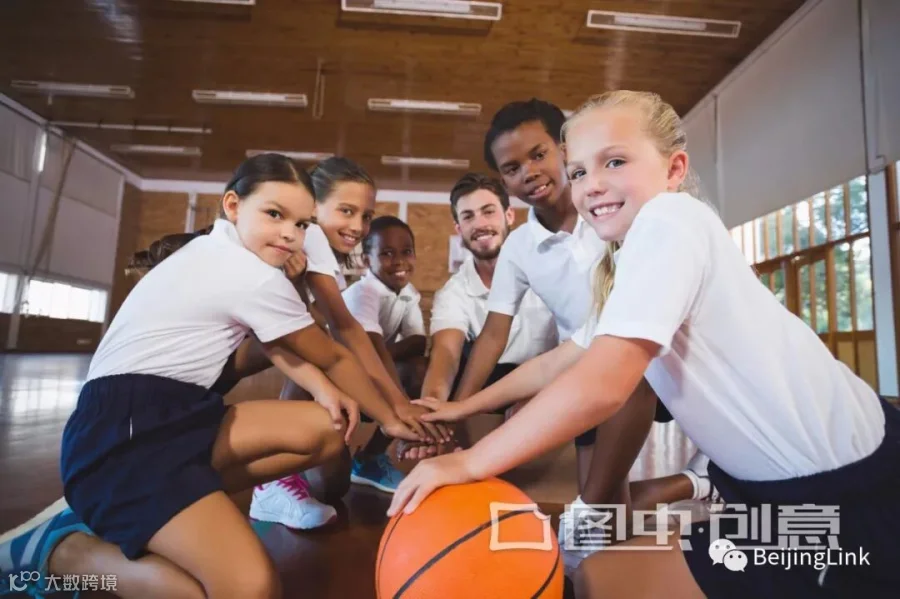
One of the biggest drivers of parents choosing a private or international school for their child is the greater diversity of thought and value systems that run through the sector. Where public schools all have to follow the same ethos – study, take exams, get good/bad score and therefore be labeled permanently as good/bad student – private schools have more room to take a holistic approach. These schools often talk about looking at the “whole child” when educating them; adding personal and emotional development to the experience in an effort to produce well-rounded, independent young people capable of critical thinking. Private schools can redefine “academic success” to offer alternative paths of development to the many thousands of students who can’t fit in with China’s rigid public system.
As the private sector continues to grow, an even greater choice will come to the next generation of parents as they select a place to send their kids. China also has an incredibly diverse range of training schools and academies that operate during evenings and weekends, which especially gives public school students affordable options to learn skills in things their own schools otherwise overlook, like speech and debate, visual arts, music, coding and even robotics. It’s a veritable smorgasbord out there!
References:
Number of international schools in China(Study International)
https://www.studyinternational.com/news/demand-for-western-ed-in-china-breeds-4-types-of-international-schools/
Per capita spending on education in China(Statista)
https://www.statista.com/topics/2090/education-in-china/
Total spending on education in China, 2017(China Daily)
http://www.chinadaily.com.cn/edu/201805/09/content_36166954.htm
Please note that we hope more people get the first-hand information. For articles that we have the footnote of the sources on the bottom, BeijingLink does not necessarily endorse the views presented in this article. The copyright belongs to the original writer, and we've tried the best to proofread the content.


 WeChatID:BeijingLink
 Long Press to Follow!