

Can arthritis be reversed?
You can’t reverse your arthritis, but certain treatments can help slow the progression of the disease and help you manage your condition.
Getting the right kind of treatment can ease your pain and help you maintain or even improve function, which will enable you to carry out daily activities.
Osteoarthritis
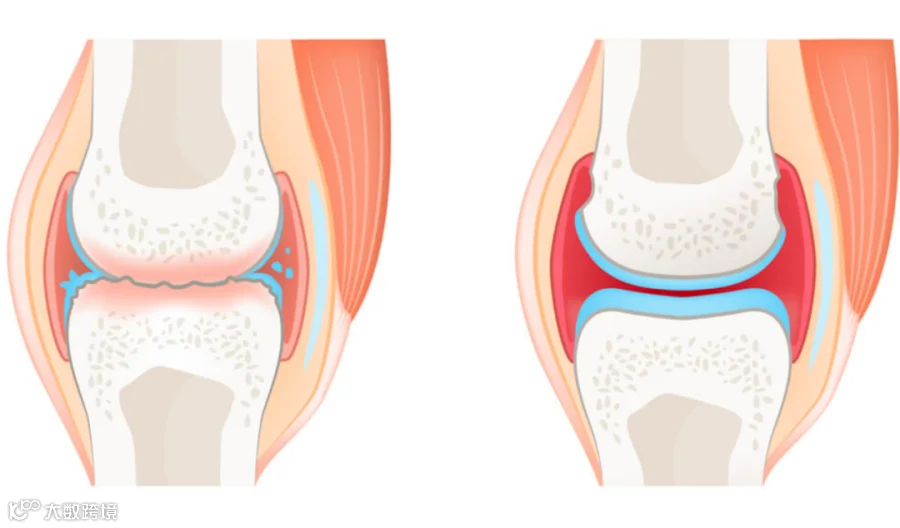
Osteoarthritis develops over time. As you age, the cartilage that provides a cushion between the bones of your joints begins to break down and wear away. When that cartilage is gone, your bones rub together, which causes pain and swelling and sometimes joint stiffness.
Unfortunately, just as you can’t reverse time, you really can’t reverse OA. However, you can manage that pain and maintain your flexibility and range of motion.
Other types
While OA and RA are the two main types of arthritis, there are other types of arthritis, including:
· gout
· psoriatic arthritis (PsA)
· ankylosing spondylitis
Like the more common forms of arthritis, these can be managed when properly diagnosed, but it can take some trial and error to find the right combination that meets your needs.
Treatments to help slow the progression
Treatment will depend on the type of arthritis you have.
Osteoarthritis
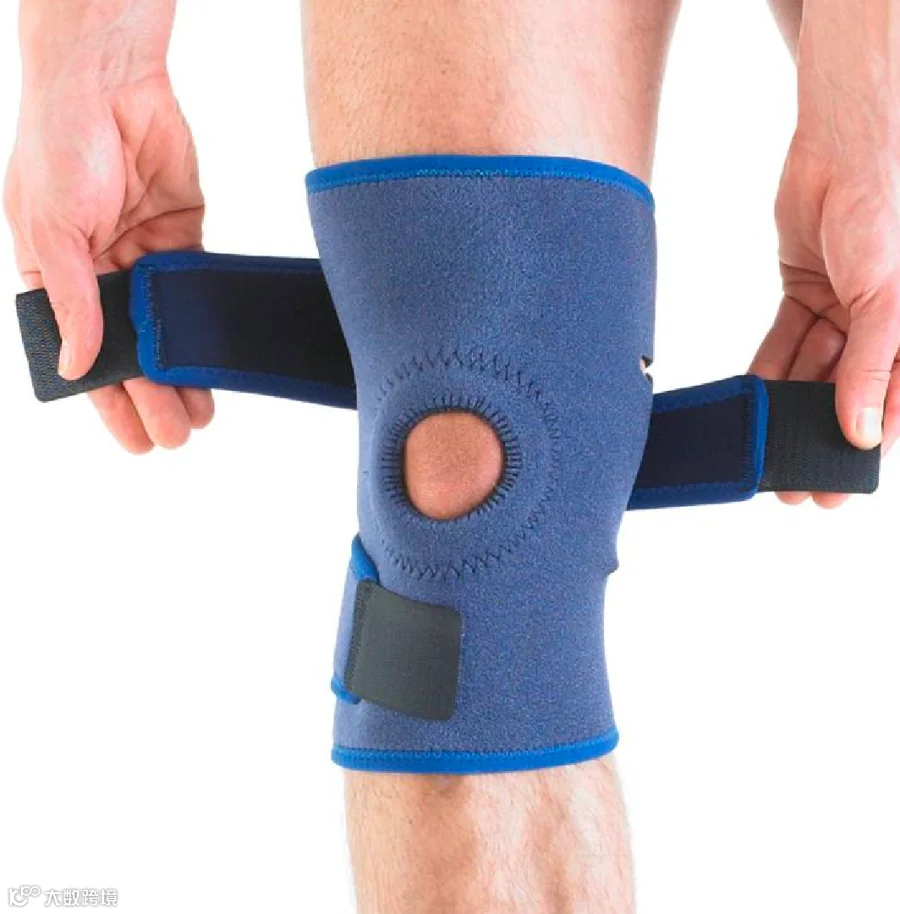
With OA, your best bet to slow progression is reducing the strain you put on the joint. You can do this either by maintaining a moderate weight or by using a splint or brace to support the joint, or possibly both.
Many experts also suggest regular exercise and using pain relievers, such as nonsteroidal anti-inflammatory drugs (NSAIDs).
Other forms of arthritis
If you have another form of arthritis, your doctor may recommend some of these same medications. NSAIDs are often recommended to help people with various forms of arthritis cope with pain caused by their condition.
DMARDs are also used to treat other types of arthritis, like PsA and ankylosing spondylitis. Doctors often prescribe corticosteroids for people with various forms of arthritis because they can decrease inflammation.
However, more specific treatments are required for some types of arthritis. For example, someone with gout might need to take a drug that lowers the body’s levels of uric acid. A buildup of uric acid crystals is what causes joint pain and swelling.
Another example is someone with PsA who may need anti-inflammatory medications, such as a DMARD or a biologic drug. They may also need topical creams or light therapy to address the skin disease that can occur with PsA.
How to ease pain
Most people associate arthritis with pain. It’s one of the defining symptoms of the disease. Your doctor may suggest taking a pain reliever like acetaminophen or an NSAID like ibuprofen or naproxen.
Other pain-relieving strategies include:
· applying moist warmth to the inflamed joint with a heating pad, wrap, or patch
· cold therapy to reduce pain and swelling in the affected area
· activity modification to reduce strain on the joint
· braces or splints to support the joint
For some people, prescription pain medications may be necessary. Talk with your doctor about what’s best for you.

When to talk with your doctor
If you’ve been using a particular management strategy for your arthritis, but you feel like it’s not working as effectively as it once did, contact your doctor. It’s possible that you will have more success with a different type of treatment.
If your symptoms are worsening or new symptoms develop, that’s another opportunity to discuss other treatment options with your provider.
This article is excerpted from:
https://www.healthline.com/health/osteoarthritis/can-arthritis-be-reversed

JK-Clive Pain Clinic specializes in management of acute and chronic pain caused by various "sports injuries" and "degenerative diseases",we are located in Beijing Sanfine International Hospital and our services can be paid directly by most of the international insurance.

JK will always care about your health!
Practical medical science will be shared constantly!
If you have any questions about muscles and joint pain.

Past recommendations
1.Knee rehabilitation exercise
2.Osteoarthritis - Diagnosis and treatment - Mayo Clinic
3.Conservative Management of Osteoarthritis


Light up sharing, like, watching
Look who's watching with you