
大数跨境

Plantar Fasciitis and Bone Spurs

Plantar Fasciitis and Bone Spurs 脊康瑞医
2021-06-25
2
导读:Too much pressure on the plantar fascia can damage or tear the tissues, causing heel pain.


Plantar fasciitis (fashee-EYE-tiss) is the most common cause of pain on the bottom of the heel. Approximately 2 million patients are treated for this condition every year.

Plantar fasciitis occurs when the strong band of tissue that supports the arch of your foot becomes irritated and inflamed.

Anatomy


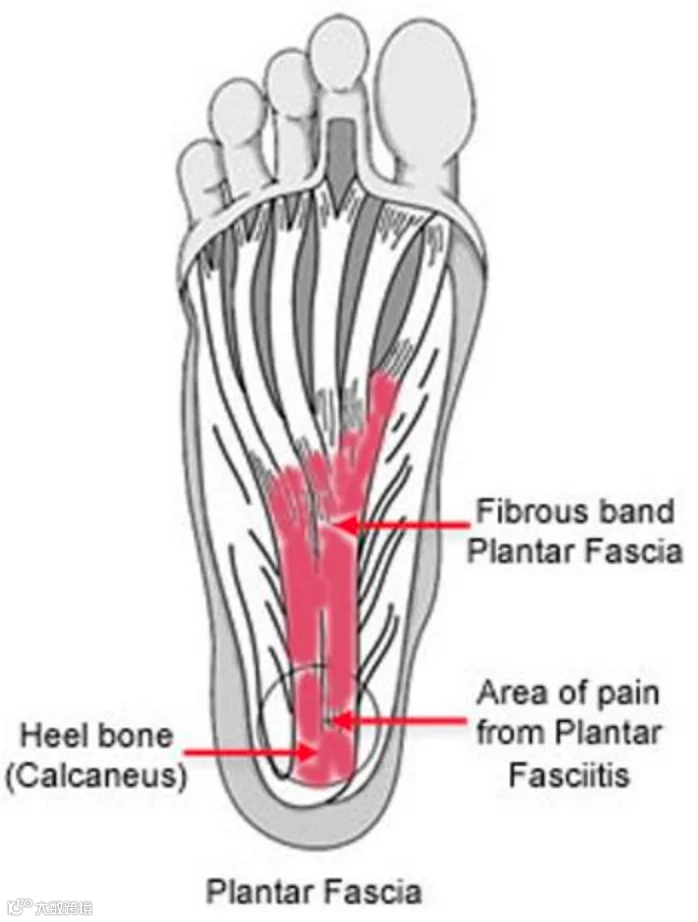
The plantar fascia is a long, thin ligament that lies directly beneath the skin on the bottom of your foot. It connects the heel to the front of your foot, and supports the arch of your foot.

The plantar fascia is a ligament that lies beneath the skin on the bottom of your foot.


Cause


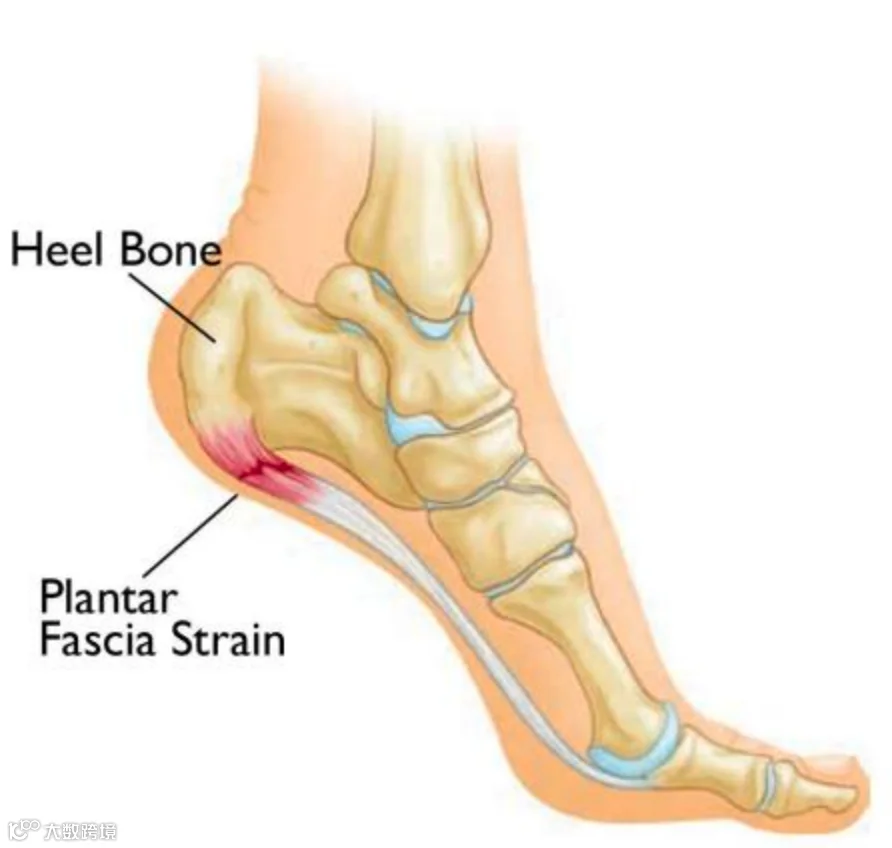
The plantar fascia is designed to absorb the high stresses and strains we place on our feet. But, sometimes, too much pressure damages or tears the tissues. The body's natural response to injury is inflammation, which results in the heel pain and stiffness of plantar fasciitis.

Too much pressure on the plantar fascia can damage or tear the tissues, causing heel pain. 


Risk Factors


In most cases, plantar fasciitis develops without a specific, identifiable reason. There are, however, many factors that can make you more prone to the condition:

· Tighter calf muscles that make it difficult to flex your foot and bring your toes up toward your shin

· Obesity

· Very high arch

· Repetitive impact activity (running/sports)

· New or increased activity

Nonsurgical Treatment


More than 90% of patients with plantar fasciitis will improve within 10 months of starting simple treatment methods.

Rest. Decreasing or even stopping the activities that make the pain worse is the first step in reducing the pain. You may need to stop athletic activities where your feet pound on hard surfaces (for example, running or step aerobics).

Ice. Rolling your foot over a cold water bottle or ice for 20 minutes is effective. This can be done 3 to 4 times a day.


Nonsteroidal anti-inflammatory medication. Drugs such as ibuprofen or naproxen reduce pain and inflammation. Using the medication for more than 1 month should be reviewed with your primary care doctor.

Exercise. Plantar fasciitis is aggravated by tight muscles in your feet and calves. Stretching your calves and plantar fascia is the most effective way to relieve the pain that comes with this condition.

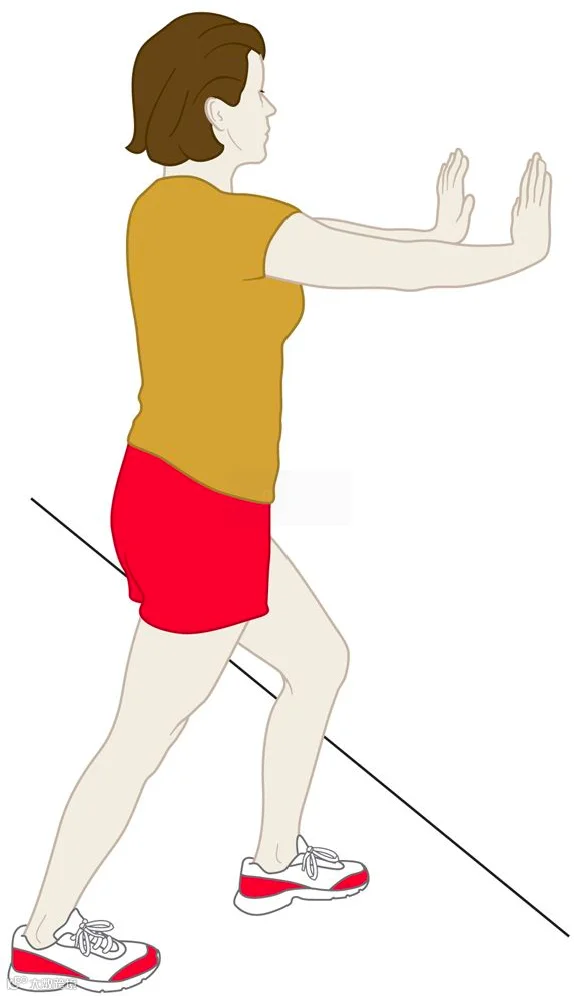
· Calf stretch 

Lean forward against a wall with one knee straight and the heel on the ground. Place the other leg in front, with the knee bent. To stretch the calf muscles and the heel cord, push your hips toward the wall in a controlled fashion. Hold the position for 10 seconds and relax. Repeat this exercise 20 times for each foot. A strong pull in the calf should be felt during the stretch.

· Plantar fascia stretch 

This stretch is performed in the seated position. Cross your affected foot over the knee of your other leg. Grasp the toes of your painful foot and slowly pull them toward you in a controlled fashion. If it is difficult to reach your foot, wrap a towel around your big toe to help pull your toes toward you. 
Placeyour other hand along the plantar fascia. The fascia should feel like a tight band along the bottom of your foot when stretched. Hold the stretch for 10 seconds. Repeat it 20 times for each foot. This exercise is best done in the morning before standing or walking.


Cortisone injections. Cortisone, a type of steroid, is a powerful anti-inflammatory medication. It can be injected into the plantar fascia to reduce inflammation and pain. Your doctor may limit your injections. Multiple steroid injections can cause the plantar fascia to rupture (tear), which can lead to a flat foot and chronic pain.     
        
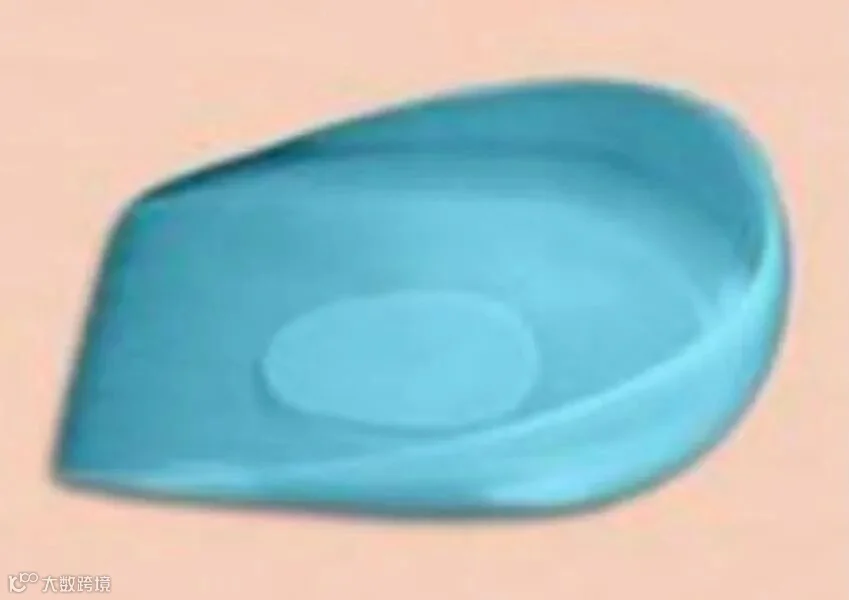
Supportive shoes and orthotics. Shoes with thick soles and extra cushioning can reduce pain with standing and walking. As you step and your heel strikes the ground, a significant amount of tension is placed on the fascia, which causes microtrauma (tiny tears in the tissue). A cushioned shoe or insert reduces this tension and the microtrauma that occurs with every step. Soft silicone heel pads are inexpensive and work by elevating and cushioning your heel. Pre-made or custom orthotics (shoe inserts) are also helpful.

This article is excerpted fromOrthoInfo.https://orthoinfo.aaos.org/en/diseases--conditions/plantar-fasciitis-and-bone-spurs


The copyright belongs to the original author, edited and published by JK-Clive Pain Clinic specializes


JK will always care about your health! Practical medical science will be shared constantly!

If you have any questions about muscles and joint pain, just scan our consultant WeChat!


About us


JK-Clive Pain Clinic specializes in management of acute and chronic pain caused by various "sports injuries" and "degenerative diseases",we are located in Beijing Sanfine International Hospital and our services can be paid directly by most of the international insurance.


Our Specialists


Jingbin Zhou, MD, PhD, Professor.


Board member of Chinese Society of Sports Medicine(CSSM)


Vice Secretary-general of Chinese Association of Sports Medicine(CASM)


Vice Chairman of Youth Committee of Chinese Society of Sports Medicine


Committee member of Asian Athletic Association


Committee member of Chinese Football Association (CFA)


2009 Impuls Rehabilitation Center and Krankenhaus Sports Medicine Hospital, Germany


2010-2011 Orthopedic Department of University of Pittsburgh of Medicine 


Center (UPMC) 2011 Hospital for Special Surgery (HSS), USA


Clive Chen


Attending neurosurgeon of Taichung Veterans General Hospital


Neurosurgeon Board and Pain Physician Board


Graduate of Medical School of National Taiwan University


Research Scholar specializing in neuromodulation and pain management, UCLA


Taiwan Pain Society Distinguished Service Award 2015


Feng Lei  


Attending physician of JK-Clive Pain Clinic


Graduated from the Department of Medicine, Peking University, MD


Attending physician of Beijing Ji shui tan hospital pain management department


Xu Hao


Orthopaedic specialist, sports specialist


Committee member of Physical Therapy Group of Physical Rehabilitation,


Physical Therapy Special Committee of Chinese Medical Association of Rehabilitation


Visiting scholar, University of Southern California, USA


Visiting scholar, Georgia State University, USA


Member of the National Team of Figure Skating and Freestyle Skiing Aerials Rehabilitation Support Expert Group


Member of National Team Doctor Training Class Lecturer Group


They are all specialists engaged in pain medical research and clinical diagnosis. 

If you have pain for years or begin to face the threaten of it just contact us!

We will customize professional health improvement plan for you!

Help you get rid of pain accurately and thoroughly!

You can also find more details about how to cure yourself at home on our website!


Past recommendations


Light up sharing, like, watching

Look who's watching with you


【声明】内容源于网络
0
0
脊康瑞医
------
内容 0
粉丝 0
脊康瑞医 ------
总阅读0
粉丝0
内容0