

Overview
Platelet-rich plasma, or PRP, is a substance that’s thought to promote healing when injected. Plasma is a component of your blood that contains special “factors,” or proteins, that help your blood to clot. It also contains proteins that support cell growth. Researchers have produced PRP by isolating plasma from blood and concentrating it.
The idea is that injecting PRP into damaged tissues will stimulate your body to grow new, healthy cells and promote healing. Because the tissue growth factors are more concentrated in the prepared growth injections, researchers think the body’s tissues may heal faster.Many famous athletes like Tiger Woods and tennis star Rafael Nadal have been known to use these injections to help heal injuries.
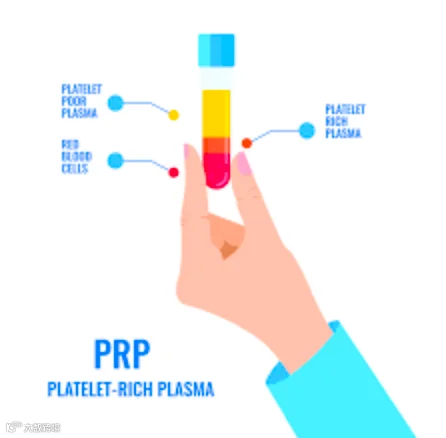

What are the purposes of PRP injections?
Researchers are trying out PRP injections across a number of applications in sports medicine. Examples of these include:
Tendon injuries: Tendons are tough, thick bands of tissue that connect muscle to bone. They are usually slow to heal after injury. Doctors have used PRP injections to treat chronic tendon problems, such as tennis elbow, Achilles tendonitis at the ankle, and jumper’s knee, or pain in the patellar tendon in the knee.
Acute injuries: Doctors have used PRP injections to treat acute sports injuries, such as pulled hamstring muscles or knee sprains.
Postsurgical repair: Sometimes doctors use PRP injections after surgery to repair a torn tendon (such as a rotator cuff tendon in the shoulder) or ligaments (such as the anterior cruciate ligament, or ACL).
Osteoarthritis: Doctors have injected PRP into the knees of people with osteoarthritis. A 2015 studyTrusted Source found that PRP injections were more effective than hyaluronic acid injections (a traditional therapy) for treating osteoarthritis.
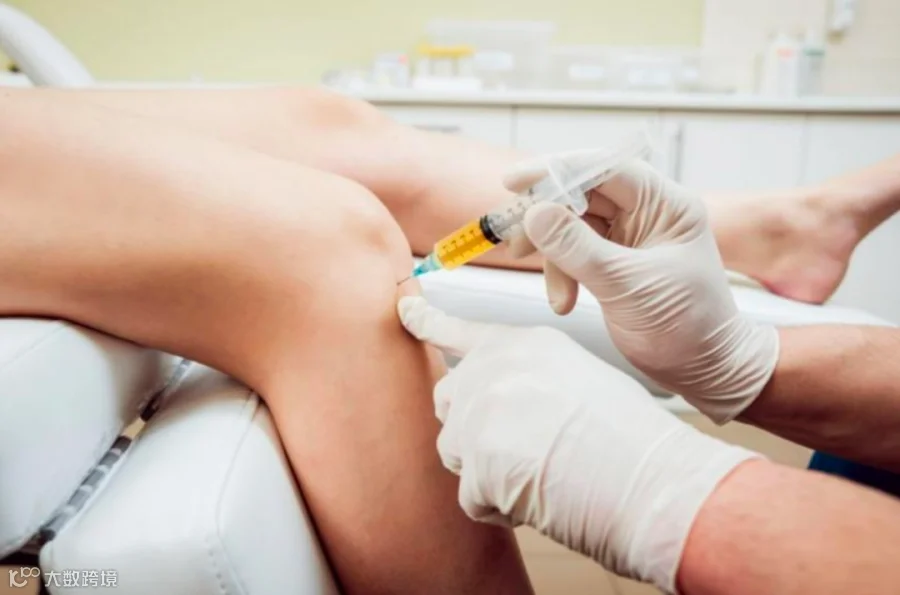

How do you prepare for PRP injections?
Generally speaking, there are few steps to preparing for PRP injections.
However, PRP can be injected in different ways. For example, sometimes a topical numbing lidocaine solution is applied before injection.
Other times, a local anesthetic is mixed with the PRP to reduce any discomfort. Sometimes, your doctor will inject or apply PRP during a surgery. In this instance, preparation for PRP injections would involve following your surgeon’s recommendations presurgery.
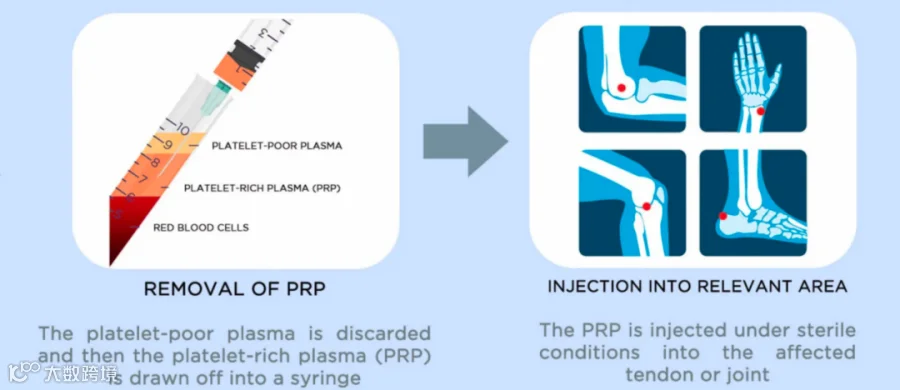

PRP injection process
Here’s what to expect from a typical PRP injection process:
1. A healthcare professional will draw a sample of your blood. The amount of the sample depends on where the PRP will be injected.Forexample,the common amount of blood taken for injection was 10 milliliters. This is no larger than one teaspoon.
2. The blood is placed into a centrifuge. This is a machine that spins around very quickly, causing the blood components to separate. The separation process takes about 15 minutes.
3. A technologist takes the separated plasma and prepares it for injection into the affected area.
4. Doctors will often use imaging, such as ultrasound, to pinpoint specific areas for injection, such as the tendon. Your doctor will then inject the PRP into the affected area.
This article is excerpted from:
https://www.healthline.com/health/prp#purpose




JK-Clive Pain Clinic specializes in management of acute and chronic pain caused by various "sports injuries" and "degenerative diseases",we are located in Beijing Sanfine International Hospital and our services can be paid directly by most of the international insurance.


Jingbin Zhou, MD, PhD, Professor.
Board member of Chinese Society of Sports Medicine(CSSM)
Vice Secretary-general of Chinese Association of Sports Medicine(CASM)
Vice Chairman of Youth Committee of Chinese Society of Sports Medicine
Committee member of Asian Athletic Association
Committee member of Chinese Football Association (CFA)
2009 Impuls Rehabilitation Center and Krankenhaus Sports Medicine Hospital, Germany
2010-2011 Orthopedic Department of University of Pittsburgh of Medicine
Center (UPMC) 2011 Hospital for Special Surgery (HSS), USA
Clive Chen
Attending neurosurgeon of Taichung Veterans General Hospital
Neurosurgeon Board and Pain Physician Board
Graduate of Medical School of National Taiwan University
Research Scholar specializing in neuromodulation and pain management, UCLA
Taiwan Pain Society Distinguished Service Award 2015
Feng Lei
Attending physician of JK-Clive Pain Clinic
Graduated from the Department of Medicine, Peking University, MD
Attending physician of Beijing Ji shui tan hospital pain management department
Xu Hao
Orthopaedic specialist, sports specialist
Committee member of Physical Therapy Group of Physical Rehabilitation,
Physical Therapy Special Committee of Chinese Medical Association of Rehabilitation
Visiting scholar, University of Southern California, USA
Visiting scholar, Georgia State University, USA
Member of the National Team of Figure Skating and Freestyle Skiing Aerials Rehabilitation Support Expert Group
Member of National Team Doctor Training Class Lecturer Group


Past recommendations
1.Chondromalacia Patellae (“Runner’s Knee”)
2.Tendon trouble in the hands:tenosynovitis and trigger finger


Light up sharing, like, watching
Look who's watching with you