

Overview
Contrary to popular perception, for the 21 million Americans with osteoarthritis, diagnosis need not signal inevitable deterioration and disability. Instead, the aches, pains, and stiffness that characterize the condition can often be controlled and alleviated. The term conservative management of osteoarthritis describes non-surgical treatments that provide symptomatic relief, modification of the course of the disease, and an approach that allows patients to adjust to the realities and take more control of their condition.
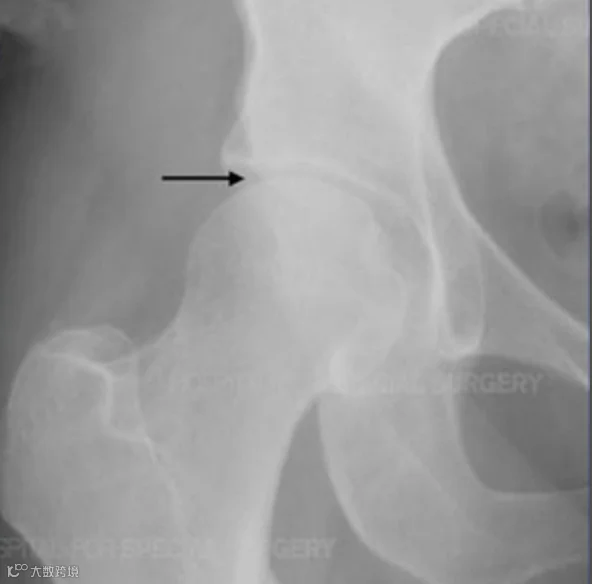
Anteroposterior radiograph of a normal hip joint. There is a uniformly lucent joint space (arrow).
For reasons that are not clearly understood, osteoarthritis is more common in women than in men. There appears to be a genetic factor in its development, but a diagnosis in one generation does not necessarily predict it's occurrence in the next. Research also suggests that cartilage metabolism plays a role in the disease, with some people being better able to withstand injury and wear and tear to the cartilage, than others.
Regardless of which joint is affected, osteoarthritis takes a common course. The pain and stiffness that develop result from the loss of smooth, gliding cartilage on the joint surfaces. As the cartilage thins and becomes uneven, stiffness and catching occur. Motion is diminished and the surrounding joint lining, ligaments and tendons contract and tighten. The joint becomes painful to move, and there is often a progressive weakening of the muscles that control it. The practical implications of these limitations are disruption in work and recreation. Patients may become discouraged and demoralized. A loss of vigor can interfere with personal relationships and intimacy.
Maintaining range of motion
Stretching and strengthening exercises help maintain range of motion and alleviate stiffness. It's important to note, however, that guidance from an orthopaedic surgeon, specialist in sports medicine, a physiatrist, or physical therapist is needed. The wrong exercises can place undue stress on the joint and exacerbate the condition.
Recovering and maintaining range of motion of arthritic joints is very important. This is particularly true with arthritis of the shoulder, low back, hip and knee. Once motion is lost through contracture of surrounding soft tissues it is very difficult to regain, but with early stretching severe stiffness can be avoided and progressive motion loss minimized.
In addition to making the patient feel better, the right kind of supervised stretching yields important mechanical benefits. For example, minimizing hip or knee stiffness protects the low back from undue strain. Another benefit of stretching is preserving load distribution on the joint surface. In a healthy person with supple joints, the weight that is borne by a joint is distributed over a broad surface. If the joint becomes stiff, and motion is limited, the weight is concentrated on a small portion of that joint surface. The increased load on that one area will rapidly wear out the cushion of articular cartilage. By maintaining range of motion, the patient is able to distribute the weight over a larger area, thereby slowing that "wearing out" process.
Exercise
Exercise should be considered with three specific goals: strengthening the muscles that control the arthritic joint, exercises that fortify adjacent joints (such as the low back) and exercise that improves overall fitness.
The benefits of strengthening muscles that control an arthritic joint, such as the shoulder, hip or knee have been well documented. For example, with hip arthritis, strong abductor muscles (muscles that lift the leg away from the midline) can reduce the load experienced by the joint surface and minimize limp. The limp associated with hip arthritis may be due to pain and stiffness, but in most cases weak abductor muscles are the major reason for limping (don't forget, expert guidance is essential to learn to do abductor muscle strengthening exercise properly). For the knee, increased power in the quadriceps muscles in the front of the thigh dramatically improves knee function, such as climbing stairs and getting up from a chair. Strengthening exercises benefit the patient because better-conditioned muscles are able to power the joint through a range of motion and bear more of the load around the joint, thereby redistributing it from the cartilage surfaces.
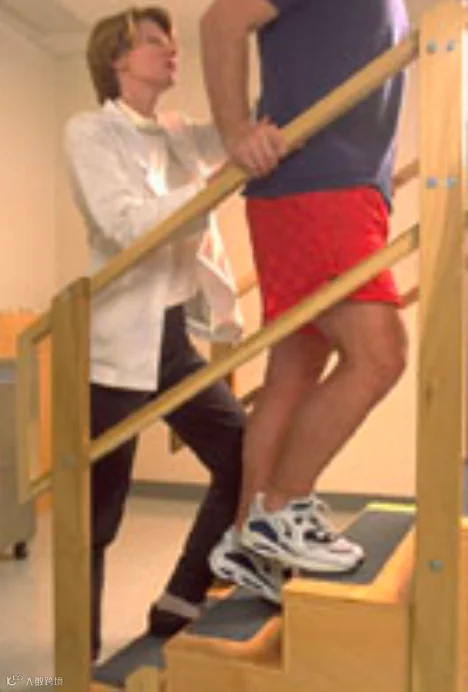
Patient doing exercises while supervised by a Physical Therapist.
In addition to focusing on the affected joint, Dr. Jones advises patients with hip or knee arthritis to do exercises that help stretch and strengthen the lower back. Muscle spasm and ultimately arthritis in the lower back may develop independently or as the result of strain on the lower back due to limping or restricted hip or knee motion. An exercise program may alleviate or even prevent low back symptoms.
Dr. Jones also points out that "Any kind of exercise that is sustained for 20 minutes or more will cause the release of endorphins, which add to the patient's comfort and feeling of well-being."
Patients who have been athletic all their lives and enjoy recreational sports may find that a diagnosis of osteoarthritis requires them to alter their exercise and sports routine in order to protect their joints. While this can initially pose a psychological challenge to some patients, many are often pleasantly surprised to find that the adjustment is not as difficult as they have foreseen. A jogger may switch to bike riding and continue to receive the same aerobic benefit. Individuals who are not able to bicycle or walk on a treadmill may find that swimming or aqua jogging (performed in the deep end of a pool using a flotation device) offers them an enjoyable alternative for deriving the same strengthening and cardiovascular benefit. An aqua jogger who simulates walking, running or cross country skiing against the fluid resistance of water in a pool can maintain overall fitness and cardiovascular health while strengthening the upper and lower body and preserving the good mechanics of proper gait and bearing - form does indeed follow function.
Canes, Shoes and Chairs
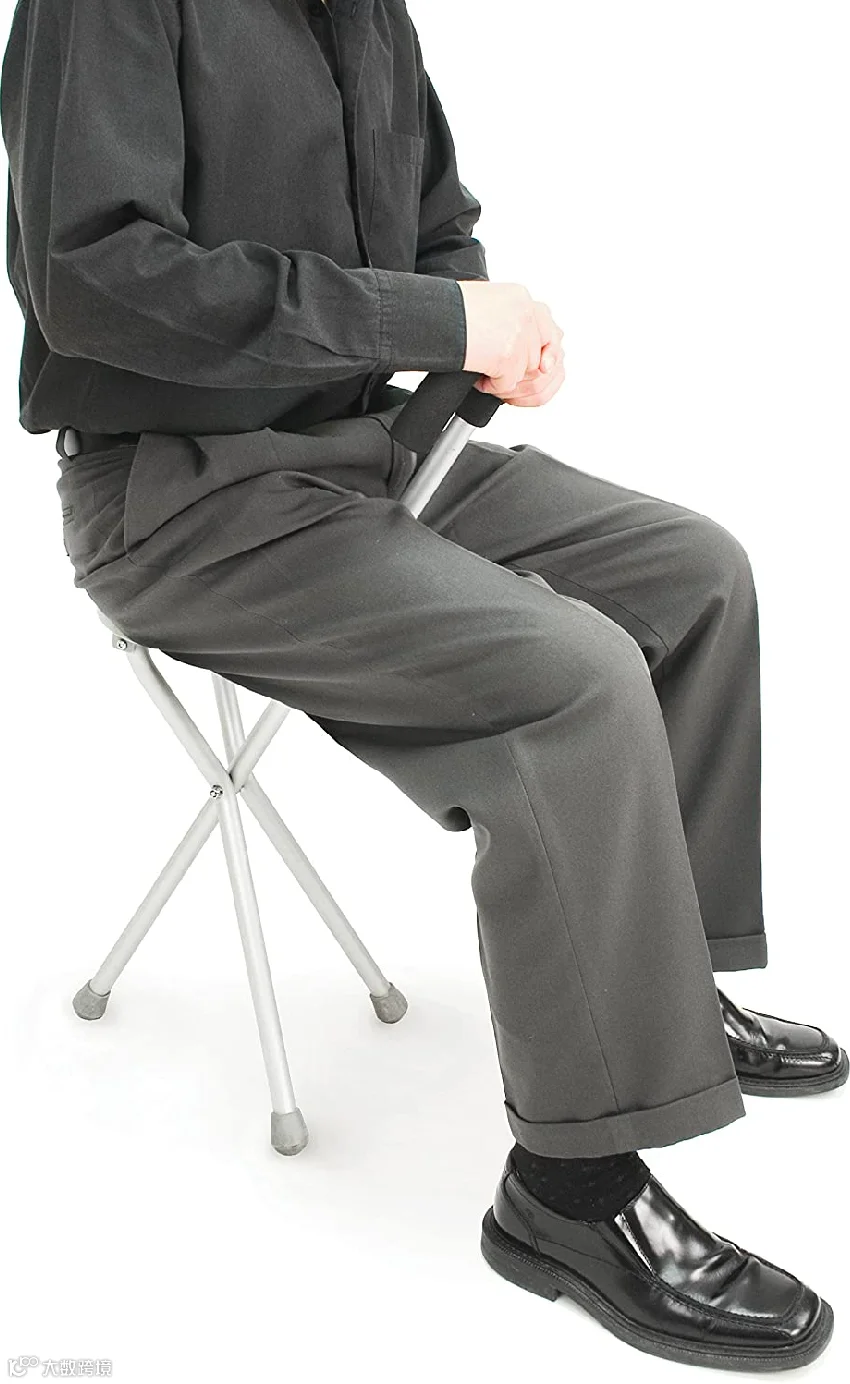
Although many people resist the idea-associating it with age and disability-use of a cane or some type of walking stick can be very helpful for individuals with arthritis of the hip. During normal walking, due to muscle contraction around the joint added to the direct load, the hip bears two to three times the weight of the body. Use of a cane on the opposite side of the affected joint, diminishes the load on the hip by one-half. Dr. Jones advises patients to use the cane selectively, when they know they will be walking some distance, as in a fairground or shopping mall. Doing so can alleviate flare-ups of discomfort both during and after the activity. People with arthritis of the hip, knee and back can also benefit from wearing shoes with a cushioned heel and sole that decrease the impact of walking. Also, high chairs are much more comfortable for anyone with back, hip or knee arthritis.
Alleviating Night Pain
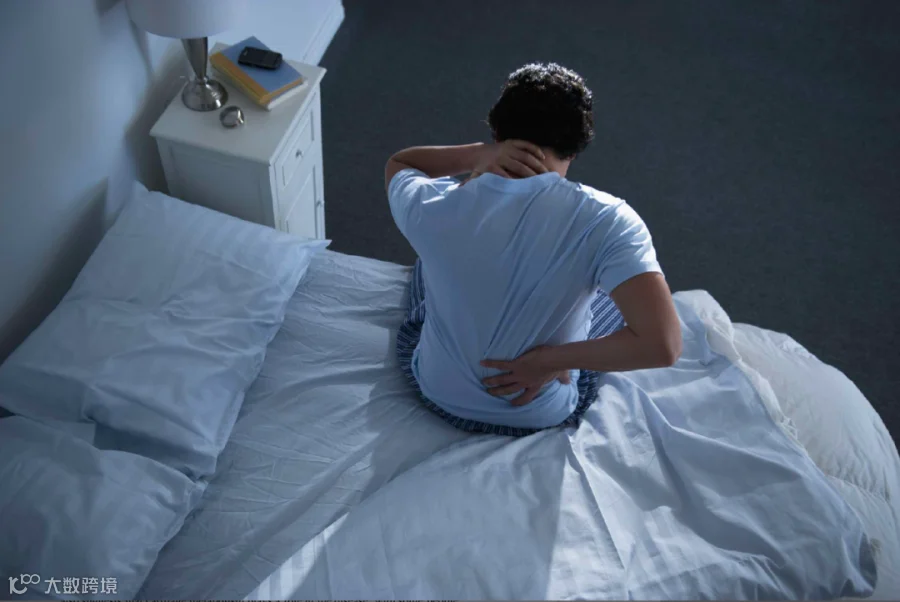
In some cases night pain caused by arthritis, predominantly in the hip or shoulder, may be very difficult to endure and a sign that it is time to consider surgery. However, there are some measures that can offer relief. Use of a firm conforming mattress that distributes weight over the entire body can minimize pressure on the affected joint. Pillows between the knees or under the arm may also help. With knee arthritis, a pillow under the entire leg may help by elevating the leg, but sleeping with a pillow under the knee that results in a bent knee through the night should be avoided as it will lead to a flexion contracture (loss of full extension of the knee). Patients can try a variety of sleep positions as well.
Use of Heat and Cold
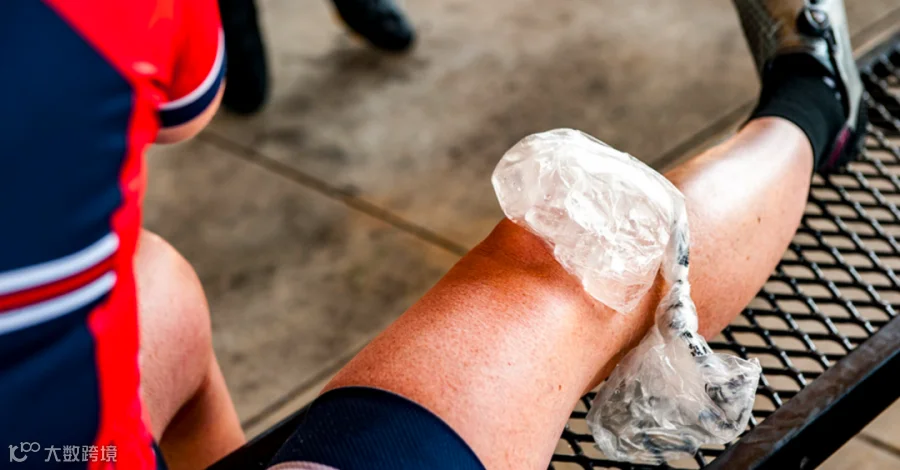
If a joint is irritated, application of heat and cold can offer pain relief, and some general rules apply. If the discomfort is not related to specific activity, application of moist heat may be most effective since it is more penetrating than dry heat and more likely to promote circulation and relieve muscle spasms. If the joint pain is exercise or sports-related, application of ice immediately after the activity may be more effective. Individuals with arthritis may have variable results and may wish to experiment on their own for the most effective temperature.
This article is excerpted from:https://www.hss.edu/conditions_conservative-management-of-osteoarthritis.asp

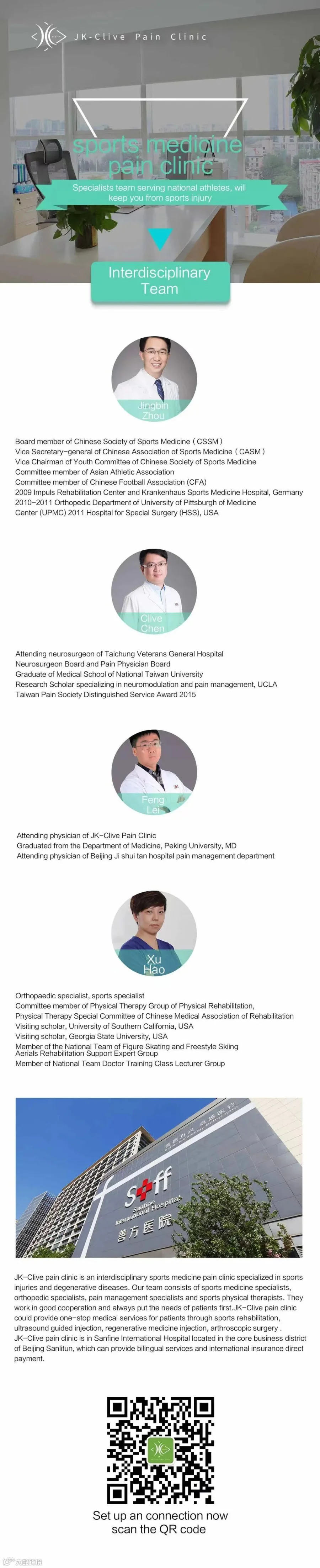
JK-Clive Pain Clinic specializes in management of acute and chronic pain caused by various "sports injuries" and "degenerative diseases",we are located in Beijing Sanfine International Hospital and our services can be paid directly by most of the international insurance.
JK will always care about your health!
Practical medical science will be shared constantly!
If you have any questions about muscles and joint pain.

Past recommendations
1.7 Ways to Help Prevent Arthritis in Women
2.7 Science-Backed Ways to Help Prevent Arthritis
3.5 Exercises to Prevent Arthritic Pain & Swelling in Your Knees


Light up sharing, like, watching
Look who's watching with you