
大数跨境

Tennis Elbow vs. Golfer’s Elbow Explained

Tennis Elbow vs. Golfer’s Elbow Explained 脊康瑞医
2021-06-18
0
导读:​Overuse is the most common cause of tennis elbow pain.


If you’re experiencing regular pain when engaging in activities involving your forearm muscles, tennis elbow may be to blame. However, many patients confuse tennis elbow and golfer’s elbow. Here we will discuss different aspects of tennis elbow that will help you figure out if you may have this painful disorder. We’ll also highlight some of the differences between tennis and golfer’s elbow.

Tennis elbow can be quite uncomfortable, but the vast majority of patients will regain full strength and range of motion with proper treatment.


What Is Tennis Elbow?


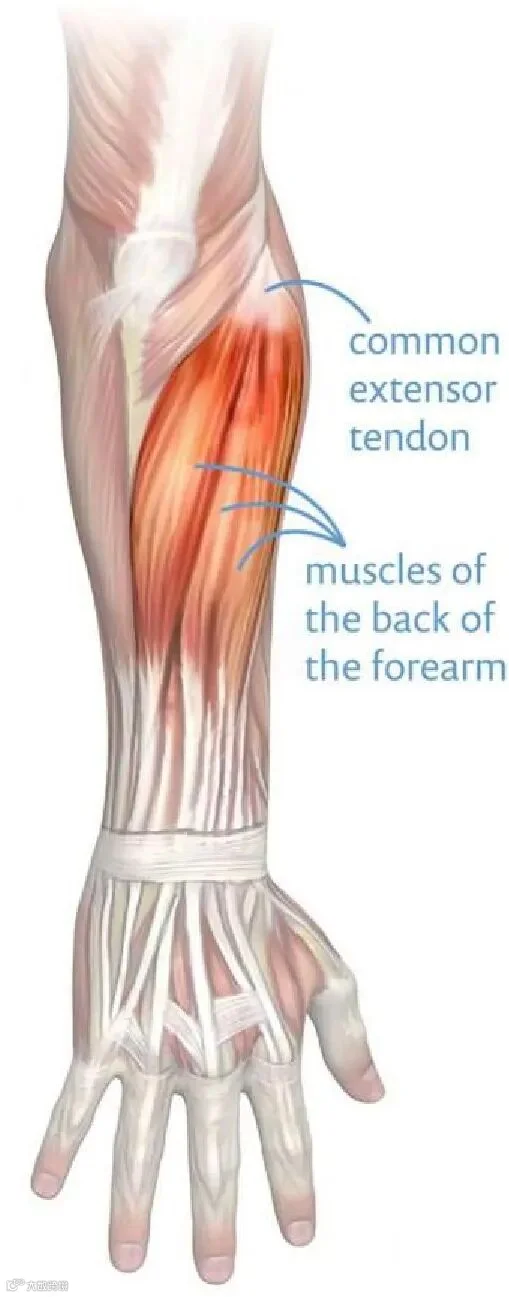
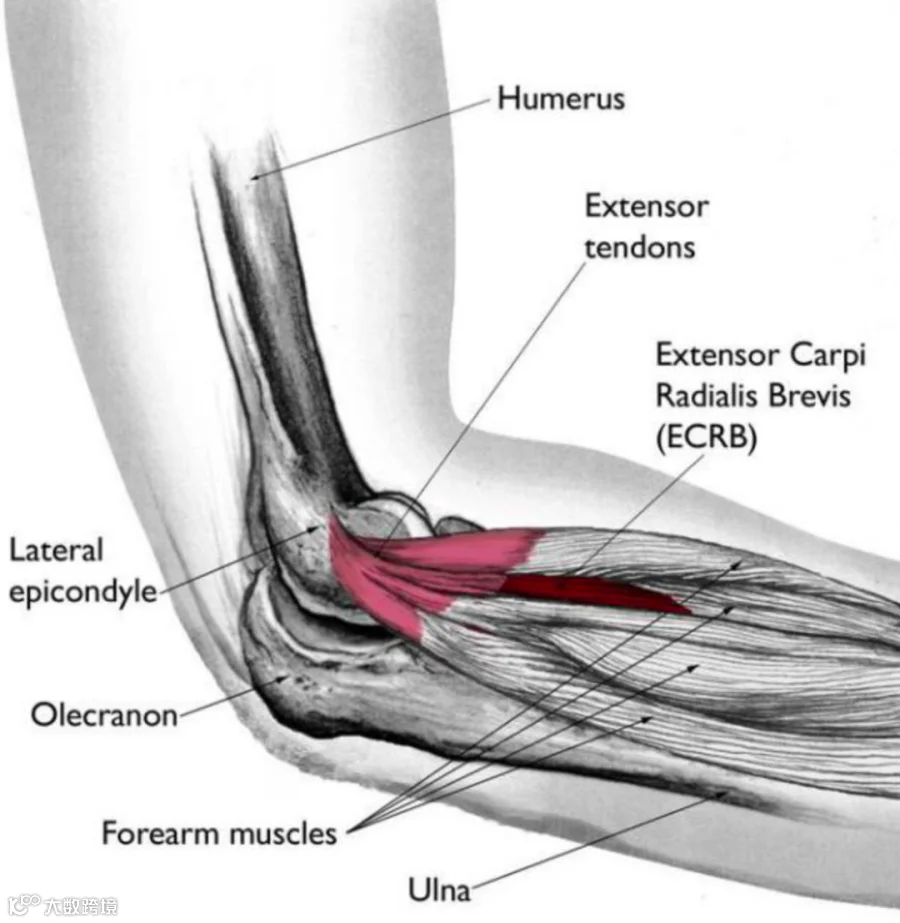
Tennis elbow, also known as lateral epicondylitis, is a common overuse injury resulting from repetitive motion involving the tendons in your elbow. These tendons, the extensor carpi radialis brevis and extensor digitorum communis of the forearm, extend and stabilize the wrist as they anchor your muscles to your bones. When the attachment site weakens, you start to experience pain and tenderness while engaged in everyday activities involving gripping, grasping or lifting.


The first documented reference to tennis elbow was published in 1883, noting that frequent tennis players presented with pain in and around the elbow area of their racquet arm. Subsequent studies observed that using inappropriately matched equipment for one’s body size and muscle strength, gripping the racket too hard, hitting the ball off center and using poor technique on ground strokes increased the likelihood of tennis elbow pain.


What Are the Signs of 

Tennis Elbow?


Tennis elbow usually develops gradually, starting off as mild discomfort and worsening as time passes. In most cases, there is no specific incident that can be linked to the start of the symptoms.

Many people suffering from tennis elbow experience recurring pain radiating from the elbow all the way down the forearm, with pain that increases when they attempt to extend or straighten the elbow. Other common signs of tennis elbow include:

· Difficulty grasping or lifting objects
· Weak grip strength
· Sharp twinges when engaged in activities using the elbow
· Pain during and after activities involving the wrist
· Numbness or tingling in the fingers
· A dull ache when resting

Tennis elbow most often affects your dominant arm, meaning that right-handed people are more likely to develop tennis elbow in their right elbow and left-handed people are more likely to develop tennis elbow in their left elbow. However, it is possible for people to develop the condition in both arms. It is estimated that up to 20 percent of patients have some degree of bilateral tennis elbow.

Tennis elbow is usually considered degenerative rather than acute. If left untreated, tennis elbow can progress to the point where you have difficulty with simple everyday activities such as turning a doorknob, shaking hands, brushing your teeth or holding a coffee cup.


What Causes Tennis Elbow Pain?


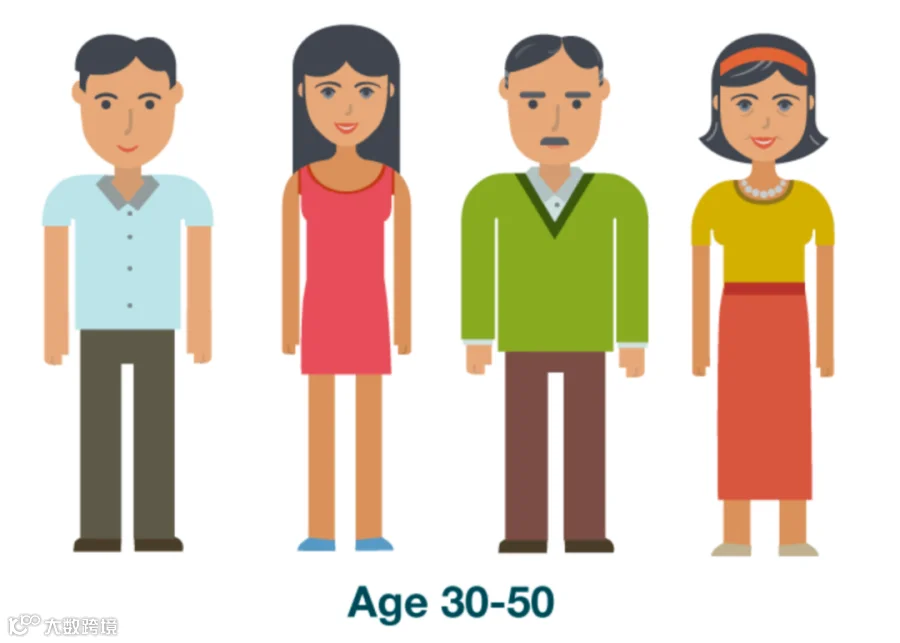
Tennis elbow is most common in people ages 30 to 50, although the condition can be seen in people of all ages. Depending upon their activity level, children and senior citizens can be diagnosed with tennis elbow as well. There is no gender-related component to tennis elbow, and men and women are equally likely to be diagnosed with the condition.


Overuse is the most common cause of tennis elbow pain. When you frequently engage in activities that place stress on the tendon attachments and the muscle-tendon unit, microscopic tears form in the tendon where it is attached to the bone. These tears lead to the inflammation and pain associated with tennis elbow. Typically, overuse is defined as a high activity level three or more times per week with activity lasting 30 minutes or more per session. A poor overall fitness level can exacerbate the problems caused by overuse of the forearm and elbow area.

Tennis elbow pain can sometimes be linked to specific injuries or traumas. If you suffer a direct blow to the elbow, this could result in the swelling of the tendon and subsequent degeneration. When seeking treatment for your condition, it is important to inform your doctor of any injury or trauma that could be linked to the development of tennis elbow.

Finally, as with many medical conditions, genetics play a role in the development of tennis elbow. Some people are born with tendons that are naturally less durable, which makes them prone to developing the condition at an earlier age or in conjunction with pain in the shoulders and feet.


How Do You Get Tennis Elbow 

Without Playing Tennis?
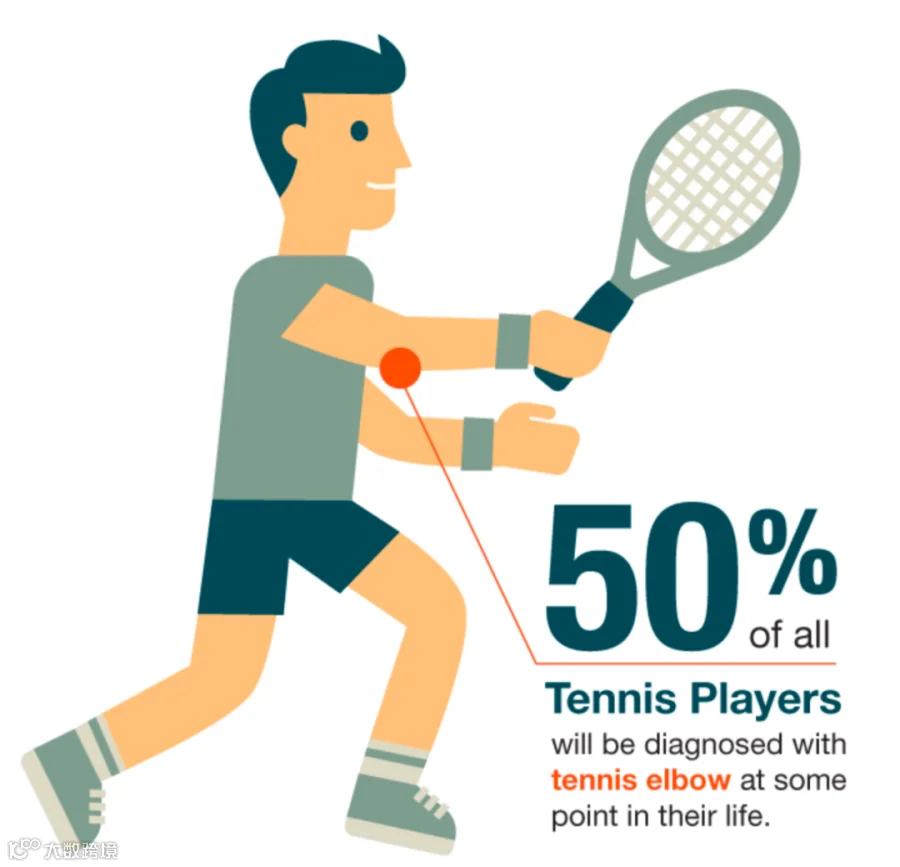

The Nirschl Orthopaedic Center reports that half of all tennis players will be diagnosed with tennis elbow at some point in their lives. However, people who play tennis make up less than 5 percent of all reported cases of the condition. This means the majority of people diagnosed with tennis elbow can attribute their condition to other causes.


Can you get tennis elbow from baseball and other sports, then? The answer is yes. Baseball pitchers are commonly affected by tennis elbow, especially if they haven’t been properly trained as to the correct pitching mechanics, frequently pitch curve balls or have a training schedule that is too vigorous. Younger players with elbows that are still developing are particularly prone to tennis elbow.

Other sports that have been linked to tennis elbow include football, javelin, discus, badminton and squash. The more frequently a person plays one of these sports, the more likely they are to develop the condition.

If you don’t play sports at all, you can still get tennis elbow from any sort of regular manual labor that involves lifting of the wrist and/or repetitive turning motions. This includes plumbing, meat cutting, painting and bricklaying, as well as typing. Hairdressers are also vulnerable to tennis elbow due to their frequent use of scissors, shears and other styling tools.

If you enjoy arts and crafts in your spare time, you may be vulnerable to tennis elbow due to the fine, repetitive hand and wrist movements involved in completing projects. For example, knitters and crocheters who work on projects for several hours at a time are prone to developing elbow pain. Scrapbooking can also be problematic due to the detailed cutting that is often involved.


DIFFERENCES BETWEEN GOLFER’S AND TENNIS ELBOW


There is widespread confusion about how golfer’s and tennis elbow differ. And although they’re often confused, there are a few distinct characteristics of each condition that will help you tell them apart:

· Inflammation Location: The difference between golfer’s and tennis elbow centers on where the elbow is inflamed. A person suffering from tennis elbow will experience inflammation of the outside of the elbow and forearm areas, while a person suffering from golfer’s elbow will experience inflammation on the inner side of the arm and elbow.

· Tendon Affected: Tennis elbow affects the lateral (outside) epicondyle tendon. These are connected to the muscles that stretch your wrist backward and allow you to spread your fingers. Golfer’s elbow affects the medial (inside) epicondyle tendon. This is attached to the muscles you use to flex your wrist and contract your fingers, like when you grip something.

· Symptoms: The side effects of these conditions can be very similar, but they are on opposite sides of the elbow and arm. Tennis elbow presents with pain and tenderness experienced on the outside of your elbow, while golfer’s elbow can be felt on the inside of your elbow and down your arm. Golfer’s elbow can also cause numbness or tingling in your fingers.

This article is excerpted from:Orthopedic Institute of Pennsylvania. https://www.oip.com/tennis-elbow-vs-golfers-elbow-explained/
The copyright belongs to the original author, edited and published by JK-Clive Pain Clinic specializes

END


JK will always care about your health! Practical medical science will be shared constantly!

If you have any questions about muscles and joint pain, just scan our consultant WeChat!


About us


JK-Clive Pain Clinic specializes in management of acute and chronic pain caused by various "sports injuries" and "degenerative diseases",we are located in Beijing Sanfine International Hospital and our services can be paid directly by most of the international insurance.


Our Specialists


Jingbin Zhou, MD, PhD, Professor.


Board member of Chinese Society of Sports Medicine(CSSM)


Vice Secretary-general of Chinese Association of Sports Medicine(CASM)


Vice Chairman of Youth Committee of Chinese Society of Sports Medicine


Committee member of Asian Athletic Association


Committee member of Chinese Football Association (CFA)


2009 Impuls Rehabilitation Center and Krankenhaus Sports Medicine Hospital, Germany


2010-2011 Orthopedic Department of University of Pittsburgh of Medicine 


Center (UPMC) 2011 Hospital for Special Surgery (HSS), USA


Clive Chen


Attending neurosurgeon of Taichung Veterans General Hospital


Neurosurgeon Board and Pain Physician Board


Graduate of Medical School of National Taiwan University


Research Scholar specializing in neuromodulation and pain management, UCLA


Taiwan Pain Society Distinguished Service Award 2015


Feng Lei  


Attending physician of JK-Clive Pain Clinic


Graduated from the Department of Medicine, Peking University, MD


Attending physician of Beijing Ji shui tan hospital pain management department


Xu Hao


Orthopaedic specialist, sports specialist


Committee member of Physical Therapy Group of Physical Rehabilitation,


Physical Therapy Special Committee of Chinese Medical Association of Rehabilitation


Visiting scholar, University of Southern California, USA


Visiting scholar, Georgia State University, USA


Member of the National Team of Figure Skating and Freestyle Skiing Aerials Rehabilitation Support Expert Group


Member of National Team Doctor Training Class Lecturer Group


They are all specialists engaged in pain medical research and clinical diagnosis. 

If you have pain for years or begin to face the threaten of it just contact us!

We will customize professional health improvement plan for you!

Help you get rid of pain accurately and thoroughly!

You can also find more details about how to cure yourself at home on our website!


Past recommendations


Light up sharing, like, watching

Look who's watching with you


【声明】内容源于网络
0
0
脊康瑞医
------
内容 85
粉丝 0
脊康瑞医 ------
总阅读77
粉丝0
内容85