

There are several muscles that connect to the sacrum, hip bones, or pubis bones and help support the pelvis and sacroiliac joint, including those in the groin, thighs, abdomen, and lower back. If these muscles are poorly conditioned and unable to adequately support the SI joint and pelvis, pain may develop.
Some common strengthening exercises for sacroiliac joint pain include:
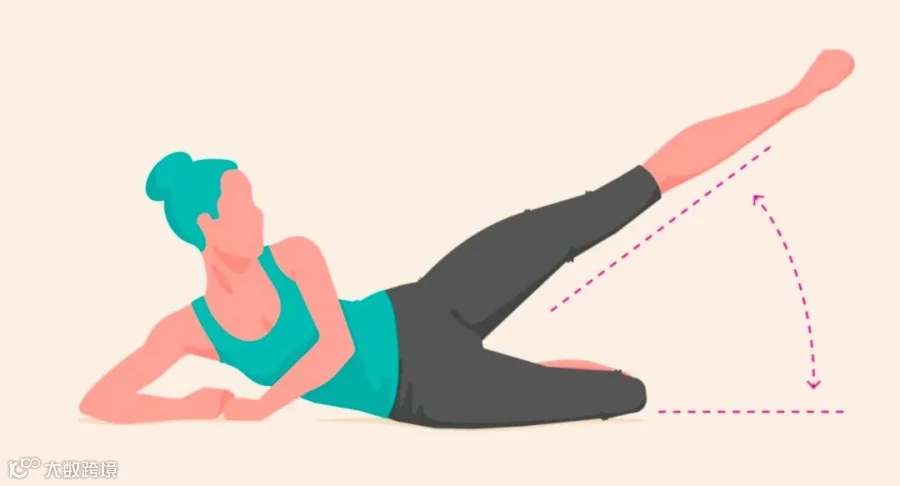
· Hip abduction strengthening. The hip abductor muscles on the outside of the thighs connect to the thighs from the hip bones (iliac crests). Lie on the back with the knees slightly bent and a resistance band around the knees. Keeping the back arched, gently push the knees apart to strengthen the outer thigh and buttock. Hold for 5 seconds, and repeat this exercise 10 times. To ensure safety with this exercise, start with a less resistive band before working up to using a heavier, more resistive band.
· Hip adduction strengthening. The hip adductors in the groin/inside of the thighs connect to the thighs from a ligament in the pelvis (the anterior pubic ligament). Lie down on the back with both knees bent and place a medium rubber exercise ball (about the size of a dodgeball) between the knees. Keeping the back slightly arched, squeeze the ball with both knees for 5 seconds, and repeat 10 times to strengthen the hip adductor muscles.
· Bridge. Lie on the back with the knees bent and the palms flat on the floor. Keeping the palms on the floor, lift the hips into the air and hold for 5 seconds to strengthen muscles in the lower abdomen, lower back, and hips. Repeat this stretch between 8 and 10 times.
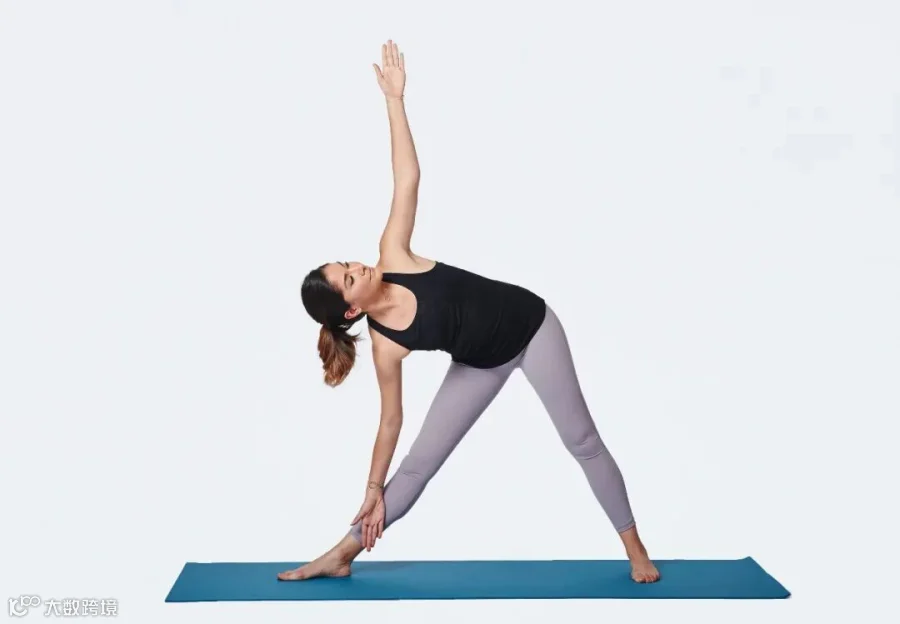
· Triangle pose. A more advanced exercise that involves twisting the lower spine is the triangle yoga pose. Begin with the feet a little more than shoulder-width apart, and point the right foot outward. Extend both arms straight to the sides so they are parallel to the floor. Then, slowly bend to the side so the right hand touches the right shin or the floor, and the left arm is over the head. Hold this stretch for 10 to 20 seconds, then repeat on the left side.

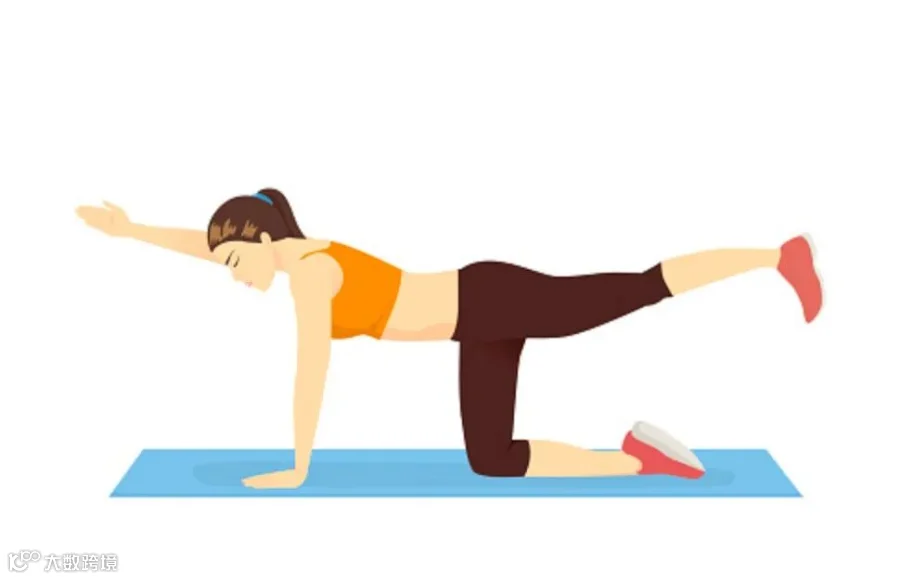
· Bird dog pose. Another more advanced yoga pose, the bird dog pose can help strengthen the lower back and core muscles that support the pelvis. Starting on the hands and knees, keep the shoulders square and the face toward the floor. Lift one leg and the opposite arm straight into the air (parallel to the floor) and hold for 5 seconds. Make sure to keep the back and pelvis level while doing the exercise. Build up to repeat this stretch between 3 and 5 times on each side. It may help to have a cushion under the knees.
Benefits of hip abduction exercises
Reduce knee valgus
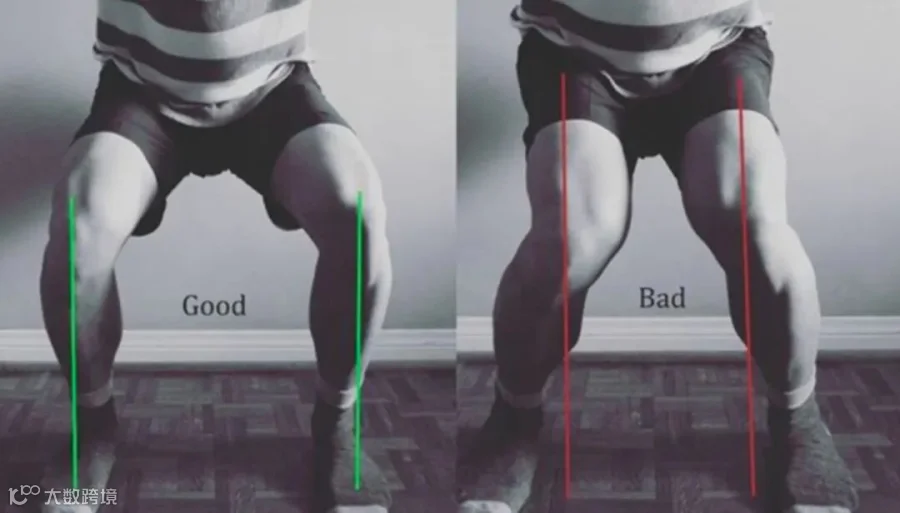
Knee valgus refers to when the knees cave inward, giving a “knock-kneed” appearance. This is most commonly seen in young women and older adults or in those with muscle imbalances or improper form during exercise.
ResearchTrusted Source has shown that knee valgus is associated with lack of hip strength and that hip abduction exercises can improve the condition.
Better muscle activation and performance
The hip abductors are closely related to the core muscles and are crucial for balance and athletic activity. Due to extended time spent sitting during the day, many people develop weak gluteus muscles.
Being inactive for a long time can lead to the body essentially “turning off” these muscles, making them harder to use during exercise. This can make your body resort to using other muscles not meant for those tasks.
Using the wrong muscles can lead to pain, poor performance, and difficulty with certain movements. Techniques to help increase activation of the gluteus medius during squats, such as using a resistance band around the knees, can increase overall performance.
Decrease pain
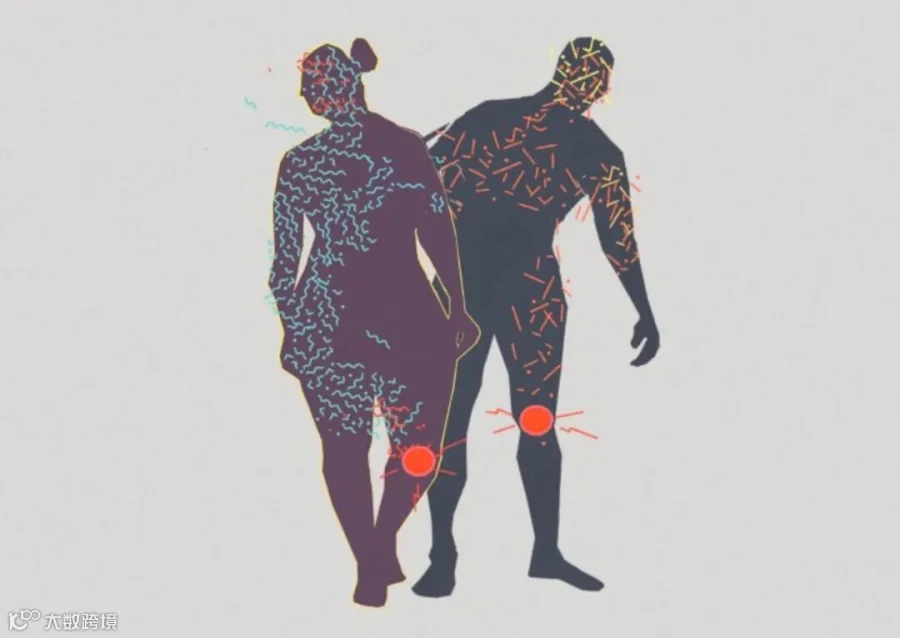
Weakness in the hip abductors, particularly the gluteus medius, may lead to overuse injuries, patellofemoral pain syndrome (PFPS), and iliotibial (IT) band syndrome. PFPS can cause pain behind the kneecap when you sit for long periods or when going down stairs.
StudiesTrusted Source have found that people with PFPS are more likely to have hip weakness than those who don’t suffer from knee pain. This supports the idea that hip abductor strength is important when it comes to knee health and stability.
In addition to exercises that strengthen the quadriceps, hip abductors, and hip rotators, treatment for PFPS typically includes anti-inflammatory drugs, rest, and stretching of the muscles surrounding the hip and knee.

JK-Clive Pain Clinic specializes in management of acute and chronic pain caused by various "sports injuries" and "degenerative diseases",we are located in Beijing Sanfine International Hospital and our services can be paid directly by most of the international insurance.
JK will always care about your health!
Practical medical science will be shared constantly!
If you have any questions about muscles and joint pain.

Past recommendations
1.Rehabilitation & strengthening exercises for sports injuries
2.10 Exercises to Bulletproof Your Joints and Prevent Injury
3.Exercise helps ease arthritis pain and stiffness


Light up sharing, like, watching
Look who's watching with you