

Tricompartmental osteoarthritis is the most complex type of knee osteoarthritis and affects only 1.5% of knee osteoarthritis sufferers. Fortunately, there are ways to address it and manage it, including at least one non-invasive method which will be discussed later.
Understanding arthritis and osteoarthritis
You probably know a number of people who suffer from, what they call, “bone-on-bone” knee pain. This means the bones are rubbing together without the smooth protective layer of cartilage protecting them.
And it’s very prevalent.
Osteoarthritis (OA) is the most common type of arthritis, and in the UK one in ten adults have symptomatic clinically diagnosed osteoarthritis—meaning, around 10% of adults in the UK experience the symptoms of osteoarthritis and have also been diagnosed with it by a clinician. And of all the joints in the human body, the knee is the one that is most commonly affected by osteoarthritis.
As noted, while tricompartmental osteoarthritis is the least prevalent form of knee osteoarthritis, it is also the most complex.
What is tricompartmental osteoarthritis?
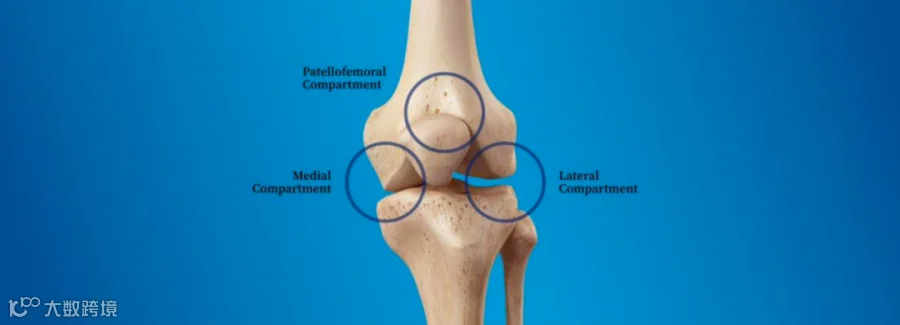
 To understand tricompartmental osteoarthritis, it’s important to understand that there are three parts — i.e. compartments — of the knee. Osteoarthritis can affect any one of the compartments, but if you have osteoarthritis in ALL THREE compartments, that’s tri-compartmental. Hence the name, “tricompartmental osteoarthritis.”
If you can imagine the cartilage of the knee joint being so deteriorated that the deterioration is in all three parts, that’s what we’re talking about. And although, such a thing may seem impossible to live a normal life with, there are people who are able to. The key is having good walking mechanics, or “gait” which is something that can be improved with the right kind of treatment program.
How does tricompartmental osteoarthritis affect the knee?
 The knee is a hinge joint that allows your leg to move back and forth, but it doesn’t move much from side to side. Four bones meet at the knee joint: the femur (or thigh bone), the tibia (or shin bone), the patella (or kneecap), and the fibula (or calf bone). The tibia and fibula connect below the knee joint, the femur connects above the knee joint, and the patella rests on the femur and the connecting cartilage.
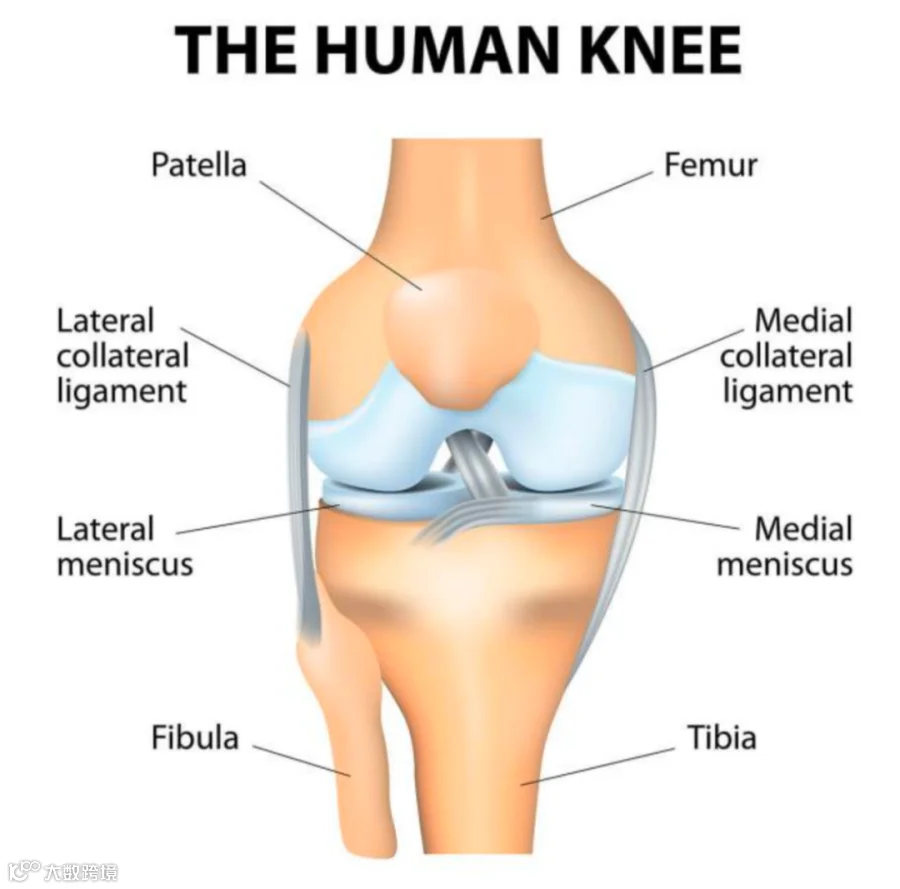
In addition to these bones, the knee is also made up of cartilage, ligaments, tendons, and more, with all of these parts working together to keep the knee stable and flexible. As you can tell, it’s a very complicated joint with a lot of moving parts that need to work together.
Tricompartmental osteoarthritis occurs when you lose protective cartilage from all of the areas where the bones meet the knee joint, altering your biomechanics and throwing off your gait. These areas are called compartments. There are 3 compartments:
· The patellofemoral compartment is in the front of the knee where the kneecap and thigh bone are.
· The medial compartment refers to the inside compartment of the knee joint.
· The lateral compartment refers to the outer compartment of the knee.
Osteoarthritis can affect any of these compartments, or any combination of them, although it’s most common in the medial (inner) compartment. When one compartment of the knee is affected, this is called unicompartmental knee OA. When all 3 compartments of the knee are affected, this is tricompartmental osteoarthritis.


JK-Clive Pain Clinic specializes in management of acute and chronic pain caused by various "sports injuries" and "degenerative diseases",we are located in Beijing Sanfine International Hospital and our services can be paid directly by most of the international insurance.


Jingbin Zhou, MD, PhD, Professor.
Board member of Chinese Society of Sports Medicine(CSSM)
Vice Secretary-general of Chinese Association of Sports Medicine(CASM)
Vice Chairman of Youth Committee of Chinese Society of Sports Medicine
Committee member of Asian Athletic Association
Committee member of Chinese Football Association (CFA)
2009 Impuls Rehabilitation Center and Krankenhaus Sports Medicine Hospital, Germany
2010-2011 Orthopedic Department of University of Pittsburgh of Medicine
Center (UPMC) 2011 Hospital for Special Surgery (HSS), USA
Clive Chen
Attending neurosurgeon of Taichung Veterans General Hospital
Neurosurgeon Board and Pain Physician Board
Graduate of Medical School of National Taiwan University
Research Scholar specializing in neuromodulation and pain management, UCLA
Taiwan Pain Society Distinguished Service Award 2015
Feng Lei
Attending physician of JK-Clive Pain Clinic
Graduated from the Department of Medicine, Peking University, MD
Attending physician of Beijing Ji shui tan hospital pain management department
Xu Hao
Orthopaedic specialist, sports specialist
Committee member of Physical Therapy Group of Physical Rehabilitation,
Physical Therapy Special Committee of Chinese Medical Association of Rehabilitation
Visiting scholar, University of Southern California, USA
Visiting scholar, Georgia State University, USA
Member of the National Team of Figure Skating and Freestyle Skiing Aerials Rehabilitation Support Expert Group
Member of National Team Doctor Training Class Lecturer Group


Past recommendations



Light up sharing, like, watching
Look who's watching with you