

大数跨境

How Fat Affects Osteoarthritis

How Fat Affects Osteoarthritis 脊康瑞医
2021-06-04
1
导读:The increase in the prevalence of OA is directly attributable to the rise in obesity.


OA has always been the most common type of arthritis, but today, rates are higher than ever. They’ve risen right along with increases in obesity, according to Stephen Messier, PhD, who directs the JB Snow Biomechanics Lab at Wake Forest University in Winston-Salem, North Carolina. “The increase in the prevalence of OA is directly attributable to the rise in obesity,” he says.

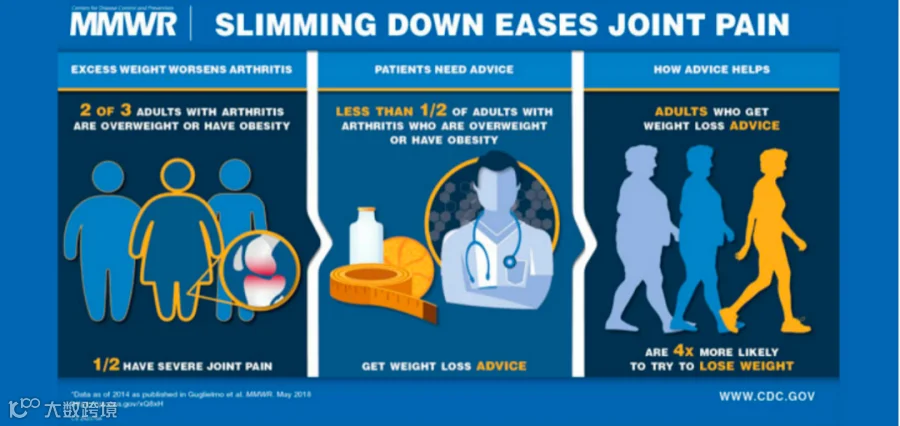
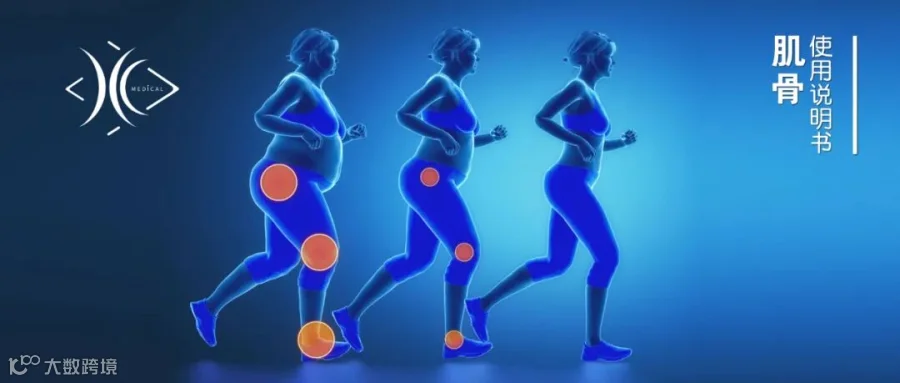
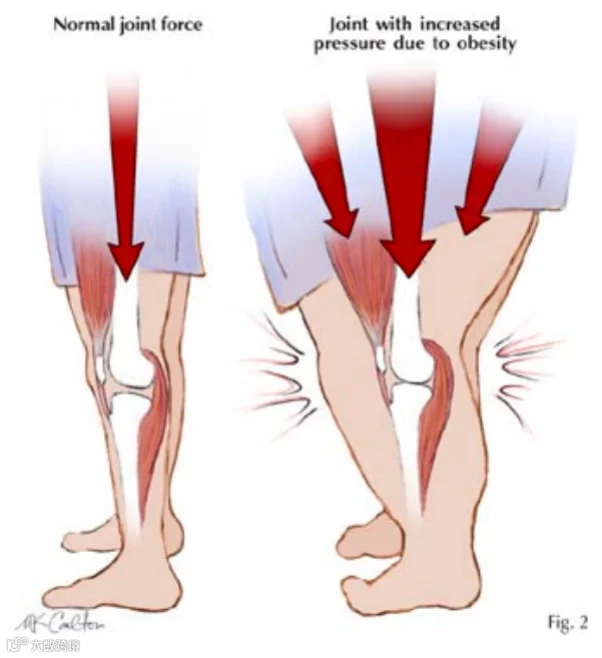
Being just 10 pounds overweight puts an extra 15 to 50 pounds of pressure on your knees. This makes it more likely to you’ll develop osteoarthritis (OA) or make the disease worse if you already have it. Carrying extra bodyweight in OA does more than create a harmful load on joints. Excess fat also acts to speed the destruction of cartilage.


Pressure on Joints

Extra pounds are hard on joints. The more you weigh, the more stressed and damaged your joints can become. 

For example, the knees of healthy-weight people absorb about 1.5 pounds of force with every step. If you add OA to the mix – with the joint misalignment that often goes with it – your knees take even more of a beating. When you go up and down stairs or squat to pick something up, the pressure increases dramatically. A lifetime of movement can take a toll, especially when you’re overweight. 

Yet if joint stress is the only cause of arthritis, then why is hand arthritis so common?  

“Obviously, you don’t walk on your hands, so there must be something that causes the joint to break down more rapidly than it might otherwise”.

says David Felson, MD, a professor at Boston University School of Medicine. 

That “something” is a group of proteins that fat cells produce and release into your body, causing inflammation. 

Fat creates inflammation in addition to the excess stress it puts on your joints. For people with OA, obesity is a one-two punch. 


Inflammation and OA

Fat is chemically active and constantly releases inflammation-causing proteins. 

“These proteins travel through your whole body and make it a little inflamed everywhere, including in your joints”.

says Peter van der Kraan, PhD ,head of experimental rheumatology at Radboud University Medical Center in Nijmegen, the Netherlands. 

Constant,low-grade inflammation makes your joints more likely to develop OA. And joints not loaded by weight are just as vulnerable.

Hand OA is about twice as common among obese people as it is in leaner people. Being obese also increases the chances that once you have OA in one joint, you will develop it elsewhere. Obese people with OA in one knee, for example, are five times more likely than healthy-weight people to develop OA in the other knee.

Excess fat places a mechanical load on cartilage and bone that “activates” those structures. Meaning, the load prompts the release of even more chemicals that cause joint destruction, says van der Kraan.

Disease Progression

OA gets worse faster and is more severe in obese people than in those who weigh less. People who are overweight or obese are more likely to need a hip or knee replacement. They also tend to have more complications and poorer outcomes after surgery. The goal is to reduce weight and inflammation before surgery. 


Other Health Problems

Obesity-related damage in OA is not limited to joints. Obesity and OA are linked to heart disease, stroke, diabetes and depression. 

Much of this increased risk is due to body-wide inflammation leading to metabolic syndrome: a group of conditions that include high blood pressure, high blood sugar, abnormal cholesterol levels, and excess fat around the waist. 

Obese people with OA are almost three times more likely than those in the general population to have metabolic syndrome.

The same fat-related inflammatory proteins that contribute to OA are involved in all these disorders. 

Exercise is among the best ways to prevent heart and blood sugar problems, but many people with OA, especially if they’re obese, struggle to get enough physical activity. 

The combination of inflammation and lack of exercise creates a cycle of weight gain, disability, depression and poor health.

Excess Weight Is Disabling

Being overweight or obese makes the effects of OA more disabling, says John Batsis, MD, associate professor of medicine at the Dartmouth-Hitchcock Medical Center in Lebanon, New Hampshire.

Compared with healthy-weight people with OA, obese people with OA take more medications, walk more slowly, are less physically active and are at higher risk of becoming disabled.

In a study by Dr. Batsis, people who were overweight rather than obese had more physical decline than healthy-weight people, but less than those with obesity. This means that losing weight may help you maintain your daily function.


Why Weight Loss Matters 

The good news is that most or all of these problems can be remedied by dropping a few pounds. 

Losing just 10% of your body weight can cut arthritis pain in half. 

Losing 20% can cut arthritis pain by another 25% or more, Dr. Messier says. It may also slow or even stop disease progression. 

The bonus: Healthy weight loss can also lower blood pressure and reduce your risk of diabetes and heart disease. 

Form:
Arthritis Foundation 
https://www.arthritis.org/health-wellness/about-arthritis/related-conditions/other-diseases/how-fat-affects-osteoarthritis

The copyright belongs to the original author, edited and published by JK-Clive Pain Clinic specializes


JK will always care about your health! Practical medical science will be shared constantly!

If you have any questions about muscles and joint pain, just scan our consultant WeChat!

About us

JK-Clive Pain Clinic specializes in management of acute and chronic pain caused by various "sports injuries" and "degenerative diseases",we are located in Beijing Sanfine International Hospital and our services can be paid directly by most of the international insurance.


Our Specialists

Jingbin Zhou, MD, PhD, Professor.


Board member of Chinese Society of Sports Medicine(CSSM)

Vice Secretary-general of Chinese Association of Sports Medicine(CASM)

Vice Chairman of Youth Committee of Chinese Society of Sports Medicine

Committee member of Asian Athletic Association

Committee member of Chinese Football Association (CFA)

2009 Impuls Rehabilitation Center and Krankenhaus Sports Medicine Hospital, Germany

2010-2011 Orthopedic Department of University of Pittsburgh of Medicine Center (UPMC) 2011 Hospital for Special Surgery (HSS), USA


Clive Chen


Attending neurosurgeon of Taichung Veterans General Hospital


Neurosurgeon Board and Pain Physician Board


Graduate of Medical School of National Taiwan University


Research Scholar specializing in neuromodulation and pain management, UCLA


Taiwan Pain Society Distinguished Service Award 2015


Feng Lei  


Attending physician of JK-Clive Pain Clinic


Graduated from the Department of Medicine, Peking University, MD


Attending physician of Beijing Ji shui tan hospital pain management department


Xu Hao


Orthopaedic specialist, sports specialist


Committee member of Physical Therapy Group of Physical Rehabilitation


Physical Therapy Special Committee of Chinese Medical Association of Rehabilitation


Visiting scholar, University of Southern California, USA


Visiting scholar, Georgia State University, USA


Member of the National Team of Figure Skating and Freestyle Skiing Aerials 


Rehabilitation Support Expert Group


Member of National Team Doctor Training Class Lecturer Group


They are all specialists engaged in pain medical research and clinical diagnosis. 

If you have pain for years or begin to face the threaten of it just contact us!

We will customize professional health improvement plan for you!

Help you get rid of pain accurately and thoroughly!

You can also find more details about how to cure yourself at home on our website!


Past recommendations


Light up sharing, like, watching

Look who's watching with you


【声明】内容源于网络
0
0
脊康瑞医
------
内容 0
粉丝 0
脊康瑞医 ------
总阅读0
粉丝0
内容0