

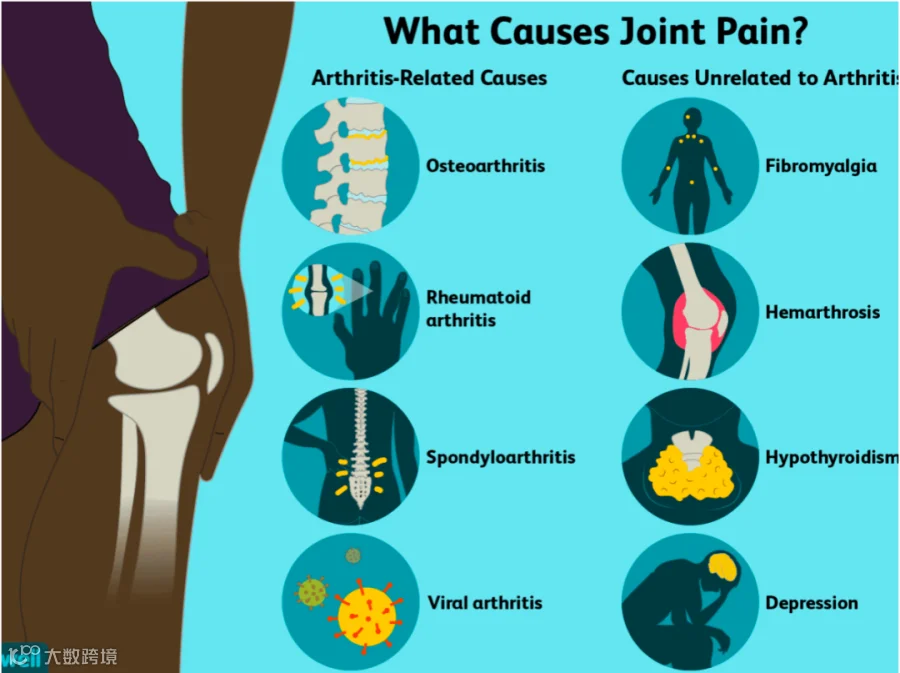
Arthritis is an inflammation of the joints. It can affect one joint or multiple joints. There are more than 100 different types of arthritis, with different causes and treatment methods. Two of the most common types are osteoarthritis (OA) and rheumatoid arthritis (RA).
The symptoms of arthritis usually develop over time, but they may also appear suddenly. Arthritis is most commonly seen in adults over the age of 65, but it can also develop in children, teens, and younger adults. Arthritis is more common in women than men and in people who are overweight.

Joint pain, stiffness, and swelling are the most common symptoms of arthritis. Your range of motion may also decrease, and you may experience redness of the skin around the joint. Many people with arthritis notice their symptoms are worse in the morning.
In the case of RA, you may feel tired or experience a loss of appetite due to the inflammation the immune system’s activity causes. You may also become anemic — meaning your red blood cell count decreases — or have a slight fever. Severe RA can cause joint deformity if left untreated.
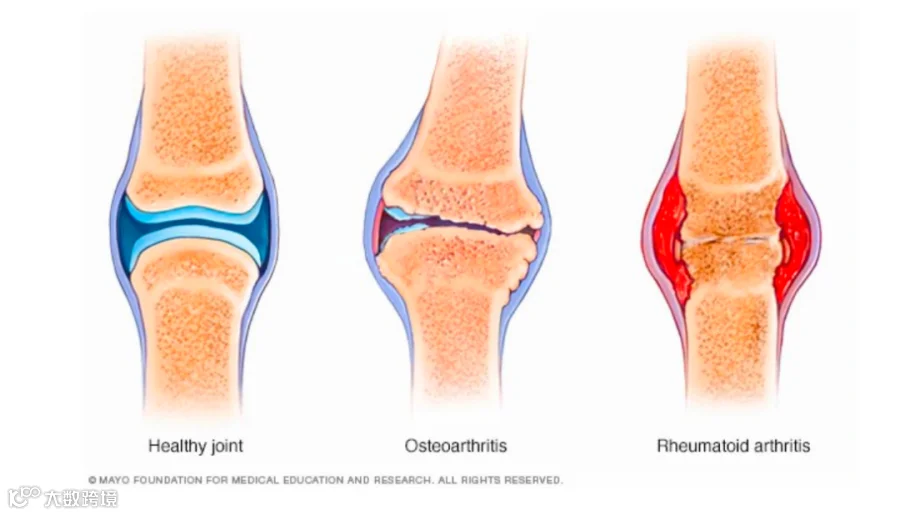

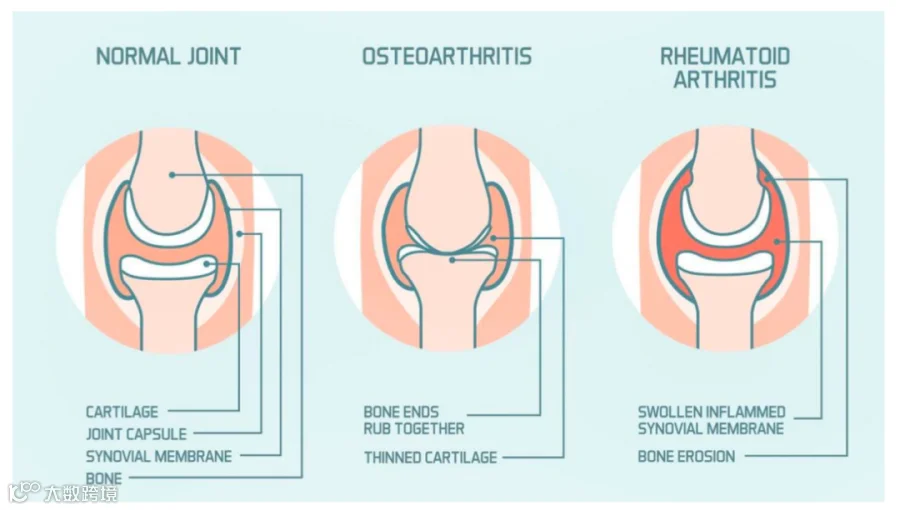
Cartilage is a firm but flexible connective tissue in your joints. It protects the joints by absorbing the pressure and shock created when you move and put stress on them. A reduction in the normal amount of this cartilage tissue cause some forms of arthritis.
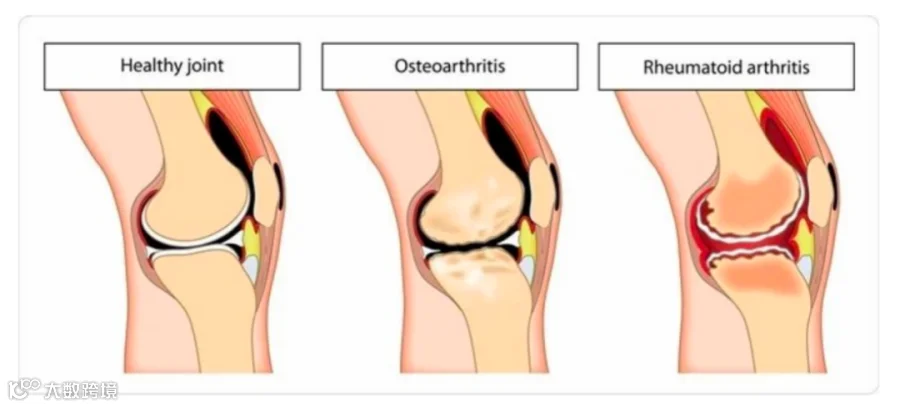
Normal wear and tear causes OA, one of the most common forms of arthritis. An infection or injury to the joints can exacerbate this natural breakdown of cartilage tissue. Your risk of developing OA may be higher if you have a family history of the disease.
Another common form of arthritis, RA, is an autoimmune disorder. It occurs when your body’s immune system attacks the tissues of the body. These attacks affect the synovium, a soft tissue in your joints that produces a fluid that nourishes the cartilage and lubricates the joints.
RA is a disease of the synovium that will invade and destroy a joint. It can eventually lead to the destruction of both bone and cartilage inside the joint.
The exact cause of the immune system’s attacks is unknown. But scientists have discovered genetic markers that increase your risk of developing RA fivefold.

Seeing your primary care physician is a good first step if you’re unsure who to see for an arthritis diagnosis. They will perform a physical exam to check for fluid around the joints, warm or red joints, and limited range of motion in the joints. Your doctor can refer you to a specialist if needed.
If you’re experiencing severe symptoms, you may choose to schedule an appointment with a rheumatologist first. This may lead to a faster diagnosis and treatment.
Extracting and analyzing inflammation levels in your blood and joint fluids can help your doctor determine what kind of arthritis you have. Blood tests that check for specific types of antibodies like anti-CCP (anti-cyclic citrullinated peptide), RF (rheumatoid factor), and ANA (antinuclear antibody) are also common diagnostic tests.
Doctors commonly use imaging scans such as X-ray, MRI, and CT scans to produce an image of your bones and cartilage. This is so they can rule out other causes of your symptoms, such as bone spurs.

The main goal of treatment is to reduce the amount of pain you’re experiencing and prevent additional damage to the joints. You’ll learn what works best for you in terms of controlling pain. Some people find heating pads and ice packs to be soothing. Others use mobility assistance devices, like canes or walkers, to help take pressure off sore joints.
Improving your joint function is also important. Your doctor may prescribe you a combination of treatment methods to achieve the best results.
Shop heating pads for pain relief.
Medication
A number of different types of medication treat arthritis:
· Analgesics, such as hydrocodone (Vicodin) or acetaminophen (Tylenol), are effective for pain management, but don’t help decrease inflammation.
· Nonsteroidal anti-inflammatory drugs (NSAIDs), such as ibuprofen (Advil) and salicylates, help control pain and inflammation. Salicylates can thin the blood, so they should be used very cautiously with additional blood thinning medications.
· Menthol or capsaicin creams block the transmission of pain signals from your joints.
· Immunosuppressants like prednisone or cortisone help reduce inflammation.
If you have RA, your doctor may put you on corticosteroids or disease-modifying antirheumatic drugs (DMARDs), which suppress your immune system. There are also many medications to treat OA available over the counter or by prescription.
Shop capsaicin creams for pain relief.
Surgery
Surgery to replace your joint with an artificial one may be an option. This form of surgery is most commonly performed to replace hips and knees.
If your arthritis is most severe in your fingers or wrists, your doctor may perform a joint fusion. In this procedure, the ends of your bones are locked together until they heal and become one.
Physical therapy
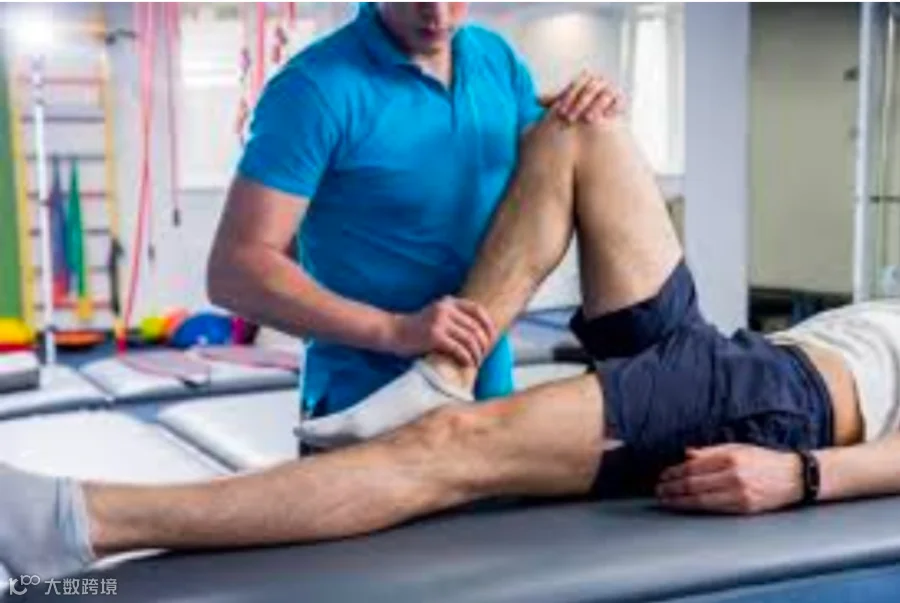
Physical therapy involving exercises that help strengthen the muscles around the affected joint is a core component of arthritis treatment.
What lifestyle changes can help people with arthritis?
Weight loss and maintaining a healthy weight reduce the risk of developing OA and can reduce symptoms if you already have it.
Eating a healthy diet is important for weight loss. Choosing a diet with lots of antioxidants, such as fresh fruits, vegetables, and herbs, can help reduce inflammation. Other inflammation-reducing foods include fish and nuts.
Foods to minimize or avoid if you have arthritis include fried foods, processed foods, dairy products, and high intakes of meat.
Some research also suggests that gluten antibodies may be present in people with RA. A gluten-free diet may improve symptoms and disease progression. A 2015 study also recommends a gluten-free diet for all people who receive a diagnosis of undifferentiated connective tissue disease.
Regular exercise will keep your joints flexible. Swimming is often a good form of exercise for people with arthritis because it doesn’t put pressure on your joints the way running and walking do. Staying active is important, but you should also be sure to rest when you need to and avoid overexerting yourself.
At-home exercises you can try include:
· the head tilt, neck rotation, and other exercises to relieve pain in your neck
· finger bends and thumb bends to ease pain in your hands
· leg raises, hamstring stretches, and other easy exercises for knee arthritis
What is the long-term outlook for people with arthritis?
While there’s no cure for arthritis, the right treatment can greatly reduce your symptoms.
In addition to the treatments your doctor recommends, you can make a number of lifestyle changes that may help you manage your arthritis.

JK will always care about your health! Practical medical science will be shared constantly!
If you have any questions about muscles and joint pain, just scan our consultant WeChat!


JK-Clive Pain Clinic specializes in management of acute and chronic pain caused by various "sports injuries" and "degenerative diseases",we are located in Beijing Sanfine International Hospital and our services can be paid directly by most of the international insurance.


Jingbin Zhou, MD, PhD, Professor.
Board member of Chinese Society of Sports Medicine(CSSM)
Vice Secretary-general of Chinese Association of Sports Medicine(CASM)
Vice Chairman of Youth Committee of Chinese Society of Sports Medicine
Committee member of Asian Athletic Association
Committee member of Chinese Football Association (CFA)
2009 Impuls Rehabilitation Center and Krankenhaus Sports Medicine Hospital, Germany
2010-2011 Orthopedic Department of University of Pittsburgh of Medicine Center (UPMC) 2011 Hospital for Special Surgery (HSS), USA
Clive Chen
Attending neurosurgeon of Taichung Veterans General Hospital
Neurosurgeon Board and Pain Physician Board
Graduate of Medical School of National Taiwan University
Research Scholar specializing in neuromodulation and pain management, UCLA
Taiwan Pain Society Distinguished Service Award 2015
Feng Lei
Attending physician of JK-Clive Pain Clinic
Graduated from the Department of Medicine, Peking University, MD
Attending physician of Beijing Ji shui tan hospital pain management department
Xu Hao
Orthopaedic specialist, sports specialist
Committee member of Physical Therapy Group of Physical Rehabilitation,
Physical Therapy Special Committee of Chinese Medical Association of Rehabilitation
Visiting scholar, University of Southern California, USA
Visiting scholar, Georgia State University, USA
Member of the National Team of Figure Skating and Freestyle Skiing Aerials Rehabilitation Support Expert Group
Member of National Team Doctor Training Class Lecturer Group
They are all specialists engaged in pain medical research and clinical diagnosis.
If you have pain for years or begin to face the threaten of it just contact us!
We will customize professional health improvement plan for you!
Help you get rid of pain accurately and thoroughly!
You can also find more details about how to cure yourself at home on our website!


Past recommendations



Light up sharing, like, watching
Look who's watching with you