

A ligament is a tough band of fibrous tissue that connects bone to bone. It also connects bones to cartilage, a key element of the joints in your body. Ligaments are quite strong but can be stretched or even torn. This results in various grades, or levels, of sprain injury.
A ligament tear usually occurs due to extreme force to a joint, such as with a fall or another high-impact event. Common ligament tears happen in the ankle, knee, wrist, thumb, neck, or back.
This article walks you through the symptoms of a ligament tear and the kinds of activities that may cause it. It also discusses treatment for the different grades of sprains.
Symptoms
A ligament tear is painful and tender to the touch. You may see swelling and bruising. It may be difficult to move the joint. In the case of some ligaments, you may hear a pop or feel tearing at the time of the injury. It may also cause you to have muscle spasms.
Ligaments support and strengthen joints. Their main function is to keep the bones of the skeleton in proper alignment and prevent abnormal movements of the joints.
A torn ligament makes the joint harder to move. It makes the joint looser than usual, which means you are unable to move the joint normally.
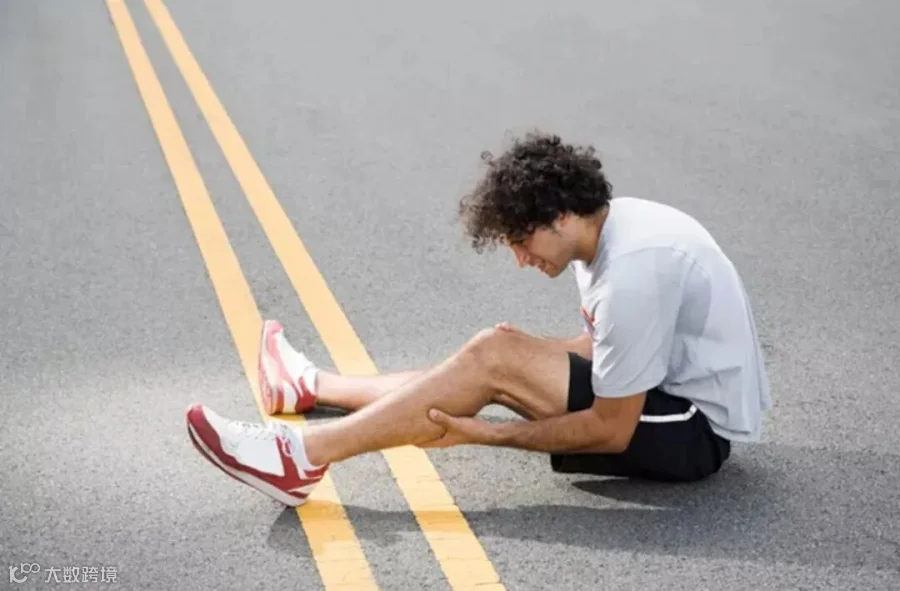
Image Source / Getty Images
Locations and Causes
Forcing a joint out of its normal position can result in a ligament tear. This can occur with a fall, a sudden twist, or a blow to the body.
These injuries are common during athletic activity, since joints are in constant motion and under a lot of stress. Ligaments in the ankle, knee, and wrist are commonly affected.
Ankle: Ligament tears are most common toward the outer side of your ankle at what's called the lateral ligament complex. It includes the anterior talofibula (ATFL), the calcaneofibula (CFL), and posterior talofibular (PTFL) ligaments. The medial deltoid ligament, toward the inside, is injured less often. A high ankle sprain is more often seen in competitive athletes.
Knee: The four major knee ligaments are the anterior cruciate ligament (ACL), posterior cruciate ligament (PCL), medial collateral ligament (MCL), and lateral collateral ligament (LCL). The ACL tear is the most common of these injuries.
Wrist: There are 20 ligaments in the wrist. Tears will most often occur when you fall on an outstretched hand. The scapholunat and the triangular fibrocartilage complex (TFCC) are the most common ones injured.5
Other common sites of ligament tears and the possible causes behind them include:
Thumb: The ulnar collateral ligament can be torn when skiing (the injury is often called skier's thumb) or in a fall when the thumb is bent in an extreme position.
Neck: The ligaments of the neck can be torn during whiplash injuries, as in a car accident. The hard speed-and-stop is an extreme motion that injures the cervical spine, the part of the spine in the neck. The ligament tear is just one part of a whiplash injury. It may also damage muscles, nerves, and bones.7
Back: The ligaments in your back can be torn by lifting something that is too heavy.8
Recap
A ligament tear is an injury caused by an extreme motion, like a forceful twisting of a joint. A tear usually causes immediate pain and perhaps even a "pop" sound at the site of injury when it occurs. Depending on the severity of the injury, the affected site may become unstable.
Diagnosis
The diagnosis of a ligament tear begins with a physical exam and medical history. Your healthcare provider will ask what you were doing at the time of the injury. Feeling the site and moving the joint can tell them more about the extent of the injury.
The next step is often to perform an X-ray to look for fractured or broken bones.Magnetic resonance imaging (MRI) may be done to see if there is a partial or complete ligament tear.
Sprains are graded to describe the extent of the tearing.
Grade 1: This is a mild sprain that damages the ligament but does not cause significant tearing.
Grade 2: This is a moderate sprain that includes a partial tear. The joint may be abnormally loose.
Grade 3: This is a severe sprain with a complete tear of the ligament. The joint is unstable and you cannot use it.
Treatment
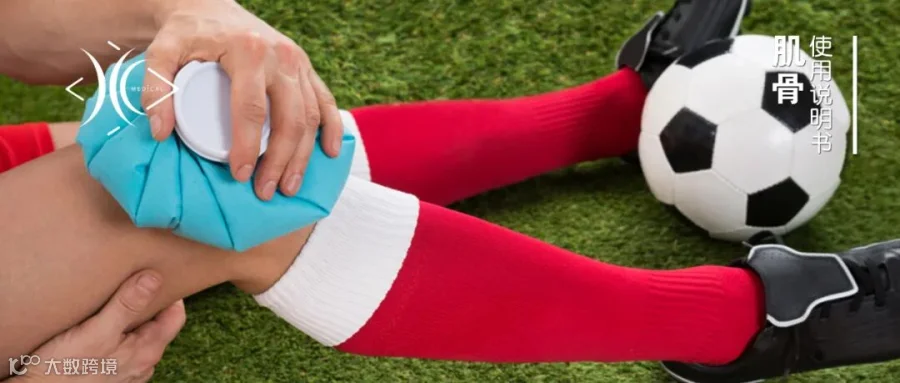
Rest, ice, compression, and elevation (R.I.C.E.) are the initial treatment measures for a ligament injury.10
Rest: You need to stop further activity that stresses the injured joint. This allows time for it to recover.
Ice: Applying an ice pack provides short-term pain relief to an injured area and works to limit swelling.
Compression: Wrapping the injured area with an elastic bandage helps to reduce and limit overall swelling. Sometimes, it may help to ease pain.
Elevation: Raising the affected body part helps to control blood flow and reduces swelling at the site. It is most effective when the injured area is raised above the level of the heart.
How to Effectively Perform R.I.C.E.
Your healthcare provider may recommend an over-the-counter medication like Advil (ibuprofen). They may also prescribe medication for pain and swelling.
A grade 2 sprain may need a brace to support it. This allows for healing of the partial ligament tear. How long you need to wear it will vary based on the specific injury. A grade 3 sprain may require surgery to repair the ligament.
Once the pain and swelling improve, your healthcare provider may recommend physical therapy or home exercises to help restore the function of the ligament and joint. The recovery time can be a few weeks or up to a year, depending on the severity of the ligament tear.
Summary
A ligament tear is a sudden and painful injury, caused by activities like playing sports or lifting heavy objects. It causes a sprain, with the severity ranging from grade 1 to grade 3.
Your healthcare provider can determine just how serious the injury is. In many cases, the tear will heal with simple R.I.C.E. measures: rest, ice, compression, and elevation. More severe cases may require immobilization, physical therapy, or surgery.
https://www.verywellhealth.com/what-is-a-ligament-3120393

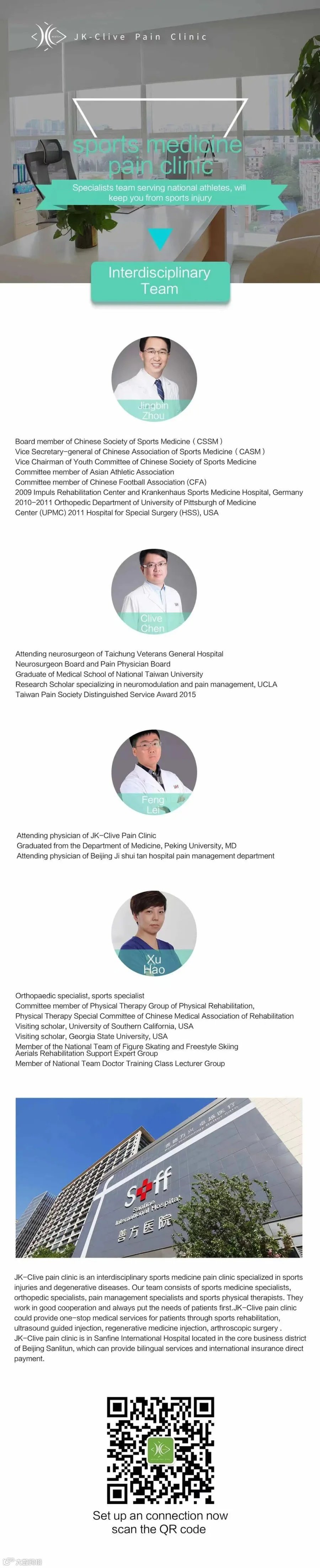
JK-Clive Pain Clinic specializes in management of acute and chronic pain caused by various "sports injuries" and "degenerative diseases",we are located in Beijing Sanfine International Hospital and our services can be paid directly by most of the international insurance.
JK will always care about your health!
Practical medical science will be shared constantly!
If you have any questions about muscles and joint pain.

Past recommendations
2.What does spine straightening surgery entail?


Light up sharing, like, watching
Look who's watching with you