

The knee is the largest joint in the body. People use it heavily every day as they walk, run, climb, or jump. As a result, it is also very prone to injury and pain. When these occur, a doctor may recommend exercises to help a person strengthen the muscles around the knee.
Benefits of knee strengthening exercises
The Arthritis Foundation state that exercise may be the most effective way to treat osteoarthritis without surgery, while the American Academy of Orthopaedic Surgeons note that strong and flexible muscles can keep knees healthy and prevent injury.
Knee strengthening exercises do not affect the knee joint directly, but they strengthen the muscles surrounding it. Strong muscles in the legs can help provide support for the knees. This support may alleviate pressure and strain on these joints, which can relieve pain and help a person be more active.
The following exercises can help strengthen the muscles surrounding the knee. If a person experiences pain during these exercises, they should stop doing them and speak to a doctor. Anyone with severe knee pain should consult a doctor before trying to exercise.
It is best to warm up with light exercise before starting any knee strengthening exercises. Examples of gentle exercise include walking, cycling, and using an elliptical machine, all of which put minimal stress on the knees. This activity will help increase blood flow to the muscles and allow them to be more flexible.
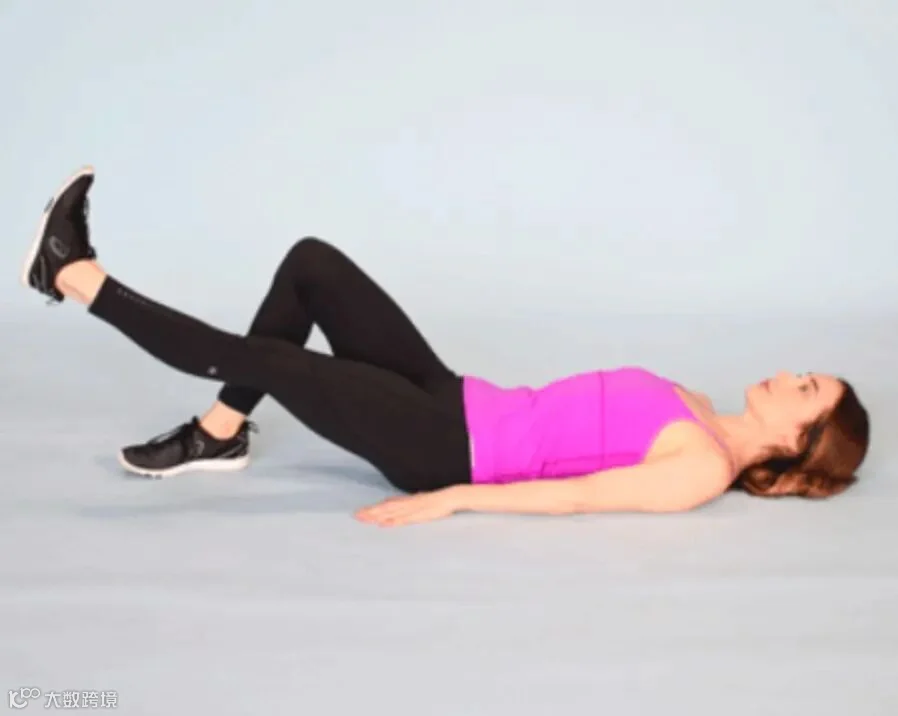
Leg lifts
Muscles involved: Quadriceps (front of the thigh) and abdominal (stomach) muscles.
1. Lie down on the floor with the back flat. Use a yoga mat, folded blanket, or exercise mat for comfort on a hard floor.
2. Keep the left leg straight and bend the right leg slightly at the knee, bringing the foot closer to the body.
3. Pull the abdominal muscles inward by imagining the belly button pulling down toward the floor. Doing this should bring the lower back down against the floor and help provide extra support during the exercise. Place a hand beneath the lower back to make sure that there is no space between the small of the back and the floor. If there is space for the hand, gently push the lower back down on top of the hand.
4. Slowly lift the left leg without bending the knee. Keep the toes pointed toward the ceiling and stop when the leg is about 12 inches off the floor. It should not be higher than the bent knee on the right leg.
5. Hold the left leg up for 5 seconds.
6. Slowly lower the leg back down to the floor. Do not put it down too quickly or let it drop.
7. Repeat two more times with the same leg.
8. Switch sides and repeat.
What not to do
· Do not let the back arch during the exercise.
· Do not jerk or bounce the leg or lift it above the knee on the bent leg.
· People who have osteoporosis or a back compression fracture should not perform this exercise.
Hamstring curls on a weight bench
Muscles involved: Hamstrings and gluteal muscles.
This exercise is a variation of the standing hamstring curl. A person can try this version if they have access to a weight bench that is purpose-built for this exercise. It may be more challenging than the standing hamstring curl, depending on how much weight a person uses.
1. Lie face down on the bench with the knees close together. Grip the handles for stability.
2. Tuck the feet under the weight. The weight should sit just above the heels.
3. Slowly bend both knees, using the force of the legs to raise the weight up.
Continue to lift the weight in a smooth motion until the knees bend at a 90-degree angle.
4. Hold the weight up for 5 seconds and then slowly lower it back down.
5. Perform up to 15 repetitions (reps).
What not to do
· When first attempting this exercise, do not use a heavy weight. Beginners should use the lowest weight and work their way up to heavier weights as they build strength.

Wall squats
Muscles involved: Quadriceps and gluteal muscles.
1. Stand with the head, shoulders, back, and hips flat against a wall.
2. Step both feet out about 24 inches away from the wall, while keeping the back and shoulders against it. Keep the feet no more than hip width apart.
3. Slide the back down the wall slowly until the body is just above a normal sitting position.
4. Hold for 5 seconds and then slide back up.
5. Repeat.
What not to do:
· Do not squat too low. The knees should not go over the toes.
· Do not use fast, jerky movements. Perform the exercise slowly and smoothly.

JK-Clive Pain Clinic specializes in management of acute and chronic pain caused by various "sports injuries" and "degenerative diseases",we are located in Beijing Sanfine International Hospital and our services can be paid directly by most of the international insurance.

JK will always care about your health!
Practical medical science will be shared constantly!
If you have any questions about muscles and joint pain.

Past recommendations
1.Exercises to Help Knee Pain in Pictures
2.Strengthening Exercises for Sacroiliac Joint Pain Relief
3.Rehabilitation & strengthening exercises for sports injuries


Light up sharing, like, watching
Look who's watching with you