

What is an Achilles tendon rupture?
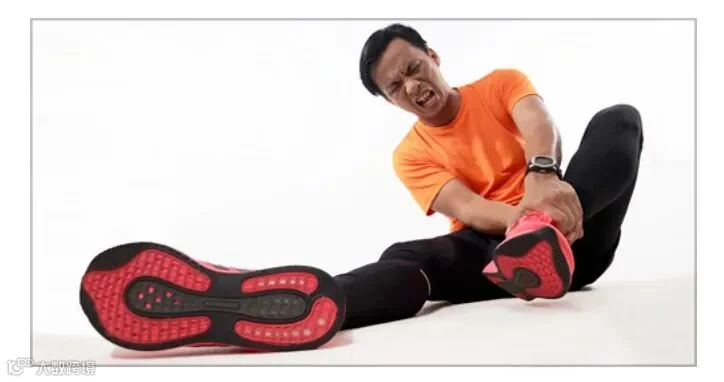
An Achilles tendon rupture is a tear in the tendon at the back of the ankle that spans from the calf muscles to the heel. A rupture occurs when the Achilles is completely torn after a sudden step, jump or movement.
What are the symptoms of an Achilles tendon tear?
The key symptoms are sudden pain and swelling at the back of the ankle. Most people will hear a distinctive popping sound at the time of injury, or they may feel like they were hit in the back of the leg with a hard object. It may be difficult or impossible to bend one’s forefoot downward or effectively push off from the foot with the injury.
What causes an Achilles tendon tear?
Achilles tendon ruptures are most often caused by sudden, strenuous athletic activity that was not preceded by proper stretching, Ruptures usually occur during high-stress activities such as running, cutting or jumping, but sometimes the tendon becomes chronically weakened and can give way during less strenuous activities like walking. About 10% of Achilles tendon ruptures occur in patients who have pre-existing Achilles tendinopathy. Certain medical conditions and some medicines are known to be associated with an increased risk of rupture.
How do you prevent an Achilles tendon rupture?
Stretching and warming up before and cooling down after activity may help prevent an Achilles rupture. Varying your workout and cross-training may help avoid overuse syndromes that can lead to tendon problems.
How is an Achilles tendon rupture diagnosed?
A doctor will ask the patient to describe their injury history and symptoms, and will do a physical examination of the foot and ankle. Usually, a doctor can palpate the back of the ankle and feel a defect in the tendon, therefore identifying the location of the rupture. Doctors will also perform the Thompson Test by squeezing the calf muscle. If the foot does not move downward with this squeeze, this means the Achilles is not attached to the muscle and indicates a ruptured tendon. In some cases, X-ray, ultrasound and/or MRI imaging may be done to confirm the diagnosis or to rule out other injuries.
As soon as a rupture is diagnosed, it should be treated to prevent loss of strength and improper healing. A ruptured Achilles tendon is vulnerable to poor healing because the blood supply to the area of rupture is very limited. If a completely ruptured Achilles tendon is not treated properly, it may not heal or heal with scar tissue in an elongated position, and the person will not regain enough strength in the leg for normal daily activities such as walking, let alone running or other athletic activities.
How is an Achilles tendon rupture treated?
Most people with active lifestyles will need surgery to recover from a complete Achilles rupture. Nonsurgical treatment may be successful for a less athletic individual when the rupture is identified immediately (within 24 hours) and the person is placed in a cast with the toes pointed downward. The goal of casting is to hold the foot and ankle in a position to bring the torn ends of the tendon in proximity, allowing the tendon to slowly heal over time without using invasive surgical techniques. If the rupture is not identified and treated immediately, surgery will offer the best outcome for return to activities and athletics.
What is the recovery time for an Achilles tendon rupture without surgery?
Usually, casting or bracing for up to 8 to 10 weeks is necessary, with four to six months of physical therapy. By avoiding surgery, the risks of skin breakdown or infection are reduced.
Should I have surgery for a ruptured Achilles tendon?
For people who do not engage in athletics, the decision on how to treat these injuries is made on an individual basis. Generally, more active individuals are likely to benefit from surgical intervention while less active persons may be satisfied with nonsurgical treatments.
Surgery for Achilles tendon ruptures ensures that the tendon heals at the appropriate length and tension so that push-off strength in the leg is restored. Without surgery, there is increased chance that the tendon heals in a stretched out fashion and leg strength therefore compromised. High-performance athletes with a torn Achilles tendon are almost always treated with surgery to provide a stronger tendon that is less likely to re-rupture.
Nonsurgical treatment is generally reserved for select patients based on their age, other conditions they may have, and everyday level of activity. Consult a foot-and-ankle orthopedic surgeon to learn which treatment is recommended for you.
What is the surgery for a ruptured Achilles tendon?
An Achilles tendon rupture surgery reconnects the ends of the torn tendon. In revision cases or when the tendon was damaged before the rupture, the tendon may need to be reconstructed using a graft from another tendon in your body. The length of the incision and the surgical approach will depend on location of the rupture. The incision length is about three to four inches long in open surgery and about one inch or less with the minimally invasive approach.
The appropriate surgical approach will depend on location of the rupture. For tears closer to the middle of the tendon or to the muscle, an end-to-end repair will be performed using strong sutures material. For tears very close to the insertion point at the heel bone or when the ruptures caused an avulsion fracture of the calcaneus, suture anchors may be used to repair and reconnect the Achilles directly into the calcaneus bone.
Do I have to stay overnight for an Achilles tendon repair?
Most Achilles tendon repair surgeries are ambulatory (outpatient), with patients leaving about one or two hours after the procedure.
What type of anesthesia is used for Achilles tendon repair?
At HSS, most Achilles tendon surgeries are done with a nerve block (regional anesthesia) and/or a spinal anesthetic while you are in a twilight sleep. An anesthesiologist will perform the regional block in the operating room once you are asleep. This will numb your leg from the knee down and is done for pain control and comfort during and after the procedure. This a long-acting nerve block that may last 24 to 48 hours. In rare instances, it can last as long as three days. For this procedure, anesthesia will also perform an epidural, or “spinal,” in addition to the medication behind the knee. This will numb you from the waist down during the procedure and wears off in the recovery room. You will meet with your anesthesiologist the day of surgery to discuss what type of anesthesia will be performed in more detail.
What are the risks of Achilles tendon surgery?
The concern with surgery is the risk for skin breakdown and infection, which can occur due to swelling and the relatively poor blood supply in the area of the surgery. The risk of infection after Achilles surgery at HSS on the Foot and Ankle Service is less than 1%.
What is the recovery time for Achilles tendon surgery?
The recovery period for Achilles tendon repair surgery is long and requires diligent rehabilitation to restore foot and ankle motion and tendon strength. Typically, after an Achilles tendon repair, patients can expect three to four weeks of immobilization, non-weightbearing (using crutches). It is usually about six to nine months before you return to all activities, such as running or jumping.
Achilles tendon repair recovery benchmarks
After surgery, patients typically wear a splint for two to three weeks until their first post-op appointment.
The splint is removed at the first follow-up appointment. At this time, the healthcare team will evaluate your incisions, remove the sutures and fit you with a lighter removable boot to wear. A prescription for physical therapy will be provided at this time (if not earlier in some cases)
In the CAM boot with heel wedges or a VACOped boot and you can begin to bear weight on your foot at four weeks after surgery. Each week, you will adjust the wedges or VACOped setting to decrease the angle of plantarflexion through your ankle.
You will continue this way for four to six weeks, until you return to the office for another office visit (anywhere from 10 to 12 weeks after your surgery). At this visit, you will be evaluated to determine at what rate you wean out of the boot and into normal sneakers, usually 8 to 10 weeks after surgery.
Is physical therapy necessary after Achilles tendon surgery?
Yes, physical therapy is necessary in order to recuse scarring and swelling, and to promote the strengthening of the Achilles and other soft tissues in the ankle. During rehabilitation, your physical therapist will generally use blood flow restriction techniques to enhance your strength without overloading the newly repaired tendon. Ideally, you will start a PT regimen almost immediately post-op, and will continue it until you have reached your desired activity level. Typically physical therapy continues until six months after surgery.
Authors
Anne Holland Johnson, MD
This article is excerpted from:
https://www.hss.edu/conditions_achilles-tendon-rupture-injuries.asp

JK-Clive Pain Clinic specializes in management of acute and chronic pain caused by various "sports injuries" and "degenerative diseases",we are located in Beijing Sanfine International Hospital and our services can be paid directly by most of the international insurance.

JK will always care about your health!
Practical medical science will be shared constantly!
If you have any questions about muscles and joint pain.

Past recommendations
1.What are the hazards of cross legging?
2.Muscle pains due to air condition


Light up sharing, like, watching
Look who's watching with you