

by Nathan Olson | Nov 14, 2020 | Jump Rope Health, Uncategorized | 0 comments
Whether you are just getting started or crushing your fitness goals, an injury can be a major setback. Working out is all about taking care of your body, testing your limits, and improving yourself every day. An injury is the exact opposite of what you want while jumping rope. While injury is possible, it is also preventable. Keep reading to learn how to prevent injuries while jumping rope.
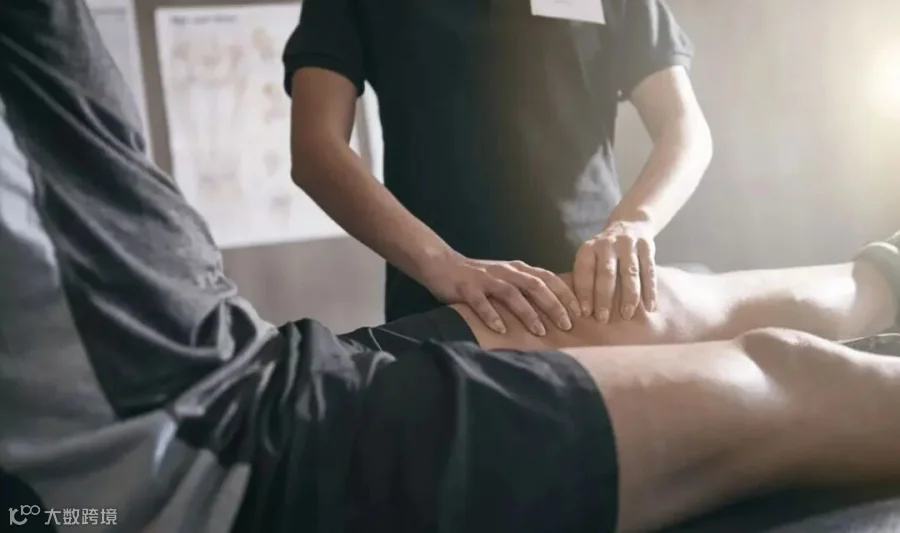
Can you get injured while jumping rope?
Pain is a natural part of life, and it will likely be part of your workout routine. However, you do not need to get injured while jumping rope. An injury can seriously impact your ability to work out and take your fitness goals off the rails.
It is possible to get injured while jumping rope. Injuries occur when someone uses bad form, skips their warm-ups, pushes themselves too far in training, or works out too infrequently. You can also aggravate an existing injury if you start jumping rope again too soon or ignore the advice of your doctor. A common injury of jumping rope is Shin Splints.
Tips to Avoid Jump Rope Injuries
Just because you can get injured while jumping rope does not mean you have to. Beginners and more experienced athletes can prevent injuries while jumping rope by using proper technique and form, listening to their bodies, and being mindful in their practice. The top tips to prevent injuries while jumping rope are below.
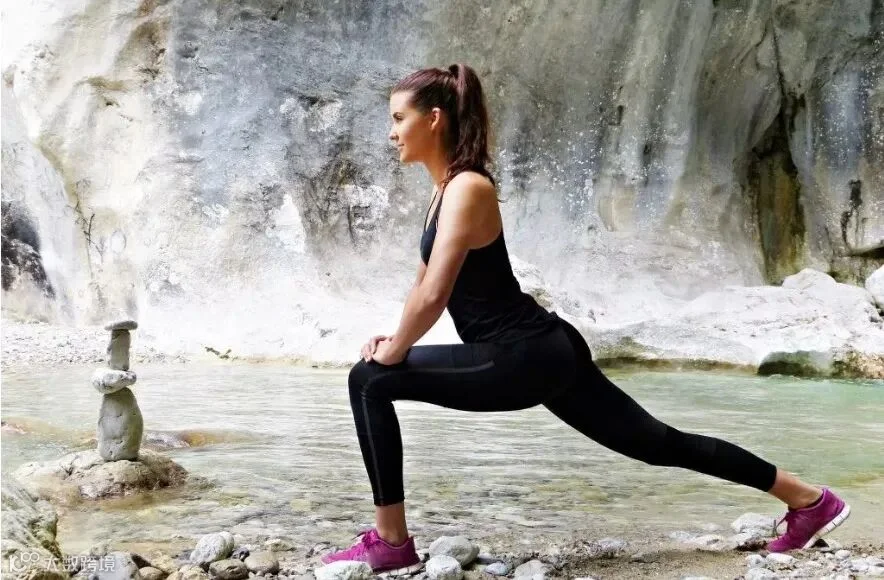
1. Warm Up Properly
The right warm up sets the tone for your work out and prepares your body to be active. Skipping a warm up is a surefire way to get injured because your body is not ready to handle more intense exercise. A proper warm up will raise your heart rate and increase your muscle temperature. This can help relieve stiffness and transition your body from rest to activity.
You can customize your warm up to work best for your needs. If you are just getting started, you may not know how to warm up yet. Try doing some jumping jacks, squats, push-up, lunges, and stretches. You can also do a boxer shuffle to get your feet bouncing and practice shifting your weight.

2. Use the Right Surface
One of the benefits of jumping rope is the ease of working out. All you need is a jump rope and you can fit in a full workout, wherever you are. However, the surface you jump on is important to consider. The pressure on your ankles and legs while jumping rope can lead to shin splints if you do not jump on the right surface.
Consider using a thin rubber mat, especially when you first start jumping rope. The extra cushion will help protect your joints while you jump and learn proper technique. If you do not have a rubber mat handy, you can also jump on thin carpet or a wooden floor in a gym. As you improve your skills and adjust to jumping rope, you can transition to concrete or asphalt surfaces if needed.
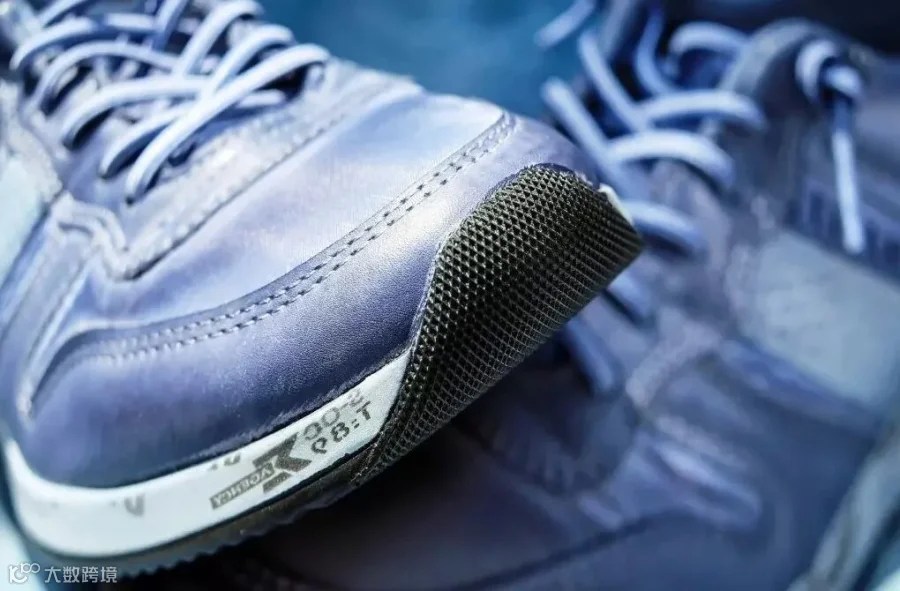
3. Wear the Right Shoes
You should always wear supportive shoes while jumping rope. Jumping barefoot is not recommended because you increase your chance of injury. Wear athletic shoes, like running shoes, that support your ankles and cushion your feet. If your shoes are causing unnecessary pain, consider switching your shoes to prevent injury.

4. Set the Right Frequency
Beginners often fall into the trap of jumping rope too frequently. If you are new to the practice, it is best to pace yourself and let your muscles and joints adjust to jumping rope. Take a day off between your workouts, spend time stretching, and keep your body active by walking. As you improve your jump roping skills, you can do several workouts in a week with a couple of rest days.
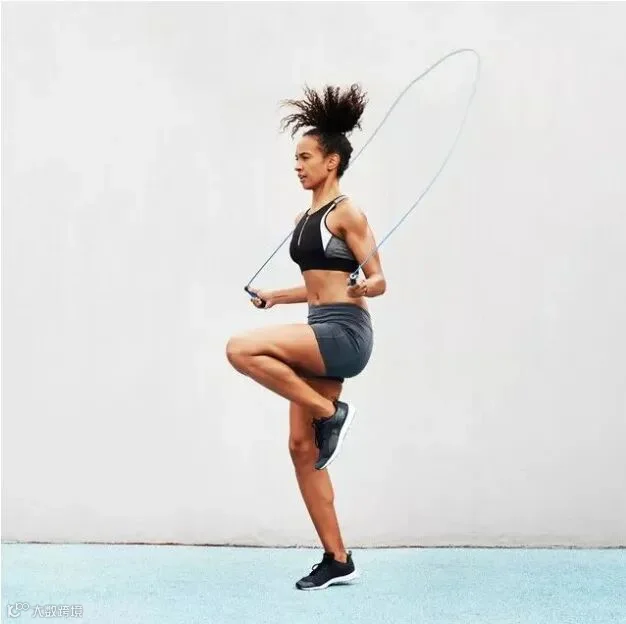
5. Keep the Correct Form
The height of your jumps is important for preventing injuries while jumping rope. Instead of jumping high into the air, you want to keep your feet relatively low to the ground. While you are jumping repeatedly, jumping rope is actually a lower impact exercise.
Focus on keeping your bounces one to two inches off the ground to maintain the right form. As you practice new tricks and skills, maintain your foundational form. You should continue to jump at the right height, no matter what skill you are practicing.
This article is excerpted from:
https://www.elevaterope.com/prevent-injuries-jumping-rope/

JK-Clive Pain Clinic specializes in management of acute and chronic pain caused by various "sports injuries" and "degenerative diseases",we are located in Beijing Sanfine International Hospital and our services can be paid directly by most of the international insurance.

JK will always care about your health!
Practical medical science will be shared constantly!
If you have any questions about muscles and joint pain.
Past recommendations
1.What is a fascia gun What is the role of fascia gun
2.5 Treatments to Help Flat Feet


Light up sharing, like, watching
Look who's watching with you