

What Causes Arthritis in the Knee?
Family History
This includes genetic mutations that might cause a person to more likely develop arthritis of the knee. It may also be due to inherited abnormalities in the shape of the bones that surround the knee joint.
Age
You can develop knee arthritis at nearly any age. It’s more common to develop osteoarthritis over the age of 40. As you grow older, the cartilage that cushions your knee begins to break down. Inflammatory arthritis is more likely to develop earlier in life, sometimes as early as your twenties.
Obesity
Being overweight increases stress on the knee joints, increasing the breakdown of cartilage. One study claims that being 10 lbs. overweight increases the force on the knees by 30-60 lbs. with every step.
Repetitive Stress Injuries
Arthritis affects those that place extensive pressure on their joints for sustained periods of time. Certain occupations, for example, that include a lot of kneeling, squatting, or heavy lifting. This also affects athletes. With moderate exercise, you can strengthen your muscles and decrease the risk of arthritis.
What Are the Signs of Arthritis?
· Joint becomes stiff and swollen, making it difficult to bend and straighten the knee
· Pain and swelling is worse after sitting or resting for long periods of time
· Vigorous activity increases levels of pain
· Deformities of the knee
· Loose fragments of cartilage and other tissue may interfere, causing the knee to ‘lock’ or ‘stick’ during movement
· Feelings of weakness and buckling of the knee, poor range of motion
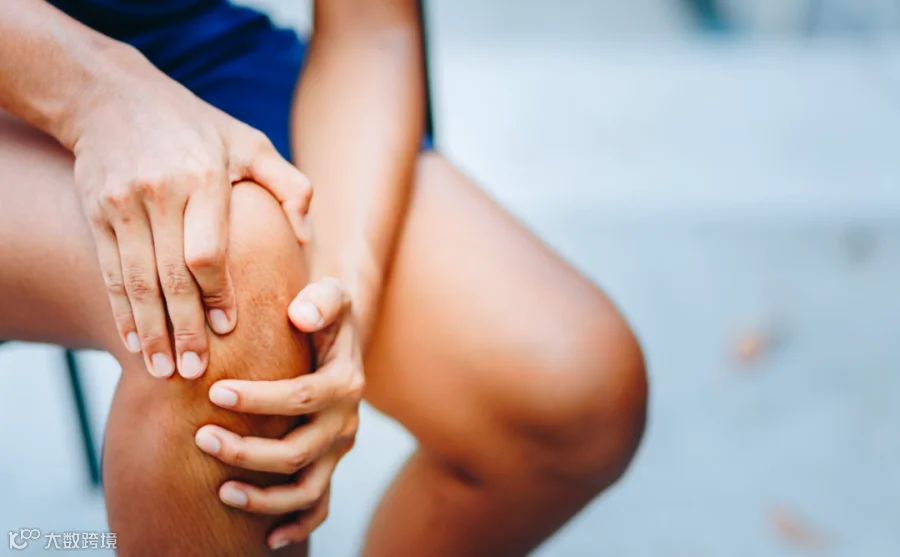
Diagnosing your knee arthritis early can help you seek treatment and therapies that relieve pain and preserve your ability to move without pain or difficulty. Knee pain can also indicate that you have osteoporosis, in which your bones lose their density and become more fragile. This condition can cause pain and discomfort similar to that caused by arthritis. If knee pain is interfering with daily activities more frequently, see your doctor as soon as possible to test for more serious conditions.
Different Types of Arthritis
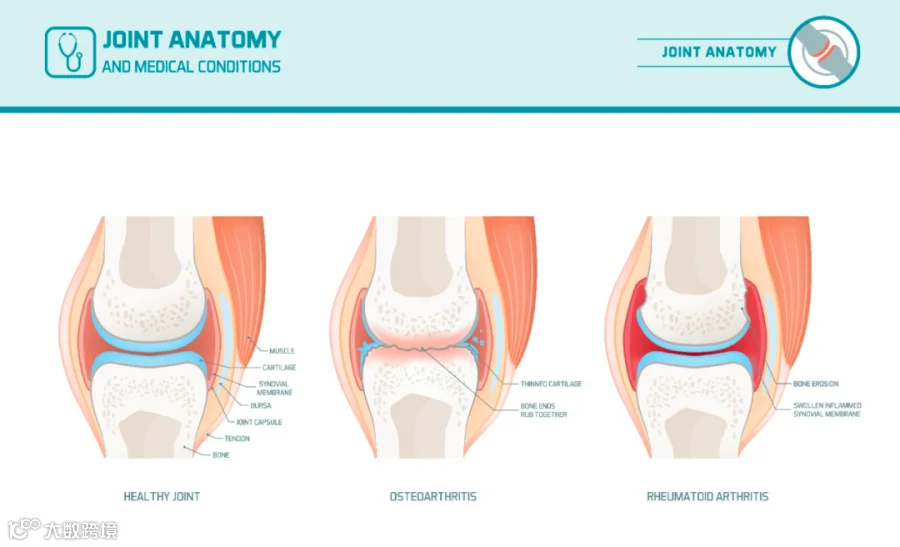
The knee is the joint where the bones of the lower and upper legs connect. It moves like a hinge, allowing you to sit, squat, walk or jump. The basic anatomy of the knee consists of three bones: the femur, tibia, and patella. The ends of the bones are covered with a layer of cartilage - a slick, elastic material that absorbs shock and allows the bones to glide easily against one another as they move. Different types of arthritis affect this joint differently.
Rheumatoid Arthritis
Starting with your immune system, Rheumatoid Arthritis causes inflammation in the lining of your joints. As a result, your joints may get swollen, causing mild to moderate levels of pain. This inflammatory condition can occur at any age.
Post-Traumatic Arthritis
Post-Traumatic Arthritis develops following an injury such as a torn meniscus, ligament injury, or knee fracture. Symptoms of post-traumatic arthritis can develop at any point after the injuries occur. These symptoms include fluid accumulation in the joint, swelling, and joint pain as well as functional changes such as decreased tolerance for climbing stairs, participating in sports, and walking.
Osteoarthritis
Osteoarthritis is the most common form of arthritis, damaging the slippery tissue that covers the ends of bones in your joints. The damage allows for your bones to rub together during movement. The rubbing motion can cause pain, swelling, and loss of motion. It’s a progressive condition that slowly wears away joint cartilage.
Tips for Relieving Arthritis Pain
Massage
Gently probe the muscles and tendons around your knee. If the tissue is sore when probed, try massaging on and around your knee to see if it relieves the pain or eases tension. Combining heat and vibrations effectively warm, loosen, and relax sore and stiff muscles before and after physical activity.
Elevation
Increasing blood flow is good for healing and relaxation. Place a pillow or a bolstered wedge under your knee to allow for elevation. This helps keep your knees straight, decreasing swollen joints. Make sure to get the knee joint at a higher elevation than your heart.
Hot & Cold Therapy
Apply cold packs to swollen knees, reducing pain from stress. Once the swelling goes down, discomfort decreases and range of motion increases. Heat therapy eases tissue pain. Apply hot packs on knees that aren’t swollen to calm muscle tissue.
Knee Braces
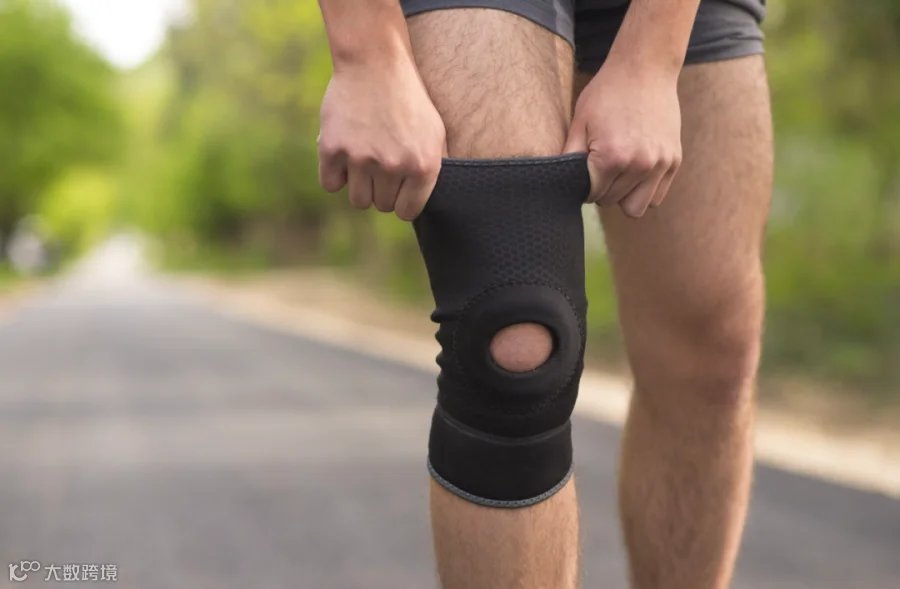
Knee Braces are ideal for providing support and relieving pain and other symptoms that result from arthritis. Braces may also allow people to feel more comfortable exercising, improving stability and strengthening the knee joint and surrounding muscles
5 Exercises to Relieve Pain & Stiffness
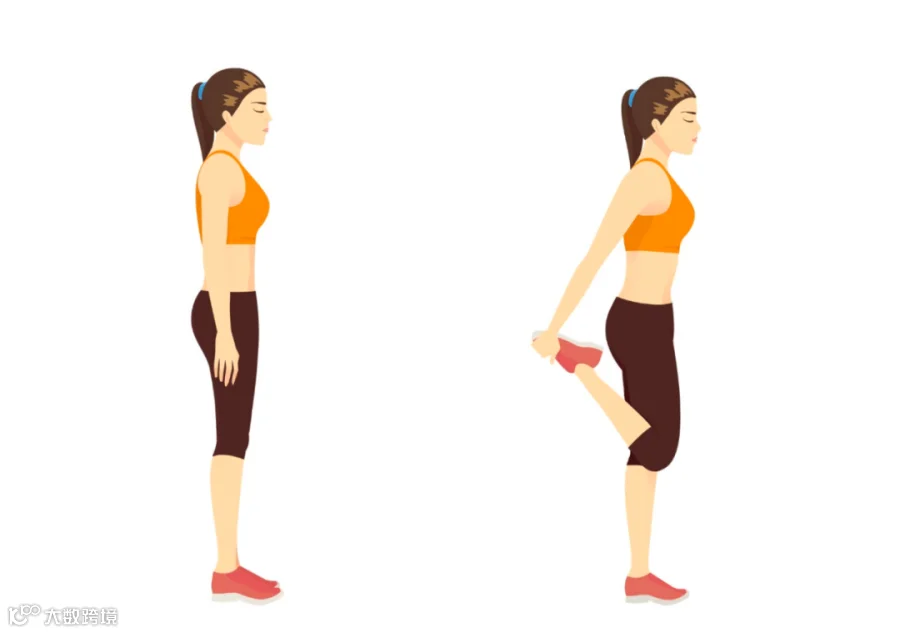
1.Quadricep Stretch
1. While standing, bend your knee back by grasping your ankle with one hand.
2. Maintain position for 30-60 seconds.
3. Slowly return to standing position, paying attention to your breathing during the stretch.
4. Repeat for a desired number of reps, then repeat on the opposite leg.
2.Straight-Leg Raises
1. Lie down on your back with your shoulders tucked and palms facing the sky
2. Keeping your knees bent, slide out the right leg maintaining a straight legged position
3. Keeping your toes pointed towards your nose, raise your right leg. (Lift your leg no higher than the opposite thigh)
4. Slowly lower the leg back down, paying attention to your breathing through the movement
5. Repeat for a desired number of reps, then repeat with the opposite leg
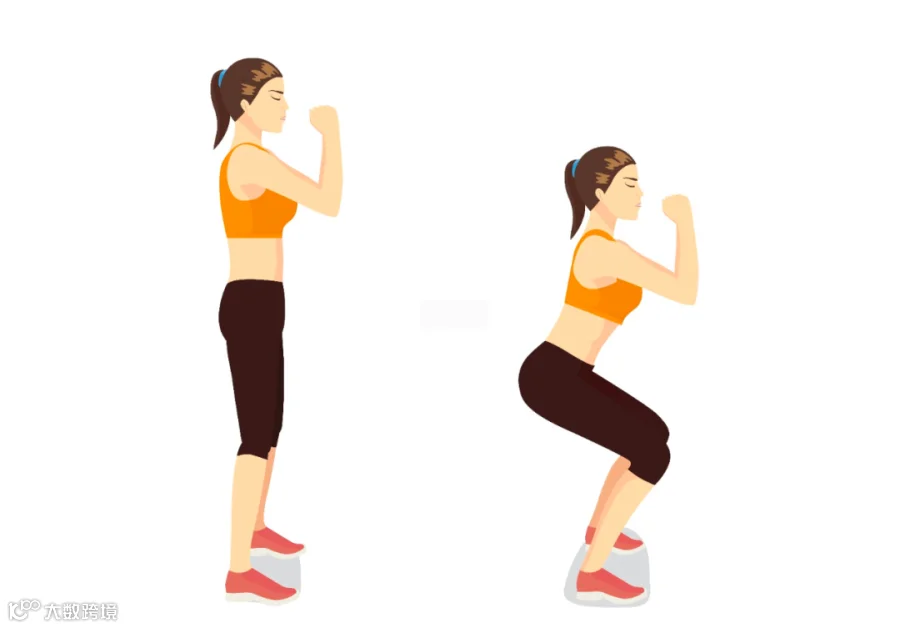
3.Bodyweight Squat
1. Stand with your feet shoulder-distance apart. (If needed, hold on to something stable)
2. Keep your chest lifted and shift your weight back into your heels while slowly pushing your hips back, as if you were sitting down into a chair
3. Keep your feet flat and lower yourself as far as you’re comfortable
4. Push through your heels and bring your body back up to standing
5. Repeat for a desired number of reps
4.Hamstring Curls
1. Lying on your back, place your calves and heels on a stability ball
2. Move your hips upward until your body is straight
3. Engaging your glutes, slowly lift your hips and bend your knees
4. Extend your knees, lowering your hips and back to the ground
5. Repeat for a desired number of reps
5.Yoga
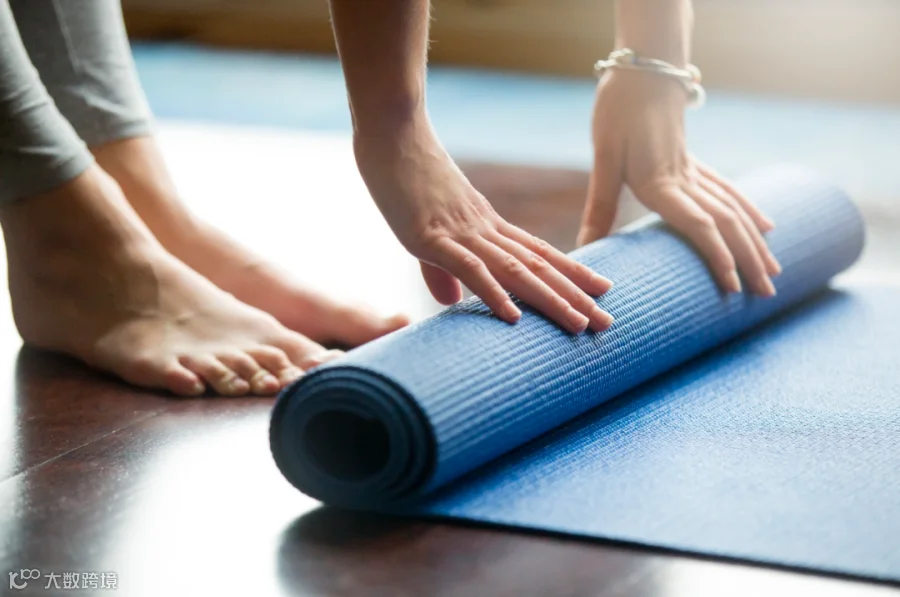
Yoga not only practices breathing techniques and meditation, but it includes a series of exercises that reduces joint pain, improves joint flexibility and tension, and lowers stress to promote better sleep. Practicing weekly significantly reduces the pain and stiffness associated with arthritis. It also helps to improve range of motion in the joints.

JK-Clive Pain Clinic specializes in management of acute and chronic pain caused by various "sports injuries" and "degenerative diseases",we are located in Beijing Sanfine International Hospital and our services can be paid directly by most of the international insurance.

JK will always care about your health!
Practical medical science will be shared constantly!
If you have any questions about muscles and joint pain.

Past recommendations
1.8 Daily Arthritis Hand Exercises that Can Soothe Your Pain
2.9 best exercises for rheumatoid arthritis pain
3.How to protect yourself from injury in football?


Light up sharing, like, watching
Look who's watching with you