
1.Chinese Chopsticks
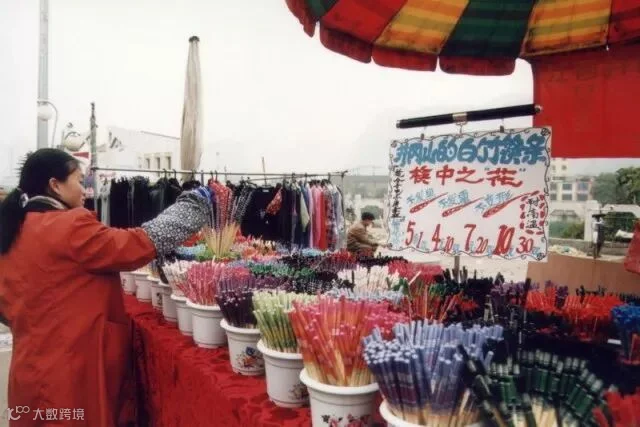
Chinese chopsticks, or kuaizi in Chinese, are a pair of sticks, usually made of wood, used for eating Asian food. It is believed the first chopsticks were developed over 5,000 years ago in China.
Chinese chopsticks are round on the eating end which symbolizes heaven, and the other end is square which symbolizes earth. It is because maintaining an adequate food supply is the greatest concern between heaven and earth.
There is an old Chinese custom that chopsticks were a part of a girl’s dowry, since the pronunciation of “kuai zi” emblems “quick” and “son.”
2.Chinese tea
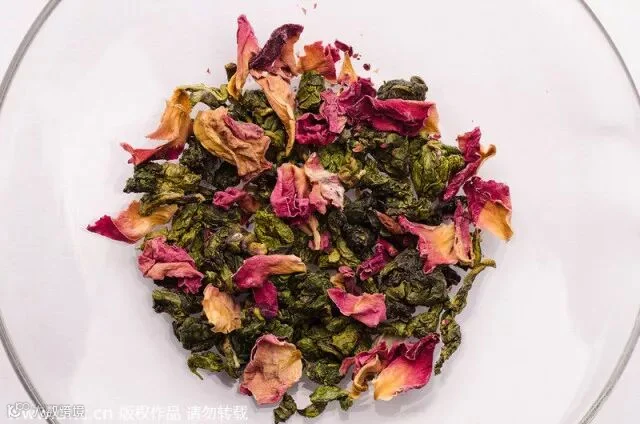
Originated in China as a medicinal drink, tea has become a national drink in China and serves as an important part of Chinese culture.
As the world's second-most popular beverage, after water, tea has around 1,500 varieties in China. They are divided into seven main categories: green tea, black tea, oolong tea, pu'er tea, white tea, yellow tea and scented teas.
3.China's musical instrument
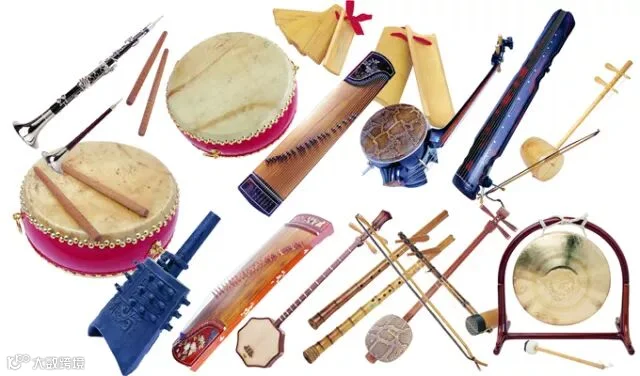
Ancient Chinese believed music could purify a person's mind. Typical Chinese musical instruments include the Xun, Xiao, Sheng, Pipa, Guzheng, Guqin, Erhu, Dizi, to name a small few. The instruments represent Chinese folk
4.Panda toys
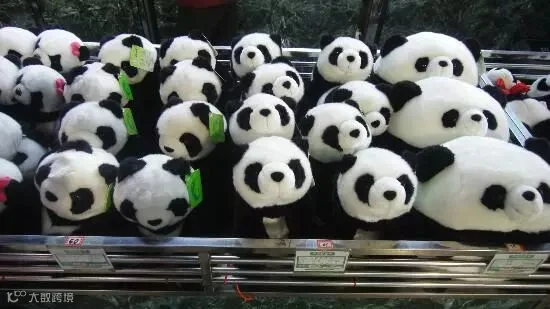
Black and white, pudgy and cute, China's national treasure, the giant panda, is popular around the world.
5.Chinese porcelains
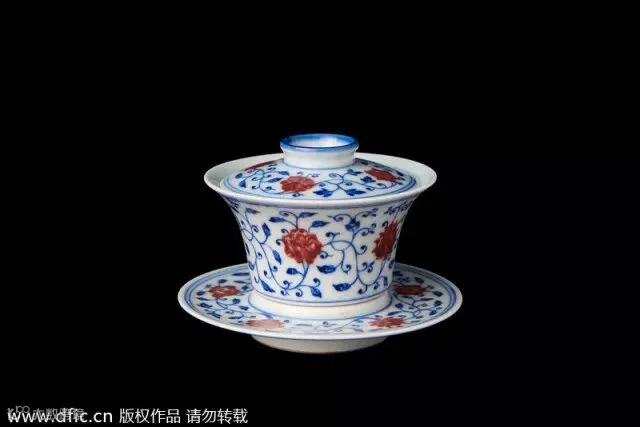
Porcelain can be referred to as "china" as China was its birthplace. It is popular because of its low cost and imperviousness. Also, various porcelain represents Chinese people's wisdom in art.
6.Chinese fans
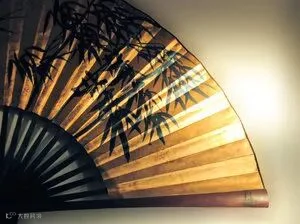
China has been dubbed the "kingdom of fans" for many years. Fans were not always tools for cooling oneself, but also were symbols of status and taste. One main reason is that fans sometimes were decorated with paintings, poems or calligraphy.
7.Chinese paper cuts
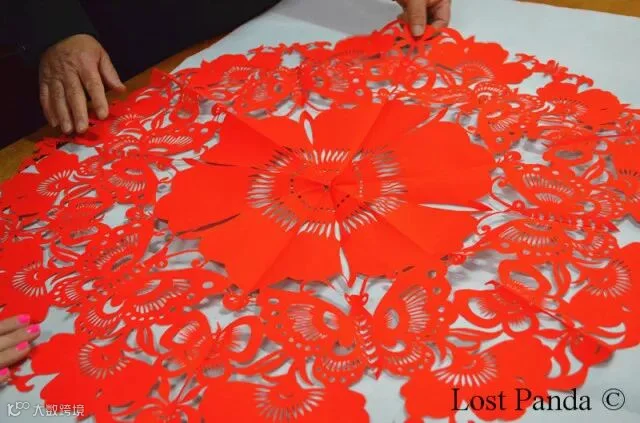
In China, paper cuts are used as ornaments on gates, windows, walls, columns, mirrors, lamps and lanterns. They are widely used at important festivals.
In 2009, The Chinese paper cut was inscribed on the Representative List of the Intangible Cultural Heritage of Humanity by UNESCO.
8.Cheongsam
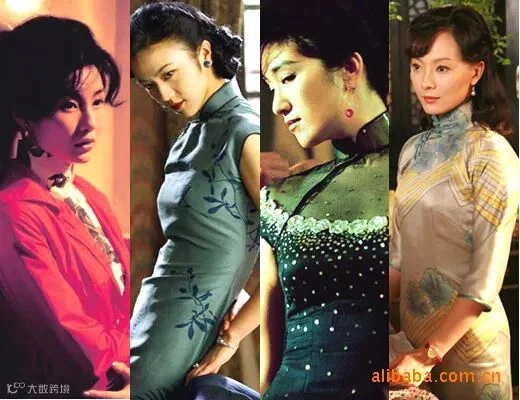
The cheongsam, or “qipao” in Chinese, is a body-hugging one-piece Chinese dress for women. The stylish and often tight-fitting cheongsam that is most often associated with today was created in the 1920’s in Shanghai and was made fashionable by socialites and upper-class women.
The qipao of today can be modified according to the wearer's age and the occasion, and usually have traditional auspicious Chinese symbols.