

大数跨境

Olympians Spotted With Chinese ‘Cupping’ Marks at Rio

Olympians Spotted With Chinese ‘Cupping’ Marks at Rio CRCCAsiaBeijing
2016-08-11
1
导读:The US swimming star is apparently a fan. From BBC.Did
The US swimming star is apparently a fan. From BBC.
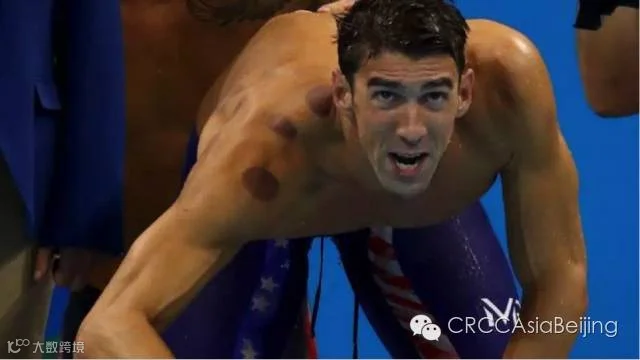
Did someone turn on the tennis ball machine and forget to tell Michael Phelps to duck? Many of us will have seen these marks before, and those in the know are aware that such marks come from a form of acupuncture. It seems Olympians have been taking advantage of this unusual treatment.

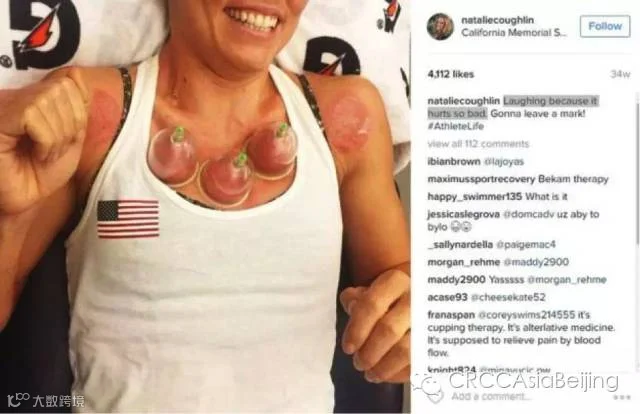
A number of US athletes, including swimmers (and gold-medal hoarders) Phelps and Natalie Coughlin, have shown up in Rio, Brazil, looking like ladybugs in speedos. While it may appear unusual to many people in the West, the practice of ‘cupping’ is actually very commonplace in China, as well as in Southeast Asia and many Muslim countries too.

An acupuncture selfie on Coughlin's Instagram account.
Origins

This particular form of acupuncture has a long and storied history, with Han Chinese doctors credited with its invention. However, there were also variations of this practice employed in ancient Egypt and Greece. ‘Hijama’, the Arabic term for wet cupping, is even said to have been extolled by the Islamic prophet Muhammad—high praise indeed!

Treatment

The main forms of cupping are dry cupping, wet cupping, and fire cupping. All three methods rely on the cups being placed on the body securely so as to generate suction. 
In dry cupping, the cups are placed on the skin, normally in soft tissue areas so that a good seal can be made with the cup. It can then be heated to create the low air pressure required.
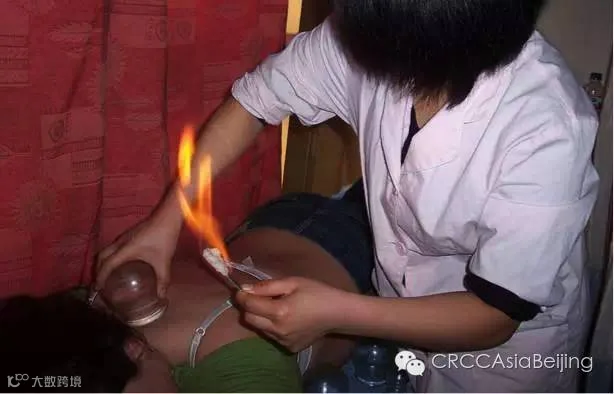
Fire cupping involves, as you’d correctly assume, a flaming cotton ball pre-soaked in 99% alcohol. It’s gripped with forceps, then placed into a cup and swiftly removed before the cup is positioned on the skin. The fire heats the cup and as it cools, suction is created.

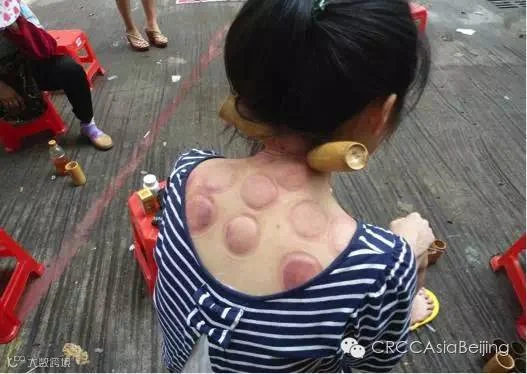
Hopefully it's not as painful as it looks. Photos by Alanna Ralph/CC, Ann Frodesiak/CCO
Wet cupping is slightly different; it involves making small incisions in the skin before the cup is placed, and suction created draws out a small amount of blood.
Marks on the skin are normal after all of these treatments; they resemble circular bruises, but depending on the treatment, the marks can be bruises or can be caused by rupturing of the capillaries just beneath the skin.
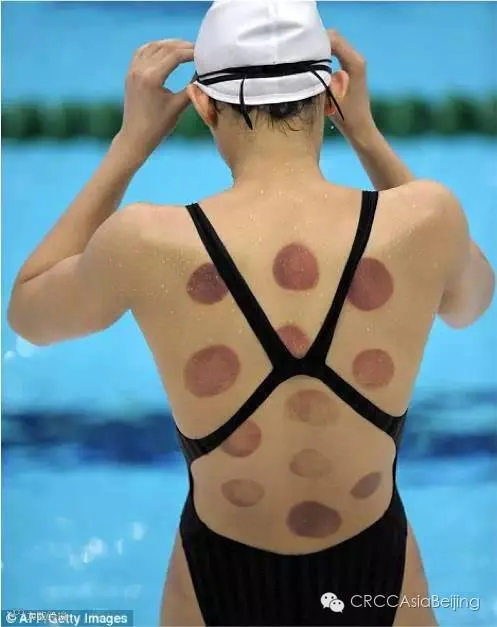
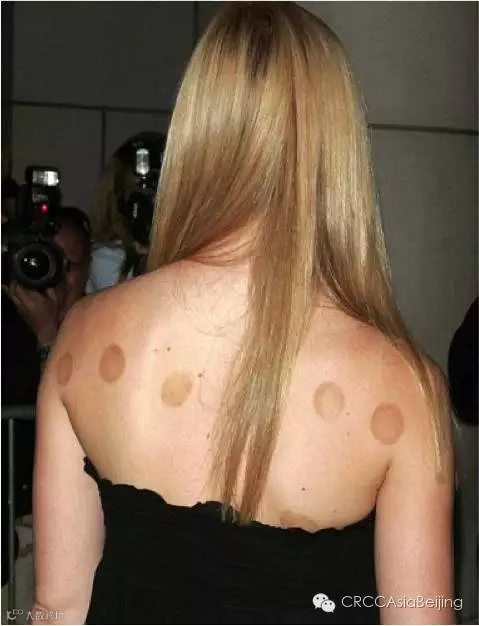
Olympic swimmer Wang Qun tried cupping in 2008 (above), while Gwyneth Paltrow was an early adopter in 2004 (below). Photos from AFP/Getty,
 LFI.
Purported Benefits
Practitioners in China believe that cupping gets the blood and qi (气) flowing in order to promote natural healing of the body. Through this process of mobilizing stagnant blood and lymph, cupping can help with colds and respiratory problems. 
Additionally, it is said that this procedure can also assist with muscle pains and swelling.

Does it Really Work?
There has been considerable research into the efficacy of cupping, with many scientists stating that it does not provide the kind of relief that proponents of the treatment suggest. That said, the only way to truly get the answer here is to get out there and try it out! Despite looking like you’ve slept on oversized blocks of Legos, you may find yourself rounding off your day with a therapeutic experience.

Source: GuideinChina
【声明】内容源于网络
0
0
CRCCAsiaBeijing
The official account of CRCCAsia Beijing Office.
内容 0
粉丝 0
CRCCAsiaBeijing The official account of CRCCAsia Beijing Office.
总阅读0
粉丝0
内容0