


漏洞影响
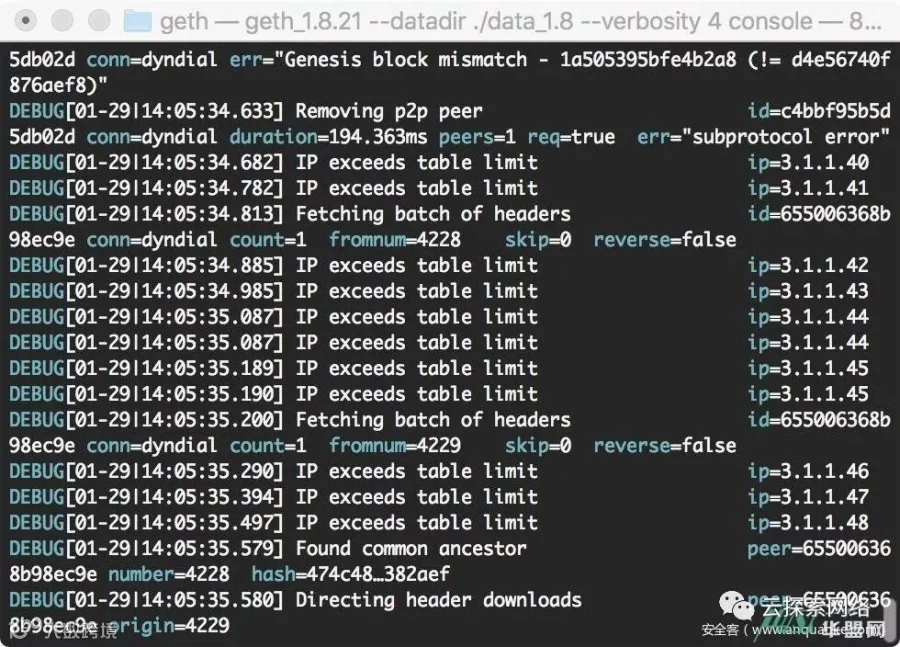
该漏洞表面上是一个放大5倍udp反射DDOS漏洞,但其对ETH的P2P网络的影响是非常大的,但是这个漏洞有很大的两个副作用,一个是ETH的发现节点池会不断的被堆满,导致正常节点无法加入,二是可屏蔽被攻击节点无法探索到任意子网的节点。
漏洞分析
先让我们来看看ETH P2P发现协议的文档,在https://github.com/ethereum/devp2p/blob/master/discv4.md这篇ETH P2P发现协议文档里是有对udp反射DDOS做防御的。
Pong Packet (0x02)
packet-data = [to, ping-hash, expiration]
Pong is the reply to ping.ping-hash should be equal to hash of the corresponding ping packet. Implementations should ignore unsolicited pong packets that do not contain the hash of the most recent ping packet.
其方法就是通过签名PIng包并且让对方主机回复的Pong包要带上之前Ping包的hash才可以通过校验。这个从设计上来说是没什么问题的,然而go-ethereum在实现该协议的时候出了问题。
让我们来看看go-ethereum是怎么实现该协议的,在https://github.com/ethereum/go-ethereum/blob/master/p2p/discover/udp.go#L618
func (req *ping) handle(t *udp, from *net.UDPAddr, fromKey encPubkey, mac []byte) error { if expired(req.Expiration) { return errExpired } key, err := decodePubkey(fromKey) if err != nil { return fmt.Errorf("invalid public key: %v", err) } //收到ping包后马上回复pong包 t.send(from, pongPacket, &pong{ To: makeEndpoint(from, req.From.TCP), ReplyTok: mac, Expiration: uint64(time.Now().Add(expiration).Unix()), }) n := wrapNode(enode.NewV4(key, from.IP, int(req.From.TCP), from.Port)) t.handleReply(n.ID(), pingPacket, req) //如果没通过pong校验则发送一个ping包进行pong校验,如果通过pong校验则加入发现节点池 if time.Since(t.db.LastPongReceived(n.ID())) > bondExpiration { t.sendPing(n.ID(), from, func() { t.tab.addThroughPing(n) }) } else { t.tab.addThroughPing(n) } t.localNode.UDPEndpointStatement(from, &net.UDPAddr{IP: req.To.IP, Port: int(req.To.UDP)}) t.db.UpdateLastPingReceived(n.ID(), time.Now()) return nil }
由于我们是第一次连接,所以要进行pong校验,我们来看看go-ethereum是怎么实现协议中的pong校验的,在https://github.com/ethereum/go-ethereum/blob/master/p2p/discover/udp.go#L645
func (req *pong) handle(t *udp, from *net.UDPAddr, fromKey encPubkey, mac []byte) error { if expired(req.Expiration) { return errExpired } fromID := fromKey.id() //开始处理pong,如果没有请求过pong,就返回错误 if !t.handleReply(fromID, pongPacket, req) { return errUnsolicitedReply } t.localNode.UDPEndpointStatement(from, &net.UDPAddr{IP: req.To.IP, Port: int(req.To.UDP)}) //刷新pong时间,通过pong校验 t.db.UpdateLastPongReceived(fromID, time.Now()) return nil }
可见只要通过t.handleReply的校验我们就可以刷新pong时间通过校验了,让我们来看看t.handleReply 是怎么处理的https://github.com/ethereum/go-ethereum/blob/master/p2p/discover/udp.go#L369
func (t *udp) handleReply(from enode.ID, ptype byte, req packet) bool { matched := make(chan bool, 1) select { //放入gotreply等待返回matched case t.gotreply <- reply{from, ptype, req, matched}: // loop will handle it return <-matched case <-t.closing: return false } }
我们继续往下追
case r := <-t.gotreply: var matched bool for el := plist.Front(); el != nil; el = el.Next() { p := el.Value.(*pending) if p.from == r.from && p.ptype == r.ptype { //是否有拉取过请求,有则matched为true matched = true // Remove the matcher if its callback indicates // that all replies have been received. This is // required for packet types that expect multiple // reply packets. //对应的callback校验,然而就算p.callback返回为false,matched也为true if p.callback(r.data) { p.errc <- nil plist.Remove(el) } // Reset the continuous timeout counter (time drift detection) contTimeouts = 0 } } r.matched <- matched
这里基本能看出问题了,p.callback返回了false,只要不抛出错误,matched还是true,校验就算通过了,我们再来看看pong校验的callback是怎么处理的https://github.com/ethereum/go-ethereum/blob/master/p2p/discover/udp.go#L294
func (t *udp) sendPing(toid enode.ID, toaddr *net.UDPAddr, callback func()) <-chan error { req := &ping{ Version: 4, From: t.ourEndpoint(), To: makeEndpoint(toaddr, 0), // TODO: maybe use known TCP port from DB Expiration: uint64(time.Now().Add(expiration).Unix()), } packet, hash, err := encodePacket(t.priv, pingPacket, req) if err != nil { errc := make(chan error, 1) errc <- err return errc } //这里就是pong校验的callback,可见就算没通过校验也只是返回了false errc := t.pending(toid, pongPacket, func(p interface{}) bool { ok := bytes.Equal(p.(*pong).ReplyTok, hash) if ok && callback != nil { callback() } return ok }) t.localNode.UDPContact(toaddr) t.write(toaddr, req.name(), packet) return errc }
所有,实际上go-ethereum并没有很好的实现pong校验,导致协议设计的防御机制彻底失效。
漏洞利用
伪造udp源地址
构造ping包发送到geth的p2p发现协议UDP端口,拉取pong请求
构造pong包发送到geth的p2p发现协议UDP端口,hash留空即可
然后再发送findnode包即可发射5倍以上udp流量
由于官方还未修补该漏洞,所以暂时不公布POC
漏洞演示
下面用go-ETH最新版1.8.21来演示
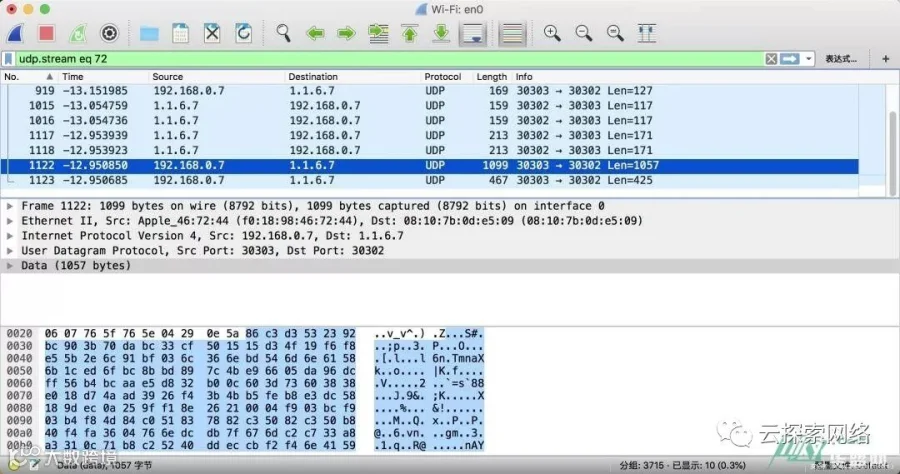
成功将UDP流量放大5倍反射到1.1.6.7
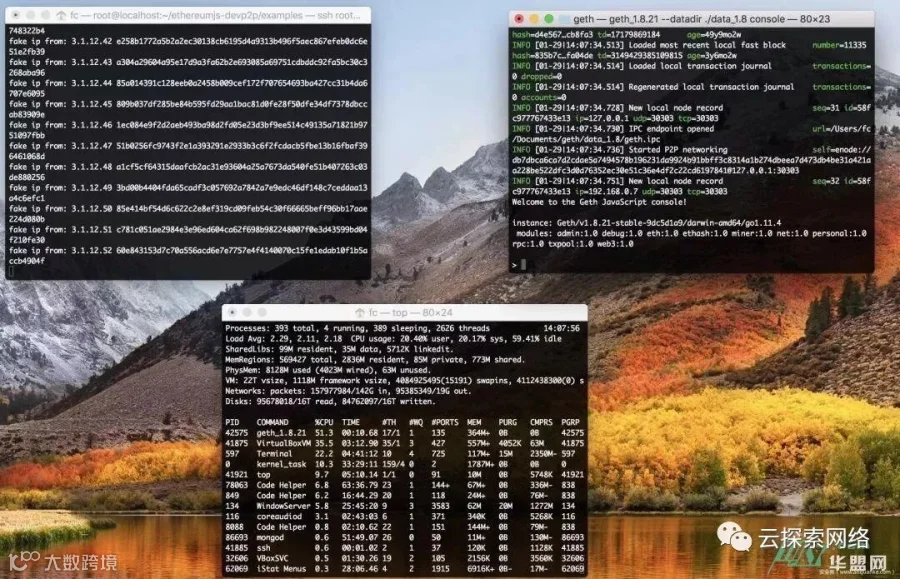
单个虚拟机测试,CPU占用率轻松达到50%
屏蔽受害节点无法发现指定网段节点:
文章来源:安全客