

China‘s Jiangsu Province is renowned for its beautiful and historical towns that lie in the Yangtze River Delta, made up of an interlinking and crisscrossing of canals, rivers and lakes.
Jiangsu is blessed with many charming water towns, which are representative of classical Chinese gardens. Most of them are available for a day trip from Shanghai, Suzhou and Hangzhou or make good weekend excursions.
The most beautiful seasons at these towns are spring and autumn, and the morning and the nightfall are the most charming times of the day.
Located on the southern shore of beautiful Lake Baixian lies Zhouzhuang. This bustling water town has been an important landmark since the 12th century, as its connection with the Grand Canal provided an important link between the town and industrial settlements. A place which has a magnetic effect on writers, poets and artists due to the perfect preservation of the ancient Wu culture, Zhouzhuang is renowned for charming architecture and folk customs. The ancient Milou and Quanfu Temples lie inside the scenic Nanhu Gardens, which is surrounded by a working moat.
Zhouzhuang is one of the few places in the world where local fishermen still practice bird fishing. Cormorants are trained to work in tandem with the fishermen to catch especially large fish such as hairtails, a spectacle that’s been documented by National Geographic Television. Seeing is believing, however, and special tours are available to witness this marvel in person.
This water town also has a thriving festival culture, which includes the popular Fast Boat Race, held annually to celebrate the harvest and marriages of late autumn. Each locally constructed boat has a 15 man team, and attracts large crowds year after year.
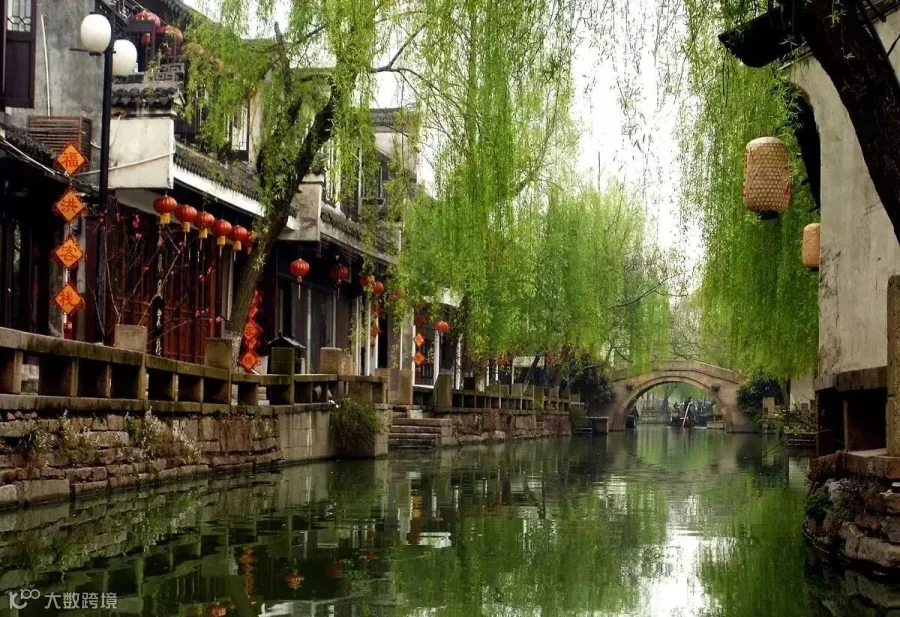
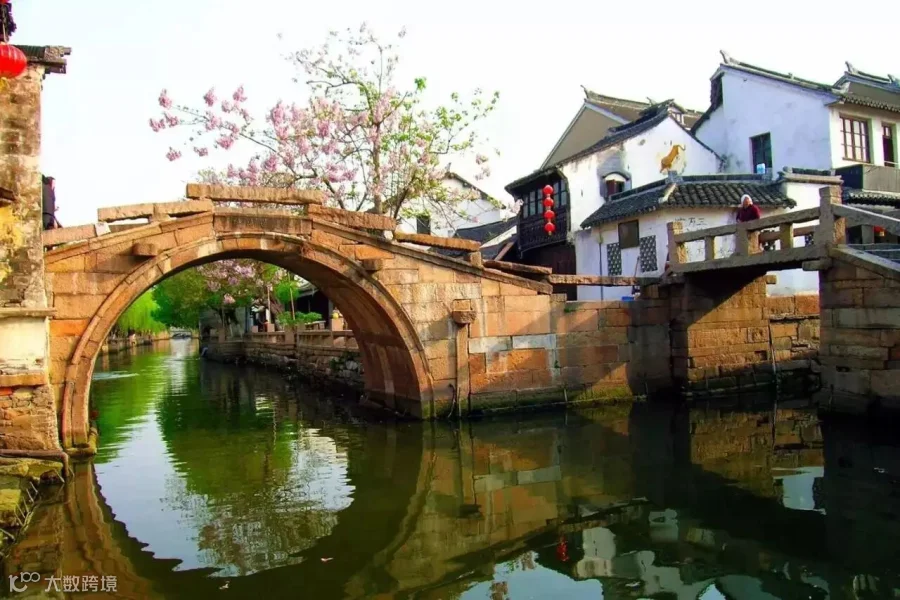
The city of Tong li is situated between Lake Tai and Shanghai. Tongli is surrounded by five lakes: Jiuli, Nanxing, Pangshan, Yeze and, of course, Lake Tongli, and is crisscrossed by a network of canals that are fed by the confluence of three rivers. Fishermen of Tongli fish the lakes here using cormorants, an ancient and effective custom that has been the subject of a program on National Geographic Magazine's TV channel. Most of the buildings in Tongli are situated along the waterways.
There are numerous rivers and canals, 40 stone arch bridges and countless buildings in Tongli that date from the Ming and Qing Dynasty period, and, as well, many famous Chinese artists and members of the literati of the same period made Tongli their home. The city is famous for its "flowing water and small bridges and houses", it's essence having once been captured in the following characterization: "one garden, two halls and three bridges. The most unique thing about Tongli is that it is built across a wide stretch at the confluence of three rivers, where there are a number of small islands, all of which are interlinked – and linked to the part of the city on the river's banks, via stone arch bridges. Because the bridges cross three rivers, they are called ternate bridges.
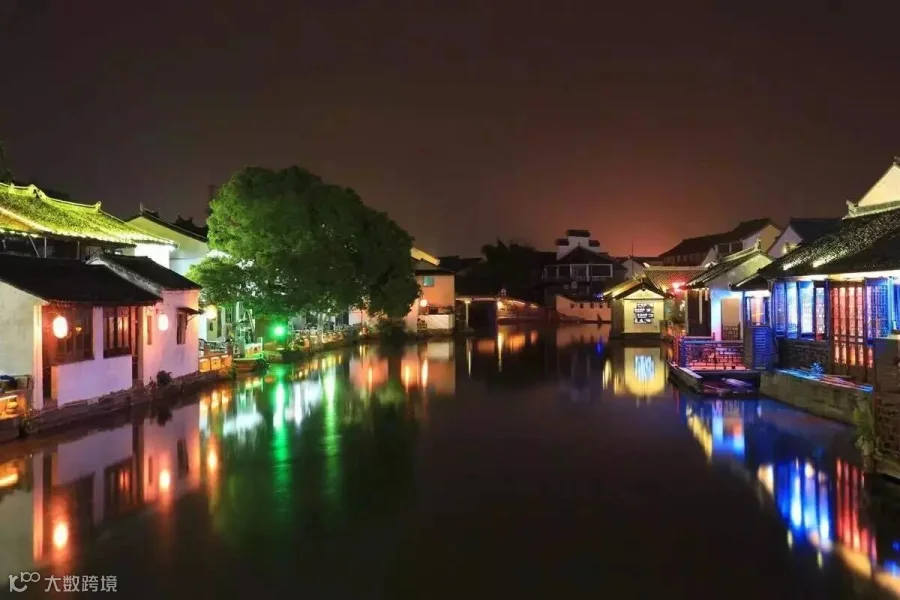
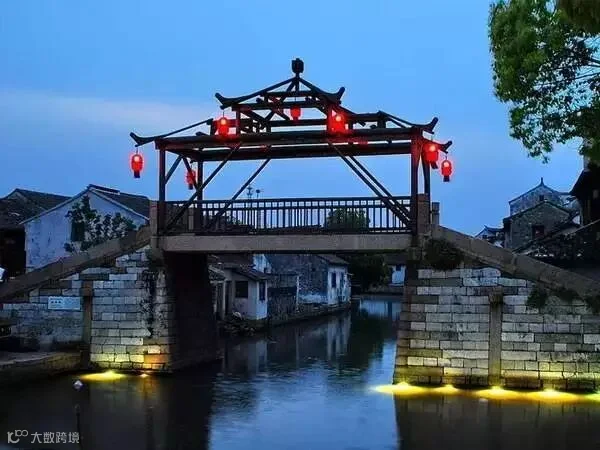
Well deserved the reputation as a simple and tranquil water town, Luzhi Water Town impresses visitors with clear water, peaceful environment, idyllic scenery, and the historical sites that are spread all over the town.
Although many of the historical sites have experienced more than their fair share of hardships over the course of history, they still remain in very good shape. The Baosheng Temple, built in 503 AD, is an ancient temple with a history of over 1500 years. It is home to nine well preserved Buddhist clay sculptures made in Tang Dynasty, some 1000 years ago.
The ancient streets, houses, and alleys are of their own characteristics. There are nine main streets in the town which are all paved with cobble and granite. The houses are built beside the river, and the streets run in front of the houses. Since most houses were built during the Ming and Qing Dynasties, there are also beautiful decorative patterns on the walls. There are 58 lanes in the town, the longest of which is 150 meters (492 ft.) long. For some houses to enter you first have to pass through as many as seven separate gates.
Guangfu Water Town is located at the foot of Dengwei Mountain, 25 kilometers to Suzhou city. Most of its famous tourist destinations are with long history and are famous resorts in the ancient time. It is said that imperial Qianlong in Qing dynasty had been there for many times for appreciating the ancient temples and trees.
During late winter and early spring the plum trees which cover the slopes of the Dengwai mountain and large areas of the town blossom, covering the place in a sea of purple and white flowers.
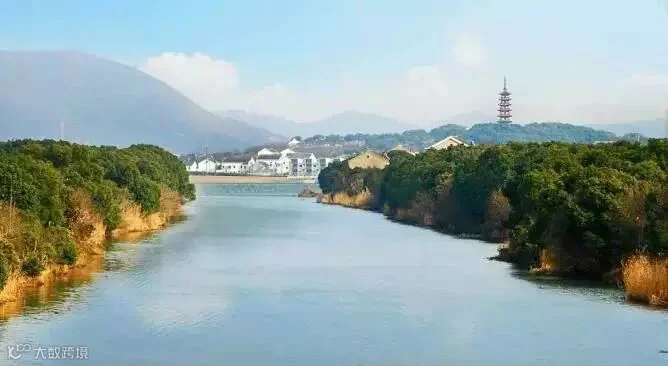
Mudu lies to the West of Suzhou and is famous for its working Buddhist temple, the Mingyue Temple, which has had to be largely reconstructed since the Cultural Revolution to its 10th century glory.
Mudu Water Town is located 10 kilometers to the southwest of the Suzhou. It now covers about 34.5 square kilometers. With a history of more than 2,500 years, Mudu has witnessed the rise and fall of many dynasties and it is also endowed with plentiful cultural connotations. Mudu is a traditional town and has typical landscape gardens, small rivers and bridges.
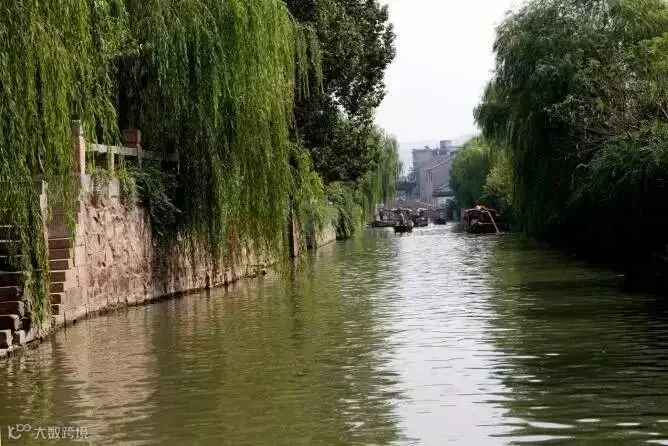
Nanxun Ancient Town, known as the ‘the land of fish and rice’ and ‘silk market’, is a charming tourist destination. A large number of ancient houses, gardens and other ancient buildings are well preserved, such as the famous garden - Little Lotus Garden, the famous private library – Jia Ye Tang, the One-Hundred Residential Houses of the Ming Dynasty (1368-1644), the famous Yangtze River mansion - Zhang Shiming’s Former Residence, etc. Bridges running over rippling rivers, white walls and dancing green willows form an authentic landscape. The harmony and unity between culture and natural scenery as well as the combination of Chinese antiquity and western architecture, make the town fascinating.
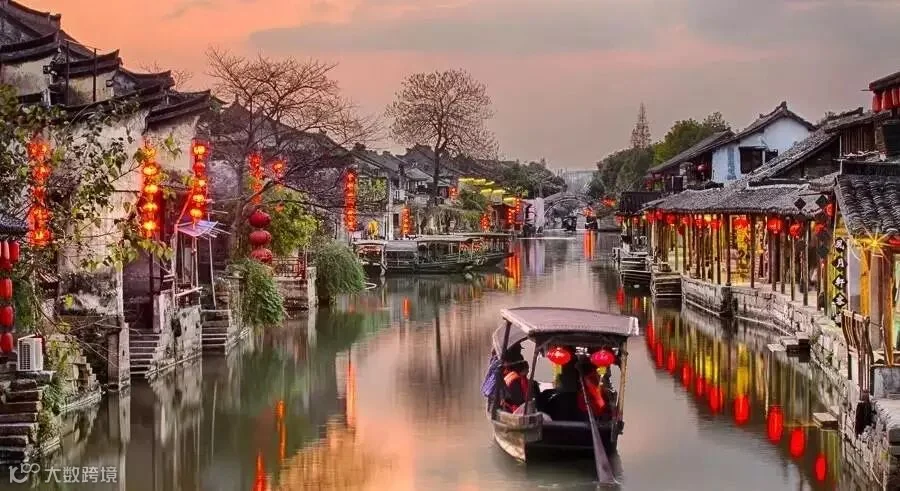
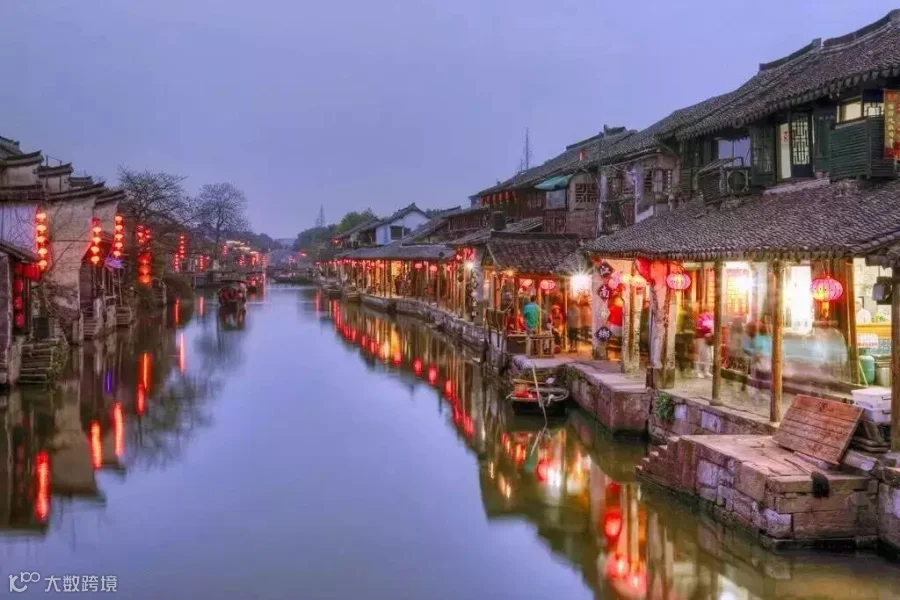
Xitang Water Town is a beautiful town that seems like a completely different world from the hustle and bustle of nearby Shanghai. Cobbled streets, old bauildings, bridges arching over canals, rowing boats lingering on the river, and locals singing folk songs are the features of Xitang, a charming, ancient water town. Mornings in Xitang bring fresh air and light fog; during the evening, the setting sun casts a rosy glow on the old tiled roofs.

Foreign-Related Marriage and Divorce In China
China's Restrictions on Foreign Travel
China's New Foreigner Work Permit System
China's colorful bike - Have you tried bike sharing