

Can’t believe there’s another 7-day holiday other than the National Day holiday, right? But yes, there is!
According to related regulations, there will be 4 days of holiday during the 2016 Eid al-Adha. In the case of this year, the Eid al-Adha and the Mid-autumn Festival will be on the same day.
So, while the rest of Chinese citizens can only enjoy 3 days of Mid-autumn holiday, people in the Ningxia Hui Autonomous Region and the Xinjiang Uygur Autonomous Region can enjoy 7 days of holiday altogether!
So, why is this Eid al-Adha so important that it can bring such a long holiday? Well, there’s a story behind it.
The story is about Ibrahim, an ancient prophet in Islam.
Ibrahim didn’t have any child even when he was getting old. So he prayed to Allah that if Allah could give him a child, he would offer that child to Allah. Then, his wife did bear him a son. After his son had become a grown-up, Ibrahim had dreams about Allah urging him to fulfill his promise.
So, having told his son that promise, Ibrahim took him to a valley, and was going to kill him and offer him to Allah. Demons came several times and instigated him to escape, but he wouldn’t change his mind at all.
The moment when Ibrahim was about to raise his sword, however, Angel Jibreel appeared, and ,on Allah’s order, brought a black-headed ram,which was to be offered as a substitute sacrifice. Allah said that Ibrahim had kept his promise, so he would love to reward such a kind, loyal man.
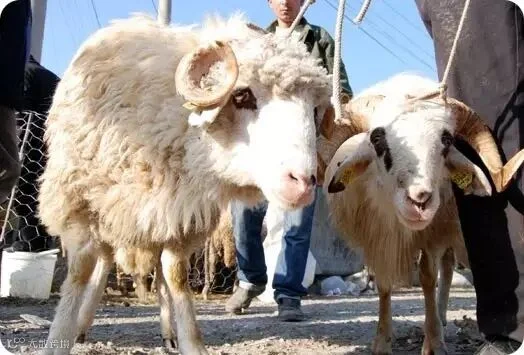
“To commemorate this gesture of mercy, Muhammad decided to make December 10th (on the Islamic calendar) the Eid al-Adha, also known as “Sacrifice Festival” or "Al Adha Feast, in 663. And during this festival, people would offer livestock as a sacrifice to Allah, to whom they wish to get closer”
Although the ways in which the Eid al-Adha is celebrated may vary slightly by region, there will always be the following rites and events in any region.
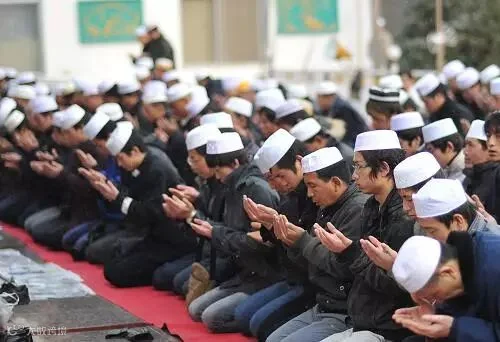
On the first day of the festival, people will take a bath, dress up and go to the local mosques to take part in the community worship at sunrise. During the worship, they chant the Quran in memory of the ancient prophets and sages. And everyone should fast for half a day until the end of the worship.
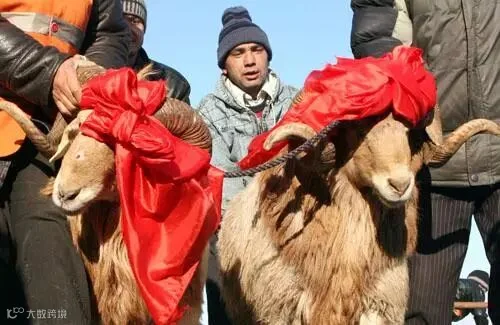
After the worship, they go back home and slay livestock. The breeds of livestock may range from cattle, sheep to horses and camels, based on the financial condition of each family. Those who cannot afford the slaughter can be exempt from this rite. The livestock meat is usually divided into 3 parts: one for family members, one for relatives and friends, and the rest for the poor.
The core value of the Eid al-Adha is to celebrate the magnificent mercy of Allah. Besides traditional worship and livestock slaughter, there are many other celebrations as well. Before Eid al-Adha, housewives will get busy making festival desserts and dishes so as to treat relatives and friends who’ll come to their houses during the festival.

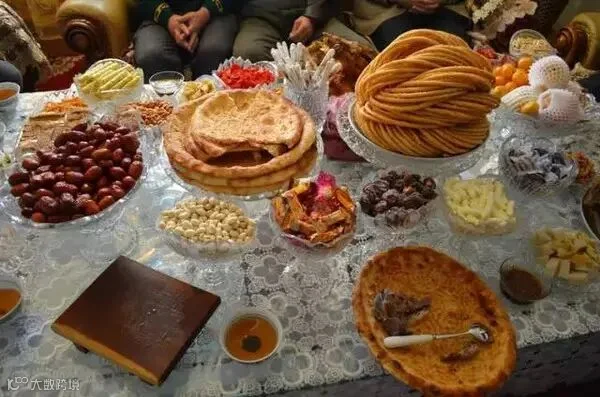

During Eid al-Adha, people will also have many fun activities, such as dancing, singing, and dinner parties. Some will go to the imam’s home and bow, kowtow, chant the Quran, and eat fried cakes there. And then they will visit the graves of their ancestors and deceased loved ones.
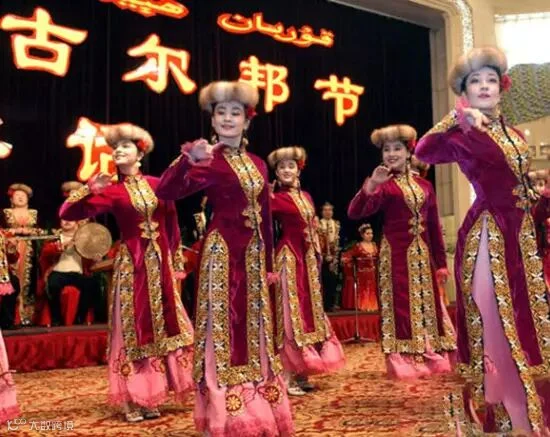
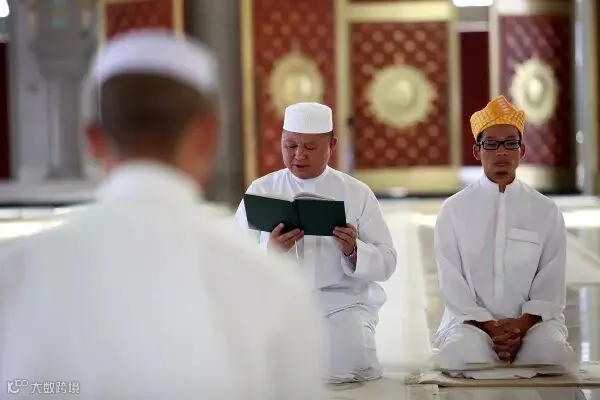
For Muslims, the Eid al-Adha is a grand and important event. Many will plan to participate in it before it comes. Through all those rites and celebrations, this traditional festival keeps telling Muslims the importance of kindness and solidarity, which should be valued by all, regardless of race, nation or belief.
Above all,
Eid al-Adha Mubarak!
Pics from the internet
Original edited by HACOS,
please indicate the resoure before repost.
HACOS,Business Services Solutions Master