
In India, if buyer does not make payments for picking up goods in port, goods will be allowed to be kept in Customs warehouses for only 30 days at most. Otherwise, if there is no application of postponed Customs clearance after 30 days, goods will be sold at auction by Customs.
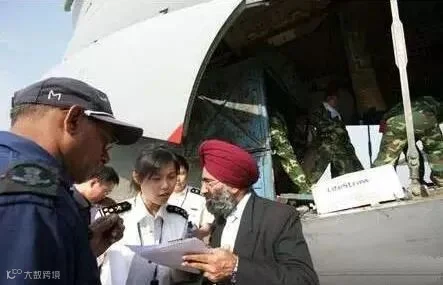
Or, if the exporter wants to withdraw the goods, No Objection Certificate must be signed by the buyer and submitted to Customs.
So, for exporters who often export goods to India, what should they pay attention to?
No payment?
Grave consequence!
If Indian buyers rejects goods and refuses to provide provable certificates, the exporter will have no way to resell or withdraw demurrage commodities, which may lead to great loss to the exporter.

Considering big difficulties for exporters to deal with refusal cargoes, parts of local companies ask exporters for discounts by trying to refuse accepting goods.
Worse still, some of them even do not pick up goods in time deliberately, but intend to get those demurrage commodities from Customs auction with a much lower price.
Exporters will suffer from
great loss in such cases!
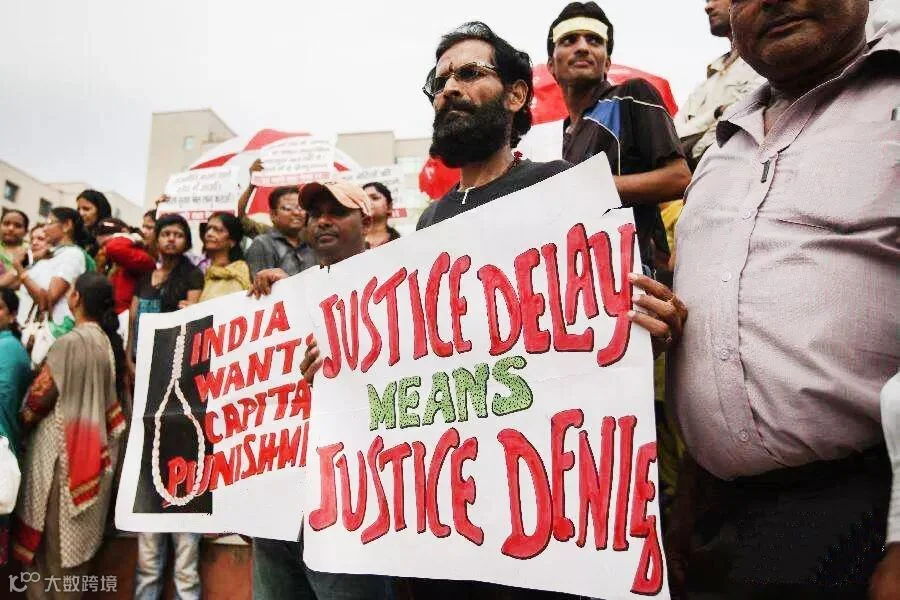
How about legal recourse? Can exporters seek for legal aid to make up for their losses? The truth is, sometimes, 7 to 10 years are needed to hear a case under Indian judicial system. Well, unbearable time cost!
How to deal with it?
Actually, there are 2 ways to deal with delayed payments according to Indian laws.

❶ The exporters has right to submit compulsory liquidation motion to the Indian court;
❷ If the buyer still gives no response 60 days after receiving court summons, the buyer’s assets will be auctioned as the compensation of debts.
Moreover, in such ways, the exporter can judge whether the buyer delays payment on purpose and prevent the buyer from transferring assets.
Tips for exporting to India

❶ For goods in shipment but do not reach to the port:
Don’s worry, just remember to keep in touch with your buyer.
❷ For goods in shipment but their payments remain unsettled:
Collect on unpaid bills timely. And ask the buyer for relevant receipts in time if the payment is finished via L/C.
❸ For goods about to be delivered:
Try to settle all payments before delivery. Make sure it is safe to deliver goods and remember “no payment, then no delivery”.
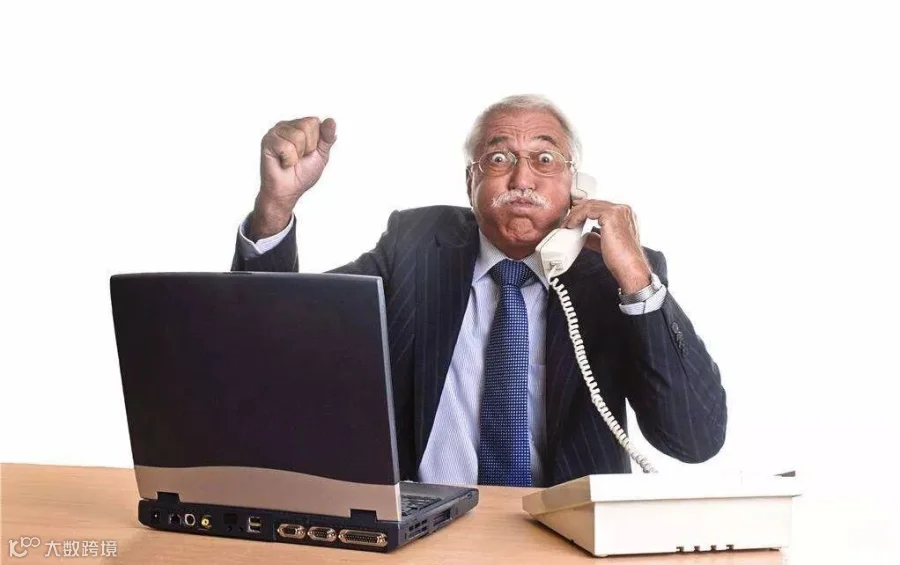
So, the exporter should keep close contact with the buyer, pay more attention to Indian markets, information of shipping companies, freight forwarders and Indian Customs.
How to withdraw goods?
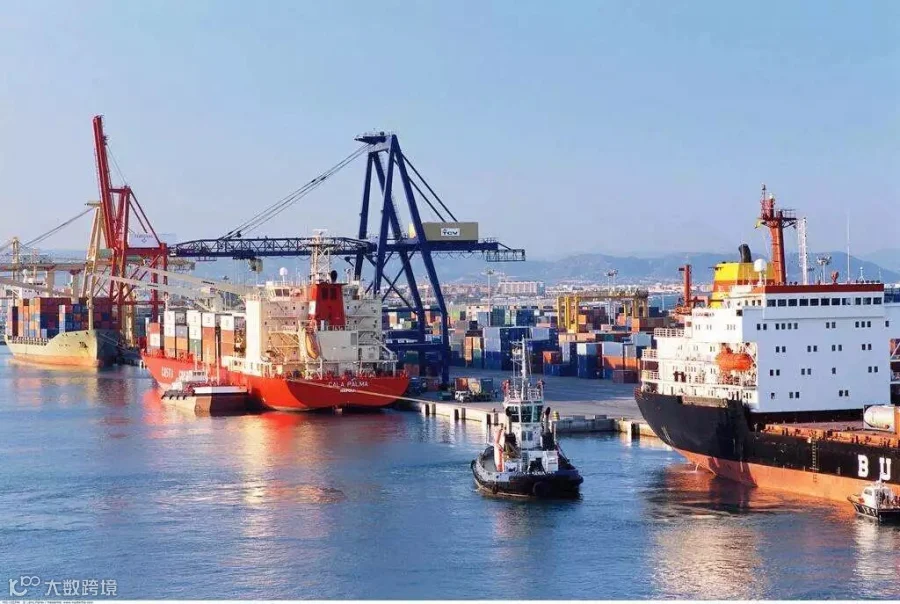
Before withdrawing goods, the exporter needs to submit supportive refund documents including No Objection Certificate, Delivery Order and Correspondence of Return, and finish payments of port storage charges and commission fees.
What if the buyer refuses to
provide No Objection Certificate?
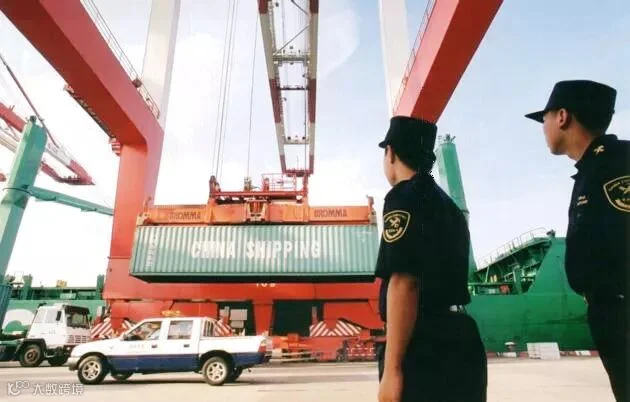
The exporter can also apply for withdrawing goods directly from Indian Customs by supportive documents, including Correspondence of Payment Refusal issued by the buyer, bank or freight forwarder, Correspondence of Returning Goods from the exporter and relevant Delivery Order.
If goods have been picked up by the buyer but the exporter wants to withdraw goods because of dissatisfied product quality, 80% to 90% of the paid import tariff can be refunded as well.

For more shipping and logistics information, welcome to follow HACOSLogistics! Thanks for your support!

HACOS,Business Services Solutions Master