


一位两人律所的律师,如何用 AI 对抗上百人的大型律所
原文作者:Zack Shapiro (@zackbshapiro)
原文链接:The Claude-Native Law Firm
译者:满哥|译境框架
满哥按
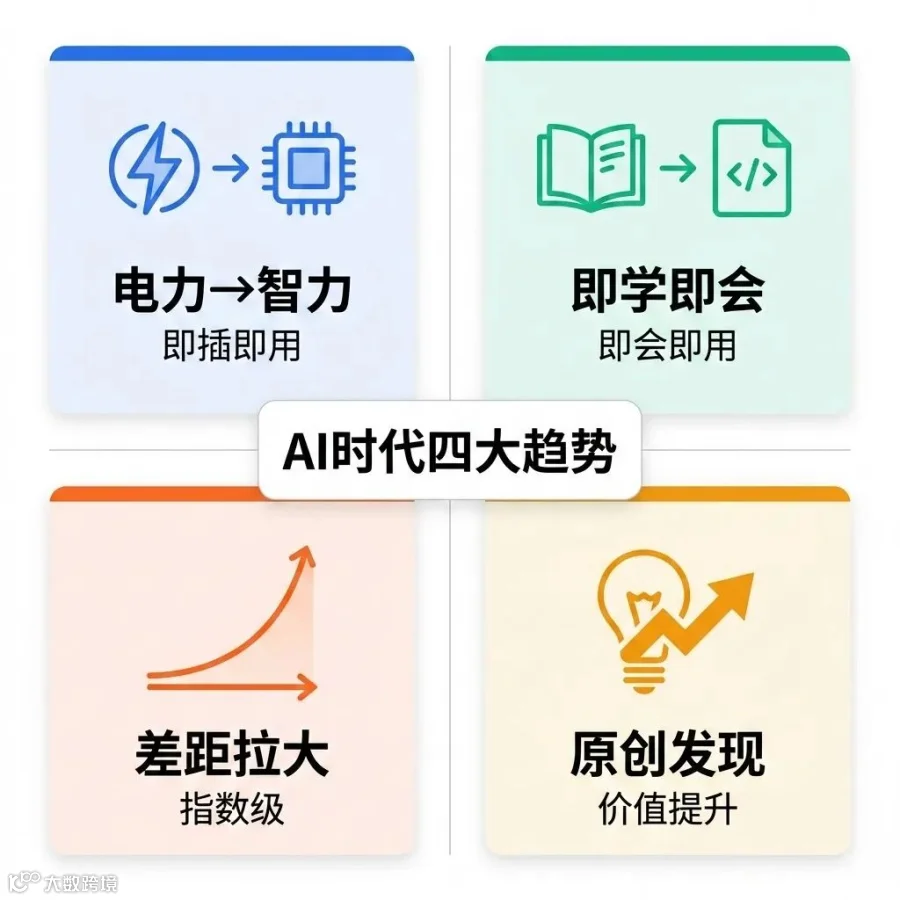
读完这篇文章,有几个强烈的感受:
AI 已经实现将电力转化为智力,即插即用。 Zack 的律所只有两个人,但他把十年执业经验编码成了六个"技能文件",装进 Claude,从此每一次合同审查、每一封客户邮件、每一份法律研究,都自动调用他积累的全部判断力。电力驱动芯片,芯片运行智力,智力即时输出成果——这个链条已经跑通了。
AI 彻底改变了学习方法。 过去,一个律所新人需要三到五年才能内化合伙人的工作方法。现在,一份技能文件装到电脑上,第一稿就能用。Claude Code、OpenClaw 这类工具已经做到即学即会、即会即用。学习的瓶颈从"记住知识"变成了"编码判断力"。
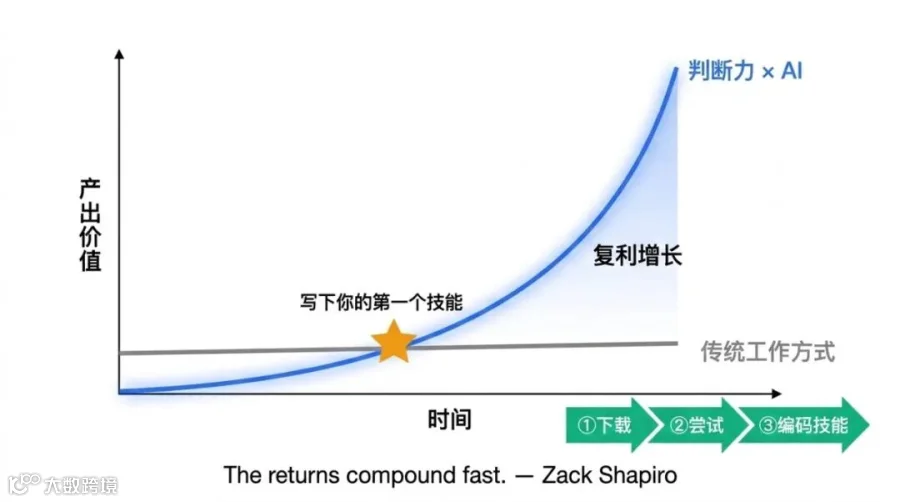
对人的要求反而更高了。 当 AI 能帮每个人写出 80 分的合同、80 分的研究备忘录,决定胜负的就是那 20 分的判断力——什么该争什么该放,什么是真问题什么是假问题。用 AI 和不用 AI 的差距,将进一步指数级拉大。
人类原创发现的价值将进一步提升。 AI 能分析、能综合、能执行,但它不能"第一个发现"。Zack 在深夜谈判中发现买方自相矛盾的那个瞬间,AI 做了检索和比对,但"这个矛盾意味着什么、该怎么利用它"——这是人的判断。越是 AI 能做执行的时代,人的洞见和原创发现越值钱。
以下是全文英中对照译文。
I. The Claude-Native Law Firm
开局:一场深夜谈判
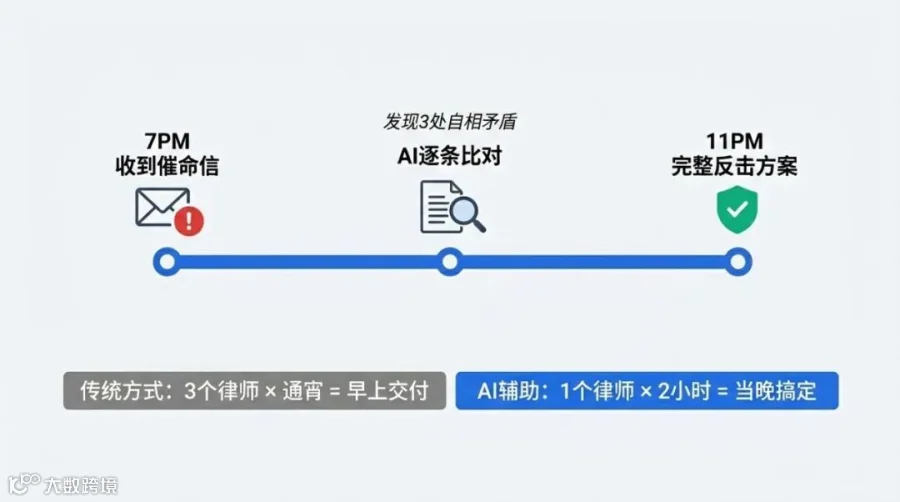
A few months ago, the night before a client's acquisition was set to close, the buyer's counsel sent a letter demanding that several key deal terms be restructured. New escrow conditions. Expanded indemnification carve-outs. A revised set of closing deliverables. The implicit threat: accept these changes or we walk. It was 7 PM.
几个月前,客户收购案交割的前一天晚上,买方律师发来一封信,要求重新调整几个关键条款。新的托管条件,扩大的赔偿豁免范围,修改后的交割清单。话外之音很明确:要么接受,要么我们退出。那时候,晚上七点。
I uploaded the purchase agreement, the disclosure schedules, and the demand letter to Claude. Within minutes, Claude mapped every proposed change against the existing deal terms and found what the buyer's lawyers apparently hadn't noticed: two of their proposed carve-outs directly contradicted representations they had already confirmed in the disclosure schedules, and a third would have created an internal conflict with the fundamental reps section that would have actually weakened the buyer's own post-closing protections. Their aggressive last-minute play had holes in it.
我把收购协议、披露附表和这封催命信一起上传给了 Claude。几分钟内,Claude 把每一条拟议修改与现有条款逐一比对,找到了买方律师自己没发现的东西:他们提出的豁免条款中,有两条直接跟他们在披露附表里已经确认的陈述相矛盾,第三条还会跟基础陈述条款产生内部冲突——反而会削弱买方自己的交割后保护。他们的临门一脚,自己踢漏了。
As the negotiation continued through the evening with emails going back and forth, I fed each new communication to Claude. It tracked how every proposed concession interacted with provisions across the agreement, flagged where accepting one change would create exposure in another section, and helped me build a response that conceded the points worth conceding and held firm on the ones that mattered. By 11 PM we had a clean set of counter-positions, each grounded in specific cross-references to the buyer's own language. The deal closed the next morning on terms my client was happy with.
整个晚上邮件你来我往,每一封新邮件我都喂给 Claude。它追踪每一项拟议让步会如何牵动协议中的其他条款,标记出接受某处修改会在别处埋下隐患,帮我构建了一套回应方案——该让的让,该守的守。到晚上十一点,我们手上有了一整套反击方案,每一点都有买方自己措辞的交叉引用做支撑。第二天早上,交易顺利交割,条件让我的客户很满意。
A team of three associates at a mid-size firm would have needed until morning to produce that analysis. I had the core of it in under two hours.
一家中型所派三个律师做这个分析,大概要通宵。我不到两个小时搞定了核心部分。
II. 两个人的律所
I run a two-person boutique law firm. We handle startup formation, venture capital transactions, and regulatory work. We compete against firms with hundreds and sometimes thousands of lawyers. We are not supposed to be able to do this.
我经营一家两人精品律所。业务涵盖初创企业组建、风投交易和监管合规。我们的对手是几百人甚至上千人的大所。按理说,我们不该有能力做到这些。
But the past year has made something clear: a small firm built around AI doesn't just keep up with larger competitors. It moves faster, produces more thorough work product, and operates at a cost structure that would have been impossible 18 months ago.
但过去一年证明了一件事:围绕 AI 构建的小型律所,不仅能跟上大所的步伐,还能更快、更细致,而且成本结构在一年半前根本不敢想。
The tool I've built my practice around is Claude, made by Anthropic. This piece is an explanation of how I actually use it, every day, for real legal work. Not the theory. The workflow.
我围绕 Claude 构建了整个执业体系。这篇文章讲的是我每天实际怎么用它做真正的法律工作。不讲理论,只讲流程。
III. Why Claude, Not "Legal AI"
为什么选通用 AI,不选法律专用 AI
The market is full of specialized legal AI products. Harvey, Spellbook, CoCounsel, Luminance. They all share a thesis: lawyers need AI built specifically for legal work. I've evaluated most of them. For a small firm practitioner, a well-configured general-purpose AI is better. It's not close.
市面上到处是法律专用 AI 产品。Harvey、Spellbook、CoCounsel、Luminance。它们有一个共同论点:律师需要专门为法律工作打造的 AI。这些产品我几乎都评估过了。对小所从业者来说,一个配置得当的通用 AI 更好。而且不是好一点。
The specialized products are wrappers built on top of the same foundation models that power the general-purpose tools. Their marketing pitch sounds compelling: we'll customize the AI to your firm's playbook, train it on your templates, build workflows around your brief bank or clause library. Some of them do this reasonably well. But the pitch contains a fundamental misunderstanding of where the value actually lives.
这些专用产品,本质上是套了一层壳,底下用的是同样的基础模型。它们的卖点听起来很诱人:我们帮你按律所手册定制 AI,用你的模板训练它,围绕你的案例库和条款库搭建工作流。有些确实做得不错。但这个卖点藏着一个根本性的误判——价值到底在哪里。
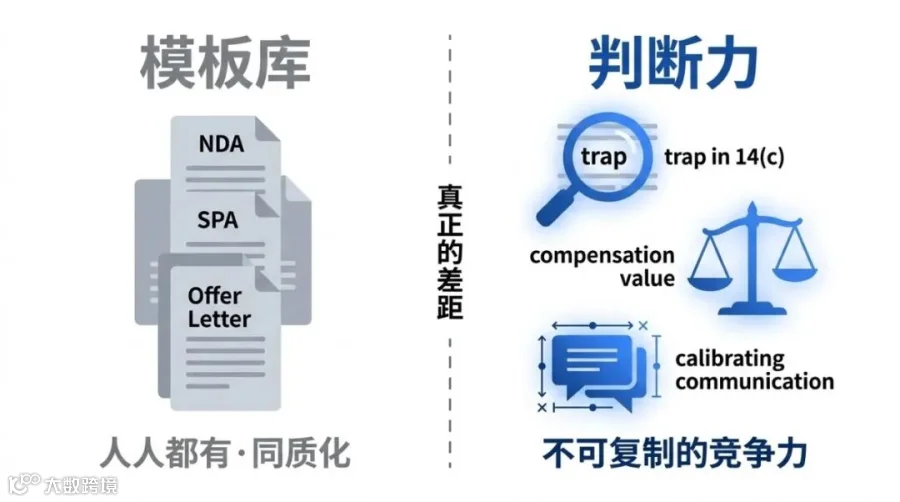
A template library is not a competitive advantage. Every competent firm in your practice area has roughly the same templates. The NDA, the stock purchase agreement, the employment offer letter. These are commodity inputs. The thing that differentiates a great lawyer from a mediocre one was never the template. It was what the lawyer did with the template: how they spotted the issue the other side buried in Section 14(c), how they knew which indemnification fight was worth having and which to concede, how they structured the advice email so the client actually understood the risk. That is judgment. And judgment doesn't live at the firm level. It lives at the level of the individual professional.
模板库不是竞争优势。同领域的合格律所,手里的模板大同小异。保密协议、股权收购协议、录用通知书——这些都是标准化原料。区分好律师和平庸律师的,从来不是模板本身,而是律师拿模板做了什么:怎么发现对方埋在第 14(c) 条里的陷阱,怎么判断哪场赔偿之争值得打、哪场该放手,怎么把建议邮件写得让客户真正理解风险。这就是判断力。而判断力不属于律所,它属于每一个独立的专业人。
When legal AI companies talk about customizing AI to a firm's playbook, they are solving a problem that barely matters and ignoring the one that does. The real leverage comes not from which template the AI starts with, but from the instructions that tell it how to think about the work.
法律 AI 公司说要按律所手册定制 AI,解决的是一个无关紧要的问题,真正重要的问题被忽略了。真正的杠杆不在于 AI 从哪个模板出发,而在于那些告诉它如何思考工作的指令。
Those instructions encode an individual lawyer's judgment, not a firm's template library. And that is exactly what Claude's skill system is built to do.
这些指令编码的是一个律师个人的判断力,而非律所的模板库。这恰恰就是 Claude 技能系统的设计初衷。
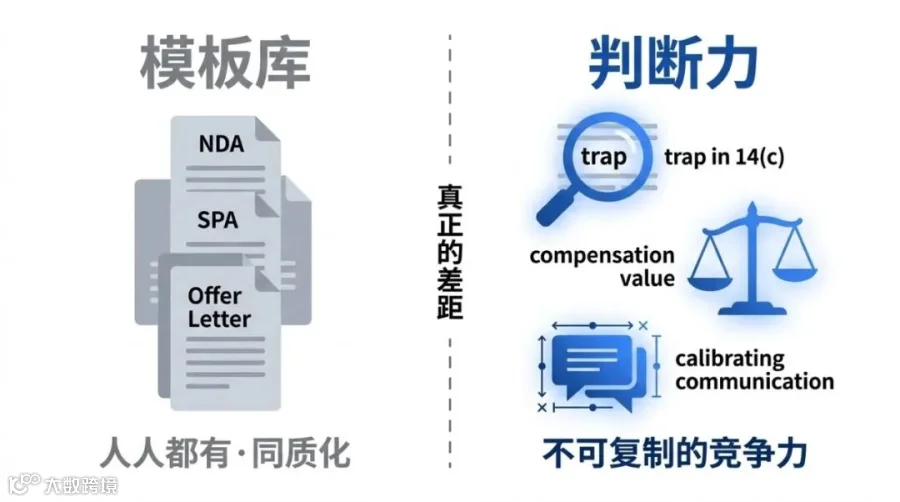
I've created custom instruction files, called "skills," that encode my analytical frameworks, my preferred formats, my voice, and my judgment about how specific types of legal work should be done. When I upload a contract for review, Claude doesn't apply a generic framework. It doesn't even apply my firm's framework. It applies my framework, the one I've developed over a decade of practice, automatically. The difference between a firm playbook and an individual lawyer's encoded judgment is the difference between giving someone a recipe and teaching them how to cook.
我创建了一套自定义指令文件,叫做"技能",把我的分析框架、偏好的格式、我的语气、以及我对各类法律工作应该怎么做的判断,全部编码了进去。当我上传一份合同要审查时,Claude 不会套用通用框架,甚至不会套用我律所的框架。它套用的是我的框架——我用十年执业经验打磨出来的那一套,而且是自动的。律所手册和个人判断力编码的区别,就像给人一张食谱和教人做菜的区别。
IV. Claude 不只是在"谈论"文件
There's a more fundamental issue, and it's the one that will matter most to anyone who has spent their career inside Microsoft Word. Claude is a frontier AI model that has been heavily optimized for writing code. That may sound irrelevant to legal practice until you realize what it means: Claude can write code, on the fly, to directly manipulate the applications lawyers already use.
还有一个更根本的事。对整个职业生涯都泡在 Word 里的人来说,这一条才最要命。Claude 是一个重度优化了代码写作能力的前沿 AI 模型。这听起来跟法律工作没什么关系——直到你想明白它意味着什么:Claude 可以临场写代码,直接操控律师日常使用的软件。
Think about what this means concretely. Every lawyer reading this has lost hours to Word formatting. Paragraph numbering that breaks when you paste from another document. Styles that refuse to cooperate. Track changes that corrupt across versions. Cross-references that go stale. Bluebook citation formatting that requires manual attention on every single period and comma. These are not legal problems. They are software problems. And Claude solves software problems by writing software.
想想这具体意味着什么。读到这里的每一位律师,都在 Word 排版上浪费过无数小时。从别的文件粘贴过来段落编号就乱了。样式怎么都不听话。修订标记跨版本就损坏。交叉引用过时失效。蓝皮书引用格式要求你一个句号一个逗号地手动调整。这些不是法律问题。这些是软件问题。而 Claude 解决软件问题的方式——是写软件。
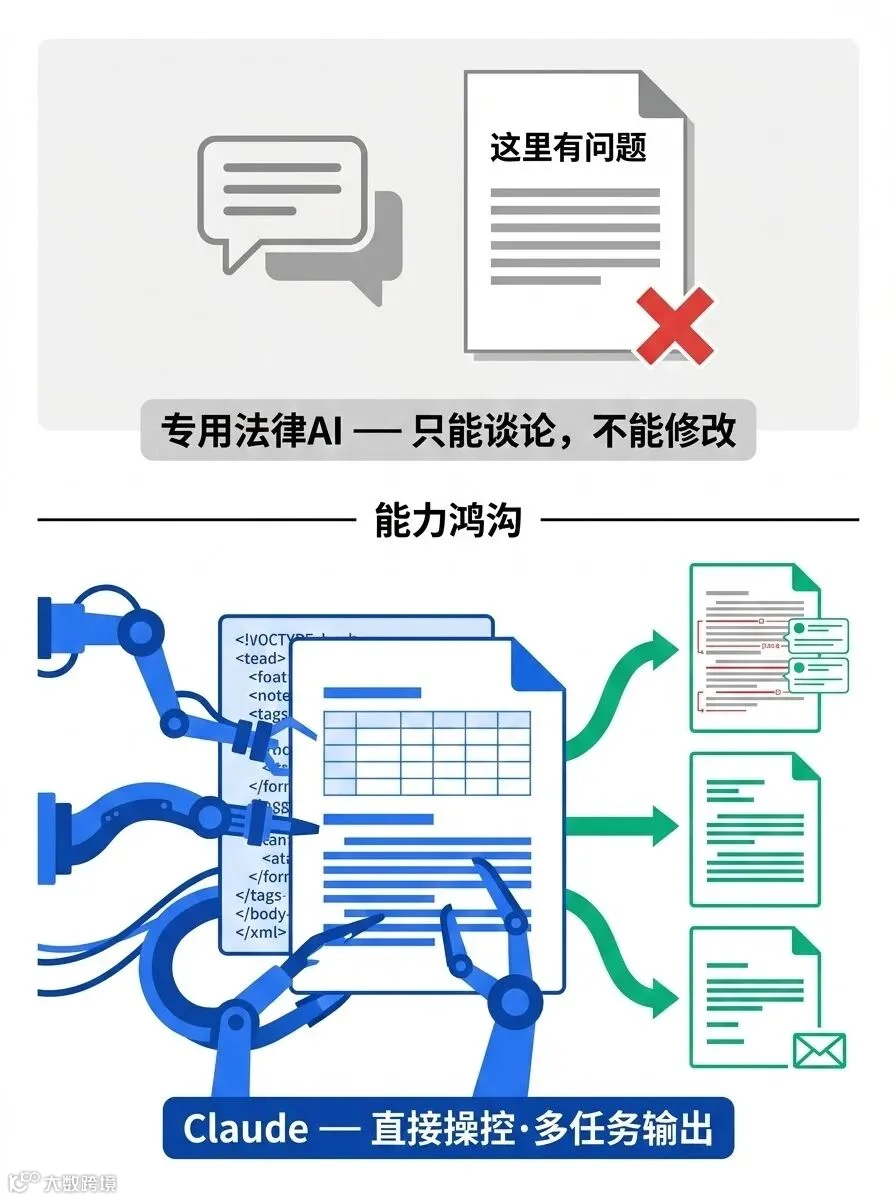
When I tell Claude to apply tracked changes to a contract, it doesn't use a plugin or a macro. It opens the .docx file at the XML level and writes the exact markup that Microsoft Word expects, attributed to my name, preserving every formatting detail.
当我让 Claude 给合同加上修订标记时,它不靠插件也不靠宏。它在 XML 层直接打开 .docx 文件,写入 Word 期望的精确标记,署我的名字,保留每一个格式细节。
This is the capability gap that no specialized legal AI product can match. They give you a chatbot that talks about documents. Claude is a system that can reach inside those documents and change them. It is the difference between an associate who can tell you what's wrong with a contract and an associate who can also fix it, format it, produce the redline, and draft the cover email, all without you opening a single application.
这就是没有任何法律专用 AI 产品能追上的能力差距。它们给你一个能"谈论"文件的聊天机器人。Claude 是一个能伸手进文件里去改的系统。这就像一个律师助理只会告诉你合同哪里有问题,而另一个还能帮你改好、排好版、出红线稿、起草客户邮件——全程你不用打开任何一个软件。
General-purpose AI advances faster than any vertical product can keep up with. When you're on the frontier model, every new capability ships to you on day one. When you're on a wrapper, you're waiting for someone else's engineering team to decide what to build next.
通用 AI 的进化速度比任何垂直产品都快。站在前沿模型上,每一个新能力第一天就到你手里。站在壳子上,你在等别人的工程团队决定下一步做什么。
I'm describing my own practice here, which is transactional. But nothing about the architecture is practice-specific. A litigator would build skills for deposition preparation, motion drafting, case law synthesis, and discovery review. A tax lawyer would build skills for entity structuring, opinion letter frameworks, and regulatory monitoring. A family lawyer would build skills for asset tracing and custody analysis. The approach is the same: take a powerful general model, teach it your practice, and let it compound your judgment. The content is yours.
我讲的是我自己的交易类业务。但这套架构不限于任何执业领域。诉讼律师会针对证人准备、动议起草、判例综合、证据审查来搭建技能。税务律师会围绕实体架构、意见书框架、监管跟踪来搭建。家事律师会围绕资产追踪和抚养权分析来搭建。方法一样:拿一个强大的通用模型,教它你的专业,让它复利增值你的判断力。内容是你的。
V. Three Modes
三种模式
Claude's desktop app has three modes. Learning when to use each one was the single most important step in making this work.
Claude 桌面应用有三种模式。学会什么时候用哪种,是让这一切跑起来最关键的一步。
Chat is the conversational interface. I talk to Claude the way I'd talk to a fast, knowledgeable associate sitting across the table.
Chat 是对话界面。我跟 Claude 聊天就像跟一个反应快、知识扎实的助手面对面谈。
Cowork is the autonomous mode, and it's the one that changes everything. I point Claude at a folder on my computer, give it a task, and it goes and does it.
Cowork 是自主模式,也是颠覆一切的那个。我把 Claude 指向电脑上的一个文件夹,交给它任务,它就自己去干了。
Code is the development mode. Full terminal access. Most lawyers don't need it daily. But I have a condition that makes it hard to read long documents, so I used Code to build a command-line tool that converts legal documents into spoken audio. I listen to contracts on my commute now. Claude built the whole thing.
Code 是开发模式。完整的终端权限。大部分律师不需要每天用。但我有阅读困难,所以用 Code 模式让 Claude 写了一个命令行工具,把法律文件转成语音。我现在通勤路上听合同。整个工具都是 Claude 写的。
VI. Teaching Claude Your Practice
教 Claude 你的执业方式
Anthropic published a guide on building custom "skills" for Claude: structured instruction files that teach it how to behave in a specific context. Not a prompt you type every time. A persistent set of instructions that fires automatically when the situation calls for it.
Anthropic 发布了一份定制"技能"指南:结构化的指令文件,教 Claude 在特定场景下如何行动。不是每次都要敲的提示词,而是一套常驻指令,场景触发时自动运行。
Instead of reading the guide cover to cover, I uploaded it to Claude and asked a better question: based on the hundreds of conversations we've had together, spanning contract drafting, client emails, document editing, legal research, and policy writing, what are the skills that would have the greatest impact on my practice?
我没有从头读完指南,而是把它上传给 Claude,问了一个更好的问题:根据我们几百次的对话——涵盖合同起草、客户邮件、文件编辑、法律研究和政策写作——什么样的技能对我的执业帮助最大?
Claude analyzed months of our work and identified the patterns: which tasks I repeated most, where the friction was highest, where structured automation could save the most time. The skills it recommended weren't generic. They were specific to how I actually work.
Claude 分析了我们几个月的工作,找到了规律:哪些任务我重复最多,哪里卡得最厉害,哪里用结构化自动化能省最多时间。它推荐的技能不是通用的,而是针对我实际工作方式的。
By the end I had six production-ready skills bundled into a single plugin for the Cowork desktop app: contract review, tracked changes editing, contract drafting, client communications, legal research, and policy writing. Each one encodes years of accumulated professional judgment about how I approach that type of work.
最终我有了六个可投入使用的技能,打包成一个插件装进 Cowork:合同审查、修订标记编辑、合同起草、客户沟通、法律研究、政策写作。每一个都编码了我多年积累的专业判断。
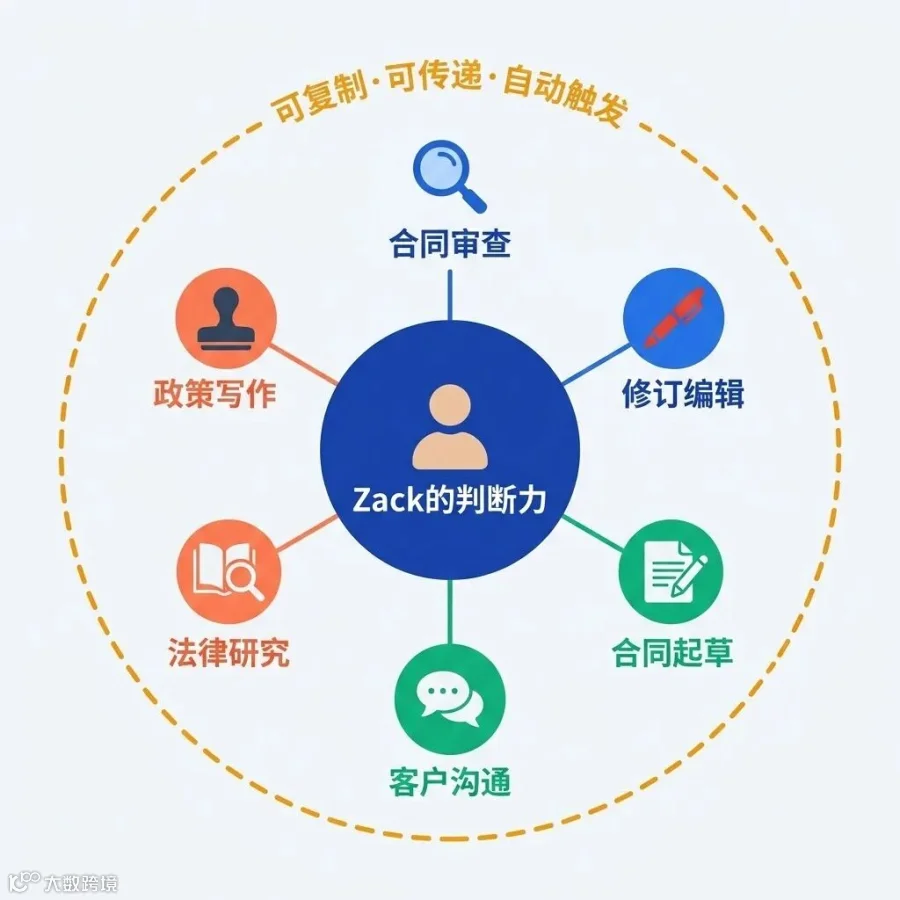
The implication that matters for firm management: the plugin is transferable. If I had 50 associates, I could install it on every machine. Knowledge that takes years of mentorship to transmit is now an instruction file that works from the first draft.
对律所管理而言,重点是:插件可以传递。如果我有 50 个律师助手,装到每台电脑上就行了。过去需要几年带教才能传递的知识,现在是一份指令文件,第一稿就能用。
VII. What This Looks Like in Practice
实战案例
案例 1:不打开 Word 就做好修订标记
A counterparty sends back a redlined agreement. Forty pages of changes. I upload the document to Claude: "Help me evaluate the counterparty's changes from my client's perspective." My contract review skill fires. Claude organizes every change by severity, flags where the counterparty shifted risk, identifies tensions between modified provisions, and produces a summary with specific counter-language for each issue.
对方发回一份标注了修改的协议。四十页的变动。我上传给 Claude:"从我客户的角度评估对方的修改。"合同审查技能自动触发。Claude 按严重程度分级,标记对方在哪里转嫁了风险,识别修改条款之间的内在矛盾,每个问题都配有具体的反击措辞。
Then I apply my judgment. Claude generated three alternative formulations for a disputed clause. I pick the one that accounts for relationship dynamics and deal context that no AI has access to. Total time from receiving the markup to having a response package ready to send: under an hour, of which about 30 minutes is my own thinking.
然后我加入自己的判断。Claude 给争议条款生成了三种备选表述,我选了那个兼顾关系动态和交易背景的——这些只有人才知道。从收到修改稿到准备好完整回复方案:不到一小时,其中约 30 分钟是我自己的思考时间。
案例 2:不产生幻觉的法律研究
A client needs to understand the regulatory landscape for a new product. My research skill instructs Claude to launch parallel research across every relevant angle simultaneously. Before delivering anything to me, the skill requires Claude to run a self-review. Claude must verify that every cited authority actually says what the memo claims. It must specifically guard against hallucinated citations, the problem that got several lawyers sanctioned and made national news.
客户需要了解新产品的监管环境。我的研究技能指示 Claude 同时从所有相关角度并行研究。在把任何东西交给我之前,技能要求 Claude 进行自审——核实引用的每一条法规确实说了备忘录里声称的那些话,专门防范"幻觉引用"——那个让好几个律师受处分、登上全国新闻的问题。
The problem was never AI itself. It was AI without quality control.
问题从来不在 AI 本身。问题在于没有质量控制的 AI。
案例 3:实时合同攻防
A client received a demand letter claiming breach. Claude mapped every allegation against the contract and found that two of four claimed breaches referenced obligations modified by a side letter the counterparty's own counsel had drafted. As I prepared the response, I ran each draft paragraph through Claude to pressure-test whether any of my arguments had unintended implications. It caught one: a defense on service-level metrics could have been read to concede a point on the payment dispute in Section 7.
客户收到一封违约催告函。Claude 把每一条指控与合同条款逐一比对,发现四项违约指控中有两项引用的义务,早已被对方律师自己起草的补充协议明确修改了。在准备回复时,我把每一段草稿都丢给 Claude 做压力测试。它抓到了一个:我打算在服务等级指标上提出的抗辩,可能会被解读为在第 7 条的付款争议上做了让步。
That kind of real-time, provision-by-provision stress-testing while actively drafting is something that used to require a second lawyer reviewing your work. Now it happens in the same conversation where the work gets done.
这种一边写一边逐条压力测试的实时攻防,过去需要另一个律师来审你的稿子。现在,在同一个对话窗口里就完成了。
VIII. The Prompt Is the Skill
提示词就是技能
Most lawyers who try AI write something like "review this contract" and get back something mediocre. Then they decide AI isn't useful for legal work. The problem is not the AI. The problem is the input.
大多数尝试 AI 的律师,敲下"审一下这份合同",得到一个平庸的结果,然后断定 AI 不适合做法律工作。问题不在 AI。在输入。
Compare "review this contract" with "review this services agreement from the vendor's perspective. Flag provisions where the customer shifted risk beyond market norms. Check for missing provisions including limitation of liability, IP ownership, data handling, and termination for convenience. Produce a severity-rated summary with specific counter-language for each high-severity issue."
比较一下"审一下这份合同"和"从供应商的角度审查这份服务协议。标记客户方将风险转移到超出市场惯例的条款。检查应当存在但缺失的条款。生成按严重程度分级的摘要,每个高严重度问题附上具体的反击措辞。"
The entire gap between "AI is a toy" and "AI changed my practice" lives in the quality of your instructions. This is why skills matter: they encode that level of detail so you write it once and it fires every time.
"AI 是个玩具"和"AI 改变了我的执业"之间的全部差距,就在于你的指令质量。技能的意义:把那个级别的细节编码一次,以后每次自动运行。
IX. What This Changes
这改变了什么
Staffing. I run a two-person firm that handles the workload of a much larger practice. AI produces the first pass. I produce the final work product. Associates are not obsolete. But the bar for when hiring one makes economic sense has moved.
用人。 我用两个人的律所承接了规模大得多的业务量。AI 出初稿,我出终稿。律师助理没有过时,但雇一个人在什么时候划算,这条线挪了。
Billing. The point is not that every task takes less time. It is that every hour of attorney time produces more value. My firm offers subscription pricing alongside traditional hourly billing. AI makes this model work.
收费。 重点不是每项工作都变快了,而是律师每个小时能产出更多价值。我的律所在传统计时收费之外提供订阅制。AI 让这种模式跑得通。
Judgment. The AI is not practicing law. You are practicing law. The AI makes you faster, more thorough, and more consistent. But the judgment — the part where you decide what to fight for and what to concede, where you read between the lines, where you make a call that could go either way and stake your reputation on it — that is yours. Experienced lawyers have an enormous advantage in this new world. If you've spent 10 or 20 years developing judgment in your practice area, you are sitting on exactly the asset that AI makes more valuable, not less.
判断力。 AI 不是在执业。你才是。AI 让你更快、更细致、更稳定。但判断力——决定什么该争什么该放,读懂言外之意,在模棱两可时做出选择并押上你的声誉——这一切属于你。有经验的律师在这个新世界拥有巨大优势,但他们大多没意识到。如果你花了十年二十年打磨一个领域的判断力,你坐拥的正是 AI 让它增值而非贬值的那种资产。
X. Go Build
去做
I don't work for Anthropic. I'm a practicing lawyer who tried every AI tool available and built my practice around the one that worked best for how I actually work.
我不为 Anthropic 工作。我是一个执业律师,试过市面上所有 AI 工具,然后围绕最适合自己实际工作方式的那个,重新构建了我的执业体系。
The gap between how most lawyers use AI (typing a question into a chatbot and hoping for the best) and what I've described here is enormous. Closing that gap doesn't require technical skill. It requires investing a few hours in learning how the tool actually works.
多数律师使用 AI 的方式(往聊天框里敲个问题然后听天由命)和我描述的之间,有一道巨大的鸿沟。跨过这道鸿沟不需要技术功底,只需要花几个小时学会这个工具到底怎么用。
Download the desktop app. Pick the task you do most often. Write a prompt that describes, in detail, exactly how you want it done. See what comes back. Then build your first skill. The returns compound fast.
下载桌面应用。选你最常做的那件事。写一段详细描述你希望怎么完成的提示词。看看它给你什么。然后写你的第一个技能。回报复利增长,很快。
本文英文原文来自 Zack Shapiro (@zackbshapiro),中文翻译采用"译境"框架。