
Have you ate zongzi today? The enormous variations for this time-honored favorite at home and abroad can certainly surprise you.
The most famous - Jiaxing zongzi

Jiaxing zongzi, named after the city Jiaxing in east China's Zhejiang province, is the most sought-after kind of zongzi on the Chinese mainland during the Dragon Boat Festival thanks to the local time-honored brand Wu Fang Zhai, the largest zongzi manufacturer and retailer here.
In a triangular pyramid shape, Jiaxing zongzi is well known for its typical filling of marinated pork which is neither too salty nor too sweet, satisfying the palates of the majority. Sometimes it is also filled with sweet bean paste, lotus seed, longan fruit or peanut.
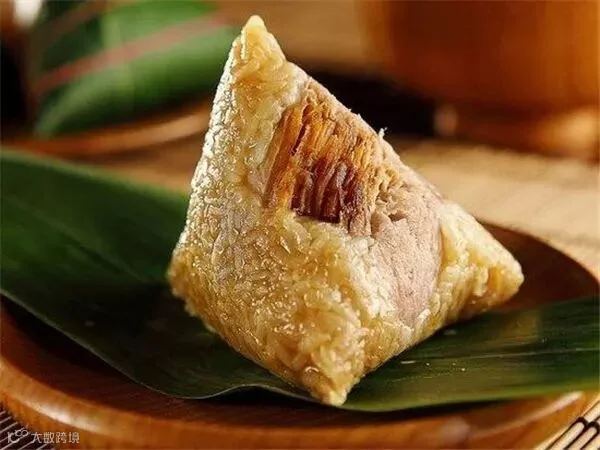
Fat meat, fried in oil after being boiled for several hours, is usually mixed in with the fillings, which makes the zongzi crispy but not greasy.
It is no exaggeration to say that Jiaxing is the hometown of zongzi as the delicacy almost appears on each family's menu year-around. In addition, Jiaxing owns the first and the only museum of zongzi.
The oldest - Xi'an zongzi

The "cold honey" zongzi has the longest history in the central Chinese city of Xi'an. This type of zongzi originated in the Tang Dynasty (618–907) according to ancient records, in which it is described as a food with a gorgeous jade-like appearance.
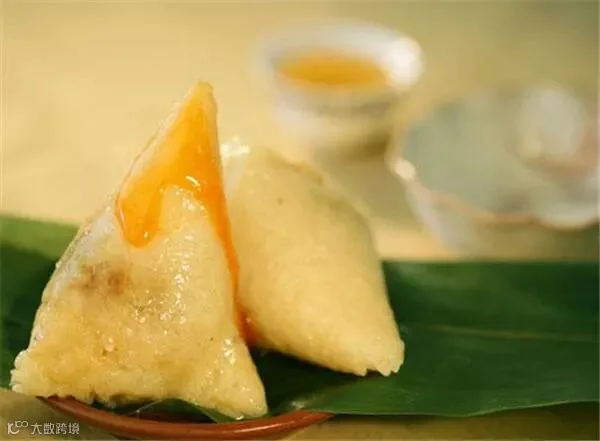
The largest - Nanning zongzi

Stuffed with fat and lean pork and peeled mung beans, each Nanning zongzi mostly weighs about one kilogram. It also called "pillow zong" due to its huge size and the middle part with fillings slightly higher than two sides.
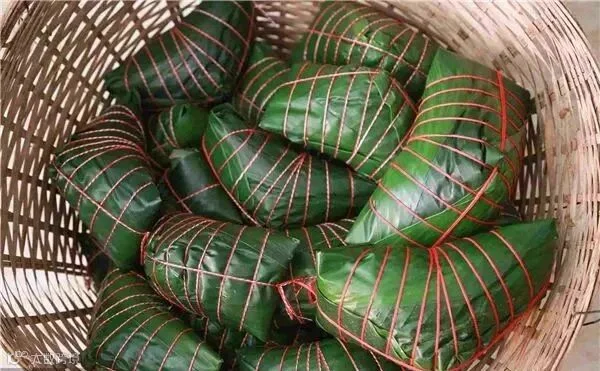
Also in South China's Guangxi Zhuang autonomous region, people once made the largest zongzi containing 50-kilogram glutinous rice mixed with soybean sauce and roast pork, which can be eaten by a three-person family for two months.
The smallest - Shanghai zongzi

The smallest one sold at the City God Temple of Shanghai measures four centimeters long with ham as its filling and fits quite comfortably in the mouth. Some prefer to enjoy it with a cup of Chinese tea.
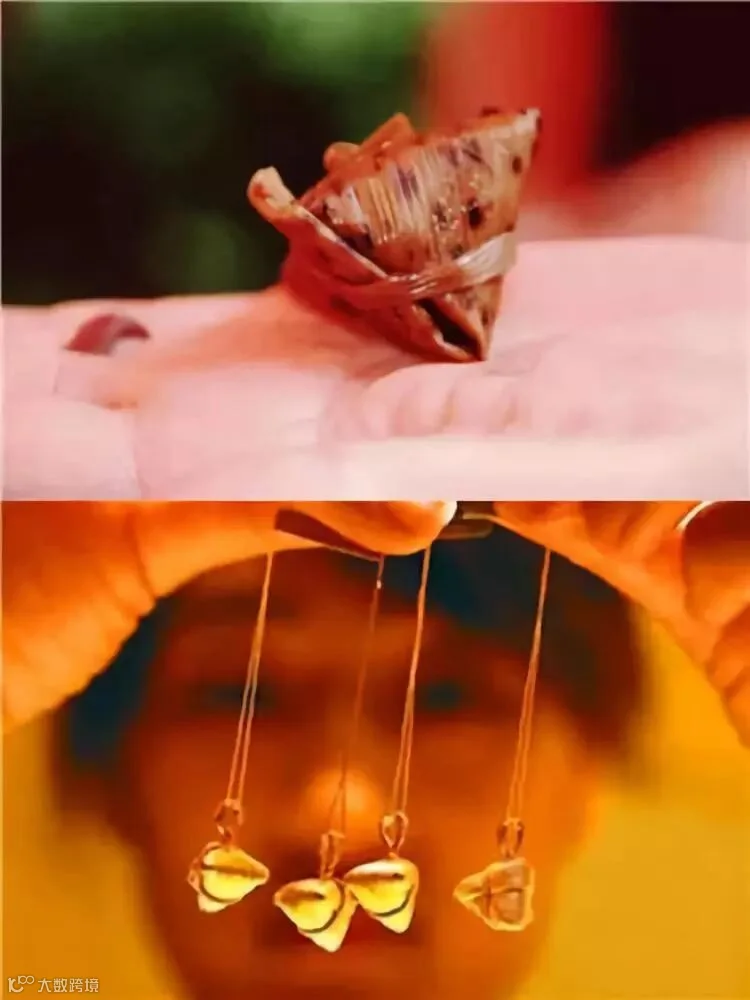
Some restaurants in Shanghai serve tiny zongzi barely larger than a person's finger. Fifty grams of glutinous rice and four little cubes of ham are wrapped up into a batch of four cute zongzi.
The most romantic-
Hangzhou zongzi

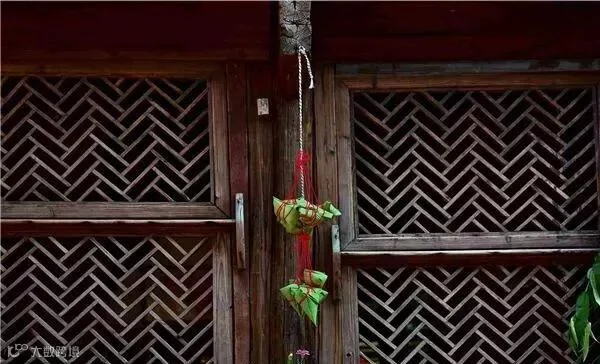
In Tangxi ancient town in Hangzhou, East China's Zhejiang province, zongzi even has "gender," divided into "males" in the more common shape of a pyramid and "females" in a quadrangular pyramid. The latter is also nicknamed the "axe zong."
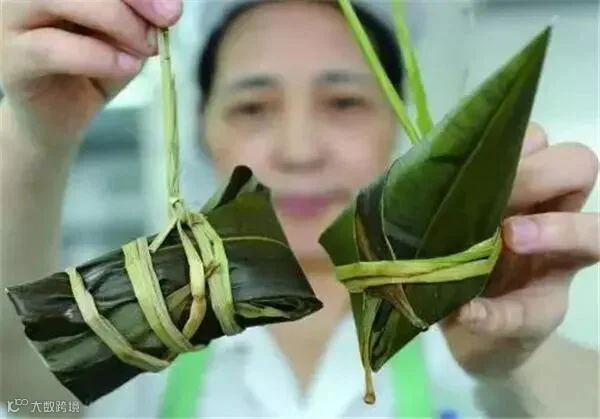
Aside from the shape, what's inside is another clue to the zongzi's gender. Male zongzi are usually stuffed with nothing or shredded lotus root whereas female ones are filled with red beans or meat.
Boys with pyramid-shaped zongzi and girls with axe zong attended a party for blind dates, where the boy would give his zongzi to the one he falls in love with, and if he receives the girl's zongzi in return, a love story would blossom.
The most global - Hokkien zongzi

With Hokkien migrants across the world, Hokkien braised pork zongzi (also known as bakchang or machang originating from the Hokkien dialect), embracing fame at home and abroad, is very likely to be the most global one.
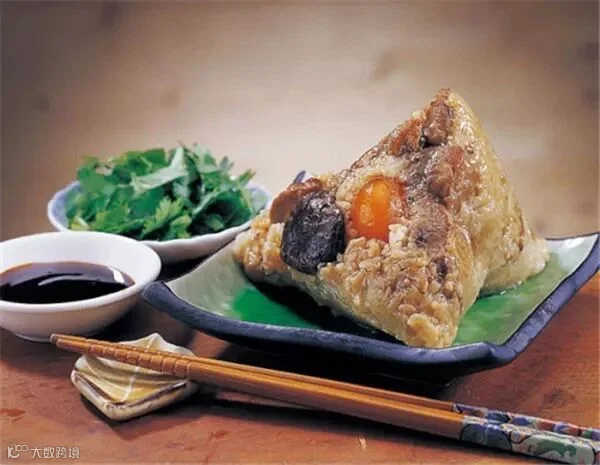
The inside of the zongzi containing well-braised pork and extra fillings of mushrooms, dried shrimp or oyster and lotus seeds is the selling point.
International versions of zongzi

Spread through the Chinese diaspora, zongzi today involves many variations in different countries around the world.
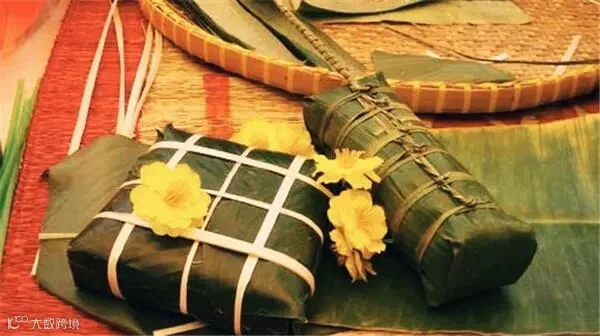
In the shape of a thin elongated cone, Japanese zongzi, called "chimaki" and mostly eaten during Children's Day on May 5, uses mashed rice flour instead of glutinous rice and stuffed with various kinds of fillings like fruit, egg yolk or small fish fillet.
The Vietnamese make two shapes of zongzi, rounded ones (referring to the heaven) and square ones (referring to the earth), which contain unique fillings mixed with pepper, mung beans and pork wrapped with banana leaves. Eaten on the same day as Chinese Dragon Boat Festival, the rounded and square zongzi are a symbol of good fortune and the bumper harvest.
Singaporeans love flowers, thus they immerse zongzi in flower juice and offer it as a treat for guests. The rice flour becomes green after absorbing the juice and glitters and looks translucent.
As a specialty of Peranakan cuisine, Malaysian zongzi (Nyonya chang) are made of regular glutinous rice and blue rice immersed in blue flower juice typically stuffed with mixed spices, pork mince, winter melon and roasted peanuts. The authentic Nyonya chang ought to be steamed or boiled with coconut milk.
Want to try one of them?

Source| CGTN





HACOS,Business Services Solutions Master