


Recently, our customer′s containers were detained by traffic police due to overload.
So, in order to prevent this from happening again, HACOS would like to talk about Container Weight Limits today.

The Weight Limit is usually written on the door of an container, for example---MAX GROSS :30480KGS, which means the total weight of your cargo & container should not go beyond 30480 KG.
There are many other kinds of Weight Limits on containers besides those required by containers, such as weight limits set by shipping companies or ports, and those required by roads , feeder vessels, or routes.

1. Weight Limits Required by Containers
If the cargo exceeds this limit, namely the maximum weight the container can bear, the bottom of the container may fall off, and the top beam may bend or even break. And the shipper should pay for all the damage caused by overload.
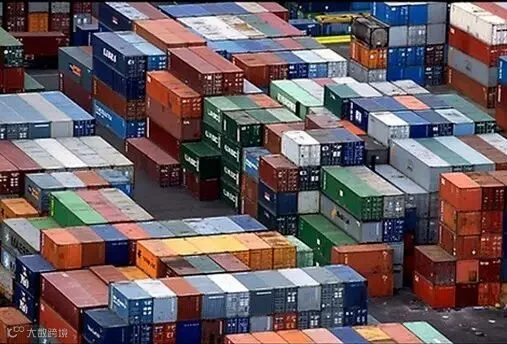
Besides, overloaded containers won’t be accepted by any port. If your cargo is overweight and cannot be divided, then you can just choose overweight containers.
2. Weight Limits Set
by Shipping Companies
Weight limits may vary from different shipping companies, but there is a general standard, that is, not to cause any damage to the container.
In order to strike a balance between weight and shipping space, each container vessel has its weight limit and shipping space limit. However, when it comes to certain routes, these two limits may not be reached together.
This often happens in North China, where there are many heavy goods, ----the weight limit has been reached, but a lot of shipping space is still vacant.
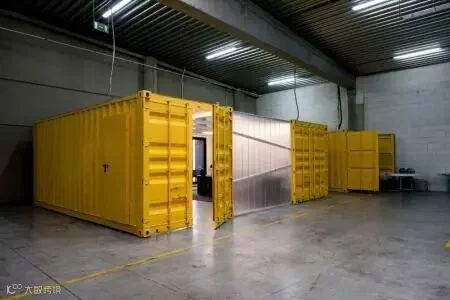
Therefore, in order to make up for this loss, shipping companies will raise the price, namely, charge extra freight when the cargo weight surpasses a certain number.
Some shipping companies don’t use their own vessels but buy other shipping companies' shipping space to carry goods, so they will be even stricter about weight limits.
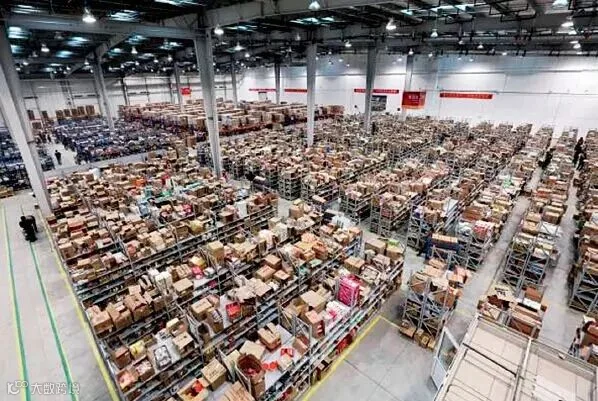
The reason is that when they buy shipping space, they calculate the space with this standard, namely, 1TEU=14/16TONS, and overweight cargo will not be loaded on board.
3. Weight Limits Set by Ports
This limit is up to the maximum weight that the machines can bear.
After a container ship docks, it's usually loaded or unloaded with the dock's crane. And after the containers are unloaded from the ship, they will be carried on a truck to a container yard and then unloaded again with a forklift truck.
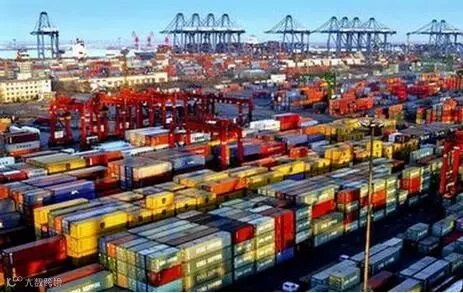
If the container’s weight exceeds the weight limits required by the machines, the dock and yard may not be able to perform the above-mentioned tasks.
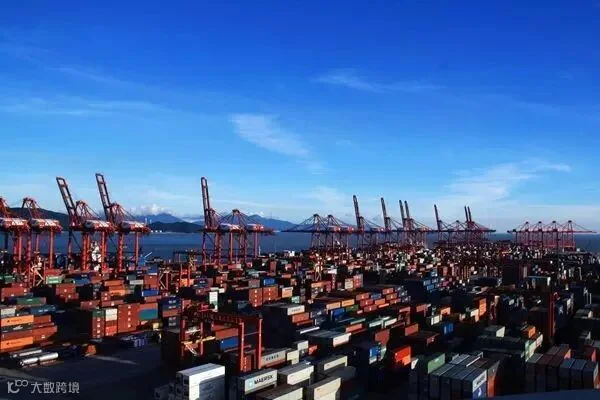
Therefore, when it comes to some small ports with relatively poor machines, the shipping company will usually inform you of the weight limits set by the ports, and containers exceeding the limits will not be accepted.
4. Weight Limits Required
by Roads or Feeder Vessels
Sometimes, after being unloaded at ports, containers need to be transported to inland areas with container trucks, therefore, weight limits required by roads are another factor that can influence weight limits set by shipping companies.

For example, the US is especially strict about weight limits when it comes to road transportation.
They usually impose a 17.3-ton weight limit on small containers, and a 19.5-ton weight limit on big containers. But the weight limits may also vary according to ports.
5. Weight Limits Required by Routes
As shipping companies may choose different routes according to the port sequence, types and popularity of goods, plus the weight limits required by machines at the destination port, different routes may impose different weight limits on small and big containers.
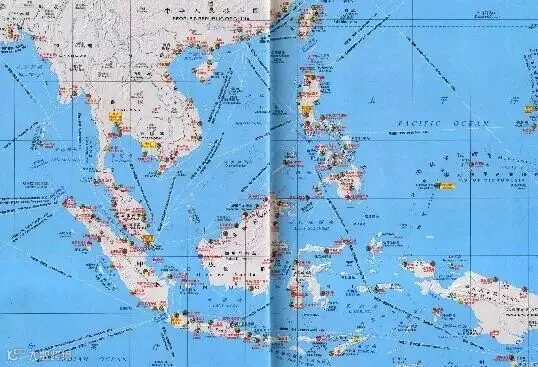

Therefore, before you load the container, please make clear the Weight Limit written on it and take any other factors that can influence the container's weight into consideration, so as to avoid extra work.
PLEASE PAY ATTENTION TO HACOS WECHAT.
pics from the internet
HACOS is the original author
please inform us before repost
and indicate the resource
HACOS,Business Services Solutions Master