

Islamic jurisprudence specifies which foods are halāl (حَلَال "lawful") and which are harām (حَرَامْ "unlawful"). This is derived from commandments found in the Qur'an, as well as the Hadith and Sunnah, libraries cataloging things the Islamic prophet Muhammad is reported to have said and done.
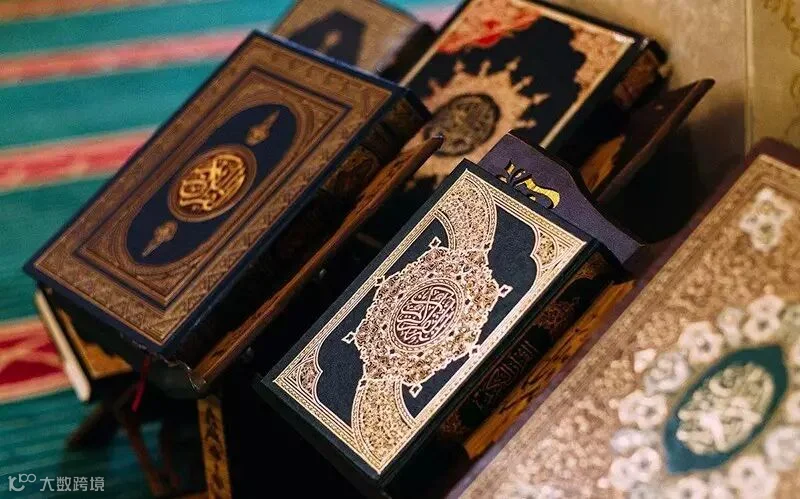
# About halal food, you need to know these things below.↓↓↓
Food Preparation
Dhabīḥah (ذَبِيْحَة) is a prescribed method of ritual animal slaughter.
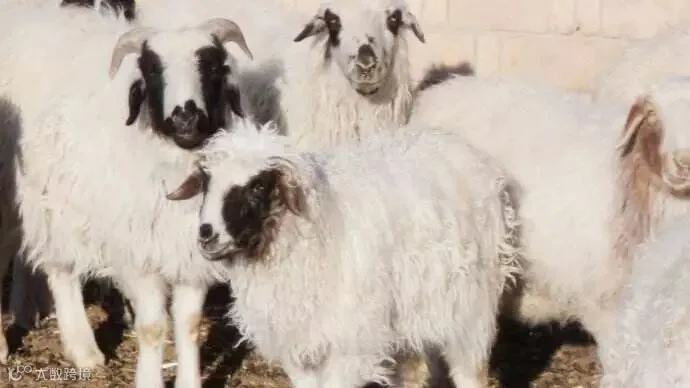
The animal must be slaughtered quickly with a sharpened blade while mentioning the name of God (Allah in Arabic).
It must not suffer, see the blade, see or smell the blood from a previous slaughter.
Animals for food may not be killed by being boiled or electrocuted, and the carcass should be hung upside down for long enough to be free of blood.
Prohibited Food
A variety of substances are considered as unlawful (haraam) for humans to consume and, therefore, forbidden as per various Qurʼanic verses:
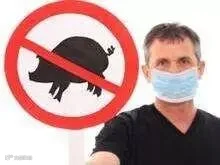
Pork
Animals slaughtered in the name of anyone but "God". All that has been dedicated or offered in sacrifice to an idolatrous altar or saint or a person considered to be "divine"
Carrion (carcasses of dead animals which weren't killed by men or pets trained for purpose)
An animal that has been strangled, beaten (to death), killed by a fall, gored (to death), or savaged by a beast of prey (unless finished off by a human)
Blood
Intoxicants and alcoholic beverages
Food Certification
Since the turn of the 21st century, there have been efforts to create organizations that certify food products as halal for Muslim consumers in the USA.
The oldest and most well-known halal certifier in the United States is called the Islamic Services of America.
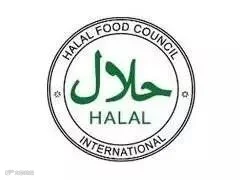
In 2011, the Halal Products Certification Institute was established in California and became the first worldwide corporation that certified halal consumer products by Islamic intellectual scholars and Muslim scientists.
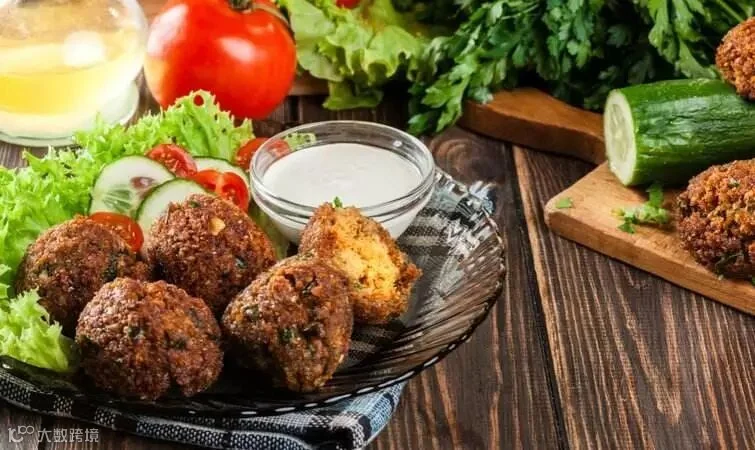
In South Africa, most chicken products have a halal stamp. The South African National Halal Authority (SANHA) issues certificates and products bearing this logo range from water, snacks, and even meat-free products.
In Non-Islamic Regions
The halal market is now estimated to be 16% of world trade and is growing. Companies from Europe and North America that would like to access the growing Halal market must get their consumable products Halal certified.

The Global Halal Institute has a list of Halal certifiers that are approved by most Muslim countries with dietary import restrictions.
The list can be found on ↓↓↓
http://globalhalalinstitute.com/?p=66
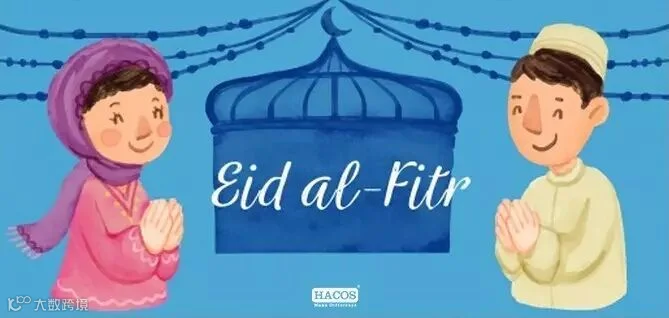
Eid Mubarak to all Muslim friends!
May all of Muslim friends
have a very happy Eid-al-fitr!






HACOS,Business Services Solutions Master